Find the Best Composting & Food Waste Companies for Your Business
No obligation • Fast responses • Nationwide coverage

Why you can trust Restaurant Waste Disposal
Restaurant Waste Disposal is a leading U.S. resource for comparing restaurant composting, food-waste recycling, grease trap cleaning, and used cooking oil collection services. Our editorial team researches providers, checks credentials, and organizes unbiased information so operators can make informed decisions. Companies cannot pay to change ratings or placement.
Search providers near you
Top Composting & Food Waste Companies in Missouri City, Texas Ranked
For restaurants and foodservice businesses in Missouri City, managing organic waste responsibly is a critical step toward sustainability and operational efficiency. While the city provides foundational recycling services for residents and businesses through its designated provider, specialized composting and food waste diversion programs for commercial kitchens require a more proactive approach. Navigating the options for organic waste recycling involves understanding the distinction between municipal services and private commercial solutions, then engaging directly with waste haulers to establish a tailored program that fits your establishment's volume, schedule, and budget.
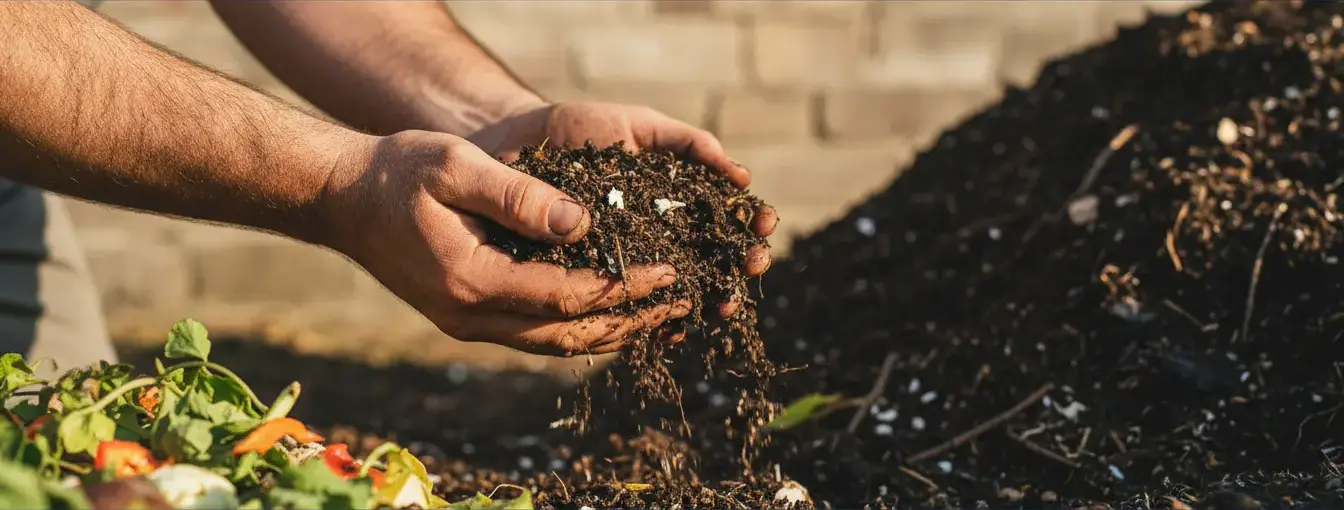
The journey begins with recognizing that food waste is not just trash-it's a resource. Diverting food scraps, spoiled produce, and compostable packaging from the landfill can reduce disposal costs, lower your environmental footprint, and contribute to the creation of nutrient-rich soil. For a restaurant owner in Missouri City, the first call is often to the city's contracted commercial waste provider, but the exploration shouldn't end there.
Understanding Waste Services in Missouri City
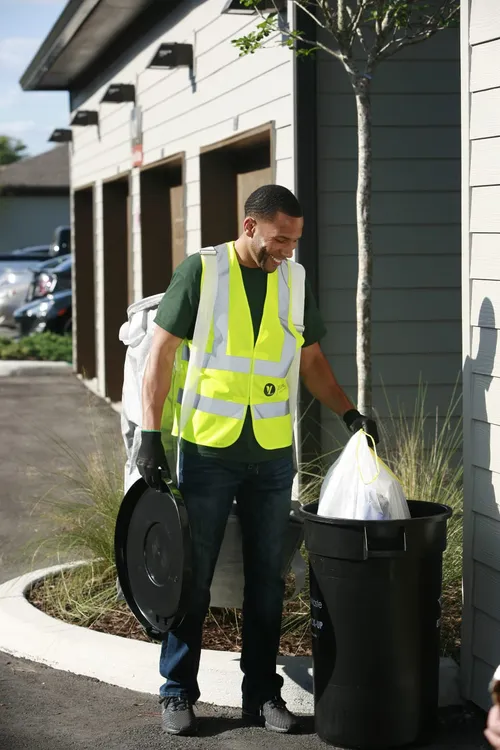
Missouri City contracts with GFL Environmental as its exclusive provider for municipal solid waste and recycling services for both residents and commercial customers. The city's website clearly outlines its recycling program, which accepts materials like paper, plastics, metal, and glass. However, this program is focused on traditional recyclables and does not explicitly include a municipal curbside composting or organics collection service for businesses. This means that while your restaurant's cardboard and aluminum cans have a clear path, your food scraps enter a gray area that requires direct inquiry.
The commercial solid waste service is mandatory for businesses within the city limits, but the specific components of that service-like whether it includes a separate bin and pickup for organic waste-are determined through a direct agreement with GFL. The city's role is to set the provider; the details of specialized services like composting are worked out between the business and the hauler.
The Difference Between Recycling and Organics Diversion
It's crucial to distinguish between the city's recycling program and a dedicated food waste composting service. The municipal recycling guidelines, for instance, specify that pizza boxes contaminated with grease are not accepted1. This highlights a key difference: composting can handle soiled paper products and food-soiled cardboard that recycling cannot. A dedicated organics program is designed to process these very materials, along with food scraps, into compost, not to sort them at a materials recovery facility.
How to Establish a Restaurant Composting Program
For a restaurant manager or owner, setting up a food waste diversion program involves several key steps. It's a process of research, negotiation, and internal workflow adjustment.
1. Start with a Direct Inquiry to GFL Environmental Your first point of contact should be GFL Environmental, the city's designated commercial provider. Contact their commercial services department to inquire specifically about organic waste collection. Be prepared to ask detailed questions to understand if they offer this as a standard add-on service, a pilot program, or a custom quote.
2. Research Private and Regional Haulers If GFL does not offer a suitable program, your search should expand to private waste management companies that serve the Greater Houston and Fort Bend County area. Many regional haulers specialize in commercial organics collection. Use search terms like "commercial food waste hauling Missouri City TX" or "organic waste collection Fort Bend County" to find potential providers.
3. Evaluate and Compare Service Proposals When speaking with providers-whether GFL or a private hauler-arm yourself with a list of essential questions. The answers will form the basis of your service agreement and operational plan.
Key Questions for Your Waste Hauler
- Service Eligibility: Is your program designed for food-generating businesses like restaurants, cafes, or grocery stores? Are there minimum volume requirements?
- Container Logistics: What container sizes are available (e.g., 32-gallon, 64-gallon, or wheeled carts)? Are they lidded and durable to prevent pests? Who provides and maintains them?
- Pickup Schedule: What frequencies are offered-daily, weekly, or bi-weekly? Can the schedule be tailored to our peak waste generation days?
- Contamination Rules: What materials are accepted? Typically, this includes fruit/vegetable scraps, meat/dairy, bones, coffee grounds, filters, and certified compostable serviceware. What is strictly prohibited? This almost always includes plastic bags, Styrofoam, liquids, and non-compostable trash.
- End Destination: Where does the collected material go? Is it to a commercial composting facility, an anaerobic digester, or for animal feed? Understanding the final destination is part of verifying the sustainability of the program.
- Cost Structure: Request a clear cost summary. Pricing is usually based on container size and pickup frequency. Ask for sample monthly fees to budget accordingly2.
Find the perfect composting & food waste companies for your needs
Get personalized recommendations and expert advice
Implementing an Effective System Internally
Securing a hauler is only half the battle. A successful program depends on seamless integration into your daily operations.
Staff Training is Paramount: Every team member, from dishwashers to line cooks, must understand what goes in the compost bin versus the trash or recycling. Use clear, simple signage with pictures. Conduct brief training sessions and periodic refreshers. Kitchen Workflow Design: Place collection bins strategically. A small countertop bin in prep areas and a larger collection bin near the dish pit are common setups. Ensure bins are easy to access and empty. Monitor and Adjust: Track your compost volumes and contamination rates. Celebrate successes with your team when contamination is low. Use this data to renegotiate service frequency or container size with your provider over time.
Benefits Beyond Waste Disposal
Investing in a food waste composting program delivers tangible returns. Cost Savings: While there is a fee for the new service, many businesses find they can downsize their general trash dumpster or reduce pickup frequency, offsetting some of the new cost. Sustainability Leadership: Demonstrating a commitment to environmental stewardship strengthens your brand, appeals to eco-conscious customers, and can be a powerful marketing tool. Regulatory Preparedness: As environmental regulations evolve, being ahead of the curve on organics diversion positions your business favorably for future compliance.
Exploring Alternative and Supplemental Options
If a full-scale hauling service isn't immediately viable, consider these steps:
- Waste Audit: Start by measuring your food waste for a week. This data is invaluable for discussions with haulers and for identifying source reduction opportunities in your kitchen.
- Source Reduction: The most effective strategy is to not create waste in the first place. Improve inventory management, adjust portion sizes, and creatively repurpose food trimmings.
- Local Drop-Off: Investigate if there are community gardens, farmers' markets, or local farms in the area that accept clean food scraps from businesses.
- On-Site Composting: For establishments with sufficient outdoor space, small-scale on-site composting or vermicomposting (worm bins) can process a portion of your vegetative scraps.
Frequently asked questions
Sources
Footnotes
-
Solid Waste Municipal Program | Missouri City, TX - https://www.missouricitytx.gov/478/Municipal-Solid-Waste-Program ↩
-
Commercial Customers | Missouri City, TX - Official Website - https://www.missouricitytx.gov/733/Commercial-Customers ↩