Find the Best Composting & Food Waste Companies for Your Business
No obligation • Fast responses • Nationwide coverage

Why you can trust Restaurant Waste Disposal
Restaurant Waste Disposal is a leading U.S. resource for comparing restaurant composting, food-waste recycling, grease trap cleaning, and used cooking oil collection services. Our editorial team researches providers, checks credentials, and organizes unbiased information so operators can make informed decisions. Companies cannot pay to change ratings or placement.
Search providers near you
Top Composting & Food Waste Companies in McKinney, Texas Ranked
For restaurant owners and food service operators in McKinney, managing organic waste is a critical operational and environmental consideration. While the city provides robust residential recycling and a food scrap drop-off for residents, commercial establishments like restaurants must navigate a different landscape, primarily partnering with private waste haulers for tailored solutions. Effective food waste diversion not only supports local sustainability goals but can also streamline operations and potentially reduce overall waste disposal costs. This guide outlines the pathways and key details for implementing a successful organics recycling program for your McKinney restaurant.
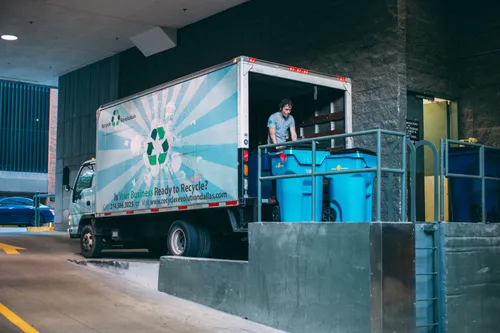
The core of commercial food waste management in McKinney lies with private service providers. These haulers offer the flexibility and capacity necessary for the high-volume, consistent output of a restaurant. They can provide a range of container options, from dedicated food waste carts to larger dumpsters, and customize pickup schedules from daily to weekly service based on your establishment's needs. Crucially, many of these private haulers have established partnerships with commercial composting facilities in the broader Dallas-Fort Worth area, ensuring that collected food scraps are processed into usable compost rather than sent to a landfill. The first step is to contact these providers for a site survey to assess your specific requirements.
Understanding Your Service Options
Navigating waste services requires understanding the distinction between municipal and commercial offerings. The City of McKinney's Solid Waste Department manages services primarily for residents. Commercial entities, including restaurants, are addressed through city ordinances, and while the city sets certain standards and offers fee-based trash collection for downtown businesses, comprehensive food waste composting for restaurants is typically handled by the private sector 1.
Municipal Services Overview The city operates a residential food scrap drop-off program, but this is not designed for the scale or legality of commercial food waste disposal. For general trash in the downtown district, the city does provide service with fees based on business size and type, categorized as R1 (small), R2 (medium), and R3 (large). However, for a dedicated organics recycling stream, restaurants will need to look beyond basic municipal trash collection.
Commercial Hauler Partnerships This is the recommended route for restaurants. Providers such as Frontier Waste Solutions, Republic Services, and Waste Management operate in McKinney and offer commercial waste and recycling services. These companies can design a service package that includes separate containers for food waste, which are then hauled to facilities capable of processing commercial-grade organics. When inquiring, it's essential to specifically ask about "food waste collection" or "organics recycling" services, as not all standard commercial packages include this by default.
Key Components of a Restaurant Program
Implementing a food waste diversion program involves more than just adding another bin. Success depends on proper setup, education, and contamination control.
Container Types and Placement Work with your hauler to determine the right container. This could be a lockable outdoor dumpster designated for organics, smaller wheeled carts for kitchen areas, or even countertop collection pails for frontline food prep. The goal is to make separation convenient for staff at every point of waste generation-from the prep station to the dish pit. Properly labeled bins help ensure compliance.
Scheduling and Logistics Pickup frequency is a balance between cost and practicality. A high-volume restaurant may need daily pickups to avoid odor and pest issues, while a smaller cafe might manage with weekly service. Your hauler will help determine this based on the volume of food waste you generate and the size of the container provided2. Consistent, reliable pickup is crucial for maintaining a clean and efficient operation.
Contamination Control This is perhaps the most critical factor for a successful program. Contamination occurs when non-compostable materials like plastic wrap, rubber gloves, metal, glass, or liquids are placed in the food waste bin. Contaminated loads can be rejected by composting facilities, resulting in extra fees or the entire load being sent to the landfill, negating your efforts. Clearly communicate to all staff what is and is not acceptable in the compost bin. Common compostables include fruit and vegetable scraps, coffee grounds, filters, eggshells, and plain baked goods. Non-compostables include meat and dairy (unless your specific hauler/facility accepts them), fats/oils/grease, and any packaging.
Find the perfect composting & food waste companies for your needs
Get personalized recommendations and expert advice
Financial Considerations and Cost Structures
The cost for commercial food waste services is separate from standard trash removal and varies significantly based on your restaurant's size, waste volume, and chosen service level.
Pricing Models Costs are typically quoted based on a combination of container size (e.g., 2-yard, 4-yard, 8-yard dumpster) and pickup frequency (e.g., 3x/week, 5x/week). You will receive a monthly service fee that covers rental of the container, collection, and hauling. It's important to get detailed quotes from multiple providers that break down these costs.
Downtown City Trash Rates as a Reference While not for composting, the City of McKinney's downtown commercial trash rates offer a baseline for waste service costs in the area. These are tiered: a small (R1) business like a small office or retail shop pays approximately $28.48 per month; a medium (R2) business, such as a small to medium restaurant without an alcohol license, pays about $62.85 per month; and a large (R3) business, like a full-service restaurant, pays around $109.00 per month for basic trash collection3. A commercial composting service will be an additional line item on your waste management bill.
Potential for Cost Savings While adding a service incurs a cost, there can be indirect savings. By diverting heavy, wet food waste from your general trash dumpster, you may be able to reduce the size of your trash container or decrease the frequency of trash pickups, potentially lowering that portion of your bill. Furthermore, some waste management companies offer more competitive pricing when bundling multiple services (trash, recycling, organics).
Steps to Launch Your Program
Taking a systematic approach will smooth the transition to composting food waste.
- Conduct a Waste Audit: Spend a week observing and measuring the types of waste your restaurant generates. How much is food scraps? This data will be invaluable when speaking to haulers.
- Research and Contact Haulers: Reach out to at least two or three commercial waste providers servicing McKinney. Ask specific questions about their food waste programs.
- Request a Site Survey: A reputable hauler will offer to visit your restaurant to assess your space, operations, and waste output. This allows them to provide an accurate quote and recommendation for container type and service frequency.
- Review Service Agreements: Carefully compare quotes. Look beyond price to evaluate contamination policies, customer service reputation, and the end destination of the compost (supporting local farms is a plus).
- Train Your Team: Before the first pickup, hold a training session for all staff. Use clear signage (often provided by the hauler) in English and Spanish. Explain the "why" behind the program to encourage buy-in.
- Launch and Monitor: Start the program and designate a point person to monitor the bins for the first few weeks, providing gentle reminders and corrections to ensure clean separation.
Benefits Beyond Compliance
Adopting a food waste diversion program positions your restaurant as a community leader in sustainability. It's a tangible action that resonates with a growing segment of environmentally conscious customers. Additionally, it engages your staff in a meaningful shared goal and contributes to the circular economy by transforming waste into a resource that enriches local soil. Managing organic waste responsibly is a fundamental step toward a more sustainable and efficient food service operation in McKinney.
Frequently asked questions
Sources
Footnotes
-
Residential Recycling Services | McKinney, TX - Official Website - https://www.mckinneytexas.org/792/Recycling ↩
-
Commercial Dumpster Rental Services | frontierwaste.com - https://frontierwaste.com/commercial-trash-pickup-service/ ↩
-
How to dispose of or recycle Food scraps - McKinney, TX - https://www.mckinneytexas.org/503/Residential-Trash-Services#!rc-cpage=724783 ↩