
Find the Best Composting & Food Waste Companies for Your Business
No obligation • Fast responses • Nationwide coverage

Why you can trust Restaurant Waste Disposal
Restaurant Waste Disposal is a leading U.S. resource for comparing restaurant composting, food-waste recycling, grease trap cleaning, and used cooking oil collection services. Our editorial team researches providers, checks credentials, and organizes unbiased information so operators can make informed decisions. Companies cannot pay to change ratings or placement.
Search providers near you
Top Composting & Food Waste Companies in Little Elm, Texas Ranked
For restaurants and food service establishments in Little Elm, managing organic waste is a critical operational and environmental consideration. While the town does not mandate a specific municipal program for commercial food scrap diversion, effective solutions exist through private haulers and specialized compost services. Navigating these options allows local businesses to reduce landfill contributions, potentially lower waste disposal costs, and align with growing consumer expectations for sustainability. This guide outlines the pathways for organic waste recycling in Little Elm, detailing providers, container logistics, accepted materials, and steps for implementation.
Understanding the local waste management framework is the first step. The Town of Little Elm contracts with Community Waste Disposal (CWD) for comprehensive solid waste services, including trash and recycling collection for both residents and businesses 1. However, this contract primarily covers traditional waste streams; a dedicated, town-administered composting program for restaurants is not currently a featured service 2. Consequently, food service establishments seeking to divert food waste must proactively arrange for specialized organics collection. This is typically done by either expanding a service agreement with CWD to include organics or by contracting directly with a third-party hauler that focuses on commercial food scrap recycling.
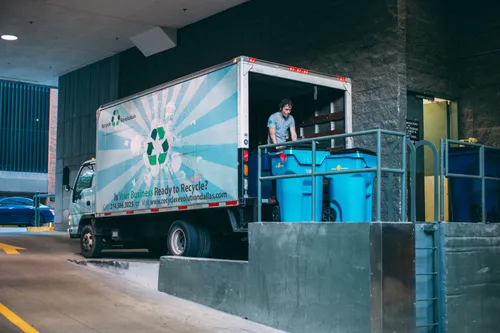
Recycle Revolution
6835 Forest Park Rd, Dallas, TX 75235
Recycle Revolution offers food waste and composting services for restaurants and businesses in Dallas, TX. They provide collection services and operate a community drop-off center that supports responsible resource recovery. The company focuses on fostering recycling and composting culture in North Texas and accepts a variety of materials including food scraps and hard-to-recycle items. With over 10 years of experience, Recycle Revolution is committed to environmental awareness and good neighborship.
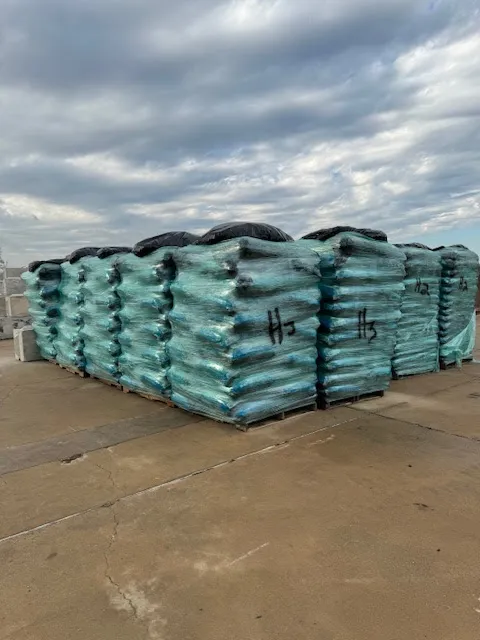
The Organic Recycler - Mulch, Compost, Soil & More
13001 Old Denton Rd, Keller, TX 76262
The Organic Recycler - Mulch, Compost, Soil & More is based in Keller, TX, and provides a range of landscaping products and services. They specialize in supplying mulch, soils, compost, and aggregates, along with land clearing services for projects of various sizes. The company also recycles food and liquid waste to create sustainable organic landscaping materials. Founded in 2014, The Organic Recycler serves the DFW area, Austin, and Oklahoma, offering dependable delivery and a blower application service to assist with larger jobs.
Key Service Providers for Restaurants
Identifying the right partner is essential for a successful food waste diversion program. In Little Elm, restaurants have several avenues to explore.
Community Waste Disposal (CWD): As the primary waste service provider for the town, CWD is a logical first contact for businesses. They offer commercial waste services and can provide information on available organics collection options or integrated waste solutions. Restaurants should inquire directly about adding food waste pickup to their existing service agreement.
Specialized Compost Haulers: Several regional providers service the Dallas-Fort Worth area and may extend to Little Elm. Companies like Texas Disposal Systems offer tailored restaurant solutions that handle all food scraps, including items like meat, bones, and dairy, which are sometimes restricted in backyard composting systems. Another example is Turn Compost, a service highlighted for its work in diverting food waste from landfills in North Texas 3. These specialized services often provide a more focused program designed specifically for the volume and type of waste generated by commercial kitchens.
Setting Up Your Service: Containers & Schedules
Logistics are customized to fit a restaurant's specific needs, including the volume of waste produced and kitchen space constraints.
Container Types: Service providers typically supply the necessary bins. For indoor kitchen use, this often includes smaller, lidded collection pails that are easy for staff to access. For exterior storage and pickup, larger sealed carts or dumpsters are provided. The specific containers (e.g., wheeled carts vs. dedicated dumpsters) will be determined by the hauler based on your estimated volume.
Collection Schedules: Pickup frequency is highly flexible and set by contract. A high-volume restaurant may require daily or multiple-times-per-week service, while a smaller cafe might only need weekly pickup. The schedule is arranged directly with your chosen provider to ensure timely collection and avoid overflow or odor issues.
What Can You Compost? Contamination Guidelines
Maintaining a clean stream of organic material is crucial for successful composting. Contamination with non-compostable items can render an entire load unsuitable for processing.
Accepted Materials (Commercial): Commercial composting facilities that service restaurants generally accept a wide range of materials. This typically includes:
- All food scraps (vegetable peels, fruit waste, coffee grounds)
- Meat, poultry, fish, and bones
- Dairy products
- Eggshells
- Soiled, non-recyclable paper (like napkins or uncoated paper towels)
- Certified compostable serviceware and bags (must meet specific standards like BPI certification)
Strictly Prohibited Items: To keep the compost stream pure, the following should never be placed in food waste bins:
- Plastic bags (unless they are certified compostable)
- Conventional plastic, glass, or metal
- Styrofoam
- Liquids (oils, grease, beverages)
- Packaging materials
It is vital to confirm the exact list of accepted items with your specific hauler, as guidelines can vary slightly between providers 4.
Find the perfect composting & food waste companies for your needs
Get personalized recommendations and expert advice
Understanding Participation Costs
The cost for commercial food waste collection is not standardized and varies based on several key factors. Pricing is typically influenced by the volume of organic waste generated, the frequency of collection required, and the specific service provider chosen. Because food waste is dense and heavy, diverting it can sometimes lead to cost savings if it allows a business to reduce the size or frequency of its general trash dumpster service. The only way to get accurate pricing is to contact providers directly for a custom quote based on your restaurant's unique needs 5.
Benefits Beyond Compliance
Implementing a food scrap recycling program offers advantages that extend beyond basic waste management.
- Environmental Leadership: Diverting organics from landfills reduces methane emissions, a potent greenhouse gas, and creates nutrient-rich compost for soil amendment.
- Operational Insights: Tracking food waste can help identify prep inefficiencies and areas for potential cost savings in kitchen operations.
- Community & Customer Engagement: Demonstrating a commitment to sustainable practices resonates positively with a growing segment of environmentally conscious patrons.
Getting Started: Actionable Next Steps
- Conduct a Waste Audit: Briefly assess the types and volumes of food waste your kitchen produces to inform conversations with providers.
- Contact CWD: Reach out to Community Waste Disposal at (972) 392-9300 (Option 2) to inquire about integrated commercial food waste collection options 6.
- Research Specialized Haulers: Contact regional commercial compost services like Texas Disposal Systems or inquire if providers like Turn Compost service the Little Elm area to compare programs 7.
- Request Quotes: Obtain detailed quotes from at least two providers, comparing costs, container options, pickup schedules, and list of accepted materials.
- Train Your Staff: Clearly label bins and educate all kitchen and front-of-house staff on what goes where to prevent contamination and ensure program success.
By taking these steps, Little Elm restaurants can effectively manage their organic waste, contributing to a more sustainable local community and potentially streamlining their operational expenses.
Frequently asked questions
Sources
Footnotes
-
Trash, Recycle, & Bulk | Town of Little Elm, TX - Official Website - https://www.littleelm.gov/721/Trash-Recycle-Bulk ↩
-
an ordinance of the town of little elm, texas, adopting - https://www.littleelm.gov/DocumentView.asp?DID=456 ↩
-
North Texas businesses pick up slack on food composting - https://www.greensourcetexas.org/articles/local-businesses-pick-slack-residential-composting ↩
-
Composting and Mulching: Am I Regulated? - https://www.tceq.texas.gov/permitting/waste_permits/msw_permits/compmulch ↩
-
Restaurant Waste Solutions - Texas Disposal Systems - https://www.texasdisposal.com/your-business/restaurant-solutions/ ↩
-
Little Elm - Community Waste Disposal - https://www.communitywastedisposal.com/find-my-city/little-elm/ ↩
-
Turn Compost - Texan By Nature - https://texanbynature.org/projects/turn-compost/ ↩