Find the Best Composting & Food Waste Companies for Your Business
No obligation • Fast responses • Nationwide coverage

Why you can trust Restaurant Waste Disposal
Restaurant Waste Disposal is a leading U.S. resource for comparing restaurant composting, food-waste recycling, grease trap cleaning, and used cooking oil collection services. Our editorial team researches providers, checks credentials, and organizes unbiased information so operators can make informed decisions. Companies cannot pay to change ratings or placement.
Search providers near you
Top Composting & Food Waste Companies in Haltom City, Texas Ranked
For restaurant owners and food service managers in Haltom City, managing organic waste is a critical operational and environmental consideration. While the city provides standard municipal recycling for residents, commercial food waste diversion operates primarily through the private sector. This means local restaurants have the opportunity-and responsibility-to seek out specialized organics recycling services to handle prep scraps, plate waste, and compostable packaging. Implementing a food scrap recycling program can reduce landfill waste, potentially lower disposal costs, and align with growing consumer expectations for sustainable business practices. Navigating the options requires understanding local service providers, container requirements, and strict contamination guidelines to ensure program success.
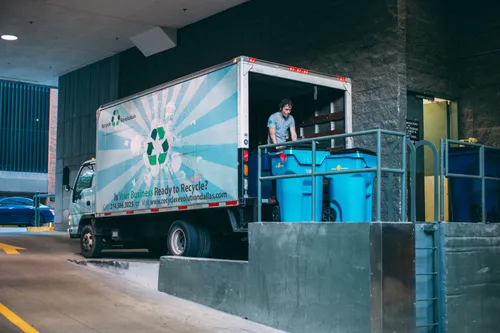
Recycle Revolution
6835 Forest Park Rd, Dallas, TX 75235
Recycle Revolution offers food waste and composting services for restaurants and businesses in Dallas, TX. They provide collection services and operate a community drop-off center that supports responsible resource recovery. The company focuses on fostering recycling and composting culture in North Texas and accepts a variety of materials including food scraps and hard-to-recycle items. With over 10 years of experience, Recycle Revolution is committed to environmental awareness and good neighborship.
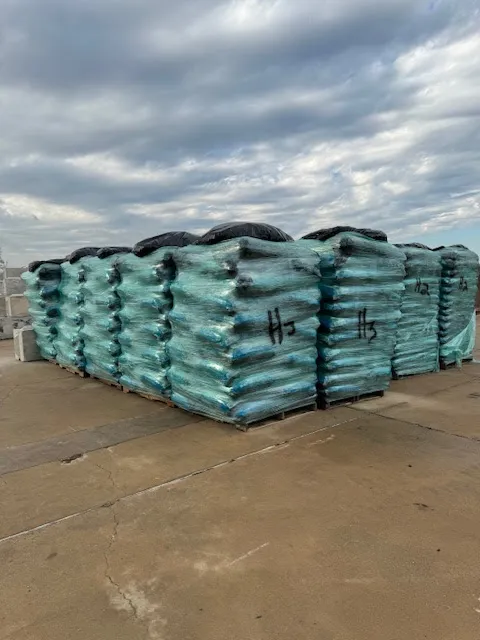
The Organic Recycler - Mulch, Compost, Soil & More
13001 Old Denton Rd, Keller, TX 76262
The Organic Recycler - Mulch, Compost, Soil & More is based in Keller, TX, and provides a range of landscaping products and services. They specialize in supplying mulch, soils, compost, and aggregates, along with land clearing services for projects of various sizes. The company also recycles food and liquid waste to create sustainable organic landscaping materials. Founded in 2014, The Organic Recycler serves the DFW area, Austin, and Oklahoma, offering dependable delivery and a blower application service to assist with larger jobs.
The Landscape of Organics Recycling in Haltom City
Haltom City's municipal solid waste services are focused on residential needs, covering standard recyclables like cardboard, glass, metal, and plastic. Currently, the city does not list a specific municipal or commercial food waste composting program for businesses on its primary trash and recycling information page. Consequently, restaurants, cafes, bakeries, and other food service establishments must proactively contract directly with private waste haulers and recycling companies that offer commercial organics collection in the Dallas-Fort Worth area.
This private-sector model is common in many Texas cities and offers flexibility. Businesses can tailor service frequency and container size to their specific waste volume, creating a customized solution rather than a one-size-fits-all municipal mandate. The absence of a city-run program means restaurant operators need to be informed consumers, comparing services, costs, and sustainability credentials of different providers to find the best fit for their operation.
How Commercial Food Waste Programs Work
Partnering with a private hauler for organic waste recycling involves a straightforward process. After contacting a service provider, they will typically conduct a waste audit or assessment to determine your establishment's output. Based on this, they will recommend a service plan.
Setting Up Service:
- Container Provision: The hauler will supply specialized collection containers. These are often large, wheeled carts (like 96-gallon models), toters, or even dumpsters, frequently distinguished by green or brown lids to differentiate them from trash and recycling streams.
- Liner Compatibility: To prevent contamination and simplify collection, these bins are used with certified compostable bags or liners. Standard plastic bags are a major contaminant and are not permitted in organics streams.
- Scheduling: Pickup schedules are arranged based on your needs, typically ranging from one to three times per week for a busy restaurant to prevent odor and pest issues.
The Separation Process: Kitchen and front-of-house staff must be trained to separate organic materials from trash and traditional recycling. This often involves placing smaller collection pails in prep areas and near dish stations, which are then emptied into the large outdoor cart provided by the hauler.
What Can and Cannot Go In Your Organics Bin
Adherence to contamination guidelines is the most critical factor for a successful commercial composting program. Contaminated loads can be rejected, leading to extra fees and undermining environmental goals.
Acceptable Materials (Always verify with your specific hauler):
- Food Scraps: All food waste, including fruit and vegetable trimmings, meat, bones, dairy, bread, and coffee grounds with filters.
- Soiled Paper: Greasy pizza boxes, paper napkins, towels, and uncoated paper food containers.
- Compostable Serviceware: Certified compostable plates, cups, utensils, and containers (look for BPI or ASTM D6400 certification).
- Other Organics: Yard trimmings, if applicable.
Unacceptable Materials (Common Contaminants):
- Plastics: Any conventional plastic bags, wrap, or packaging (unless specifically certified compostable).
- Foam Products: Styrofoam (polystyrene) containers and packaging.
- Liquids: Cooking oils, grease, and beverages (these require separate recycling streams, like used cooking oil collection).
- Non-Organics: Glass, metal, rubber, and hazardous materials.
Find the perfect composting & food waste companies for your needs
Get personalized recommendations and expert advice
Finding and Evaluating Service Providers in the DFW Area
To start a food waste diversion program, restaurant owners should research and contact providers servicing the Haltom City area. Major national waste management companies often have organics recycling divisions, and there are also regional specialists.
Key Providers to Contact:
- Republic Services: Offers comprehensive commercial recycling and organics services in the region.
- Waste Management: Provides tailored food waste recycling programs for businesses.
- Local/Regional Organic Recyclers: Companies like Organics By Design or Rethink Waste serve the DFW metroplex and may offer specialized commercial composting services.
Questions to Ask Potential Providers:
- What is your service area and do you cover Haltom City?
- What container sizes do you offer, and what is the associated cost?
- What is your pickup schedule and pricing structure (e.g., weekly, twice weekly)?
- Can you provide a clear list of acceptable and unacceptable materials?
- Where does the collected organic material go, and what is it processed into (e.g., compost, soil amendment)?
- Do you provide training materials or bin labels for staff?
It is also advisable to check Haltom City's Public Works department website or contact them directly for any updates on local waste regulations or emerging city-led initiatives that might affect commercial operations 1.
The Business Case for Food Waste Diversion
Beyond environmental stewardship, diverting food waste from the landfill offers tangible business benefits.
Cost Management: While there is a monthly fee for organics collection, it can lead to overall waste cost savings. By diverting heavy, wet food scraps from the general trash dumpster, a restaurant may be able to reduce the size of its trash container or decrease the frequency of trash pickups, which are often more expensive than recycling or composting services. Many providers use tiered pricing models, making the service scalable.
Operational Efficiency and Brand Value: A well-run organics program can lead to cleaner kitchen operations and more conscious material use. Furthermore, promoting your restaurant's commitment to sustainability through food waste recycling is a powerful marketing tool that resonates with a growing segment of eco-conscious customers.
Regulatory Preparedness: While not currently mandated in Haltom City, trends in waste management are moving toward greater diversion requirements for businesses. Proactively establishing a food waste recycling program positions your restaurant ahead of potential future regulations.
Implementing a Successful Program In-House
The transition to separating food waste requires planning and team engagement.
- Start with a Pilot: Begin in one area of the kitchen, such as the prep station, to work out logistics before rolling it out restaurant-wide.
- Invest in Training: Conduct brief, clear training sessions for all staff. Use visual aids and multilingual signage if needed. Emphasize the "why" behind the program to foster buy-in.
- Label Everything Clearly: Use color-coded and picture-labeled bins to make sorting intuitive at the point of disposal.
- Monitor and Adjust: Designate a team lead to check bins for contamination regularly and provide feedback to the staff. Be prepared to adjust container locations or sizes based on usage patterns.
- Communicate with Your Hauler: Maintain open communication with your service provider. They are a resource for troubleshooting and can offer best practices from other local restaurants.
Taking these steps can transform food waste from a disposal problem into a stream of valuable recycled material, contributing to a circular economy right here in the Dallas-Fort Worth area.
Frequently asked questions
Sources
Footnotes
-
Trash / Recycling Services | Haltom City, TX - https://www.haltomcitytx.com/403/Trash-Recycling-Services ↩