Find the Best Composting & Food Waste Companies for Your Business
No obligation • Fast responses • Nationwide coverage

Why you can trust Restaurant Waste Disposal
Restaurant Waste Disposal is a leading U.S. resource for comparing restaurant composting, food-waste recycling, grease trap cleaning, and used cooking oil collection services. Our editorial team researches providers, checks credentials, and organizes unbiased information so operators can make informed decisions. Companies cannot pay to change ratings or placement.
Search providers near you
Top Composting & Food Waste Companies in Grand Prairie, Texas Ranked
For restaurants and food service businesses in Grand Prairie, managing organic waste is both a practical necessity and an environmental opportunity. While the city mandates basic garbage service for all commercial entities, dedicated programs for commercial food scrap recycling and composting are not directly provided by municipal services. This means establishments looking to divert organic material from landfills must proactively seek out private hauling partners. Navigating this landscape involves understanding container requirements, contamination standards, and cost structures to implement an effective organics diversion program that can reduce your overall waste footprint and potentially lower disposal costs over time.
Successfully managing food waste starts with separating it at the source. Kitchen staff should be trained to place food scraps, soiled paper products, and certified compostable packaging into designated bins, keeping out common contaminants like plastic bags and liquids. This separation is critical, as contaminated loads may be rejected by processors, defeating the purpose of the program and incurring additional fees. Establishing clear, color-coded bins and consistent training protocols is the first operational step toward a successful organics recycling initiative.
Recycle Revolution
6835 Forest Park Rd, Dallas, TX 75235
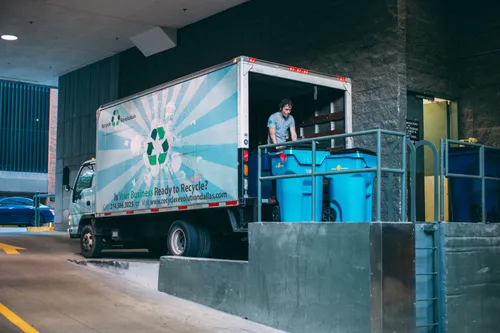
Recycle Revolution offers food waste and composting services for restaurants and businesses in Dallas, TX. They provide collection services and operate a community drop-off center that supports responsible resource recovery. The company focuses on fostering recycling and composting culture in North Texas and accepts a variety of materials including food scraps and hard-to-recycle items. With over 10 years of experience, Recycle Revolution is committed to environmental awareness and good neighborship.
The Organic Recycler - Mulch, Compost, Soil & More
13001 Old Denton Rd, Keller, TX 76262
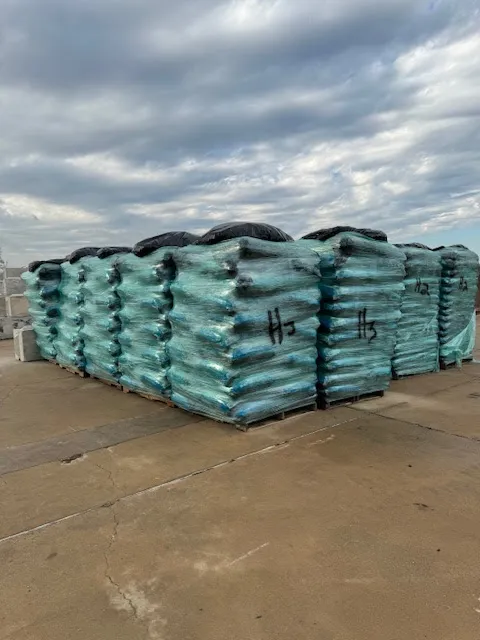
The Organic Recycler - Mulch, Compost, Soil & More is based in Keller, TX, and provides a range of landscaping products and services. They specialize in supplying mulch, soils, compost, and aggregates, along with land clearing services for projects of various sizes. The company also recycles food and liquid waste to create sustainable organic landscaping materials. Founded in 2014, The Organic Recycler serves the DFW area, Austin, and Oklahoma, offering dependable delivery and a blower application service to assist with larger jobs.
Understanding Grand Prairie's Waste Service Framework
The City of Grand Prairie requires all businesses to have garbage service, which is often fulfilled through city-contracted haulers. This foundational service handles general solid waste but is not designed for the specific separation and processing required for food scraps and compostable materials. The city offers a curbside recycling program for an additional fee, but this program is intended for traditional recyclables like cardboard, paper, and bottles-not for commercial-scale organics collection. Therefore, restaurants aiming to compost must look beyond the standard municipal offerings.
This structure places the responsibility for organic waste management squarely on the business owner. It requires researching, contracting, and managing a separate service stream. While this adds a layer of complexity, it also allows for flexibility. Businesses can choose a provider and service plan that matches their specific volume, frequency, and budgetary needs, rather than being locked into a one-size-fits-all city program.
Partnering with Private Haulers for Organics
The most common path for restaurants in Grand Prairie to handle food waste is through private waste and recycling companies. Major national providers like Waste Management and Republic Services, as well as regional operators, offer commercial organics collection services. The process begins by contacting these providers directly for a quote. It's advisable to get proposals from several companies to compare costs, service schedules, and specific program guidelines.
Eligibility is typically straightforward; any business within Grand Prairie can apply for private commercial service. The hauler will assess your needs based on factors like your weekly volume of food waste, available space for containers, and desired pickup frequency. They will then recommend a service plan. It's crucial during these discussions to confirm the hauler's specific "acceptable materials" list for their organics stream, as requirements can vary between processors.
Container Options and Pickup Schedules
Private haulers provide the necessary containers for collected organic material. For restaurant volumes, these are typically larger wheeled carts (often 64 or 96 gallons) or dedicated dumpsters ranging from 2 to 8 cubic yards. Carts are easier to maneuver and may be suitable for kitchens with limited alley space, while dumpsters accommodate higher volumes. Your provider will help determine the right size to prevent overflow and minimize pickup frequency.
Pickup schedules are customizable. A busy restaurant generating significant food prep waste may require service multiple times per week, while a smaller café might manage with a weekly collection 1. Frequency is a key driver of cost, so an accurate assessment of your waste generation is essential for budgeting. Consistent, reliable pickup is vital to maintain hygiene and prevent odors, especially in the Texas heat.
Critical Guidelines for Contamination Control
The success of any food waste recycling program hinges on keeping the organics stream clean. Contamination-the presence of non-compostable items-can ruin entire batches of compost and lead to service issues or additional charges from your hauler.
Acceptable materials in a commercial organics bin generally include:
- All food scraps (fruits, vegetables, meat, bones, dairy, bread)
- Coffee grounds and filters
- Food-soiled paper (napkins, paper towels, uncoated paper plates)
- Certified compostable serviceware (if explicitly accepted by your hauler's processor) 2
Strictly unacceptable materials (contaminants) include:
- Plastic bags (unless they are certified compostable and accepted by your hauler)
- Liquids, oils, and grease
- Glass, metal, or plastic of any kind
- Styrofoam and other packaging materials
- Traditional trash or hazardous waste 3 4 5
Clear signage and ongoing staff education are the best defenses against contamination. Consider placing pictorial guides above collection bins to remind team members what goes where.
Find the perfect composting & food waste companies for your needs
Get personalized recommendations and expert advice
Analyzing Costs for Food Waste Services
Investing in a dedicated organics collection service represents an additional line item in your operational budget. Costs are not fixed and can vary widely based on several factors.
The base rate for standard city garbage service starts at approximately $29 per month for a minimal container, but this is for general trash only 6. Adding organics recycling is a separate and typically more expensive service. Your final price will depend on:
- Container Size: A larger dumpster costs more than a cart.
- Pickup Frequency: More collections per week increase the cost.
- Location: Some haulers may apply surcharges for services south of I-20.
- Provider and Market Rates: Prices can differ between competing companies.
As a rough estimate, restaurants should be prepared for monthly costs in the hundreds of dollars for a dedicated food waste service, depending on their size and volume. While this is an expense, it can be offset by potential reductions in the size or frequency of your general trash service, as diverting heavy, wet organics lightens your standard dumpster.
Steps to Launch Your Program
- Conduct a Waste Audit: Spend a week tracking how much food waste your kitchen produces. This data is invaluable when speaking with service providers.
- Research and Contact Haulers: Reach out to at least three private waste companies (e.g., Waste Management, Republic Services, Patriot Waste) to request quotes for commercial organics collection.
- Review Proposals Carefully: Compare not just price, but also the specifics of accepted materials, container provision, pickup schedules, and contract terms.
- Plan Your Internal Logistics: Decide where collection bins will be placed in the kitchen and dining areas. Order clear signage and educate your entire staff before the service starts.
- Formalize and Notify: Sign a contract with your chosen provider. If you are in a leased space, you may need to complete a landlord/tenant notification form provided by the city or your hauler 7.
Implementing a food waste composting program is a tangible step toward sustainability. It demonstrates environmental responsibility to your customers, can reduce your landfill contribution significantly, and supports the creation of nutrient-rich compost for local agriculture. By taking charge of your organic waste stream, your Grand Prairie restaurant contributes to a more circular economy right here in North Texas.