Find the Best Composting & Food Waste Companies for Your Business
No obligation • Fast responses • Nationwide coverage

Why you can trust Restaurant Waste Disposal
Restaurant Waste Disposal is a leading U.S. resource for comparing restaurant composting, food-waste recycling, grease trap cleaning, and used cooking oil collection services. Our editorial team researches providers, checks credentials, and organizes unbiased information so operators can make informed decisions. Companies cannot pay to change ratings or placement.
Search providers near you
Top Composting & Food Waste Companies in Frisco, Texas Ranked
For Frisco restaurants, managing food scraps and organic waste is a key component of both operational efficiency and environmental responsibility. While the City of Frisco promotes waste reduction and provides resources for residents, commercial food waste diversion for businesses primarily operates through private service providers. Navigating the landscape of organic recycling and composting services requires understanding the available private haulers, state guidelines for contamination, and the steps to implement a successful program tailored to your restaurant's volume and needs.
Implementing a food scrap diversion program can transform waste management from a cost center into a demonstration of your establishment's commitment to sustainability.
Understanding Commercial Food Waste Diversion in Frisco
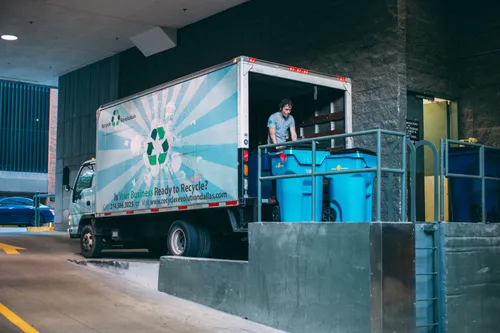
Unlike some municipalities with mandated commercial organics collection, Frisco relies on a network of private waste and recycling companies to provide these specialized services to restaurants. This means the onus is on business owners to seek out, contract with, and manage a relationship with a hauler that offers food waste collection. The process involves diverting acceptable organic materials-like food scraps, soiled paper, and certified compostable products-away from the landfill to a facility that will process them into compost or other beneficial soil amendments.
The benefits for restaurants are multifaceted. Beyond the clear environmental advantage of reducing landfill methane emissions, many businesses find that separating organics can lead to reduced trash volume and potentially lower general waste hauling costs. Furthermore, a visible composting program resonates with a growing segment of eco-conscious consumers, enhancing your restaurant's brand and community standing 1.
Available Services for Frisco Restaurants
Frisco restaurants have several pathways to manage their organic waste, though direct municipal commercial pickup is not currently one of them.
Private Hauling Services This is the primary method for most restaurants. Major national waste management companies like Republic Services and Waste Management, as well as regional or local specialty composters, offer commercial food waste collection programs. These services are highly customizable:
- Containers: Providers typically supply dedicated bins, such as 32, 64, or 96-gallon rolling carts, or even larger dumpsters, depending on your weekly volume.
- Schedules: Pickup frequency is negotiated, ranging from multiple times per week to weekly service, based on your generation rate and container size.
- Logistics: Reputable haulers will help you set up a system that works in your kitchen's workflow, which may include providing compostable liner bags for smaller collection pails.
Resident-Focused Drop-Off Options The City of Frisco operates free drop-off locations like the Environmental Collection Center for residents to bring food scraps 2. While this is not a scalable solution for a commercial kitchen's daily output, it can be a useful resource for very small establishments or for educating staff about the composting process. It's important to note these facilities are intended for residential use, and commercial quantities typically require a private contract.
Find the perfect composting & food waste companies for your needs
Get personalized recommendations and expert advice
Key Steps to Launching Your Program
Starting a food waste diversion program requires planning and internal buy-in. Follow these steps to ensure a smooth rollout.
- Assess Your Waste Stream: Conduct a brief waste audit over a few days to estimate how much food waste and compostable packaging your kitchen produces. This data is crucial when speaking with service providers.
- Contact Service Providers: Reach out to several private haulers for quotes. Be prepared to discuss your estimated volume, desired pickup schedule, and need for equipment (bins, liners). Costs can vary widely, often ranging from $50 to over $300 per month, depending on these factors 3.
- Understand Accepted Materials & Contamination: Contamination is the biggest hurdle for successful composting. Work with your hauler to get a clear list of accepted items. Generally, this includes:
- Fruit and vegetable scraps
- Eggshells and coffee grounds
- Bread and grains
- Paper towels, napkins, and uncoated paper (without plastic layers)
- BPI-certified compostable containers and utensils
- Crucially, you must exclude: plastics, glass, metals, styrofoam, and any "compostable" items not certified for industrial facilities 4.
- Train Your Staff Thoroughly: The success of the program depends on your kitchen and front-of-house teams. Hold training sessions, use clear signage above bins in both English and Spanish, and consider appointing a "green champion" to monitor sorting and answer questions. The Texas Department of State Health Services (DSHS) provides guidelines for retail food establishments that emphasize proper waste handling and facility sanitation 5 6.
Navigating Costs and Logistics
The investment in organic waste recycling is an operational decision with variable costs. Pricing models from private haulers usually depend on bin size, pickup frequency, and transportation distance to the nearest processing facility. You may encounter per-pickup fees or a monthly subscription rate. When evaluating quotes, consider the potential for reduced trash service frequency or smaller trash dumpsters as you divert organics, which could offset some of the new cost.
Logistically, you'll need to design an efficient collection flow within your kitchen. This often involves placing small, lidded pails (with compostable liners) at prep stations and dishwashing areas, which are then emptied into a larger centralized cart or dumpster provided by the hauler. Ensuring this system is as simple as taking out the trash is key to long-term compliance.
Compliance and Best Practices
While Frisco does not mandate commercial food waste composting, adhering to best practices ensures your program is effective and hygienic.
- Storage: Keep outdoor compost containers tightly sealed to prevent odors and deter pests. Regular pickup schedules are essential, especially in warmer months.
- Partnership: Maintain open communication with your hauler. If contamination becomes an issue, they may reject a load, so proactive problem-solving is important.
- Continuous Improvement: Periodically review your waste stream and staff practices. Celebrate your diversion successes with your team and customers to maintain engagement.
By partnering with a private hauler and committing to staff education, Frisco restaurants can effectively divert food waste, contribute to a circular economy, and showcase their dedication to sustainable operations.
Frequently asked questions
Sources
Footnotes
-
What is Restaurant Composting? - Benefits & How It Works - https://www.webstaurantstore.com/article/60/restaurant-composting.html ↩
-
Reduce Wasted Food | Frisco, TX - Official Website - https://www.friscotexas.gov/1792/Reduce-Wasted-Food ↩
-
What do compost requirements mean for businesses? - https://pirg.org/oregon/articles/what-do-compost-requirements-mean-for-businesses/ ↩
-
Composting | US EPA - https://www.epa.gov/sustainable-management-food/composting ↩
-
Retail Food Establishments | Texas DSHS - https://www.dshs.texas.gov/retail-food-establishments ↩
-
Best Practices for Restaurant Waste Disposal | Bar & Restaurant - https://www.barandrestaurant.com/operations/best-practices-restaurant-waste-disposal ↩