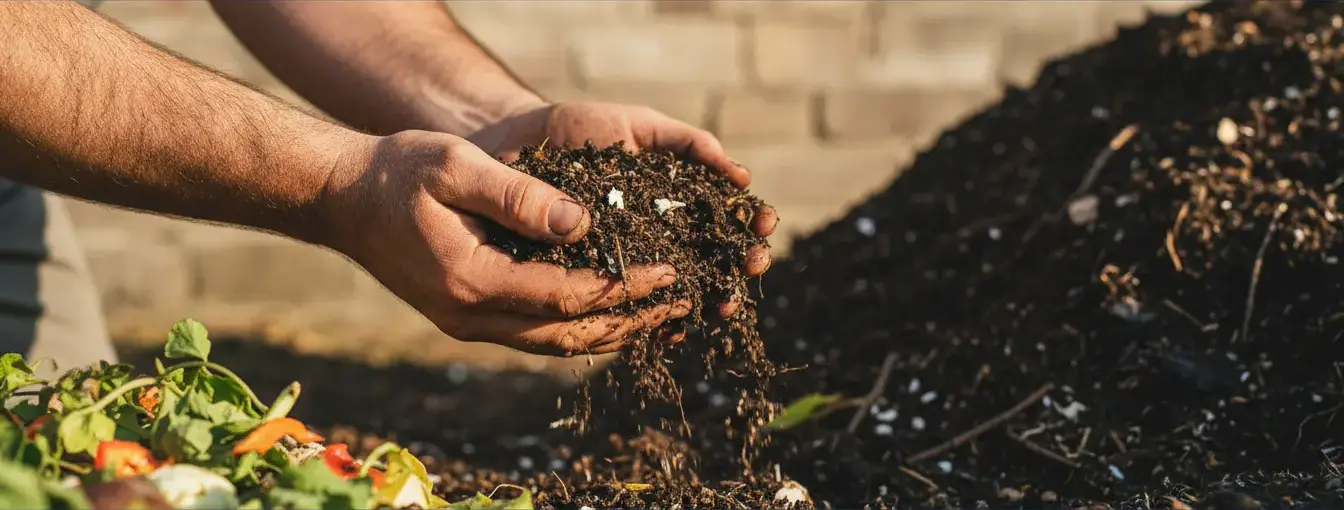
Find the Best Composting & Food Waste Companies for Your Business
No obligation • Fast responses • Nationwide coverage

Why you can trust Restaurant Waste Disposal
Restaurant Waste Disposal is a leading U.S. resource for comparing restaurant composting, food-waste recycling, grease trap cleaning, and used cooking oil collection services. Our editorial team researches providers, checks credentials, and organizes unbiased information so operators can make informed decisions. Companies cannot pay to change ratings or placement.
Search providers near you
Top Composting & Food Waste Companies in Fort Worth, Texas Ranked
For restaurants and food service businesses in Fort Worth, managing organic waste is both an operational necessity and a significant sustainability opportunity. While the city offers limited municipal composting options for residents, commercial entities like restaurants primarily navigate a landscape of private haulers who provide specialized food waste collection and recycling services. These services are designed to divert organic material from landfills, reduce your environmental footprint, and can contribute to a greener community image. Understanding the available pathways for food scrap diversion, from private subscription services to potential pilot programs, is the first step in implementing an effective and compliant organic waste management strategy.
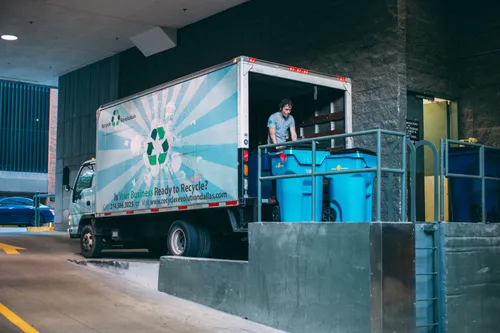
Recycle Revolution
6835 Forest Park Rd, Dallas, TX 75235
Recycle Revolution offers food waste and composting services for restaurants and businesses in Dallas, TX. They provide collection services and operate a community drop-off center that supports responsible resource recovery. The company focuses on fostering recycling and composting culture in North Texas and accepts a variety of materials including food scraps and hard-to-recycle items. With over 10 years of experience, Recycle Revolution is committed to environmental awareness and good neighborship.
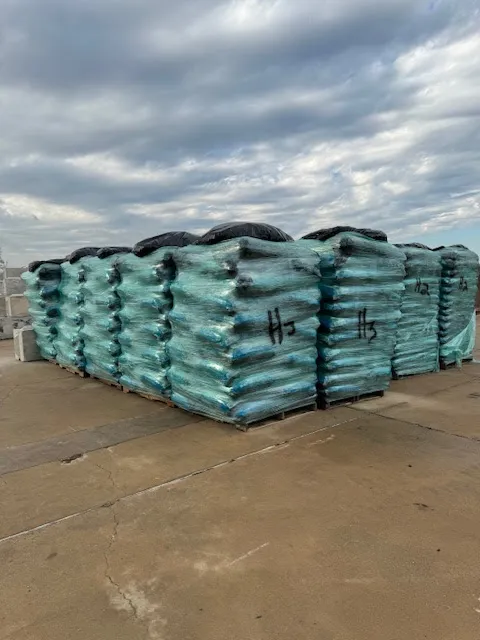
The Organic Recycler - Mulch, Compost, Soil & More
13001 Old Denton Rd, Keller, TX 76262
The Organic Recycler - Mulch, Compost, Soil & More is based in Keller, TX, and provides a range of landscaping products and services. They specialize in supplying mulch, soils, compost, and aggregates, along with land clearing services for projects of various sizes. The company also recycles food and liquid waste to create sustainable organic landscaping materials. Founded in 2014, The Organic Recycler serves the DFW area, Austin, and Oklahoma, offering dependable delivery and a blower application service to assist with larger jobs.
Navigating Commercial Food Waste Solutions in Fort Worth
The cornerstone of restaurant food waste management in Fort Worth is the network of private composting and organics recycling companies. These providers fill the gap left by municipal services, which are currently focused on residential pilots. Partnering with a private hauler offers a tailored approach, ensuring your specific volume, schedule, and contamination requirements are met.
Key Private Service Providers
Several established companies serve the Dallas-Fort Worth metroplex, bringing reliable organic waste collection to local businesses.
- Moonshot Compost: A provider offering commercial food waste collection services across the DFW area, including Fort Worth. They work with various business types, from restaurants to schools, providing customized containers and pickup schedules 1.
- Turn Compost: A Dallas-based service that extends its operations throughout the DFW region. They focus on turning food scraps into nutrient-rich compost, offering a clear diversion solution for commercial food waste generators.
These companies handle the logistics, from container supply to final processing, allowing you to focus on your core operations while meeting sustainability goals.
Service Structure and Logistics
Engaging with a private hauler involves a straightforward process designed for commercial efficiency.
- Eligibility and Registration: Any commercial entity that generates food waste is eligible. The process typically begins by contacting the provider for a quote and registering for service.
- Containers and Supplies: Providers supply appropriate collection containers, which can range from small buckets with compostable liners for kitchen scraps to larger wheeled carts for bulk waste. They ensure you have the right tools to separate waste effectively at the source.
- Pickup Schedules: Services are highly flexible. Pickup frequency (e.g., weekly, bi-weekly, or more often) is customized based on your establishment's waste generation volume and storage capacity 2.
Critical Guidelines: What Can and Cannot Be Composted
Adherence to contamination rules is paramount for successful commercial composting. Contaminated loads can be rejected, negating your sustainability efforts and potentially incurring fees. While guidelines can vary slightly by hauler, common rules include:
- Accepted Materials: Fruit and vegetable scraps, coffee grounds and filters, tea bags, eggshells, and plain bread products are typically accepted.
- Strictly Prohibited Materials: Plastics, glass, metals, Styrofoam, and pet waste are never allowed. Most commercial programs also exclude raw meats, bones, fats, oils, and greases (FOG) from food scrap bins, as these require specialized handling. Grease trap waste and used cooking oil are separate waste streams often managed by dedicated rendering or recycling services.
Find the perfect composting & food waste companies for your needs
Get personalized recommendations and expert advice
Understanding Costs and Investment
For restaurants, investing in food waste diversion is a operational cost with potential long-term benefits. Pricing for private commercial services is not standardized and is typically quoted on a case-by-case basis.
- Pricing Model: Costs are usually subscription-based, varying with the level of service required. Factors influencing the monthly fee include collection frequency, the volume and type of containers used, and the total weight or volume of material collected 3.
- Residential Context: For comparison, the city's residential pilot program involves a small sign-up fee (around $20 for a starter kit) and potential nominal recurring fees 4 5. Commercial costs are understandably higher, reflecting the dedicated equipment, labor, and processing required for business-scale operations.
- Value Proposition: Beyond fee structures, consider the value in waste hauling cost savings (by reducing trash volume), enhanced sustainability branding, and contributing to the local circular economy.
The Residential Pilot Program: A Separate Pathway
It's important for businesses to distinguish their options from those available to residents. The City of Fort Worth, through its Environmental Services department, has launched an innovative residential food scrap composting pilot program 6. This program allows residents to sign up, receive a starter kit (including a 5-gallon bucket and countertop pail), and drop off their acceptable food scraps at designated locations. This initiative is a significant step for community sustainability but is not designed to handle the volume or composition of waste generated by a restaurant 6. Restaurant operators should not rely on this channel for commercial disposal.
Steps to Implement a Food Waste Program
Starting a food waste diversion program in your restaurant involves planning and internal coordination.
- Contact Private Haulers: Reach out to providers like Moonshot Compost or Turn Compost to discuss your needs, request a quote, and understand their specific service agreements.
- Inquire About Emerging Programs: Stay informed by checking with organizations like Fort Worth Beautiful or the City's Environmental Services department for any new commercial food waste initiatives or resources that may become available 7 8.
- Train Your Staff: Implementation success hinges on your team. Develop clear, simple protocols for what goes into the compost bin versus the trash or grease collection. Consistent training is key to avoiding contamination.
The Broader Impact of Food Waste Diversion
Choosing to compost is more than a waste management decision. For Fort Worth restaurants, it represents a commitment to environmental stewardship within the community. Diverting organic waste from landfills reduces methane emissions, a potent greenhouse gas. The end product-compost-can be used to enrich soil in local gardens, parks, and farms, closing the loop and supporting local green spaces 9. This action aligns with a growing consumer preference for supporting businesses with verifiable sustainable practices.
Frequently asked questions
Sources
Footnotes
-
Composting Collection Service for Schools & Colleges Across Texas - https://www.moonshotcompost.com/industries/schools ↩
-
Garbage Service - the City of Fort Worth - https://www.fortworthtexas.gov/departments/environmental-services/solidwaste/garbage ↩
-
Commercial Composting Services for Dallas Businesses - https://www.moonshotcompost.com/service-areas/dallas ↩
-
Fort Worth leads the way with innovative city food-composting program - https://fortworth.culturemap.com/news/innovation/residential-composting-program/ ↩
-
City of Fort Worth Composting Programs - NCTCOG - https://nctcog.org/getmedia/e0939dd7-549e-44b7-a06d-54f6025e836a/Fort-Worth-Presentation_7-12-21.pdf ↩
-
Residential Food Waste Composting Program - Welcome to the City of Fort Worth - https://www.fortworthtexas.gov/departments/environmental-services/solidwaste/food-scrap-compost ↩ ↩2
-
Fort Worth launches pilot composting program | Green Source Texas - https://www.greensourcetexas.org/articles/fort-worth-launches-pilot-composting-program ↩
-
Garbage & Recycling - the City of Fort Worth - https://www.fortworthtexas.gov/departments/environmental-services/solidwaste ↩
-
Turn Compost - Texan By Nature - https://texanbynature.org/projects/turn-compost/ ↩