Find the Best Composting & Food Waste Companies for Your Business
No obligation • Fast responses • Nationwide coverage

Why you can trust Restaurant Waste Disposal
Restaurant Waste Disposal is a leading U.S. resource for comparing restaurant composting, food-waste recycling, grease trap cleaning, and used cooking oil collection services. Our editorial team researches providers, checks credentials, and organizes unbiased information so operators can make informed decisions. Companies cannot pay to change ratings or placement.
Search providers near you
Top Composting & Food Waste Companies in Flower Mound, Texas Ranked
For restaurants and food service businesses in Flower Mound, managing organic waste is a critical operational and environmental consideration. While the town provides excellent residential waste services and promotes home composting education, commercial food waste diversion requires partnering with a private organic recycling service. Implementing a robust organics recycling program can significantly reduce landfill volume, lower waste disposal costs, and demonstrate a commitment to sustainability that resonates with the community. This guide outlines the local landscape for commercial food scrap recycling, from available service providers to best practices for successful implementation.
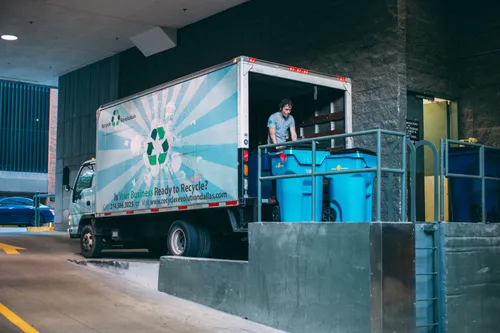
Recycle Revolution
6835 Forest Park Rd, Dallas, TX 75235
Recycle Revolution offers food waste and composting services for restaurants and businesses in Dallas, TX. They provide collection services and operate a community drop-off center that supports responsible resource recovery. The company focuses on fostering recycling and composting culture in North Texas and accepts a variety of materials including food scraps and hard-to-recycle items. With over 10 years of experience, Recycle Revolution is committed to environmental awareness and good neighborship.
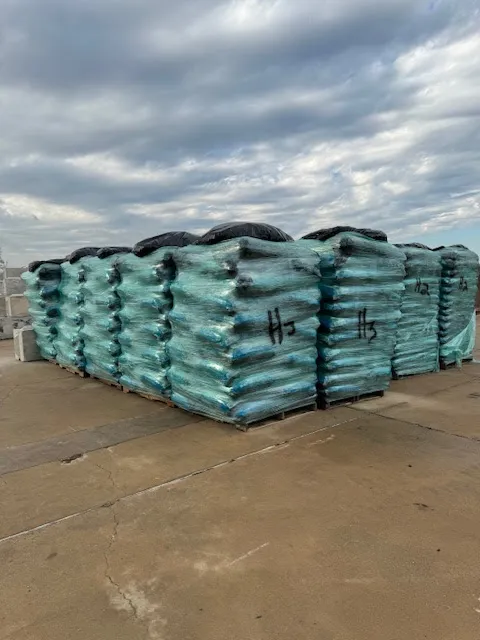
The Organic Recycler - Mulch, Compost, Soil & More
13001 Old Denton Rd, Keller, TX 76262
The Organic Recycler - Mulch, Compost, Soil & More is based in Keller, TX, and provides a range of landscaping products and services. They specialize in supplying mulch, soils, compost, and aggregates, along with land clearing services for projects of various sizes. The company also recycles food and liquid waste to create sustainable organic landscaping materials. Founded in 2014, The Organic Recycler serves the DFW area, Austin, and Oklahoma, offering dependable delivery and a blower application service to assist with larger jobs.
Understanding Commercial Organics Recycling in Flower Mound
The Town of Flower Mound contracts with Republic Services for municipal trash and recycling collection for residents. For homeowners, the town actively encourages composting yard trimmings and food scraps as a way to reduce waste and create nutrient-rich soil. However, this municipal service does not extend to commercial food waste collection for businesses. Restaurants, cafeterias, grocery stores, and other food-generating enterprises must seek out private haulers who specialize in commercial organics recycling. This service is distinct from standard trash removal and focuses on diverting organic material from landfills to commercial composting facilities where it is processed into usable compost1.
The benefits of partnering with a commercial food waste hauler are substantial. Beyond the clear environmental advantage, businesses can often see a reduction in their overall waste management costs. By separating heavy, wet food scraps from the general trash stream, you may be able to reduce the size or frequency of your dumpster service. Furthermore, participating in organics recycling enhances your brand's green credentials, which is increasingly important to customers and can contribute to certifications like LEED.
Available Service Providers and How to Choose One
A key player in the Central Texas commercial composting market is Break It Down Texas, which services businesses and multi-family properties. It is essential to confirm their specific service area includes Flower Mound. Other local and regional haulers also operate in the DFW area. When searching for a provider, use terms like "commercial food waste collection Flower Mound TX" to find current options.
Eligibility for these services is broad; any business that generates food waste is a candidate. Providers typically supply all necessary equipment, which can range from 32-gallon carts to 64-gallon wheeled bins or even larger containers, depending on your volume. Collection schedules are designed for commercial needs, often offering daily or multiple-times-weekly pickups to manage odor and space constraints in a kitchen environment. The most critical component of a successful program is contamination control-ensuring only acceptable materials go into the compost bin.
Key Questions for Potential Providers
- Service Area: Do you reliably service businesses in Flower Mound, TX?
- Container Options: What bin sizes do you provide, and can we swap them as our needs change?
- Collection Schedule: What pickup frequencies are available (e.g., daily, 3x/week)?
- Acceptable Materials: What specific food scraps and compostable products do you accept? What are the strict prohibitions (e.g., plastic, glass, styrofoam)?
- Training & Support: Do you provide staff training materials or on-site guidance to launch the program?
- Pricing Structure: Can you provide a detailed quote based on bin size and pickup frequency?
Find the perfect composting & food waste companies for your needs
Get personalized recommendations and expert advice
Implementing a Successful Food Waste Program
Once you've selected a hauler, proper implementation is the key to long-term success. The cornerstone of any program is clear, consistent staff training. Employees must understand what goes into the compost bin versus the trash or recycling. Acceptable materials generally include fruit and vegetable scraps, meat and dairy products, bones, coffee grounds with filters, tea bags, and certified compostable paper products. Contaminants like plastic wrap, rubber bands, and conventional packaging must be kept out, as they can ruin an entire load of compost.
Your hauler will provide specific guidelines, but the principles are similar to home composting: balancing "greens" (nitrogen-rich food scraps) and "browns" (carbon-rich materials like soiled paper napkins or cardboard). In a commercial setting, covering food scraps with a layer of approved brown material in the bin can significantly help manage odors and pests. Place collection bins strategically in food prep and dishwashing areas to make sorting easy and intuitive for staff during their workflow.
Costs and Operational Considerations
The cost for commercial food waste pickup in Flower Mound is not standardized and varies by provider. Pricing is typically a monthly fee based on two primary factors: the size of the container provided and the frequency of collection2 3. For a small to mid-sized restaurant, costs might range from approximately $75 to over $300 per month. It's important to request a detailed quote that breaks down these variables. While this is a new line item, the overall financial impact should be evaluated holistically. Diverting heavy organics can reduce the volume of your regular trash, potentially allowing you to downsize your trash dumpster or reduce pickup frequency, offsetting some of the composting service cost.
Before signing a contract, inquire directly with providers about their contamination policy, what happens if a load is rejected, and how they report diversion metrics. Many services provide regular reports on the weight of material diverted, which is valuable for tracking your sustainability goals and marketing your efforts.
Beyond Pickup: Alternative and Supplemental Strategies
For businesses generating smaller amounts of food waste, or as a supplement to a pickup service, on-site composting is an option to explore. The Town of Flower Mound provides resources on home composting methods, such as using enclosed tumblers or bins, which can be adapted for some commercial settings with adequate outdoor space4. This method involves actively managing piles by layering food scraps with "browns" like leaves or shredded paper and requires periodic aeration5.
Another impactful strategy is source reduction. Conducting a waste audit can help identify where food waste is originating-is it spoilage, trim waste, or plate waste? Addressing these issues through improved inventory management, adjusted portion sizes, or creative menu planning can reduce the volume of waste you need to manage from the outset. Donating untouched, safe-to-eat food to local shelters or food banks through partners like the Tarrant Area Food Bank is another excellent way to divert waste and support the community.
Frequently asked questions
Sources
Footnotes
-
Restaurant Waste Management | Restaurant Waste Collection - https://businesswaste.com/sectors/restaurant-waste/ ↩
-
Trash/Recycling | Flower Mound, TX - Official Website - https://www.flowermound.gov/2052/TrashRecycling ↩
-
Composting for Business, Office, Multifamily | LEED Certification - https://breakitdowntexas.com/composting/ ↩
-
Compost | Flower Mound, TX - Official Website - https://www.flowermound.gov/2624/Compost ↩
-
Composting At Home | US EPA - https://www.epa.gov/recycle/composting-home ↩