Find the Best Composting & Food Waste Companies for Your Business
No obligation • Fast responses • Nationwide coverage

Why you can trust Restaurant Waste Disposal
Restaurant Waste Disposal is a leading U.S. resource for comparing restaurant composting, food-waste recycling, grease trap cleaning, and used cooking oil collection services. Our editorial team researches providers, checks credentials, and organizes unbiased information so operators can make informed decisions. Companies cannot pay to change ratings or placement.
Search providers near you
Top Composting & Food Waste Companies in Denton, Texas Ranked
For restaurants and food service businesses in Denton, managing organic waste is a critical operational and environmental consideration. While the city provides foundational solid waste services, effective food scrap diversion often requires engaging with specialized private providers. Navigating the landscape of organics recycling involves understanding local regulations, service options, and best practices to reduce landfill impact and potentially lower waste costs. This guide outlines the pathways available for commercial food waste management in Denton, from municipal requirements to private composting solutions.
The City of Denton mandates weekly trash and recycling collection for commercial entities, a service managed by the Public Works Department. This foundational system is designed for general solid waste and single-stream recycling. However, dedicated municipal curbside composting for food scraps is not a standard city-wide offering for businesses, directing establishments with significant organic waste to seek specialized contracts. This structure means restaurants must often proactively arrange for separate organics hauling to achieve meaningful food waste diversion goals.
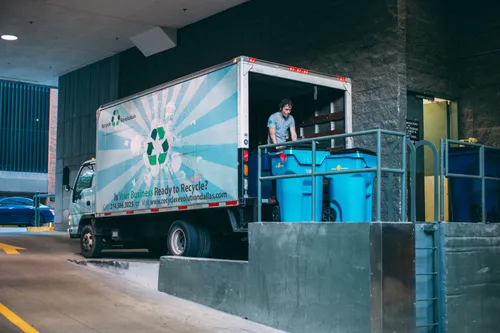
Recycle Revolution
6835 Forest Park Rd, Dallas, TX 75235
Recycle Revolution offers food waste and composting services for restaurants and businesses in Dallas, TX. They provide collection services and operate a community drop-off center that supports responsible resource recovery. The company focuses on fostering recycling and composting culture in North Texas and accepts a variety of materials including food scraps and hard-to-recycle items. With over 10 years of experience, Recycle Revolution is committed to environmental awareness and good neighborship.
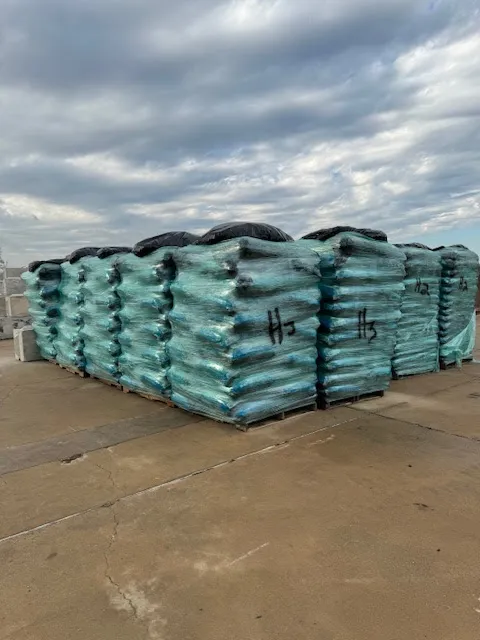
The Organic Recycler - Mulch, Compost, Soil & More
13001 Old Denton Rd, Keller, TX 76262
The Organic Recycler - Mulch, Compost, Soil & More is based in Keller, TX, and provides a range of landscaping products and services. They specialize in supplying mulch, soils, compost, and aggregates, along with land clearing services for projects of various sizes. The company also recycles food and liquid waste to create sustainable organic landscaping materials. Founded in 2014, The Organic Recycler serves the DFW area, Austin, and Oklahoma, offering dependable delivery and a blower application service to assist with larger jobs.
Understanding Your Service Options: Municipal vs. Private
Navigating food waste management begins with knowing who provides what services. In Denton, the responsibility is typically shared between city services and private waste management companies.
- City of Denton Public Works: The city's role is primarily focused on ensuring compliance with basic sanitation codes through mandatory weekly trash and recycling pickup 1. They provide the containers and schedule for these streams. For inquiries about any city-supported organics pilot programs or specific rules, contacting Public Works directly is the recommended first step.
- Private Waste and Composting Haulers: For dedicated organics recycling, businesses contract with private service providers. These can be national companies like Waste Management or Republic Services, or local and regional specialists who focus exclusively on compostable materials 2. These private contracts are where you'll find tailored services for food scraps, used cooking oil, and grease trap waste, often bundled together.
Eligibility and Program Rules for Businesses
Virtually all commercial entities in Denton generating solid waste are eligible for and required to have waste services. The key is defining which services are necessary for your operation.
- Mandatory Services: All restaurants must have a contract for weekly trash collection. Recycling service is also typically required by city ordinance.
- Voluntary Organics Diversion: Participating in a food waste composting program is generally a voluntary, contracted addition to your basic services. It demonstrates a commitment to sustainability and can align with corporate environmental goals.
- Prohibited Materials: Strict rules apply to all waste streams. For general trash and recycling, prohibited items include liquids, hazardous materials, electronics, and appliances. These rules are even more critical for composting, as contamination can ruin an entire load of organics.
Container Types and Setup
Proper separation starts with the right containers. Service providers supply specific bins to keep waste streams distinct and manageable.
- Standard Issue: For city trash and recycling, businesses commonly use large, wheeled carts (e.g., 96-gallon) or dumpsters ranging from 2 to 8 cubic yards.
- Organics Collection: When you contract for food waste pickup, the hauler will typically provide a separate container, often color-coded (commonly green or brown) to distinguish it from trash and recycling bins. These are designed to handle food scraps and compostable paper products.
- Kitchen Setup: Successful programs often involve placing smaller collection pails or bins in food prep and dishwashing areas for staff to conveniently separate scraps from the moment they are generated.
Scheduling and Pickup Frequency
Pickup schedules are tailored to your business's volume and needs, preventing overflow and maintaining hygiene.
- City Minimum: The City of Denton requires a minimum of weekly pickup for commercial trash and recycling.
- Private Hauler Flexibility: For food waste, private haulers offer customizable schedules. A busy restaurant might require pickups two to three times per week, while a smaller café might manage with once-weekly service. Frequency directly impacts cost and container size needs.
Critical Contamination Guidelines
Contamination is the biggest challenge for successful composting. Following clear guidelines ensures your food waste is processed correctly.
- What's IN (Typically): Fruit and vegetable scraps, coffee grounds and filters, tea bags (without staples), eggshells, nutshells, and uncoated paper products like napkins, paper towels, and pizza boxes (if free of wax coating). Always confirm specific accepted items with your hauler.
- What's OUT (Absolutely):
- Liquids: No soups, oils, or beverages.
- Plastics: No plastic bags, wrappers, or utensils-even if labeled "biodegradable," unless they are certified compostable by a recognized standard (e.g., BPI).
- Other Contaminants: No glass, metal, Styrofoam, rubber bands, or hazardous materials 3.
- "Compostable" Service Ware: Only if your hauler explicitly accepts them. Many industrial composting facilities do not process these items.
Find the perfect composting & food waste companies for your needs
Get personalized recommendations and expert advice
Costs and Contract Considerations
Investing in organics recycling involves understanding the fee structure, which varies significantly based on several factors.
- Primary Cost Drivers: Your monthly fee will depend on the size of the collection container, the frequency of pickup, and the total volume of material generated. A high-volume restaurant will naturally pay more than a low-volume office café 4.
- Potential for Savings: While adding a service incurs a cost, businesses may offset some expense by reducing the size or frequency of their trash dumpster, as diverted organics no longer take up landfill space. Some providers offer bundled pricing for multiple services (e.g., grease trap cleaning and used cooking oil collection).
- Getting Quotes: It is essential to get detailed quotes from several private haulers operating in Denton. Be prepared to discuss your average weekly waste volume to receive accurate pricing.
Actionable Steps for Denton Restaurants
Ready to implement or improve your food waste program? Follow these steps:
- Conduct a Waste Audit: Spend a week tracking what you throw away. Identify how much is compostable food scraps versus trash and recycling. This data is invaluable when speaking with service providers.
- Contact City Public Works: Reach out to the City of Denton's Commercial Trash & Recycling division to understand your baseline requirements and inquire if there are any local organics initiatives or resources 5.
- Research and Contact Private Haulers: Identify and contact at least three private waste management companies that offer commercial food waste composting services in the Denton area. Ask for service details, contamination rules, and a formal quote based on your audit findings.
- Train Your Staff: The success of any program depends on your team. Develop clear, simple guidelines, label bins with pictures, and hold training sessions to ensure everyone understands how to separate materials correctly.
- Monitor and Adjust: After implementation, regularly check your organics bin for contamination. Provide feedback to staff and adjust your internal processes as needed to maintain a clean, valuable compost stream.
Frequently asked questions
Sources
Footnotes
-
Commercial Trash & Recycling - https://www.cityofdenton.com/356/Commercial-Trash-Recycling ↩
-
Refuse Collection - Denton Public Works - https://dentonpublicworks.com/refuse/ ↩
-
Composting | US EPA - https://www.epa.gov/sustainable-management-food/composting ↩
-
Denton's Guide To Commercial Composting Compliance Contracts - https://www.myshyft.com/blog/commercial-composting-pickup-service-contracts-denton-texas/ ↩
-
Commercial Trash & Recycling - Denton, TX - https://www.cityofdenton.com/356/Commercial-Trash-Recycling ↩