Find the Best Composting & Food Waste Companies for Your Business
No obligation • Fast responses • Nationwide coverage

Why you can trust Restaurant Waste Disposal
Restaurant Waste Disposal is a leading U.S. resource for comparing restaurant composting, food-waste recycling, grease trap cleaning, and used cooking oil collection services. Our editorial team researches providers, checks credentials, and organizes unbiased information so operators can make informed decisions. Companies cannot pay to change ratings or placement.
Search providers near you
Top Composting & Food Waste Companies in Coppell, Texas Ranked
For restaurants and food service businesses in Coppell, managing organic waste effectively is a key component of operational efficiency and environmental responsibility. While the City of Coppell provides clear guidelines for residential trash, recycling, and yard waste collection, commercial entities like restaurants are responsible for arranging their own organic waste recycling services through private haulers. Navigating the options for food scrap collection, understanding contamination rules, and selecting the right container and schedule are essential steps for any establishment looking to implement a successful composting program. This guide outlines the actionable steps and considerations for Coppell-based restaurants to divert food waste from the landfill.
The first and most critical step is to contact commercial waste service providers directly. Major national haulers like Republic Services and Waste Management, as well as regional providers, offer tailored commercial organic recycling programs. These programs are designed to handle the volume and composition of waste generated by restaurants. When reaching out for a quote, be prepared to discuss your establishment's specific needs, including average weekly volume of food scraps, current waste disposal costs, and available space for additional containers.
Recycle Revolution
6835 Forest Park Rd, Dallas, TX 75235
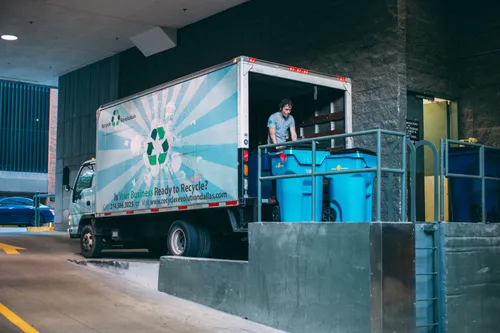
Recycle Revolution offers food waste and composting services for restaurants and businesses in Dallas, TX. They provide collection services and operate a community drop-off center that supports responsible resource recovery. The company focuses on fostering recycling and composting culture in North Texas and accepts a variety of materials including food scraps and hard-to-recycle items. With over 10 years of experience, Recycle Revolution is committed to environmental awareness and good neighborship.
The Organic Recycler - Mulch, Compost, Soil & More
13001 Old Denton Rd, Keller, TX 76262
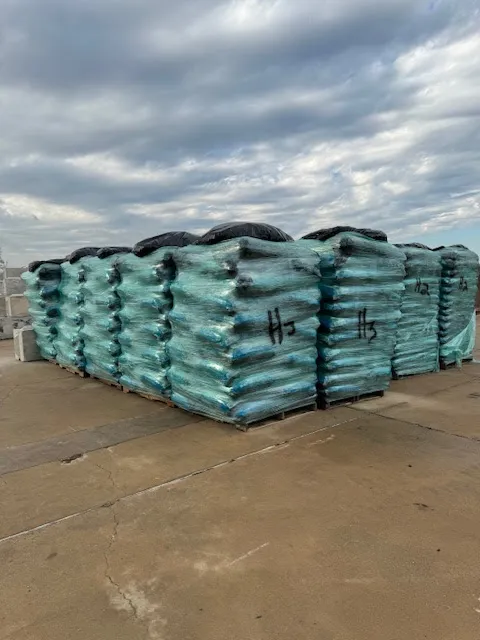
The Organic Recycler - Mulch, Compost, Soil & More is based in Keller, TX, and provides a range of landscaping products and services. They specialize in supplying mulch, soils, compost, and aggregates, along with land clearing services for projects of various sizes. The company also recycles food and liquid waste to create sustainable organic landscaping materials. Founded in 2014, The Organic Recycler serves the DFW area, Austin, and Oklahoma, offering dependable delivery and a blower application service to assist with larger jobs.
Understanding Commercial vs. Residential Services
It's important to distinguish between the services offered by the City of Coppell and those available from private contractors. The city's sanitation department manages residential curbside collection, with trash picked up twice a week and recycling/yard waste collected on Wednesdays. For residents interested in backyard composting, Keep Coppell Beautiful offers subsidized compost bins, but this initiative is not designed for commercial-scale food waste 1.
For restaurants, the process is different. You must contract directly with a licensed commercial hauler. These companies provide the necessary equipment, such as dedicated dumpsters or locked rolling carts, and establish a pickup frequency that matches your kitchen's output. This commercial approach ensures that food waste is collected in volumes suitable for processing at industrial composting facilities, which can handle items like meat, bones, and dairy that aren't typically recommended for backyard piles.
Key Questions to Ask Your Hauler
When evaluating potential service providers for your food waste recycling, come prepared with specific questions to ensure the program fits your operation. The answers will form the foundation of your waste diversion plan.
Service Eligibility & Setup: Confirm that the hauler services restaurants in Coppell and ask about the sign-up process. Inquire about the lead time for container delivery and service start date.
Container Options: Discuss the types and sizes of containers available. Common options include 64-gallon wheeled carts with locking lids (to deter pests) or larger dumpsters ranging from 2 to 8 cubic yards. The choice will depend on your kitchen's space constraints and weekly food scrap volume.
Collection Schedule: Determine pickup frequency. This could range from daily for very high-volume establishments to once or twice a week for smaller cafes. Aligning the schedule with your busiest prep and cleanup days is crucial to avoid overflow and odor.
Accepted Materials & Contamination Rules: This is perhaps the most important area. Get a detailed list of what is and is not accepted. Typically, accepted items include all food scraps (fruits, vegetables, meat, fish, bones, dairy, bread, coffee grounds/filters), compostable paper products (like certified compostable liners, napkins, and paper towels), and waxed cardboard. Common contaminants that must be excluded are plastic bags (unless they are certified compostable), glass, metal, Styrofoam, and liquids like cooking oil or grease 2.
Pricing Structure: Request a detailed cost breakdown. Pricing is usually based on container size and pickup frequency. Ask if there are any start-up fees, monthly service charges, or cost savings for committing to a longer contract. It's also wise to ask if diverting food waste could potentially reduce the frequency or cost of your regular trash service.
Find the perfect composting & food waste companies for your needs
Get personalized recommendations and expert advice
Implementing an Effective Kitchen Program
Securing a hauler is only half the battle; successful implementation requires staff training and thoughtful kitchen workflow. Start by placing clearly labeled collection bins in key areas: on the prep line, near the dishwashing station, and in any area where food trimming occurs. Use visuals or multilingual signage to remind staff what goes in the compost bin versus the trash or recycling.
Engage your team from the beginning. Explain the why behind the program-reducing landfill impact, potentially lowering waste costs, and contributing to a community sustainability effort. Designate a "green champion" or manager to monitor the bins for contamination, which can lead to rejected loads and additional fees from your hauler. Regularly auditing your waste stream can also help you identify opportunities for source reduction, such as adjusting purchasing or prep practices to minimize trim waste in the first place.
The Benefits of Diverting Food Waste
Beyond the environmental good, a robust food waste diversion program offers tangible benefits for your restaurant. It demonstrates a commitment to sustainability that resonates with a growing segment of conscientious customers. Properly managing organic waste can also improve kitchen hygiene by reducing the volume of putrescible material in your regular trash dumpsters, which can attract pests and create odors. Furthermore, by separating heavy, wet food scraps, you may reduce the overall weight of your general waste, which is sometimes a factor in disposal costs.
The organic material collected from your restaurant is transported to industrial composting facilities. There, it is transformed into nutrient-rich compost, a valuable soil amendment that can be used in agriculture, landscaping, and gardening. By participating, your business directly contributes to a circular economy, turning what was once a disposal problem into a productive resource for the community.
Handling Related Streams: Grease and Cooking Oil
While setting up food scrap collection, it's an opportune time to review management of other related waste streams, namely used cooking oil and grease trap waste. These materials require separate, specialized handling and are typically serviced by different providers than those who collect solid food waste.
Used cooking oil (UCO) is a valuable commodity that should be collected for recycling into biodiesel or other products. Many providers offer free collection services for UCO, supplying containers and regular pickup. Similarly, grease trap or grease interceptor pumping is a mandatory maintenance task for restaurants to prevent sewer blockages. Establish a regular pumping schedule with a licensed service provider, as required by local codes. Coordinating the management of all these organic waste streams-solid food scraps, grease, and oil-creates a comprehensive and efficient environmental program for your business.
Frequently asked questions
Sources
Footnotes
-
Keep Coppell Beautiful - https://www.coppelltx.gov/528/Keep-Coppell-Beautiful ↩
-
Trash & Recycling | Coppell, TX - https://www.coppelltx.gov/262/Trash-Recycling ↩