Find the Best Composting & Food Waste Companies for Your Business
No obligation • Fast responses • Nationwide coverage

Why you can trust Restaurant Waste Disposal
Restaurant Waste Disposal is a leading U.S. resource for comparing restaurant composting, food-waste recycling, grease trap cleaning, and used cooking oil collection services. Our editorial team researches providers, checks credentials, and organizes unbiased information so operators can make informed decisions. Companies cannot pay to change ratings or placement.
Search providers near you
Top Composting & Food Waste Companies in Carrollton, Texas Ranked
For restaurants in Carrollton, managing food scraps and organic waste is a critical operational and environmental consideration. While the city does not offer a universal municipal program for commercial food waste diversion, local businesses have access to a robust private market for composting and organic recycling services. Partnering with a licensed hauler allows establishments to divert significant waste from landfills, potentially reduce disposal costs, and demonstrate a commitment to sustainability, all while complying with Texas state regulations for food establishments. Navigating the options requires understanding the available services, container systems, and strict contamination guidelines to ensure a successful and cost-effective program.
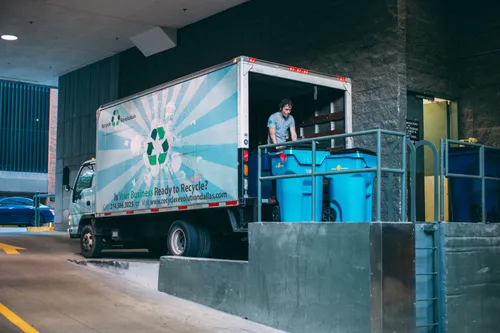
Recycle Revolution
6835 Forest Park Rd, Dallas, TX 75235
Recycle Revolution offers food waste and composting services for restaurants and businesses in Dallas, TX. They provide collection services and operate a community drop-off center that supports responsible resource recovery. The company focuses on fostering recycling and composting culture in North Texas and accepts a variety of materials including food scraps and hard-to-recycle items. With over 10 years of experience, Recycle Revolution is committed to environmental awareness and good neighborship.
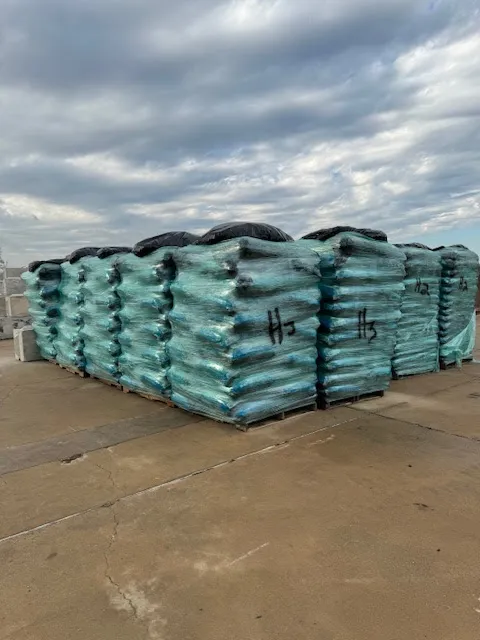
The Organic Recycler - Mulch, Compost, Soil & More
13001 Old Denton Rd, Keller, TX 76262
The Organic Recycler - Mulch, Compost, Soil & More is based in Keller, TX, and provides a range of landscaping products and services. They specialize in supplying mulch, soils, compost, and aggregates, along with land clearing services for projects of various sizes. The company also recycles food and liquid waste to create sustainable organic landscaping materials. Founded in 2014, The Organic Recycler serves the DFW area, Austin, and Oklahoma, offering dependable delivery and a blower application service to assist with larger jobs.
Understanding Commercial Food Waste Services in Carrollton
In Carrollton, food waste management for restaurants is primarily handled through private contracts. This means each business is responsible for sourcing its own hauler for organic material collection, separate from standard trash and recycling. These services are designed to handle both pre-consumer waste (like vegetable peels and kitchen trimmings) and post-consumer waste (plate scrapings), transforming it into valuable compost rather than sending it to a landfill 1 2. The process is governed by the Texas Food Establishment Rules (TFER), which set standards for safe and sanitary waste handling to protect public health 3.
Key Benefits of Implementing a Food Waste Program
Adopting an organics recycling program offers several advantages for Carrollton food service businesses:
- Environmental Leadership: Diverting organic waste reduces methane emissions from landfills and contributes to the production of nutrient-rich compost.
- Potential Cost Management: While there is a service fee, reducing the volume of trash sent to landfills can sometimes lower overall waste hauling costs, especially as landfill tipping fees rise.
- Enhanced Sustainability Profile: Customers and the community increasingly value businesses with demonstrable environmental practices. A composting program is a tangible commitment.
- Regulatory Preparedness: Proactively managing food waste aligns with state safety rules and prepares your business for any future local ordinances focused on waste diversion.
Finding and Selecting a Service Provider
The first step is identifying licensed haulers that offer commercial food scrap collection in the Carrollton and greater Dallas-Fort Worth area. Major national providers like Republic Services and Waste Management operate locally, and there are often regional or specialized haulers serving the market as well. It is highly recommended to contact multiple providers to compare services, costs, and contract terms.
Questions to Ask Potential Haulers:
- What specific materials are accepted in your composting stream?
- What are your contamination policies and penalties?
- What container sizes and pickup frequencies do you offer?
- Can you provide a detailed quote based on our estimated volume?
- Where is the collected material taken for processing?
Container Options and Pickup Schedules
Service flexibility is a hallmark of private hauling. Providers typically offer a range of container types to suit different kitchen sizes and waste volumes. Common options include:
- Carts: 32-gallon, 64-gallon, or 96-gallon wheeled carts are ideal for smaller to medium volumes and spaces with limited alley or dock access.
- Dumpsters/Roll-Offs: Larger containers, similar to trash dumpsters, are available for high-volume producers like large restaurants, hotels, or institutional cafeterias.
Pickup frequency is equally customizable. Haulers can arrange collections daily, weekly, bi-weekly, or on an on-demand basis, depending on your establishment's generation rate and storage capacity. The right combination of container size and pickup schedule is key to avoiding overflow and odors.
Find the perfect composting & food waste companies for your needs
Get personalized recommendations and expert advice
Critical Guidelines: Preventing Contamination
The success of a composting program hinges on keeping contaminants out of the organic waste stream. Contamination can ruin entire loads of compost, leading to rejected bins, additional fees, and the material being sent to a landfill instead. Clear staff training and proper bin labeling are essential.
What is Generally ACCEPTABLE in Commercial Composting:
- All food scraps: fruits, vegetables, meat, bones, dairy, bread, grains, coffee grounds, and filters.
- Soiled, non-recyclable paper: napkins, paper towels, uncoated paper plates.
- BPI-Certified compostable serviceware (containers, utensils, bags) - always verify with your hauler first.
What is NOT ACCEPTABLE (Common Contaminants):
- Plastic bags (unless they are certified compostable).
- Conventional plastic utensils, straws, or packaging.
- Styrofoam (polystyrene).
- Glass, metal, or aluminum foil.
- Liquids, grease, and cooking oils (these typically require separate collection for rendering) 4.
Cost Considerations for Your Business
Pricing for commercial food waste collection in Carrollton is not standardized and varies based on several factors. It is typically a monthly service fee separate from your trash bill. Costs are influenced by:
- Hauler: Different companies have different pricing structures.
- Volume: The size and number of containers you need.
- Frequency: How often pickup occurs.
- Location: Specifics of your business's service area.
- Contract Length: Longer terms may offer different rates.
As a rough estimate, services for a smaller establishment might start in the range of $50 to $100+ per month for a single cart with weekly pickup, but this can increase significantly with larger volumes and more frequent service 5 6. The most accurate way to budget is to obtain detailed quotes from providers based on your specific needs.
Steps to Launch Your Program
- Conduct a Waste Audit: Spend a week observing how much food waste your kitchen generates to estimate your needed service level.
- Research and Contact Haulers: Get quotes and service details from at least two to three licensed providers, such as Republic Services, Waste Management, or local specialists.
- Clarify Service Details: Confirm accepted materials, contamination policies, container options, and pickup schedules.
- Train Your Team: Educate all kitchen and front-of-house staff on what goes in the compost bin versus trash or recycling. Use clear signs.
- Implement and Monitor: Place containers conveniently, launch the program, and check bins periodically for contamination to ensure compliance.
Frequently asked questions
Sources
Footnotes
-
Restaurant Recycling: How to Recycle Food Waste & Trash - https://www.webstaurantstore.com/article/159/restaurant-recycling.html ↩
-
How Do Food Waste Collection and Pick Up Services Work - https://shapiroe.com/blog/food-waste-collection-pick-up/ ↩
-
Retail Food Establishments | Texas DSHS - https://www.dshs.texas.gov/retail-food-establishments ↩
-
Starting a New Retail Food Establishment under Department of ... - https://www.dshs.texas.gov/retail-food-establishments/permitting-information-retail-food-establishments/starting-a-new-retail ↩
-
New law cuts red tape and boosts opportunities for Texas food trucks - https://www.kbtx.com/2025/09/03/new-law-cuts-red-tape-boosts-opportunities-texas-food-trucks/ ↩
-
Permitting Information - Retail Food Establishments | Texas DSHS - https://www.dshs.texas.gov/retail-food-establishments/permitting-information-retail-food-establishments ↩