Find the Best Composting & Food Waste Companies for Your Business
No obligation • Fast responses • Nationwide coverage

Why you can trust Restaurant Waste Disposal
Restaurant Waste Disposal is a leading U.S. resource for comparing restaurant composting, food-waste recycling, grease trap cleaning, and used cooking oil collection services. Our editorial team researches providers, checks credentials, and organizes unbiased information so operators can make informed decisions. Companies cannot pay to change ratings or placement.
Search providers near you
Top Composting & Food Waste Companies in Arlington, Texas Ranked
For restaurant owners and food service operators in Arlington, managing organic waste is a critical component of both operational efficiency and environmental responsibility. While the city does not operate a universal municipal composting program for commercial entities, effective food scrap diversion is entirely achievable through private waste haulers and by understanding the specific service landscape. Navigating this system requires knowing the right questions to ask and the key providers who can tailor organic recycling programs to the unique volume and needs of a commercial kitchen. This guide outlines the pathways and practical steps for establishing a robust food waste composting program for your Arlington restaurant.
The commercial waste ecosystem in Arlington is primarily serviced by private haulers, with national companies like Waste Management (WM) and Republic Services playing a significant role. For restaurants specifically, these providers often offer recycling programs for traditional materials like cardboard and plastics, but dedicated food waste and composting services may require a direct inquiry and a customized service agreement. There is no one-size-fits-all solution; services, container types, schedules, and costs are negotiated based on your establishment's output. Therefore, the first and most crucial step is proactive outreach to these service providers to discuss your goals for diverting organic waste from the landfill.
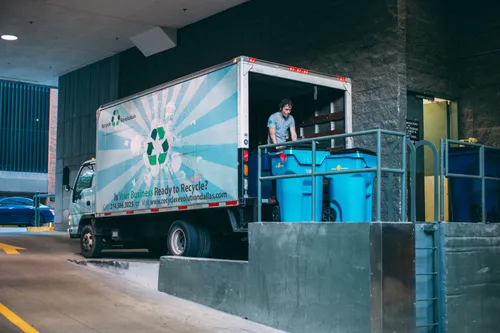
Recycle Revolution
6835 Forest Park Rd, Dallas, TX 75235
Recycle Revolution offers food waste and composting services for restaurants and businesses in Dallas, TX. They provide collection services and operate a community drop-off center that supports responsible resource recovery. The company focuses on fostering recycling and composting culture in North Texas and accepts a variety of materials including food scraps and hard-to-recycle items. With over 10 years of experience, Recycle Revolution is committed to environmental awareness and good neighborship.
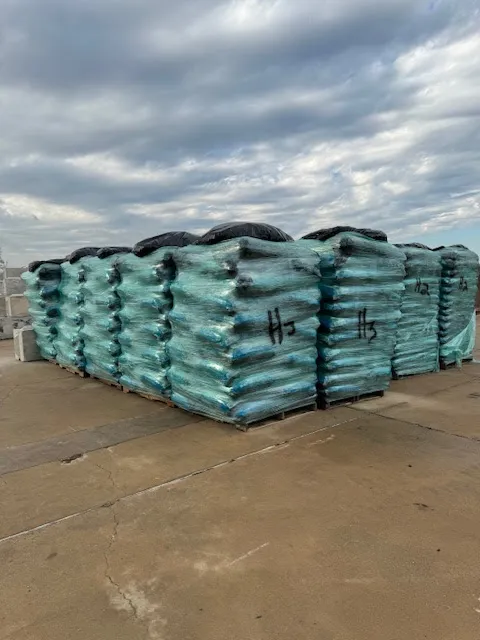
The Organic Recycler - Mulch, Compost, Soil & More
13001 Old Denton Rd, Keller, TX 76262
The Organic Recycler - Mulch, Compost, Soil & More is based in Keller, TX, and provides a range of landscaping products and services. They specialize in supplying mulch, soils, compost, and aggregates, along with land clearing services for projects of various sizes. The company also recycles food and liquid waste to create sustainable organic landscaping materials. Founded in 2014, The Organic Recycler serves the DFW area, Austin, and Oklahoma, offering dependable delivery and a blower application service to assist with larger jobs.
Understanding Arlington's Commercial Waste Framework
Unlike residential services, which may have more standardized offerings, commercial organic waste collection in Arlington is a privatized market. The City of Arlington's Solid Waste Services department oversees licensing and regulations for haulers but typically does not provide direct collection services to businesses like restaurants. This means that the onus is on the business owner to seek out and contract with a licensed hauler that offers the specific organic recycling services you need. It's a system that offers flexibility but requires diligence. Checking with the city's waste department can still be valuable, as they may be aware of pilot programs, incentives for sustainability, or can provide a list of licensed haulers operating in your area.
Key Service Providers for Organic Waste
The major national waste management firms are the most likely to have structured programs for food scrap collection. Initiating contact with them is your primary action item.
- Waste Management (WM): As a leading provider, WM offers commercial recycling and waste services in Arlington and has programs that can include organics collection. They can provide containers specifically for food waste and coordinate a pickup schedule that aligns with your kitchen's production cycle.
- Republic Services: Another national hauler with a significant presence, Republic Services also provides commercial options that may include organic waste streams. It is essential to contact their local commercial office to inquire about food waste composting capabilities.
- Regional or Local Haulers: Depending on your location in Arlington, there may be smaller, regional haulers who specialize in or offer commercial organic collection. A search for "commercial composting services" in the DFW area may yield additional options.
When you contact these providers, you are not just ordering a service; you are initiating a partnership to manage a valuable resource stream. Be prepared to discuss your weekly volume of food waste to help them propose an appropriate solution.
Designing Your Restaurant's Food Waste Program
Once you've identified potential haulers, the next step is to design a system that integrates seamlessly into your daily operations. This involves understanding what can be collected, how it will be stored, and how your staff will be trained.
Acceptable Materials and Contamination Control
A successful program hinges on keeping the compost stream clean. Haulers and composting facilities have strict guidelines to ensure the final compost product is high quality. Here's a general list, but you must confirm the specific rules with your chosen provider:
- Accepted Food Scraps: This typically includes all food prep waste (vegetable peels, eggshells, coffee grounds), spoiled food, and post-consumer plate scrapings.
- Compostable Serviceware: If you use disposable items, certain approved compostable plates, utensils, cups, and liners may be accepted. Crucially, you must ask your hauler for their certified list of acceptable compostable products. Not all "biodegradable" or "compostable" items break down in the same way.
- Strict Prohibitions: Common contaminants include:
- Plastic bags (unless they are hauler-approved compostable bags)
- Styrofoam
- Glass, metal, or plastic packaging
- Liquids, fats, and oils (these often require a separate grease trap or used cooking oil service)
Pro-Tip: Request a written guide or poster from your hauler detailing acceptable and prohibited items. Post this clearly in your prep and dishwashing areas to train and remind staff. Contamination can lead to rejected loads or additional fees.
Containerization and Collection Logistics
The physical setup of your collection system is key to kitchen workflow and hauler requirements.
- Container Types: Haulers will offer options based on your volume. For kitchen collection points, you might use small, lidded bins (e.g., 32-gallon). For exterior storage and pickup, common options include 64-gallon or 96-gallon wheeled carts, or even larger dumpsters dedicated to organics.
- Collection Schedule: Frequency is tailored to your needs. For many restaurants, weekly pickup is standard, but those with high volume may require twice-weekly service. Your hauler will help determine this based on your container size and how quickly it fills, especially important in Texas heat to control odor and pests.
- Location and Access: Ensure your outdoor collection container is placed in an accessible location for the hauler's truck, with clear and unobstructed access on your scheduled pickup day.
Find the perfect composting & food waste companies for your needs
Get personalized recommendations and expert advice
Financial Considerations and Getting a Quote
Cost is a primary factor for any business decision. Pricing for commercial food waste collection is not typically listed publicly and is highly variable. It is generally based on:
- The size and number of containers provided.
- The frequency of pickup.
- Your location within Arlington.
- The specific hauler's pricing structure.
As a point of reference, for a service involving a dedicated 64-gallon cart for food scraps with weekly pickup, monthly costs could range significantly, often starting in the range of $50 to $100 or more, depending on all the factors above and market rates 1. The only way to get an accurate cost is to request a formal written quote.
Pro-Tip: When evaluating quotes, don't just look at the bottom line. Compare the specifics: container size, pickup frequency, and any additional fees for contamination or extra pickups. A slightly higher price from a hauler that provides excellent customer service, training materials, and clear guidelines can provide better long-term value and program success.
Beyond Collection: Grease Trap and Cooking Oil Services
A comprehensive food waste strategy for a restaurant also addresses fats, oils, and grease (FOG). These materials cannot go into the compost stream and are regulated to prevent sewer line blockages.
- Grease Trap Cleaning: Regular pumping and cleaning of your grease interceptor is a non-negotiable requirement. Many waste haulers that offer food waste collection also provide grease trap services, allowing you to bundle services for potential efficiency.
- Used Cooking Oil (UCO) Collection: Used fryer oil is a valuable commodity for biodiesel production. Numerous providers offer free collection services for UCO, often providing a locked collection bin. This turns a waste product into a resource and can be a separate service or part of a bundled package.
Integrating these services with your solid food scrap composting creates a holistic "closed-loop" system for your kitchen's organic outputs, maximizing diversion from landfills and potentially simplifying vendor management.
Frequently asked questions
Sources
Footnotes
-
Trash, Garbage and Recycling Services in Arlington, Texas | WM - https://www.wm.com/us/en/location/tx/arlington ↩