Find the Best Composting & Food Waste Companies for Your Business
No obligation • Fast responses • Nationwide coverage

Why you can trust Restaurant Waste Disposal
Restaurant Waste Disposal is a leading U.S. resource for comparing restaurant composting, food-waste recycling, grease trap cleaning, and used cooking oil collection services. Our editorial team researches providers, checks credentials, and organizes unbiased information so operators can make informed decisions. Companies cannot pay to change ratings or placement.
Search providers near you
Top Composting & Food Waste Companies in Allen, Texas Ranked
For restaurant owners and food service managers in Allen, managing organic waste is a critical operational and environmental consideration. While the city mandates the use of Community Waste Disposal (CWD) for general trash and recycling, dedicated programs for commercial food scrap collection are not provided municipally. This means businesses seeking to divert food waste from landfills must proactively engage with private haulers who specialize in organic recycling. Implementing a food waste diversion program can reduce landfill tipping fees, support sustainability goals, and contribute to the creation of nutrient-rich compost, but it requires navigating a private market of service providers with varying protocols, container options, and schedules.
Successfully integrating organic waste recycling into your operations starts with understanding the local landscape. The separation of food waste from general trash is a specialized service, distinct from standard commercial dumpster pickup. Restaurants must contract directly with providers who can handle the unique challenges of perishable material, ensuring it is transported to a composting facility or anaerobic digester rather than the North Texas Municipal Water District landfill where general waste is directed.
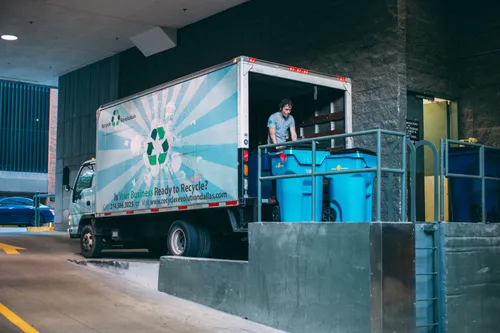
Navigating Allen's Waste Management Structure
The City of Allen contracts with Community Waste Disposal (CWD) to handle all standard commercial solid waste and recycling services. This arrangement covers your everyday trash and commingled recyclables like cardboard, paper, and certain plastics. However, this contract does not extend to the collection of source-separated food waste for composting. CWD's commercial services are designed for volume-based general waste, and while they manage yard waste composting for residents, a parallel program for commercial food scraps is not currently offered 1. Therefore, restaurants must treat food waste recycling as a separate, additional service line item, managed independently from their city-required waste contract.
This two-tiered system-municipal for standard waste, private for organics-is common in many growing cities. It places the onus on the business to seek out and vet suitable partners. The first step for any Allen restaurant is to confirm with CWD that dedicated food waste pickup is not part of their service package, which will clarify the need for a secondary provider.
Finding and Evaluating Private Food Waste Haulers
Since the municipal service does not cover organics, you will need to contract with a private hauler. Major national providers like Republic Services and Waste Management operate in the Dallas-Fort Worth metroplex and may offer food waste collection programs for commercial clients in Allen. Additionally, smaller regional or local composting services often cater specifically to restaurants and food processors. These specialized providers can sometimes offer more flexible terms or focus exclusively on organic material, ensuring it is processed correctly.
When contacting potential providers, be prepared to discuss your specific needs. Key factors they will evaluate include your weekly volume of food scraps (measured in gallons or tons), the type of organic waste generated (pre-consumer prep waste vs. post-consumer plate scrapings, and whether it includes fats/oils/grease), and your business location for logistics. You should request detailed information on their contamination standards, as this is crucial for successful composting.
Key Service Elements to Discuss with Haulers
- Container Options: Providers typically supply specialized containers designed for organic waste. These often range from 32-gallon to 96-gallon carts with tight-sealing lids to control odors and pests, or even larger dumpsters for high-volume establishments. Some companies may provide compostable liner bags to simplify collection and keep bins clean.
- Collection Schedules: Frequency is highly variable and tailored to your output. A high-volume restaurant may require daily pickups, while a smaller cafe might only need service once or twice a week. The schedule must align with your waste generation to avoid overflow and sanitation issues.
- Contamination Protocols: This is the most critical operational detail. Contamination occurs when non-compostable materials are placed in the food waste bin, which can ruin an entire load of compost. You must understand and train your staff on the hauler's specific rules. Generally, no plastic bags (unless they are certified compostable), utensils, napkins, glass, rubber gloves, or liquids should go into the organics bin 2. Clear signage and staff training are essential for compliance.
Find the perfect composting & food waste companies for your needs
Get personalized recommendations and expert advice
Implementing an On-Site Food Waste Program
Before a hauler ever collects your first bucket, internal processes must be established. A successful program requires planning, training, and the right equipment.
Start with a Waste Audit: Spend a week tracking exactly what and how much food waste you generate. This data is invaluable when speaking to haulers for accurate quotes and helps identify potential areas for waste reduction at the source.
Designate Collection Points: Place clearly labeled collection bins in key areas: next to prep stations in the kitchen, at the dishwashing area, and potentially in the back-of-house. Using small, countertop collection pails with compostable liners can make it easy for staff to scrape scraps during food preparation.
Invest in Staff Training: Your team is the front line of contamination prevention. Hold training sessions to explain the why and the how. Use visual aids, post simple guidelines above collection bins, and make sure everyone knows what belongs in the compost, trash, and recycling streams. Consistent management oversight is key during the initial rollout.
Manage Odors and Pests: Proper container maintenance is non-negotiable in a food service environment. Ensure all outdoor containers have secure, locking lids. Schedule pickups frequently enough to prevent decay, and rinse out bins regularly. Some haulers may offer lined containers or deodorizing products as part of their service.
The Role of Grease Trap and Used Cooking Oil Services
A comprehensive food waste strategy often includes managing fats, oils, and grease (FOG). These materials are not suitable for standard composting but are highly recyclable. Many private waste companies that offer food scrap collection also provide used cooking oil (UCO) collection and grease trap cleaning services. Coordinating these services with your organic waste pickup can streamline vendor management and potentially lead to service bundling discounts.
Used cooking oil is collected and converted into biodiesel or other products. Regular, professional grease trap cleaning is also legally mandated to prevent sewer line blockages. When evaluating haulers, inquire if they provide a full suite of organics-related services. This holistic approach can simplify logistics and ensure all your organic byproducts are being diverted from the landfill and recycled appropriately.
Understanding Costs and Potential Savings
Pricing for private food waste hauling is not standardized and varies significantly based on your business's specific profile. You can expect a monthly cost that reflects your container size, pickup frequency, and the hauler's pricing model. For smaller accounts, monthly fees might start in the range of $50 to $200 or more 3. It's important to get detailed, written quotes from multiple providers.
While this is an added cost, it's important to weigh it against potential savings. By diverting heavy, wet food waste from your standard trash dumpster, you may be able to reduce the size of your general waste container or lessen the frequency of trash pickups through CWD. The savings on your primary trash bill can partially offset the cost of the new organics service. Furthermore, some businesses find value in marketing their sustainability efforts to environmentally conscious customers.
Compliance and Best Practices for Allen Restaurants
Operating in Allen requires adherence to local ordinances. All commercial waste must be transported in covered trucks to the designated disposal facilities. Your private hauler will handle this compliance for the organic stream. Your responsibility lies in proper source separation and preventing contamination.
Establish a relationship with your chosen hauler and request regular feedback. Some providers will perform occasional contamination checks and notify you if issues arise. This partnership is essential for maintaining a program that is both environmentally effective and operationally smooth. Remember, the goal is to create a "clean" stream of food scraps that can be successfully transformed into compost, closing the loop on your organic waste.
Frequently asked questions
Sources
Footnotes
-
Allen - Community Waste Disposal - https://www.communitywastedisposal.com/find-my-city/cwd-services-city-of-allen/ ↩
-
Don't Let Your Food Go to Waste: A Guide to Household Food Waste Collection - https://www.bartecmunicipal.com/insight/a-guide-to-household-food-waste-collection/ ↩
-
Commercial Waste | Allen, TX - https://www.cityofallen.org/departments/community_services/trash_and_recycling/commercial_waste.php ↩