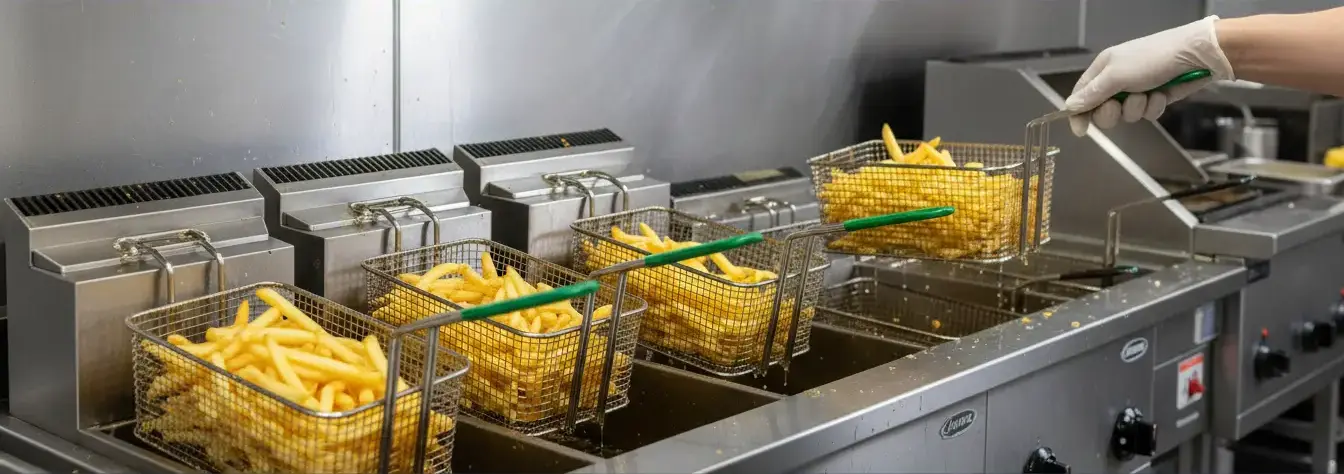
Find the Best Used Cooking Oil Collection Companies for Your Business
No obligation • Fast responses • Nationwide coverage

Why you can trust Restaurant Waste Disposal
Restaurant Waste Disposal is a leading U.S. resource for comparing restaurant composting, food-waste recycling, grease trap cleaning, and used cooking oil collection services. Our editorial team researches providers, checks credentials, and organizes unbiased information so operators can make informed decisions. Companies cannot pay to change ratings or placement.
Search providers near you
Top Used Cooking Oil Collection Companies in Spokane Valley, Washington Ranked
For restaurants and commercial kitchens in Spokane Valley, managing used cooking oil (UCO) is a critical operational and environmental responsibility. Proper grease collection and recycling not only ensure compliance with local regulations but also transform a waste product into valuable renewable biofuels. By partnering with a professional service, food service establishments can prevent costly plumbing issues, contribute to a cleaner environment, and potentially offset disposal costs. This guide outlines the essential steps for compliant and efficient waste oil management in the Spokane Valley area.
Understanding Local FOG Regulations
In Spokane Valley, commercial food service operations are governed by Spokane County's Fats, Oils, and Grease (FOG) control program. These rules are designed to protect the municipal sewer system from blockages that can lead to expensive repairs and environmental contamination.
- Grease Control Devices are Mandatory: The Spokane County code (8.03.5020) requires facilities to install and maintain approved Grease Control Devices (GCDs), such as grease traps or grease interceptors. These devices capture grease before wastewater enters the sewer, but they do not handle the bulk used cooking oil from fryers.
- Strict Prohibition on Drain Disposal: It is illegal to pour used fryer oil, fats, or grease down any drain, including sinks, floor drains, or toilets 1. Violations can result in significant fines and are a leading cause of sewer backups.
- Compliance Through Proper Disposal: The approved method for disposing of bulk UCO is through storage in dedicated containers for pickup by a licensed hauler. This keeps the material out of the wastewater stream entirely.
Best Practices for On-Site Oil Storage
How you store your used vegetable oil or animal fats directly impacts safety, compliance, and the value of the material for recycling. Proper storage prevents accidents, deters theft, and maintains oil quality.
- Use Designated, Covered Containers: Oil should be cooled and transferred into sturdy, lidded containers provided by your collection service. These are typically 40 to 300-gallon bins designed for easy pumping. Keeping containers covered prevents rainwater contamination and deters pests.
- Prioritize Security and Location: Place storage bins in a secure area, preferably on a paved surface. Outdoor containers should have locking lids to prevent unauthorized access and theft, which is a common issue for valuable commodities like UCO. Indoor storage of smaller containers reduces theft risk but requires careful handling to avoid slips and spills.
- Maintain Oil Quality: The cleaner the oil, the more valuable it is for recycling into high-grade biofuels. Use drain screens to filter out food particles, avoid cross-contamination with other liquids, and have spill absorbents on hand. High-quality oil can qualify for rebates, while contaminated oil may incur disposal fees.
The Professional Collection and Recycling Process
Engaging a professional grease collection service streamlines waste management. Here's how the typical process works for a Spokane Valley restaurant:
- Scheduled Pickup: After providing your storage container, the hauler establishes a regular pickup schedule based on your oil volume-whether weekly, bi-weekly, or monthly. Reliable service ensures your container never overflows.
- Efficient Collection: On service day, a technician pumps the UCO from your container into a dedicated tank truck. They will typically clean up any minor spills and ensure the container is properly repositioned.
- Transport to Processing: The collected oil is transported to a regional recycling facility. Here, it undergoes filtration and processing to remove impurities.
- Transformation into Biofuel: The purified oil is a key feedstock for producing renewable diesel and sustainable aviation fuel (SAF) 2. This process gives used cooking oil a second life, directly displacing fossil fuels and reducing carbon emissions.
Find the perfect used cooking oil collection companies for your needs
Get personalized recommendations and expert advice
Evaluating Service Providers and Cost Structures
Several licensed providers offer used cooking oil collection services in the Spokane Valley area, including national companies like Mahoney Environmental and Baker Commodities, as well as regional operators like Grand Natural 3 4 5 6. When evaluating providers, consider their service reliability, container options, and flexibility with pickup schedules.
The cost for grease trap and UCO services can vary. Many providers operate on a model where the value of the recycled oil offsets the cost of collection. For establishments generating high volumes of clean oil, the service may be free or even generate a small rebate, typically ranging from $0.10 to $0.65 per gallon 7 8. If your oil volume is lower or the quality is poor, you might pay a monthly service fee, which can range from $50 to over $200 depending on frequency and location 7 9. It's important to get clear details on all potential fees and rebate structures during the sign-up process.
Environmental and Economic Benefits
Responsible used cooking oil management creates a positive cycle for businesses and the community.
- Protects Local Infrastructure: By keeping grease out of drains, restaurants help prevent sewer overflows, which can contaminate the Spokane River and lead to higher municipal treatment costs for everyone.
- Supports the Circular Economy: Recycling UCO into biofuel closes the loop on a waste stream. The resulting renewable diesel burns cleaner than its petroleum-based counterpart, improving air quality.
- Creates Operational Efficiency: A predictable, professional service eliminates the hassle and hazard of managing hot, slippery waste oil in-house. It also mitigates the risk of regulatory fines for improper disposal.
Implementing a robust system for waste oil and grease collection is a smart business decision for any food service operator. It ensures regulatory compliance, enhances sustainability credentials, and contributes to the growing biofuel industry right here in the Pacific Northwest.
Frequently asked questions
Sources
Footnotes
-
Fats, Oils, and Grease (FOG) Control | Spokane County, WA - https://www.spokanecounty.gov/5250/Fats-Oils-and-Grease-FOG-Control ↩
-
Grease Collection Service: What is it - Grand Natural Inc - https://www.grandnaturalinc.com/blog/what-is-grease-collection-service.html ↩
-
Used Cooking Oil Pickup & Recycling Services in Spokane, WA - https://www.mahoneyes.com/waste-oil-pickup-recycling-spokane-wa/ ↩
-
Restaurant Grease Recycling Spokane, WA - https://bakercommodities.com/our-locations/spokane-wa/ ↩
-
Used Cooking Oil Collection Spokane - https://www.grandnaturalinc.com/locations/used-cooking-oil-recycling-in-spokane.html ↩
-
Used Cooking Oil Pickup and Recycling Spokane - Grand Natural - https://www.grandnatural.com/locations/used-cooking-oil-recycling-in-spokane.html ↩
-
Restaurant Used Cooking Oil Recycling & Disposal Guide - https://greaseconnections.com/restaurant-used-cooking-oil-disposal-recycling-revenue-guide/ ↩ ↩2
-
Used Cooking Oil Pricing & Business Guide - Grease Connections - https://greaseconnections.com/used-cooking-oil-pricing-guide/ ↩
-
Used Cooking Oil Pickup vs Drop-Off-What's Best for Restaurants? - https://www.greaseprosrecycling.com/used-cooking-oil-pickup-vs-drop-off/ ↩