
Find the Best Used Cooking Oil Collection Companies for Your Business
No obligation • Fast responses • Nationwide coverage

Why you can trust Restaurant Waste Disposal
Restaurant Waste Disposal is a leading U.S. resource for comparing restaurant composting, food-waste recycling, grease trap cleaning, and used cooking oil collection services. Our editorial team researches providers, checks credentials, and organizes unbiased information so operators can make informed decisions. Companies cannot pay to change ratings or placement.
Search providers near you
Top Used Cooking Oil Collection Companies in Shoreline, Washington Ranked
For restaurants and food service businesses in Shoreline, managing used cooking oil (UCO) is more than just a kitchen chore-it's a regulated component of waste management with significant environmental and economic implications. Proper grease collection and recycling are mandated by Washington State and local Shoreline ordinances, which require businesses to separate organics, including used oil, from the general garbage stream. By partnering with a licensed hauler, establishments can transform a waste product into valuable biodiesel, often earning rebates while ensuring full compliance. This process involves using specialized, sealed containers for storage and scheduling regular pickups with professional services that handle the transportation and recycling. Navigating the specifics of container types, volume thresholds, and local service providers is key to an efficient and profitable grease management program.
Restaurant Technologies
19437 66th Ave S, Kent, WA 98032
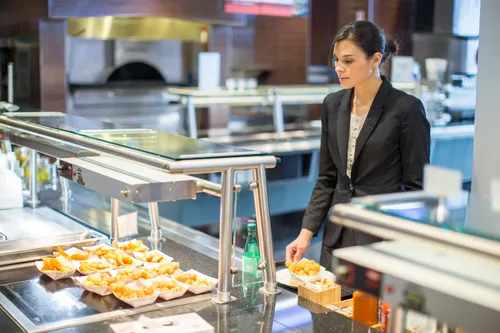
Restaurant Technologies is a used cooking oil collection company based in Kent, WA. They provide an end-to-end cooking oil management system that includes bulk oil delivery, filtration, and recycling. Their automatic system installs tanks and controls in commercial kitchens to safely deliver fresh oil and remove used oil without manual handling. This service helps reduce hazards and improve safety in back-of-house operations while supporting sustainability initiatives.
Seattle Grease Trap Services
107 Cherry St #310, Seattle, WA 98104
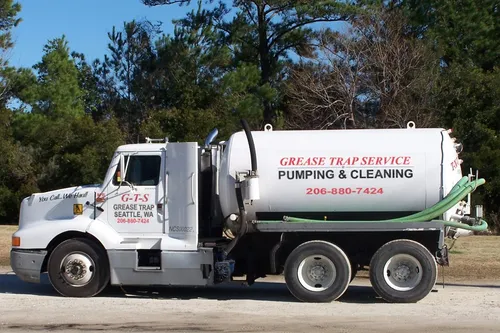
Seattle Grease Trap Services provides comprehensive grease trap and interceptor cleaning, pumping, installation, and repair services in Seattle, WA. Serving commercial kitchens, restaurants, schools, and industrial facilities, they cover Seattle and surrounding areas including King and Pierce Counties. With over 15 years of experience, the company offers licensed and environmentally responsible grease trap maintenance, ensuring compliance with local regulations. Their fleet of pump trucks and trained technicians handle grease trap measurement, pumping, cleaning, and record keeping to support smooth kitchen operations and prevent blockages or fines.
Baker Commodities Inc
5795 S 130th Pl, Seattle, WA 98178
Baker Commodities Inc is a grease removal and used cooking oil collection company based in Seattle, WA. They serve the Pacific Northwest region, providing restaurant grease pickup, grease trap cleaning, and animal by-product recycling services. Their capabilities include using vacuum pumps and hydrojetters to clean grease traps efficiently, helping to prevent sewer clogs and promote environmental sustainability. The company offers 24-hour emergency rendering and grease collection services to support local food service businesses and protect the community's natural surroundings.
Mahoney Environmental Restaurant Cooking Oil Recycling
6333 1st Ave S, Seattle, WA 98108
Mahoney Environmental Restaurant Cooking Oil Recycling provides used cooking oil collection, recycling, and grease trap services for foodservice businesses in Seattle, WA. They serve restaurants, bars, hotels, grocery stores, universities, shared kitchens, and ghost kitchens by offering scheduled used cooking oil pickup and environmentally responsible recycling into renewable diesel and sustainable aviation fuel. The company also installs and maintains commercial grease traps to prevent fats, oils, and grease from entering the sewer system, including 24/7 emergency cleanup services. Mahoney Environmental offers automated cooking oil handling systems to improve safety and efficiency in commercial kitchens. As a licensed EPA recycler, they provide accurate reporting and equipment to ensure compliance with environmental regulations.
Understanding Local Regulations for Grease Disposal
In Shoreline, used cooking oil management is governed by a combination of state and city rules designed to protect the sewer system and the environment. The foundational law is Washington State's mandatory organics separation requirement for businesses, which classifies used cooking oil as a recoverable material that must be kept out of the landfill. This means pouring oil down any drain-whether a kitchen sink, floor drain, or outdoor storm sewer-is strictly prohibited and can lead to severe blockages, environmental damage, and potential fines.
The Washington State Department of Ecology provides specific guidance for used oil, which includes cooking grease 1. Businesses must store oil in durable, non-reactive, and watertight containers with tight-fitting lids to prevent leaks and contamination. If your operation accumulates and transports more than 55 gallons of used oil at a time, you are legally considered a transporter and must comply with additional record-keeping and registration requirements 1. For most restaurants, using a licensed collection service is the simplest way to ensure all transportation regulations are met, as the hauler assumes that responsibility.
The City of Shoreline supports these efforts through its Business Waste Reduction resources, emphasizing the importance of proper storage and spill prevention as part of a comprehensive organics management strategy 2. Adherence to these rules not only avoids penalties but also contributes to Shoreline's broader sustainability goals.
Setting Up Your Kitchen's Oil Collection System
A well-organized collection system starts inside your kitchen. The first step is filtering the oil after each use to remove food particles. Keeping the oil as clean as possible is critical, as contamination with water or food solids can lower its recycling value and complicate the recycling process 3. Once filtered, the oil should be transferred to a dedicated, sealable collection container.
Container Selection and Placement:
- Indoor Containers: For security and convenience, many kitchens use smaller, portable containers (typically 40 to 55 gallons) made of stainless steel or heavy-duty plastic. These should be kept in a designated, secure area to prevent spills and unauthorized access.
- Outdoor Storage: For higher-volume establishments, larger collection bins ranging from 110 to 300 gallons are standard. These are placed in a protected outdoor location, such as a loading dock or fenced enclosure, for easy access by haulers. These bins are designed to be weatherproof and lockable to prevent theft and contamination 4 5.
Choosing the right container size and location depends on your weekly oil output, available space, and security needs. Your chosen collection service can often provide or recommend appropriate containers.
The Professional Collection and Recycling Process
Once your oil is stored, the process is handled by professionals. You schedule regular pickups-weekly, bi-weekly, or monthly-based on your production volume. A licensed hauler will arrive with a specialized truck, pump the oil from your storage container into their tank, and leave you with a clean, empty container. They handle all the logistics of transportation.
The real magic happens after collection. The used cooking oil is taken to a processing facility where it is cleaned and refined. Through a chemical process called transesterification, the triglycerides in the oil are converted into biodiesel, a renewable, cleaner-burning fuel alternative to petroleum diesel. This recycling loop turns a potential waste problem into a valuable resource, reducing reliance on fossil fuels and lowering carbon emissions. Other byproducts of the recycling process can be used in animal feed, cosmetics, and industrial lubricants.
Find the perfect used cooking oil collection companies for your needs
Get personalized recommendations and expert advice
Financials: Costs, Fees, and Potential Rebates
The economics of used cooking oil collection in Shoreline are not one-size-fits-all; they are primarily driven by your monthly volume and the quality of your oil.
- Low Volume (Less than 100 gallons/month): Many service providers offer free pickup and recycling for smaller generators. This is because the cost of service is offset by the value of the recycled material. You typically won't pay a fee but also may not receive a rebate.
- Medium Volume (100-300 gallons/month): In this range, arrangements vary. Some haulers may charge a modest service fee, while others might offer a small rebate, often in the range of $0.10 to $0.25 per gallon, especially if the oil is clean.
- High Volume (Over 300 gallons/month): High-volume producers are in a position to earn significant rebates. Payments can range from $0.25 to over $0.65 per gallon, depending on market conditions for biodiesel feedstock 6 7. For a busy restaurant or institutional kitchen, this rebate can turn a disposal line item into a minor revenue stream or at least cover the cost of associated services.
A critical factor in maximizing your rebate is oil quality. Haulers and recyclers pay more for clean, well-filtered oil with low levels of water and food sediment. Investing in good kitchen practices directly improves your financial return.
Service Providers Operating in Shoreline
Several reputable companies service the Shoreline and greater Seattle area. It's important to select a licensed and insured hauler that provides proper documentation for your records.
- Recology CleanScapes: As a major local waste and recycling provider, Recology offers curbside collection of used cooking oil for qualifying commercial customers in their service area, often integrating it with other organics recycling programs 8.
- NW Biofuel / Grease Pros: This provider specializes in used cooking oil collection and recycling across Washington and Oregon. They emphasize turning grease into biodiesel and can work with businesses of various sizes 9 10.
- Mahoney Environmental: A national company with local service, Mahoney offers comprehensive solutions including used cooking oil collection and fryer oil disposal, frequently bundling it with grease trap cleaning services for restaurant convenience 11.
When evaluating providers, consider their service frequency, container provisioning, reliability, and the transparency of their rebate or fee structure.
Best Practices for Restaurant Grease Management
Beyond setting up a collection service, successful long-term management involves proactive practices.
- Employee Training: Ensure all kitchen staff are trained on proper oil filtering and transfer procedures to prevent contamination. Emphasize that no grease goes down the drain.
- Spill Preparedness: Keep spill kits (absorbent pads, sawdust, or commercial products) near your oil storage and filtering areas to quickly address any accidents.
- Maintain Records: Keep detailed logs of oil usage, collection dates, and hauler receipts. This is crucial for regulatory compliance and for tracking your rebate payments.
- Regular Maintenance: Inspect storage containers and lids regularly for cracks, leaks, or wear. Secure outdoor bins with locks to deter theft, which has become an issue as the value of UCO has risen.
Implementing these best practices protects your business, maximizes your financial return, and ensures you are a responsible part of Shoreline's sustainable community.
Frequently asked questions
Sources
Footnotes
-
Used oil - Washington State Department of Ecology - https://ecology.wa.gov/regulations-permits/guidance-technical-assistance/dangerous-waste-guidance/common-dangerous-waste/used-oil ↩ ↩2
-
Business Waste Reduction - City of Shoreline - https://www.shorelinewa.gov/our-city/environment/sustainable-shoreline/materials-food-waste/business-compost-incentive-program ↩
-
Used Cooking Oil (UCO) Collection Service For Restaurants - https://thegreasecompany.com/blog/restaurant-used-cooking-oil-collection/ ↩
-
Grease Collection Service: What is it - Grand Natural Inc - https://www.grandnaturalinc.com/blog/what-is-grease-collection-service.html ↩
-
A Guide to Restaurant Grease Management - https://apps.lhwmp.org/IRAC/eDoc.ashx?DocID=Xb9va1HRGBg%3D ↩
-
Used Cooking Oil Disposal: Complete Guide to Grease Pickups - https://greaseconnections.com/used-cooking-oil-disposal-guide-grease-pickups/ ↩
-
Restaurant Used Cooking Oil Recycling & Disposal Guide - https://greaseconnections.com/restaurant-used-cooking-oil-disposal-recycling-revenue-guide/ ↩
-
Cooking Oils & Grease - Recology - https://www.recology.com/faq/cleanscapes-cooking-oil-can-dispose-kitchen-oils-grease/ ↩
-
Used Cooking Oil Pickup vs Drop-Off-What's Best for Restaurants? - https://www.greaseprosrecycling.com/used-cooking-oil-pickup-vs-drop-off/ ↩
-
Used Cooking Oil Collection, Disposal, & Recycling - NW Biofuel - https://nwbiofuel.com/used-cooking-oil-collection/ ↩
-
Restaurant Grease Pick Up and Disposal Services in Seattle WA - https://www.mahoneyes.com/fryer-oil-disposal-recycling-seattle-wa/ ↩