Find the Best Used Cooking Oil Collection Companies for Your Business
No obligation • Fast responses • Nationwide coverage

Why you can trust Restaurant Waste Disposal
Restaurant Waste Disposal is a leading U.S. resource for comparing restaurant composting, food-waste recycling, grease trap cleaning, and used cooking oil collection services. Our editorial team researches providers, checks credentials, and organizes unbiased information so operators can make informed decisions. Companies cannot pay to change ratings or placement.
Search providers near you
Top Used Cooking Oil Collection Companies in Sammamish, Washington Ranked
For restaurants and food service businesses in Sammamish, managing used cooking oil is more than just a routine cleanup task-it's a critical component of operational efficiency, environmental compliance, and even potential revenue. Proper collection and recycling of fats, oils, and grease (FOG) are mandated by local utility regulations and supported by a network of specialized service providers. By partnering with a licensed hauler, Sammamish establishments can transform a waste product into valuable biodiesel, ensure their grease interceptors function correctly, and avoid costly penalties. This guide outlines the local rules, best practices for storage, how the recycling process works, and the financial considerations for participating in a professional grease collection program.
Restaurant Technologies
19437 66th Ave S, Kent, WA 98032
Restaurant Technologies is a used cooking oil collection company based in Kent, WA. They provide an end-to-end cooking oil management system that includes bulk oil delivery, filtration, and recycling. Their automatic system installs tanks and controls in commercial kitchens to safely deliver fresh oil and remove used oil without manual handling. This service helps reduce hazards and improve safety in back-of-house operations while supporting sustainability initiatives.
Seattle Grease Trap Services
107 Cherry St #310, Seattle, WA 98104
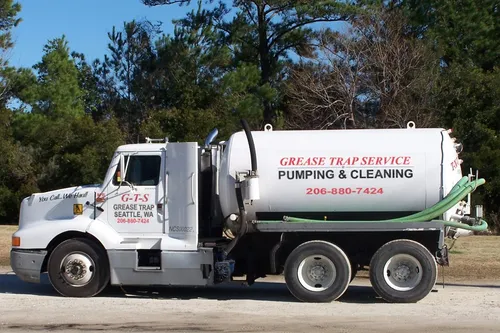
Seattle Grease Trap Services provides comprehensive grease trap and interceptor cleaning, pumping, installation, and repair services in Seattle, WA. Serving commercial kitchens, restaurants, schools, and industrial facilities, they cover Seattle and surrounding areas including King and Pierce Counties. With over 15 years of experience, the company offers licensed and environmentally responsible grease trap maintenance, ensuring compliance with local regulations. Their fleet of pump trucks and trained technicians handle grease trap measurement, pumping, cleaning, and record keeping to support smooth kitchen operations and prevent blockages or fines.

West Coast Renewables
2211 W Valley Hwy E, Sumner, WA 98390
West Coast Renewables is a grease trap cleaning and used cooking oil collection company based in Puyallup, WA. They serve a wide area across Western Washington, including cities like Seattle, Bellevue, Tacoma, and Olympia. Their services include grease trap pumping, maintenance, repair, and hydro-jetting, which uses high-pressure water to clear clogs and improve system performance. The company emphasizes proactive FOG (fats, oils, and grease) management to help commercial kitchens maintain hygiene and comply with local regulations. West Coast Renewables offers 24/7 emergency services to minimize disruptions for food service businesses.
Baker Commodities Inc
5795 S 130th Pl, Seattle, WA 98178
Baker Commodities Inc is a grease removal and used cooking oil collection company based in Seattle, WA. They serve the Pacific Northwest region, providing restaurant grease pickup, grease trap cleaning, and animal by-product recycling services. Their capabilities include using vacuum pumps and hydrojetters to clean grease traps efficiently, helping to prevent sewer clogs and promote environmental sustainability. The company offers 24-hour emergency rendering and grease collection services to support local food service businesses and protect the community's natural surroundings.
DAR PRO Solutions
2041 Marc Ave, Tacoma, WA 98421
DAR PRO Solutions is a used cooking oil collection company based in Tacoma, WA. They provide collection services for used cooking oil, helping businesses manage their waste oil efficiently. DAR PRO Solutions is known for professional and prompt service in the Tacoma area.
Understanding Local FOG Regulations in Sammamish
Compliance begins with understanding the rules set by the Sammamish Plateau Water and Sewer District. The district has strict regulations to prevent FOG from entering the public sewer system, where it can cause blockages, backups, and significant environmental damage.
- Mandatory Interceptor Maintenance: Restaurants are required to have their grease interceptors (often called grease traps) pumped and cleaned at least every 60 days. Oil/water separators must be serviced every 90 days.
- Working with Licensed Haulers: These pumping and cleaning services must be performed by a licensed waste hauler. These companies are equipped to handle the material properly and provide documentation proving compliance, which your business may need to submit to the utility1.
- Consequences of Non-Compliance: Failing to adhere to these schedules or improperly disposing of grease can lead to sewer overflows, fines, and increased operational costs due to plumbing issues. A proactive collection program is the first line of defense.
Setting Up Your Kitchen for Efficient Oil Collection
Proper on-site handling is essential for both compliance and maximizing the value of your used oil. Clean, well-managed oil is more valuable to recyclers and easier for haulers to collect.
Storage Solutions: Professional haulers typically provide the necessary collection containers at no upfront cost. These are secure, tight-fitting tanks, often ranging from 40 to 300 gallons in capacity, designed to be stored either indoors or outdoors 2. Using the provided equipment ensures spills and leaks are prevented, keeping your facility clean and safe.
Maintaining Oil Quality: The value of your used cooking oil for recycling is directly tied to its purity. To preserve quality:
- Filter at the Source: Use screens or filters when transferring oil from fryers to storage containers to remove food particles.
- Prevent Contamination: Never mix used cooking oil with water, soap, or other liquids. Contaminated oil is harder to recycle and may be rejected by haulers.
- Secure Lids: Always keep collection container lids closed to prevent rainwater or debris from entering.
The Professional Collection Process
Once your storage tank is full, your scheduled hauler will handle the rest. Reputable providers make the process seamless.
- Scheduled Pickups: After signing up for service, the hauler will establish a pickup frequency based on your oil production volume-whether weekly, bi-weekly, or monthly.
- On-Site Collection: A service technician will arrive, pump the oil from your storage tank directly into their specialized truck, and leave you with a clean, empty container ready for use again.
- Documentation: You should receive a service ticket or report detailing the amount of oil collected. This documentation is crucial for your records and for demonstrating compliance with local FOG regulations3 4.
From Waste to Resource: The Recycling Journey
The used cooking oil collected from Sammamish restaurants doesn't go to a landfill. Instead, it embarks a journey to become a renewable resource. Licensed haulers transport the oil to regional processing facilities where it undergoes a rigorous cleaning and refining process. The primary end product is biodiesel or renewable diesel, a cleaner-burning fuel alternative for vehicles and heating. This circular economy model means the oil used to cook food in local restaurants can later power trucks or buses, significantly reducing fossil fuel dependence and greenhouse gas emissions.
Find the perfect used cooking oil collection companies for your needs
Get personalized recommendations and expert advice
Financial Considerations: Cost vs. Revenue
A common question for restaurant owners is whether used oil collection is an expense or an income stream. The answer depends on your volume and oil quality.
- Free Collection Services: Many haulers offer free pickup and provided equipment to businesses that generate a qualifying minimum volume, often around 40 gallons or more per collection cycle5 6. This turns a disposal cost into a cost-neutral service.
- Potential for Rebates or Payment: For establishments with high, consistent output of clean oil, the dynamic can shift further. Some providers offer rebate programs or direct payment based on the market value of the oil. Rates can vary but may range from $0.10 to $0.65 per gallon for high-volume producers7 8 9. The cleaner and greater the quantity of oil, the better the potential return.
- Avoiding Hidden Costs: Perhaps the most significant financial benefit is avoiding the steep costs associated with non-compliance: fines from the water district, emergency plumbing repairs, and increased sewer charges.
Choosing a Service Provider in the Sammamish Area
Selecting the right partner is key. Look for a hauler that is fully licensed and insured, understands Sammamish Plateau Water's specific regulations, and offers transparent reporting.
- Local and Regional Providers: Several established companies service the greater Seattle area, including Sammamish. These can include specialists like NW Biofuel and Mahoney Environmental 10. It's also worth checking with your primary waste and recycling hauler, as companies like Recology may offer or partner on grease collection services11.
- Key Questions to Ask:
- Are you licensed to operate in Sammamish and compliant with SPW regulations?
- Do you provide the storage container and at what cost?
- What is the pickup schedule and is there a minimum volume requirement?
- Do you provide detailed collection reports for my compliance records?
- What are the terms regarding payment for oil or service fees?
Implementing a professional used cooking oil collection system is a smart business decision for any Sammamish restaurant. It ensures regulatory compliance, reduces operational risks, contributes to regional sustainability goals, and can even provide a modest revenue stream. By understanding the local requirements and partnering with a reputable hauler, you can efficiently manage this aspect of your kitchen operations.
Frequently asked questions
Sources
Footnotes
-
Fats, Oils and Grease Regulations | Sammamish Plateau Water, WA - https://spwater.org/148/Fats-Oils-and-Grease-Regulations ↩
-
Used Cooking Oil (UCO) Collection Service For Restaurants - https://thegreasecompany.com/blog/restaurant-used-cooking-oil-collection/ ↩
-
Used Cooking Oil Pickup vs Drop-Off - GreasePros Recycling - https://www.greaseprosrecycling.com/used-cooking-oil-pickup-vs-drop-off/ ↩
-
Used oil - Washington State Department of Ecology - https://ecology.wa.gov/regulations-permits/guidance-technical-assistance/dangerous-waste-guidance/common-dangerous-waste/used-oil ↩
-
Used Cooking Oil Collection, Disposal, & Recycling - NW Biofuel - https://nwbiofuel.com/used-cooking-oil-collection/ ↩
-
Grease Collection Service: What is it - https://www.grandnaturalinc.com/blog/what-is-grease-collection-service.html ↩
-
Used Cooking Oil Disposal: Complete Guide to Grease Pickups - https://greaseconnections.com/used-cooking-oil-disposal-guide-grease-pickups/ ↩
-
Restaurant Used Cooking Oil Recycling & Disposal Guide - https://greaseconnections.com/restaurant-used-cooking-oil-disposal-recycling-revenue-guide/ ↩
-
Restaurant Grease Pick Up and Disposal Services in Seattle WA - https://www.mahoneyes.com/fryer-oil-disposal-recycling-seattle-wa/ ↩
-
Used Cooking Oil Pick Up & Recycling Service in Seattle WA - https://www.mahoneyes.com/waste-oil-pickup-recycling-seattle-wa/ ↩
-
Cooking Oils & Grease - Recology - https://www.recology.com/faq/cleanscapes-cooking-oil-can-dispose-kitchen-oils-grease/ ↩