Find the Best Used Cooking Oil Collection Companies for Your Business
No obligation • Fast responses • Nationwide coverage

Why you can trust Restaurant Waste Disposal
Restaurant Waste Disposal is a leading U.S. resource for comparing restaurant composting, food-waste recycling, grease trap cleaning, and used cooking oil collection services. Our editorial team researches providers, checks credentials, and organizes unbiased information so operators can make informed decisions. Companies cannot pay to change ratings or placement.
Search providers near you
Top Used Cooking Oil Collection Companies in Kirkland, Washington Ranked
For restaurants and commercial kitchens in Kirkland, managing used cooking oil (UCO) is a critical operational and environmental responsibility. Proper collection and recycling of this material not only ensures compliance with local and state regulations but also transforms a waste product into a valuable resource for biodiesel production. The City of Kirkland and King County have established clear guidelines to prevent sewer blockages and environmental contamination, making partnership with a licensed grease hauler essential. This process supports the local circular economy, with companies like NW Biofuels collecting oil to be converted into clean-burning fuel for regional fleets.
Restaurant Technologies
19437 66th Ave S, Kent, WA 98032
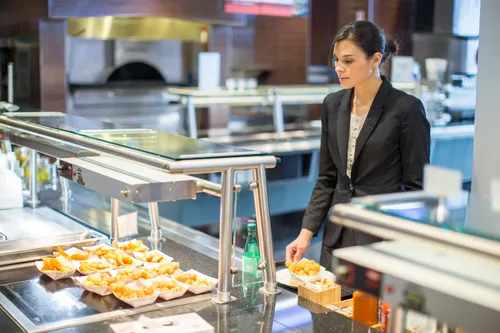
Restaurant Technologies is a used cooking oil collection company based in Kent, WA. They provide an end-to-end cooking oil management system that includes bulk oil delivery, filtration, and recycling. Their automatic system installs tanks and controls in commercial kitchens to safely deliver fresh oil and remove used oil without manual handling. This service helps reduce hazards and improve safety in back-of-house operations while supporting sustainability initiatives.
Seattle Grease Trap Services
107 Cherry St #310, Seattle, WA 98104
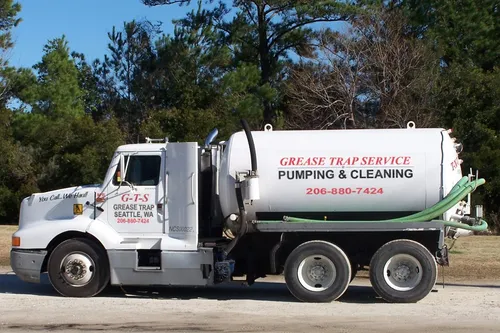
Seattle Grease Trap Services provides comprehensive grease trap and interceptor cleaning, pumping, installation, and repair services in Seattle, WA. Serving commercial kitchens, restaurants, schools, and industrial facilities, they cover Seattle and surrounding areas including King and Pierce Counties. With over 15 years of experience, the company offers licensed and environmentally responsible grease trap maintenance, ensuring compliance with local regulations. Their fleet of pump trucks and trained technicians handle grease trap measurement, pumping, cleaning, and record keeping to support smooth kitchen operations and prevent blockages or fines.
Baker Commodities Inc
5795 S 130th Pl, Seattle, WA 98178
Baker Commodities Inc is a grease removal and used cooking oil collection company based in Seattle, WA. They serve the Pacific Northwest region, providing restaurant grease pickup, grease trap cleaning, and animal by-product recycling services. Their capabilities include using vacuum pumps and hydrojetters to clean grease traps efficiently, helping to prevent sewer clogs and promote environmental sustainability. The company offers 24-hour emergency rendering and grease collection services to support local food service businesses and protect the community's natural surroundings.
Mahoney Environmental Restaurant Cooking Oil Recycling
6333 1st Ave S, Seattle, WA 98108
Mahoney Environmental Restaurant Cooking Oil Recycling provides used cooking oil collection, recycling, and grease trap services for foodservice businesses in Seattle, WA. They serve restaurants, bars, hotels, grocery stores, universities, shared kitchens, and ghost kitchens by offering scheduled used cooking oil pickup and environmentally responsible recycling into renewable diesel and sustainable aviation fuel. The company also installs and maintains commercial grease traps to prevent fats, oils, and grease from entering the sewer system, including 24/7 emergency cleanup services. Mahoney Environmental offers automated cooking oil handling systems to improve safety and efficiency in commercial kitchens. As a licensed EPA recycler, they provide accurate reporting and equipment to ensure compliance with environmental regulations.
Why Proper UCO Management Matters in Kirkland
Improper disposal of fats, oils, and grease (FOG) is a leading cause of sewer overflows and costly infrastructure damage. In Kirkland, it is absolutely forbidden to pour used oil down any drain-including sinks, floor drains, or storm drains1 2. Compliance isn't just about avoiding fines; it's about protecting Puget Sound and local waterways from pollution. A structured grease recycling program turns this potential liability into an asset, offering businesses a way to demonstrate environmental stewardship while potentially generating a small rebate.
Beyond regulatory requirements, secure used cooking oil collection prevents theft, which can be a nuisance and financial loss for businesses. Stored oil has value, and unsecured containers can attract unauthorized siphoning. A professional service provides locked, durable containers and scheduled pickups, mitigating this risk.
Step-by-Step: The Grease Recycling Process
Implementing a successful oil collection system involves a few key steps that integrate seamlessly into kitchen operations.
1. Cooling and Straining Before transfer, oil must be cooled to a safe temperature (generally below 120°F) to prevent burns and damage to storage containers. Solid food particles should be strained out and disposed of with garbage or compost, as they can clog equipment and reduce the quality of the recycled oil3 4.
2. Secure On-Site Storage Once cooled, oil is poured into a dedicated, spill-proof container provided by your hauler. These containers are typically labeled "Used Cooking Oil" and should be stored in a designated location. Ideal storage spots are indoors or under cover, away from storm drains, heat sources, and high-traffic areas. Many Kirkland restaurants place these containers near their loading dock for easy access during scheduled pickups.
3. Scheduled Professional Pickup A licensed grease collection service will provide a regular pickup schedule-weekly, bi-weekly, or monthly-based on your volume. The hauler will swap out full containers for clean, empty ones 5. This reliable service ensures you never have an overflow situation and maintains a clean, professional back-of-house area.
4. Transformation into Biofuel The collected oil is transported to a processing facility. In the Kirkland area, local providers like NW Biofuels clean and convert the UCO into ASTM-spec biodiesel. This fuel is then used to power municipal fleets, commercial trucks, and other diesel engines, closing the loop locally.
Kirkland Regulations and Best Practices for Storage
Adhering to Washington State and King County guidelines is non-negotiable. The Washington State Department of Ecology classifies used cooking oil as a "dangerous waste" if it is destined for disposal, but it is exempt from dangerous waste regulations if it is recycled. Proper storage is the cornerstone of compliance and safety.
- Containers: Must be in good condition, clearly labeled, and kept sealed when not in use. They should be made of durable material compatible with hot oil6 7.
- Location: Store containers on an impervious surface, such as concrete, and away from any drain inlets. Indoor storage is preferred to prevent rainwater from entering the container and creating spill risks.
- Security: Using locked bins or storing containers in a locked cage or fenced area is a best practice to prevent theft and vandalism.
- Spill Preparedness: Have absorbent materials like spill pads readily available near the storage area to manage any accidental drips or leaks immediately.
Find the perfect used cooking oil collection companies for your needs
Get personalized recommendations and expert advice
Understanding Costs and Potential Rebates
The financial model for used cooking oil collection is typically designed to benefit the restaurant. Many providers offer free pickup services for establishments generating lower volumes, as the value of the recycled commodity covers the cost of collection8. For higher-volume producers, such as large restaurants or food courts, the arrangement often includes a rebate.
Rebates are usually volume-based, meaning the more oil you recycle, the higher the rate per gallon you may earn. Rates can vary based on market conditions for biodiesel feedstocks but often range from a few cents to over $0.65 per gallon9 10. When evaluating services, inquire about the rebate structure, pickup frequency, and container provisioning to find the most suitable arrangement for your business size and output.
Choosing a Service Provider in Kirkland
Selecting a reliable used cooking oil hauler is a key business decision. Look for a provider that is fully licensed and insured to operate in Washington State and King County. Local knowledge is a significant advantage, as providers familiar with Kirkland's specific regulations can ensure full compliance.
Key questions to ask a potential provider include:
- What is your pickup schedule and reliability?
- Do you provide locked, durable containers?
- What is your process for handling spills or issues during pickup?
- Do you offer a rebate program, and how are payments structured?
- Can you provide references from other local food service businesses?
Local companies like NW Biofuels are cited by the City of Kirkland as partners in the community's recycling efforts, offering a transparent model where the oil is converted into biofuel locally11.
Environmental Impact and Community Benefits
Participating in a formal grease collection program extends benefits far beyond your kitchen. Recycling used cooking oil into biodiesel significantly reduces greenhouse gas emissions compared to fossil diesel. It also drastically cuts down on the pollutants that cause sewer overflows, which can contaminate Lake Washington and the surrounding watersheds with untreated wastewater.
By choosing recycling, Kirkland businesses contribute to a regional sustainability goal and support the green energy sector. The biodiesel produced often powers local government and school district vehicles, creating a tangible local loop where a restaurant's waste directly fuels community services12.
Frequently asked questions
Sources
Footnotes
-
Fats, Oils, Grease (FOG) - City of Kirkland - https://www.kirklandwa.gov/Government/Departments/Public-Works-Department/FOG-Fats-Oils-Grease ↩
-
Storage of Solid Waste and Food Wastes (Including Cooking Grease) - https://your.kingcounty.gov/dnrp/library/water-and-land/stormwater/stormwater-pollution-prevention-manual/a08-jul21.pdf ↩
-
Used Cooking Oil Disposal: Complete Guide to Grease Pickups - https://greaseconnections.com/used-cooking-oil-disposal-guide-grease-pickups/ ↩
-
Recycling Tips for Cooking Oil Disposal in Food Courts - NW Biofuel - https://nwbiofuel.com/blog/used-cooking-oil-disposal-for-food-courts-responsible-recycling-tips/ ↩
-
Grease Collection Service: What is it - Grand Natural Inc - https://www.grandnaturalinc.com/blog/what-is-grease-collection-service.html ↩
-
How to Properly Store Used Cooking Oil for Recycling Pickup - https://nwbiofuel.com/blog/how-to-properly-store-used-cooking-oil-for-recycling-pickup/ ↩
-
Used oil - Washington State Department of Ecology - https://ecology.wa.gov/regulations-permits/guidance-technical-assistance/dangerous-waste-guidance/common-dangerous-waste/used-oil ↩
-
Used Cooking Oil Pickup vs Drop-Off-What's Best for Restaurants? - https://www.greaseprosrecycling.com/used-cooking-oil-pickup-vs-drop-off/ ↩
-
Restaurant Used Cooking Oil: Disposal, Recycling & Revenue Guide - https://greaseconnections.com/restaurant-used-cooking-oil-disposal-recycling-revenue-guide/ ↩
-
Navigating Legal Requirements for Used Cooking Oil Disposal - https://bakercommodities.com/blog/2024/02/08/legal-requirement-used-cooking-grease/ ↩
-
Recycle Used Cooking Oil - City of Kirkland - https://www.kirklandwa.gov/Government/Departments/Public-Works-Department/Solid-Waste-Services/Recycle/Beyond-the-Cart/Recycle-Used-Cooking-Oil ↩
-
Kirkland residents can recycle used cooking oil and grease - https://www.kirklandreporter.com/life/kirkland-residents-can-recycle-used-cooking-oil-and-grease/ ↩