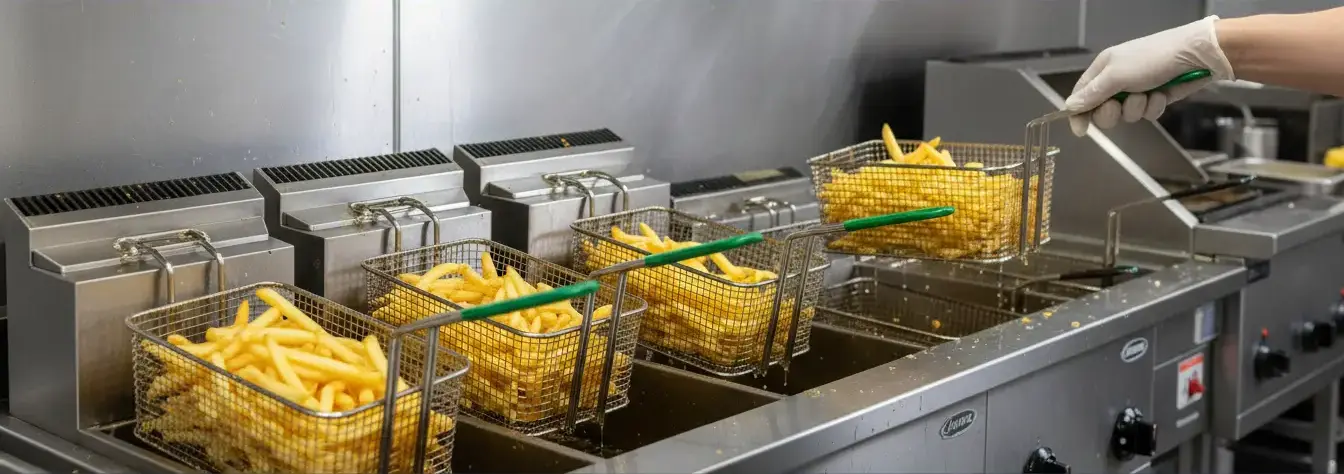
Find the Best Used Cooking Oil Collection Companies for Your Business
No obligation • Fast responses • Nationwide coverage

Why you can trust Restaurant Waste Disposal
Restaurant Waste Disposal is a leading U.S. resource for comparing restaurant composting, food-waste recycling, grease trap cleaning, and used cooking oil collection services. Our editorial team researches providers, checks credentials, and organizes unbiased information so operators can make informed decisions. Companies cannot pay to change ratings or placement.
Search providers near you
Top Used Cooking Oil Collection Companies in Everett, Washington Ranked
For restaurants and food service businesses in Everett, managing used cooking oil (UCO) is a critical operational and environmental responsibility. Proper grease collection and disposal are not just about cleanliness; they are mandated by local and state regulations to protect the city's sewer infrastructure from costly and disruptive blockages. Fortunately, this necessary process can also be a source of potential revenue, as high-quality used oil is a valuable feedstock for producing renewable biofuels like biodiesel and sustainable aviation fuel. By partnering with a licensed hauler, Everett establishments can ensure compliance, streamline kitchen operations, and contribute to a circular economy.
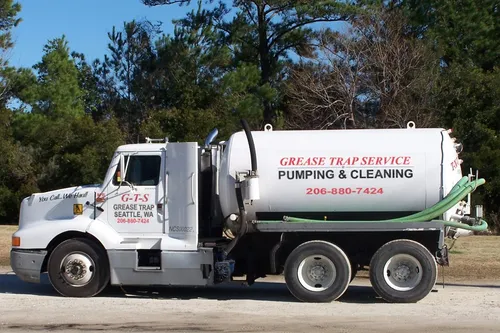
Understanding Everett's Grease and Oil Regulations
In Everett, as in much of Massachusetts, food service establishments are legally required to prevent fats, oils, and grease (FOG) from entering the public sewer system. This is primarily achieved through two interconnected mandates: the installation and maintenance of grease traps or interceptors, and the use of licensed waste oil haulers for used cooking oil collection.
- Mandatory Grease Interceptors: Every food establishment must have properly sized and functioning grease traps. These devices capture FOG from wastewater before it drains into the city's sewers. Regular inspection and cleaning-often monthly-are required to keep them effective. Failure to maintain these systems can lead to sewer backups, environmental violations, and significant fines. 1 2
- Licensed Hauler Requirement: You cannot simply dispose of used fryer oil with regular trash or down a drain. Massachusetts law requires that used cooking oil be collected by a licensed waste oil transporter. Many service providers in the Everett area offer combined services, handling both your grease trap cleaning and your UCO collection, which simplifies compliance. 3
Best Practices for On-Site Oil Storage & Handling
How you handle and store oil before pickup directly impacts safety, compliance, and the potential value of your oil. Following best practices ensures a smooth process.
- Designated Containers: Oil should be stored in dedicated, non-reactive containers-typically stainless steel or heavy-duty plastic bins provided by your collection service. These containers must have tight-fitting, locking lids to prevent spills, odors, and contamination. 4
- Strategic Location: Storage depends on volume. Smaller containers (e.g., 40-gallon barrels) may be kept in a designated kitchen area. Larger outdoor containers (50 to 300+ gallons) are common for high-volume producers; these are often insulated or heated to prevent oil from solidifying in colder months. All containers should be kept away from direct heat and light sources.
- Quality Control is Key: The value of your used oil for recycling depends on its purity. Kitchen staff should always filter cooled oil through a screen to remove food particles before transferring it to the storage container. Avoid mixing oil with water, soap, or other liquids. Promptly clean up any spills. High-quality, contaminant-free oil is more valuable and may qualify you for better service terms or rebates. 5
The Collection and Recycling Process Explained
The journey of your used cooking oil from the fryer to becoming renewable fuel is a straightforward partnership between your kitchen and your service provider.
- Filter and Store: After cooling, kitchen staff filter the oil into the provided collection container.
- Scheduled Pickup: Your licensed hauler, such as Mahoney Environmental or Grand Natural, arrives on a regular schedule (weekly, bi-weekly, or monthly) based on your volume. They use specialized trucks to pump the oil directly from your storage container.
- Transformation: The collected oil is transported to a processing facility. There, it is cleaned and refined. Through a process called transesterification, the used cooking oil is converted into biodiesel, a clean-burning renewable diesel alternative. It can also be processed into other bioproducts like sustainable aviation fuel (SAF). 6 7
Find the perfect used cooking oil collection companies for your needs
Get personalized recommendations and expert advice
Choosing a Service Provider in Everett
Several reputable companies serve the Everett area, including Grand Natural, Mahoney Environmental, and Grease Connections. When evaluating providers, consider the following:
- Compliance Assurance: Verify the company is fully licensed to transport waste oil in Massachusetts. 8
- Service Model: Many offer free collection containers and flexible pickup schedules. Some provide advanced, automated systems like Direct Connect for cleaner, more efficient transfers directly from your fryer filter system. 9
- Transparent Terms: Understand the fee structure. For establishments generating significant volumes (often 100+ gallons per month), pickup services are frequently offered for free. Furthermore, providers may pay a rebate based on the quantity and quality of oil collected, which can turn a cost center into a minor revenue stream.
The Environmental and Economic Benefits
Proper used cooking oil management creates a powerful win-win scenario. Environmentally, it prevents sewer overflows and water pollution while supplying a crucial raw material for the biofuel industry, reducing reliance on fossil fuels. Economically, it helps restaurants avoid costly plumbing emergencies and fines for non-compliance. For high-volume producers, the rebates or free service offered by collectors can provide a direct financial benefit, making responsible disposal a smart business decision. 10 11 12
Frequently asked questions
Sources
Footnotes
-
FAQ - Everett Grease Trap Services (Call Now) - https://greasetrapeverett.com/faq/ ↩
-
Massachusetts Codes and Regulations Regarding Grease Traps - https://foodgreasetrappers.com/2021/03/massachusetts-codes-and-regulations-regarding-grease-traps/ ↩
-
Waste Oil Management - Mass.gov - https://www.mass.gov/info-details/waste-oil-management ↩
-
Grease Collection Service: What is it - Grand Natural Inc - https://www.grandnaturalinc.com/blog/what-is-grease-collection-service.html ↩
-
Used Cooking Oil (UCO) Collection Service For Restaurants - https://thegreasecompany.com/blog/restaurant-used-cooking-oil-collection/ ↩
-
Used Cooking Oil Pickup and Recycling Services in Boston MA - https://www.mahoneyes.com/waste-oil-pickup-recycling-boston-ma/ ↩
-
Restaurant Grease Pick Up & Disposal Services in Boston MA - https://www.mahoneyes.com/fryer-oil-disposal-recycling-boston-ma/ ↩
-
Used Cooking Oil Regulations for Food Service Businesses - https://bakercommodities.com/blog/2024/02/08/legal-requirement-used-cooking-grease/ ↩
-
Used Cooking Oil Pickup and Recycling Services in Everett - https://www.grandnatural.com/locations/used-cooking-oil-recycling-in-everett.html ↩
-
Used Cooking Oil Disposal: Complete Guide to Grease Pickups - https://greaseconnections.com/used-cooking-oil-disposal-guide-grease-pickups/ ↩
-
Restaurant Used Cooking Oil Recycling & Disposal Guide - https://greaseconnections.com/restaurant-used-cooking-oil-disposal-recycling-revenue-guide/ ↩
-
Restaurant Waste Cooking Oil and Recycling - http://www.westernmassrendering.com/Waste%20Cooking%20Oil%20Recycling.html ↩