Find the Best Used Cooking Oil Collection Companies for Your Business
No obligation • Fast responses • Nationwide coverage

Why you can trust Restaurant Waste Disposal
Restaurant Waste Disposal is a leading U.S. resource for comparing restaurant composting, food-waste recycling, grease trap cleaning, and used cooking oil collection services. Our editorial team researches providers, checks credentials, and organizes unbiased information so operators can make informed decisions. Companies cannot pay to change ratings or placement.
Search providers near you
Top Used Cooking Oil Collection Companies in Edmonds, Washington Ranked
For restaurants and food service establishments in Edmonds, managing used cooking oil is a critical operational and environmental responsibility. Proper handling of fats, oils, and grease (FOG) is not only mandated by local regulations but also presents an opportunity to contribute to a circular economy by recycling this waste product into valuable resources like biodiesel. Partnering with a professional collection service ensures compliance, prevents costly sewer backups, and can even turn a waste stream into a minor revenue source. This guide outlines the essential practices, local rules, and economic considerations for effective used cooking oil management in Edmonds.
Restaurant Technologies
19437 66th Ave S, Kent, WA 98032
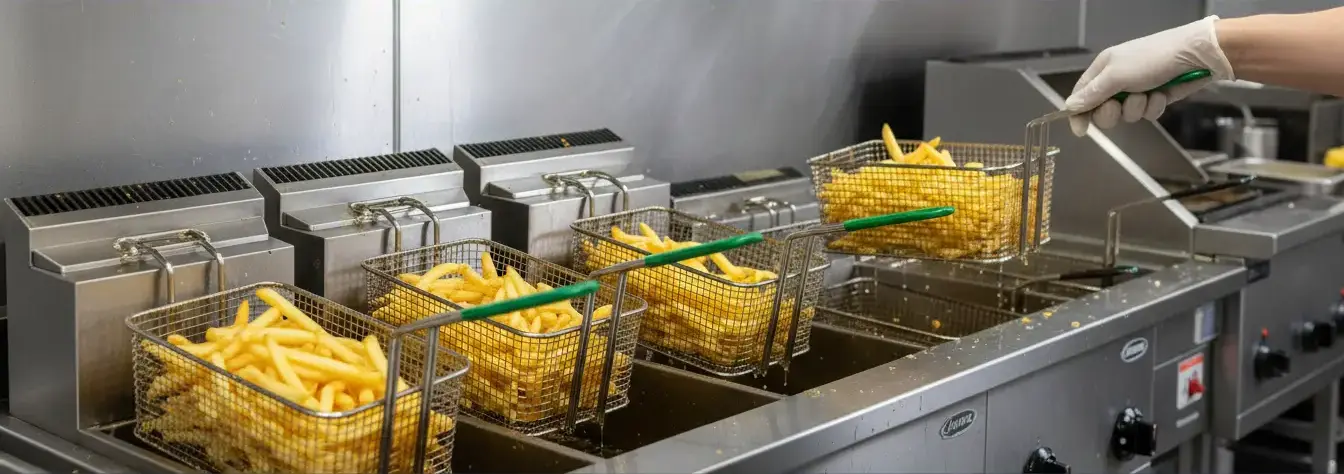
Restaurant Technologies is a used cooking oil collection company based in Kent, WA. They provide an end-to-end cooking oil management system that includes bulk oil delivery, filtration, and recycling. Their automatic system installs tanks and controls in commercial kitchens to safely deliver fresh oil and remove used oil without manual handling. This service helps reduce hazards and improve safety in back-of-house operations while supporting sustainability initiatives.
Seattle Grease Trap Services
107 Cherry St #310, Seattle, WA 98104
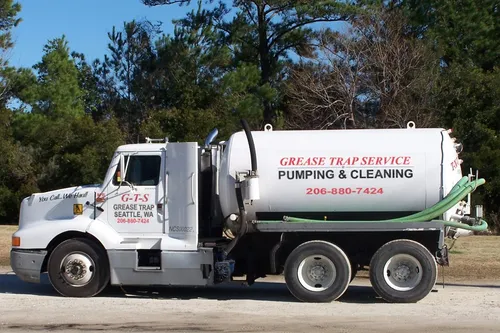
Seattle Grease Trap Services provides comprehensive grease trap and interceptor cleaning, pumping, installation, and repair services in Seattle, WA. Serving commercial kitchens, restaurants, schools, and industrial facilities, they cover Seattle and surrounding areas including King and Pierce Counties. With over 15 years of experience, the company offers licensed and environmentally responsible grease trap maintenance, ensuring compliance with local regulations. Their fleet of pump trucks and trained technicians handle grease trap measurement, pumping, cleaning, and record keeping to support smooth kitchen operations and prevent blockages or fines.
Baker Commodities Inc
5795 S 130th Pl, Seattle, WA 98178
Baker Commodities Inc is a grease removal and used cooking oil collection company based in Seattle, WA. They serve the Pacific Northwest region, providing restaurant grease pickup, grease trap cleaning, and animal by-product recycling services. Their capabilities include using vacuum pumps and hydrojetters to clean grease traps efficiently, helping to prevent sewer clogs and promote environmental sustainability. The company offers 24-hour emergency rendering and grease collection services to support local food service businesses and protect the community's natural surroundings.
Mahoney Environmental Restaurant Cooking Oil Recycling
6333 1st Ave S, Seattle, WA 98108
Mahoney Environmental Restaurant Cooking Oil Recycling provides used cooking oil collection, recycling, and grease trap services for foodservice businesses in Seattle, WA. They serve restaurants, bars, hotels, grocery stores, universities, shared kitchens, and ghost kitchens by offering scheduled used cooking oil pickup and environmentally responsible recycling into renewable diesel and sustainable aviation fuel. The company also installs and maintains commercial grease traps to prevent fats, oils, and grease from entering the sewer system, including 24/7 emergency cleanup services. Mahoney Environmental offers automated cooking oil handling systems to improve safety and efficiency in commercial kitchens. As a licensed EPA recycler, they provide accurate reporting and equipment to ensure compliance with environmental regulations.
Understanding Local FOG Regulations
Edmonds, along with King County, has specific rules designed to protect the municipal sewer system from blockages caused by fats, oils, and grease. Compliance is not optional; it's a key part of operating a responsible food service business.
Key Prohibitions and Requirements:
- No Drain Disposal: It is illegal to pour used fryer oil, grease, or food scraps containing FOG down any drain, including sinks, floor drains, or toilets. This practice is a primary cause of sewer clogs and backups.
- Mandatory Grease Interceptors: Most restaurants are required to install and maintain grease traps or interceptors 1. These devices capture grease and solids before wastewater enters the city's sewer lines.
- Proper Storage: All cooled used cooking oil and grease must be stored in sturdy, leak-proof containers with secure lids 2. This prevents spills, odors, and pest attraction on your property.
- Professional Collection: You must work with a licensed hauler or transporter for the final pickup and recycling of your accumulated used oil. Self-hauling to certain facilities may be an option, but it must be done in accordance with Washington State Department of Ecology guidelines for used oil transporters 3.
The Professional Collection and Recycling Process
Engaging a professional service simplifies compliance and ensures your oil is handled correctly from your kitchen to its next life as a renewable product.
Step-by-Step Workflow:
- On-Site Storage: After filtering, cooled oil is transferred into a dedicated container provided by your collection company. These are typically sealed barrels or small outdoor tanks.
- Scheduled Pickup: Based on your volume, the service will establish a regular pickup schedule-weekly, bi-weekly, or monthly. They handle the pumping or swapping of full containers.
- Transportation & Processing: The collected oil is transported to a processing facility. There, it undergoes cleaning to remove food particles and water.
- Recycling into New Products: The purified oil is most commonly converted into biodiesel, a cleaner-burning renewable fuel 4. It can also be used in the production of animal feed, soaps, and other industrial products.
This process effectively diverts waste from landfills and sewers, supporting Washington State's sustainability goals.
Cost Structure and Potential Revenue
The economics of used cooking oil collection can vary significantly. Many providers structure their services to incentivize clean, high-volume collection.
Common Pricing Models:
- Free Pickup for Low Volume: Establishments generating less than 100 gallons per month often receive free pickup and removal services. The service provider's revenue comes entirely from the recycled commodity.
- Rebates or Payments for Higher Volume: For restaurants producing over 100 gallons monthly, it's common to receive a small payment or credit. Rates can range from $0.10 to $0.25 per gallon for moderate volumes (100-300 gal/month) and can increase to $0.25 to $0.65 or more per gallon for very high, consistent volumes exceeding 300 gallons monthly 5 6.
- Quality Matters: The price or rebate is heavily influenced by oil quality. Oil with minimal water, food sediment, and contamination commands a higher market value.
Find the perfect used cooking oil collection companies for your needs
Get personalized recommendations and expert advice
Maintaining Compliance and Best Practices
Beyond just scheduling a pickup, restaurants must adopt daily practices to stay in line with Edmonds' FOG program and ensure a smooth relationship with their hauler.
Essential Operational Tips:
- Cool Before Transferring: Always allow oil to cool completely before moving it to storage containers to prevent burns and container damage.
- Use Strainers: Employ fine-mesh strainers when transferring oil to remove food solids, which improves oil quality and reduces interceptor maintenance.
- Secure Storage Area: Keep collection containers in a designated, level area that is accessible for trucks but secure from vandalism or accidental damage.
- Regular Interceptor Maintenance: Have your grease trap or interceptor pumped and cleaned by a licensed service on a regular schedule (e.g., every 30-90 days) as required by local code to ensure it functions properly 7 8.
- Train Your Staff: Ensure all kitchen staff are trained never to pour grease down drains and understand the proper oil storage procedure.
Choosing a Service Provider in the Edmonds Area
When selecting a company for grease trap cleaning and used oil collection, consider providers that are licensed, insured, and have a proven track record of reliable service in Snohomish and King Counties. Look for companies that offer clear contracts, consistent scheduling, and transparent reporting on the volume of oil collected. Examples of providers that service the broader Puget Sound region, including Edmonds, include Mahoney Environmental and NW Biofuel, among others 9 10. It's advisable to get quotes from multiple services to compare schedules, container options, and any potential revenue-sharing models.
Proper management of used cooking oil is a clear win for Edmonds restaurants: it ensures regulatory compliance, protects plumbing and city infrastructure, supports environmental sustainability, and can provide a small operational offset. By implementing a systematic approach with a trusted partner, food service operators can turn a messy waste product into a resource.
Frequently asked questions
Sources
Footnotes
-
7.91.080 Pretreatment facilities | Edmonds City Code - https://edmonds.municipal.codes/ECC/7.91.080(D)(4) ↩
-
Storage of Solid Waste and Food Wastes (Including Cooking Grease) - https://your.kingcounty.gov/dnrp/library/water-and-land/stormwater/stormwater-pollution-prevention-manual/a08-jul21.pdf ↩
-
Used oil - Washington State Department of Ecology - https://ecology.wa.gov/regulations-permits/guidance-technical-assistance/dangerous-waste-guidance/common-dangerous-waste/used-oil ↩
-
Grease Collection Service: What is it - Grand Natural Inc - https://www.grandnaturalinc.com/blog/what-is-grease-collection-service.html ↩
-
Used Cooking Oil Disposal: Complete Guide to Grease Pickups - https://greaseconnections.com/used-cooking-oil-disposal-guide-grease-pickups/ ↩
-
Restaurant Used Cooking Oil Recycling & Disposal Guide - https://greaseconnections.com/restaurant-used-cooking-oil-disposal-recycling-revenue-guide/ ↩
-
Fats, Oils & Grease (F.O.G.) - City of Edmonds, WA - https://www.edmondswa.gov/government/departments/public_works_and_utilities/fats__oils___grease___f__o__g__ ↩
-
Grease Disposal - Metropolitan Council - https://metrocouncil.org/Wastewater-Water/Services/Industrial-Waste/Pollutants-of-Concern/Fats-Oils-Grease/Grease-Disposal.aspx ↩
-
Restaurant Grease Pick Up and Disposal Services in Seattle WA - https://www.mahoneyes.com/fryer-oil-disposal-recycling-seattle-wa/ ↩
-
Used Cooking Oil Collection Services | NW Biofuel - https://nwbiofuel.com/used-cooking-oil-collection/ ↩