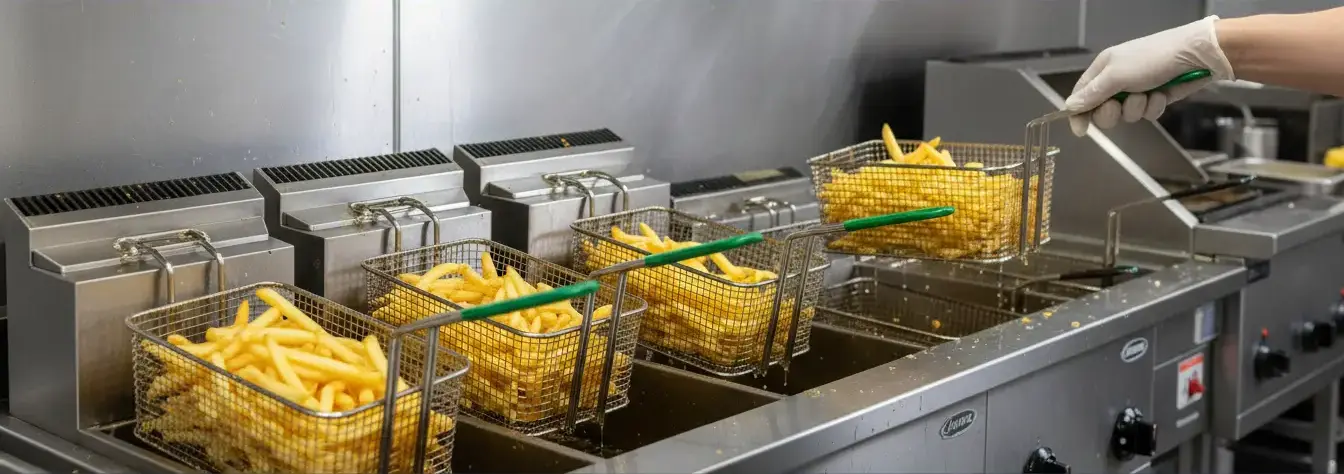
Find the Best Used Cooking Oil Collection Companies for Your Business
No obligation • Fast responses • Nationwide coverage

Why you can trust Restaurant Waste Disposal
Restaurant Waste Disposal is a leading U.S. resource for comparing restaurant composting, food-waste recycling, grease trap cleaning, and used cooking oil collection services. Our editorial team researches providers, checks credentials, and organizes unbiased information so operators can make informed decisions. Companies cannot pay to change ratings or placement.
Search providers near you
Top Used Cooking Oil Collection Companies in Bothell, Washington Ranked
For restaurants and food service establishments in Bothell, managing used cooking oil (UCO) is a critical operational and environmental responsibility. Proper grease collection and disposal are not only mandated by local Fats, Oils, and Grease (FOG) regulations but also present an opportunity to contribute to a circular economy by recycling this waste stream into valuable products like biodiesel. By partnering with a licensed hauler, Bothell businesses can ensure compliance, maintain clean and safe kitchens, and potentially offset costs through volume-based rebate programs. This guide outlines the essential steps for proper UCO management, from on-site handling to final recycling, and highlights key local service considerations.
Restaurant Technologies
19437 66th Ave S, Kent, WA 98032
Restaurant Technologies is a used cooking oil collection company based in Kent, WA. They provide an end-to-end cooking oil management system that includes bulk oil delivery, filtration, and recycling. Their automatic system installs tanks and controls in commercial kitchens to safely deliver fresh oil and remove used oil without manual handling. This service helps reduce hazards and improve safety in back-of-house operations while supporting sustainability initiatives.
Seattle Grease Trap Services
107 Cherry St #310, Seattle, WA 98104
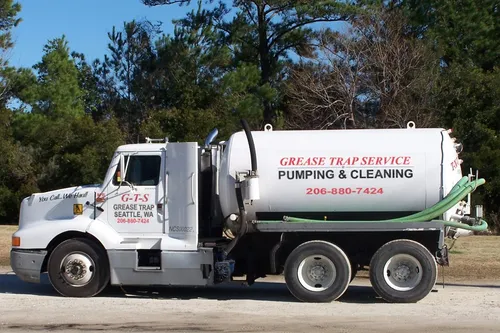
Seattle Grease Trap Services provides comprehensive grease trap and interceptor cleaning, pumping, installation, and repair services in Seattle, WA. Serving commercial kitchens, restaurants, schools, and industrial facilities, they cover Seattle and surrounding areas including King and Pierce Counties. With over 15 years of experience, the company offers licensed and environmentally responsible grease trap maintenance, ensuring compliance with local regulations. Their fleet of pump trucks and trained technicians handle grease trap measurement, pumping, cleaning, and record keeping to support smooth kitchen operations and prevent blockages or fines.
Baker Commodities Inc
5795 S 130th Pl, Seattle, WA 98178
Baker Commodities Inc is a grease removal and used cooking oil collection company based in Seattle, WA. They serve the Pacific Northwest region, providing restaurant grease pickup, grease trap cleaning, and animal by-product recycling services. Their capabilities include using vacuum pumps and hydrojetters to clean grease traps efficiently, helping to prevent sewer clogs and promote environmental sustainability. The company offers 24-hour emergency rendering and grease collection services to support local food service businesses and protect the community's natural surroundings.
Mahoney Environmental Restaurant Cooking Oil Recycling
6333 1st Ave S, Seattle, WA 98108
Mahoney Environmental Restaurant Cooking Oil Recycling provides used cooking oil collection, recycling, and grease trap services for foodservice businesses in Seattle, WA. They serve restaurants, bars, hotels, grocery stores, universities, shared kitchens, and ghost kitchens by offering scheduled used cooking oil pickup and environmentally responsible recycling into renewable diesel and sustainable aviation fuel. The company also installs and maintains commercial grease traps to prevent fats, oils, and grease from entering the sewer system, including 24/7 emergency cleanup services. Mahoney Environmental offers automated cooking oil handling systems to improve safety and efficiency in commercial kitchens. As a licensed EPA recycler, they provide accurate reporting and equipment to ensure compliance with environmental regulations.
Understanding Local FOG Regulations
The City of Bothell enforces a Fats, Oils, and Grease (FOG) program designed to protect the municipal sewer system from blockages and overflows, which can lead to costly backups and environmental damage 1. These rules strictly prohibit the disposal of used fryer oil, animal fats, and greasy food scraps down sinks, drains, or garbage disposals. Compliance involves implementing best management practices (BMPs) in your kitchen and ensuring that any third-party grease trap cleaning or waste oil pickup service you use is properly licensed and adheres to state and local requirements 2. Regular inspections may be conducted to verify that establishments are not contributing to sewer line obstructions, making a reliable UCO collection partnership essential for ongoing operations.
Best Practices for On-Site Oil Handling
Safe and efficient handling of waste oil begins in your kitchen. Following a consistent procedure minimizes mess, safety hazards, and compliance risks.
- Cool Completely: Always allow oil to cool to a safe temperature (generally below 120°F) before handling to prevent burns or fires 3.
- Contain Properly: Transfer the cooled oil into a dedicated, sealable container. This could be the original container, a heavy-duty plastic jug, or a specialized bin provided by your collection service. Avoid using containers that are brittle, cracked, or unsealable.
- Label Clearly: Mark containers as "Used Cooking Oil" to prevent accidental misuse and to inform staff.
- Store Securely: Keep filled containers in a designated storage area that is accessible for pickup, away from drains, food prep areas, and heat sources. The storage area should be clean to prevent spills and pest attraction 4.
- Use Sink Strainers: Install and regularly clean sink strainers to catch food solids, which is a primary component of grease-related clogs.
The Collection and Recycling Process
Once your used oil is properly stored, a scheduled pickup by a licensed hauler completes the first step in its journey from waste to resource.
- Scheduled Pickup: Your service provider will establish a regular collection schedule-weekly, bi-weekly, or monthly-based on your volume of oil production. They will swap out full containers with clean, empty ones 5.
- Transportation: The collected oil is transported in specialized trucks to a processing or recycling facility. It is crucial to verify that your hauler is licensed by the Washington State Department of Ecology to transport this type of waste.
- Recycling & Repurposing: At the facility, the used cooking oil is processed. The primary end product is biodiesel, a renewable fuel that reduces dependence on fossil fuels. Other potential uses include ingredients for animal feed, soaps, and industrial lubricants 6. This process ensures the oil is diverted from landfills and wastewater systems, creating environmental benefits.
Potential Costs and Rebate Programs
The cost for used cooking oil collection in Bothell can vary depending on the provider, frequency of service, and volume generated. Some companies may charge a fee for pickup and processing, while others may structure their services differently 7.
A notable feature of the UCO recycling market is the potential for volume-based rebates. Providers often offer rebate programs where restaurants generating large, consistent volumes of oil (e.g., 100+ gallons per pickup) can receive a payment per gallon collected 8. This can turn a waste disposal cost into a minor revenue stream or significantly offset service fees. Furthermore, many providers offer bundled services, combining used oil collection with essential grease trap/interceptor cleaning and maintenance, which can simplify vendor management and potentially offer cost savings 9.
Find the perfect used cooking oil collection companies for your needs
Get personalized recommendations and expert advice
Choosing a Service Provider in Bothell
Selecting the right partner for your grease trap and waste oil needs is a key decision. When evaluating providers, consider their local experience, compliance certifications, service flexibility, and transparency regarding costs or rebates. It's advisable to request quotes and service details from multiple companies to find the best fit for your establishment's specific volume and schedule.
- Verify Licensing: Confirm the hauler is licensed with the Washington State Department of Ecology for used oil transportation.
- Ask About End-Use: Inquire where the oil is taken for recycling. Reputable providers will be transparent about their partnerships with biodiesel producers or other recycling facilities 10.
- Review Service Agreements: Understand the terms for pickup schedules, container provision, and any fees or rebate calculations.
- Consider Bundling: If you also require grease trap cleaning, explore providers that offer both services for potential efficiency and coordination benefits.
Environmental and Operational Benefits
Implementing a professional used cooking oil collection system extends beyond mere regulatory compliance. It represents a commitment to sustainable business practices. By recycling UCO into biodiesel, restaurants directly contribute to reducing greenhouse gas emissions and fossil fuel consumption 11. Operationally, a reliable collection service prevents the accumulation of rancid oil, which can create odors and attract pests. It also frees up staff time and reduces the liability associated with improper disposal or on-site storage accidents. Proper management protects your plumbing from costly clogs and aligns your business with the growing consumer preference for environmentally responsible operators.
Frequently asked questions
Sources
Footnotes
-
Fats, Oils & Grease (FOG) Program - Bothell WA - https://www.bothellwa.gov/382/Fats-oils-grease-program ↩
-
Used oil - Washington State Department of Ecology - https://ecology.wa.gov/regulations-permits/guidance-technical-assistance/dangerous-waste-guidance/common-dangerous-waste/used-oil ↩
-
Used Cooking Oil Disposal: Complete Guide to Grease Pickups - https://greaseconnections.com/used-cooking-oil-disposal-guide-grease-pickups/ ↩
-
How to Properly Store Used Cooking Oil for Recycling Pickup - https://nwbiofuel.com/blog/how-to-properly-store-used-cooking-oil-for-recycling-pickup/ ↩
-
Used Cooking Oil (UCO) Collection Service For Restaurants - https://thegreasecompany.com/blog/restaurant-used-cooking-oil-collection/ ↩
-
Grease Collection Service: What is it - Grand Natural Inc - https://www.grandnaturalinc.com/blog/what-is-grease-collection-service.html ↩
-
Used Cooking Oil Disposal in Seattle, WA - NW Biofuel - https://nwbiofuel.com/blog/seattle-used-cooking-oil-collection-disposal-and-recycling/ ↩
-
Restaurant Used Cooking Oil: Disposal, Recycling & Revenue Guide - https://greaseconnections.com/restaurant-used-cooking-oil-disposal-recycling-revenue-guide/ ↩
-
Used Cooking Oil Pickup and Recycling Services in Washington - Grand Natural - https://www.grandnatural.com/locations/used-cooking-oil-recycling-in-washington.html ↩
-
Cooking Oil Collection & Grease Recycling Service - https://thegreasecompany.com/oilcollection.html ↩
-
Used Cooking Oil Collection, Disposal, & Recycling - NW Biofuel - https://nwbiofuel.com/used-cooking-oil-collection/ ↩