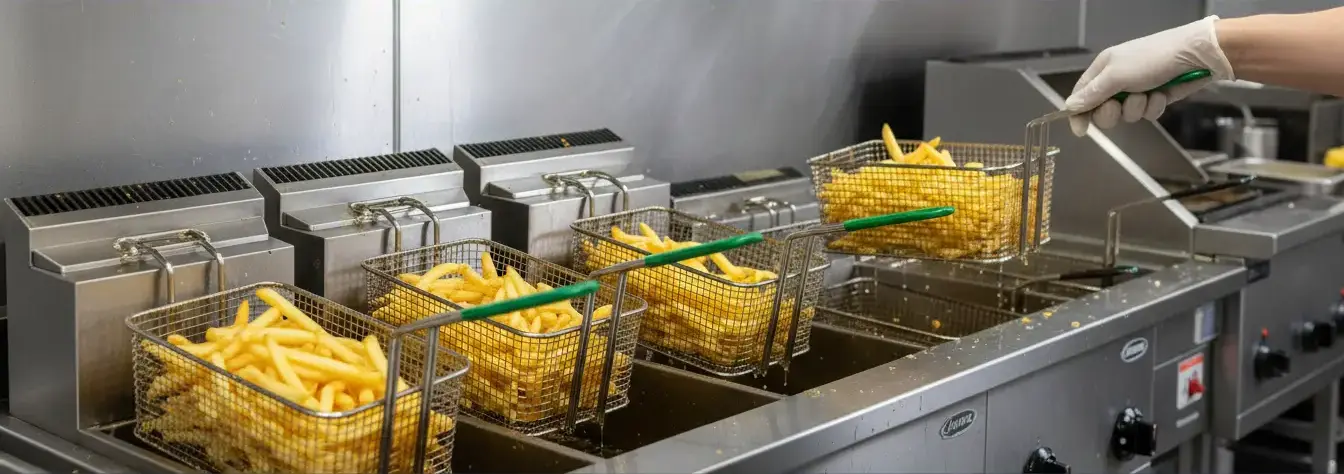
Find the Best Used Cooking Oil Collection Companies for Your Business
No obligation • Fast responses • Nationwide coverage

Why you can trust Restaurant Waste Disposal
Restaurant Waste Disposal is a leading U.S. resource for comparing restaurant composting, food-waste recycling, grease trap cleaning, and used cooking oil collection services. Our editorial team researches providers, checks credentials, and organizes unbiased information so operators can make informed decisions. Companies cannot pay to change ratings or placement.
Search providers near you
Top Used Cooking Oil Collection Companies in Wilson, North Carolina Ranked
For restaurants and food service businesses in Wilson, managing used cooking oil (UCO) is more than just a routine cleanup task-it's a critical component of operational compliance, environmental responsibility, and potential revenue. Proper grease collection and disposal are mandated by local regulations to protect the city's sewer infrastructure from costly and disruptive clogs. Fortunately, a structured system exists where permitted haulers provide free secure containers, scheduled pickups, and often pay for your quality oil, turning a waste product into biodiesel and other valuable resources. This guide outlines everything you need to know about navigating used cooking oil recycling in Wilson, from selecting a service to maximizing value and ensuring full compliance.
Why Proper Grease Disposal is Mandatory in Wilson
The City of Wilson's Water Resources Department enforces a Fats, Oils, and Grease (FOG) program designed to prevent sewer blockages and overflows. When grease is poured down drains, it cools and solidifies, creating massive blockages in both private plumbing and public sewer lines. These blockages can lead to sewage backups into businesses and homes, environmental contamination, and expensive emergency repairs.
To combat this, Wilson requires food service establishments to use licensed, permitted haulers for the removal of used cooking oil and grease trap waste. Dumping grease into sinks, floor drains, or outdoor areas is a violation that can result in significant fines. By partnering with a certified used cooking oil collection service, you not only avoid these penalties but also contribute to the city's broader sustainability and infrastructure protection goals.
The Step-by-Step Process for Oil Collection & Recycling
Enrolling in a used cooking oil collection program is a straightforward process that integrates seamlessly into your kitchen's daily operations.
1. Assessment and Enrollment The first step is to contact a permitted used cooking oil hauler. A representative will typically assess your establishment's volume of oil production based on your fryer count and menu to recommend an appropriate service schedule and container size.
2. Container Provision and Placement Upon signing up, the hauler will provide secure, spill-proof collection bins, often at no cost 1. These containers, which can range from 50 to over 300 gallons, are placed in a designated, accessible area, either indoors or outdoors. Security features like locking lids are standard to prevent theft and contamination 2.
3. Safe Collection and Storage Kitchen staff should allow oil to cool below 120°F before transferring it to the storage bin 3. It's crucial to scrape solid fats and food scraps into the garbage before pouring oil to maintain its quality. Keeping the oil free from water and debris is key to maximizing its recycling value and any potential rebate.
4. Scheduled Pickup and Transportation The hauler will establish a regular pickup schedule-weekly, monthly, or quarterly-based on your usage 4. Their trained technicians will service your container, pumping out the oil and transporting it in specialized trucks to a processing facility.
5. Recycling into New Products The collected oil is not waste. At recycling centers, it is cleaned and processed into valuable commodities. The primary product is biodiesel, a renewable fuel that reduces dependence on fossil fuels 5. It can also be used in the production of animal feed, soaps, and industrial lubricants, completing a true circular economy loop.
Find the perfect used cooking oil collection companies for your needs
Get personalized recommendations and expert advice
Understanding Costs, Rebates, and Financial Benefits
A major advantage of modern used cooking oil collection is that it is rarely a pure cost center for businesses. The economic model is designed to incentivize proper recycling.
- Minimal to No Direct Cost: Many haulers offer their collection services for free, including the provision and maintenance of storage containers 6 7. Their revenue comes from selling the recycled oil to processors.
- Potential for Revenue or Rebates: If your oil is kept clean and free of contaminants, you may be eligible for a rebate or direct payment. Prices vary with market conditions, but quality used cooking oil can earn between $0.10 and $0.65 or more per gallon 8 9. This can turn a line-item expense into a modest revenue stream.
- Avoiding Major Costs: The financial benefits of compliance cannot be overstated. Fines for improper grease disposal can be severe. Furthermore, the cost of repairing a grease-clogged sewer line on your property or the business interruption from a backup can far exceed any service fee 10.
Key Compliance and Safety Best Practices
Adhering to best practices ensures safety, maximizes oil value, and keeps your business in good standing.
- Use Permitted Haulers Only: Always verify that your collection service is properly permitted with the state of North Carolina and recognized by the City of Wilson. Reputable companies will be able to provide this documentation.
- Maintain Proper Storage: Keep collection bins closed and locked when not in use. Store them on a stable, paved surface to prevent spills and avoid placement near storm drains.
- Never Mix Waste Streams: Do not mix used cooking oil with garbage, wastewater, or chemicals. This contaminates the oil, rendering it unrecyclable and eliminating any rebate potential 11.
- Coordinate with Grease Trap Maintenance: Used cooking oil collection is separate from, but complementary to, grease trap cleaning. Both are essential for full FOG compliance. Ensure your grease interceptor is pumped regularly by a licensed service.
Selecting a Used Cooking Oil Collection Service in Wilson
Several national and regional providers service the Wilson area. When comparing options, consider the following:
- Services Offered: Do they provide free, secure containers? What is their pickup schedule flexibility?
- Pricing Structure: Is the service free? Do they offer a rebate program, and how is the oil quality measured?
- Compliance Assurance: Are they fully permitted and insured? Can they provide references from other local restaurants?
- Sustainability Commitment: Ask about the end destination of the oil. A commitment to biodiesel production is a strong environmental indicator.
Companies like Mahoney Environmental, Greasecycle, Liquid Recovery Solutions, and Eazy Grease are examples of providers active in North Carolina that offer comprehensive used cooking oil collection programs 12.
The Environmental Impact of Recycling UCO
Choosing to recycle your used cooking oil has a direct positive impact. Biodiesel produced from recycled oil burns cleaner than petroleum diesel, reducing greenhouse gas emissions and particulate matter pollution. By diverting this material from landfills and sewers, you help conserve water treatment resources and prevent soil and water contamination. For a business, this is a tangible way to enhance your sustainability profile and meet the expectations of environmentally conscious customers.
Frequently asked questions
Sources
Footnotes
-
Restaurant Grease Collection, Recycling & Grease Trap Cleaning ... - https://www.mahoneyes.com/restaurant-grease-collection-charlotte-nc/ ↩
-
Grease Collection Service: What is it - Grand Natural Inc - https://www.grandnaturalinc.com/blog/what-is-grease-collection-service.html ↩
-
Used Cooking Oil Disposal: Complete Guide to Grease Pickups - https://greaseconnections.com/used-cooking-oil-disposal-guide-grease-pickups/ ↩
-
Grease Disposal & Used Cooking Oil Pickup in North & South ... - https://liquidrecover.com/carolinas/ ↩
-
Used Cooking Oil (UCO) Collection Service For Restaurants - https://thegreasecompany.com/blog/restaurant-used-cooking-oil-collection/ ↩
-
Cooking Oil Disposal Company & Services | Charlotte NC - https://liquidrecover.com/cooking-oil-disposal-charlotte-nc/ ↩
-
Used Cooking Oil Recycling & Pickup for Restaurants | NC ... - https://grease-cycle.com/ ↩
-
Restaurant Used Cooking Oil Recycling & Disposal Guide - https://greaseconnections.com/restaurant-used-cooking-oil-disposal-recycling-revenue-guide/ ↩
-
Case Studies | NC DEQ - https://www.deq.nc.gov/about/divisions/environmental-assistance-and-customer-service/recycling/general-recycling-information/special-recyclables/fats-used-cooking-oil-and-grease/case-studies ↩
-
Fats, Oils and Grease (FOG) Program | Wilson, NC - https://www.wilsonnc.org/residents/city-services/all-departments/water-resources/water-reclamation/fats-oils-and-grease-program ↩
-
Fats, Used Cooking Oil and Grease | NC DEQ - https://www.deq.nc.gov/about/divisions/environmental-assistance-and-customer-service/recycling-and-materials-management/recycle-right/special-recyclables/fats-used-cooking-oil-and-grease ↩
-
Used Cooking Oil Recycling in North Carolina ... - Eazy Grease - https://eazygrease.com/used-cooking-oil-recycling-north-carolina/ ↩