Find the Best Used Cooking Oil Collection Companies for Your Business
No obligation • Fast responses • Nationwide coverage

Why you can trust Restaurant Waste Disposal
Restaurant Waste Disposal is a leading U.S. resource for comparing restaurant composting, food-waste recycling, grease trap cleaning, and used cooking oil collection services. Our editorial team researches providers, checks credentials, and organizes unbiased information so operators can make informed decisions. Companies cannot pay to change ratings or placement.
Search providers near you
Top Used Cooking Oil Collection Companies in Chapel Hill, North Carolina Ranked
For Chapel Hill restaurants, managing used cooking oil (UCO) is a critical operational and environmental responsibility. Proper disposal of this waste grease is not just about cleanliness; it's a regulated process designed to protect the local sewer system from harmful blockages and overflows. By partnering with a licensed collection service, food service establishments can transform a waste product into a valuable resource, as the oil is recycled into biodiesel and other products. This guide outlines the local rules, best practices, and recycling benefits for effective UCO management in Chapel Hill.
Orange County Solid Waste & Recycling Center- Ferguson Rd.
1616 Ferguson Rd, Chapel Hill, NC 27516
Orange County Solid Waste & Recycling Center- Ferguson Rd. serves residents of Chapel Hill, NC, providing a location for household waste disposal and recycling. The center accepts various materials including single stream recycling, motor oil, batteries, electronics, scrap metal, tires, yard waste, and clean wood. It also handles limited residential construction and demolition waste from primary residences. This facility is part of a network of five staffed centers dedicated to residential use only, with no commercial waste accepted.
Greasecycle
3900 Commerce Park Dr, Raleigh, NC 27610
Greasecycle is a family-owned used cooking oil collection company based in Raleigh, NC. They provide secure container installation, scheduled oil pickup, and handle all compliance paperwork to support restaurants and food facilities in managing their waste oil responsibly. Serving clients across the East Coast, Greasecycle specializes in used cooking oil recycling and offers detailed documentation to help businesses pass health and city inspections. Founded in 2009, they have over 15 years of experience and are a fully permitted, DOT registered hauler.

Solid Waste Convenience Center Bradshaw Quarry Rd
6705 Bradshaw Quarry Rd, Mebane, NC 27302
Solid Waste Convenience Center Bradshaw Quarry Rd is a residential waste and recycling facility located in Burlington, NC. It serves Orange County residents by accepting household garbage, bulky items, and a variety of recyclable materials. The center does not accept commercial or business waste and limits visits to one per weekday and weekend. While it offers core waste disposal services, it does not accept construction and demolition waste. The facility operates as part of a network of five staffed centers in the area, providing convenient access to waste management services for local residents.
Local Regulations and Compliance
In Chapel Hill, used cooking oil disposal is governed by regulations aimed at preventing Fats, Oils, and Grease (FOG) from entering the wastewater system. The Orange Water and Sewer Authority (OWASA) mandates that food service establishments use properly maintained grease traps or interceptors and manage their UCO through approved methods. Pouring oil down drains is strictly prohibited, as it can solidify and cause severe sewer backups and environmental contamination.
Compliance involves more than just proper pickup. Restaurants must store their oil correctly in secure, leak-proof containers provided by their hauler, typically ranging from 55 to over 240 gallons in capacity. These containers should be kept in a designated area with tight-fitting lids to prevent rainwater ingress and spills, which could lead to violations. Adhering to these local FOG prevention guidelines is essential for avoiding fines and supporting community infrastructure.
Best Practices for On-Site Handling
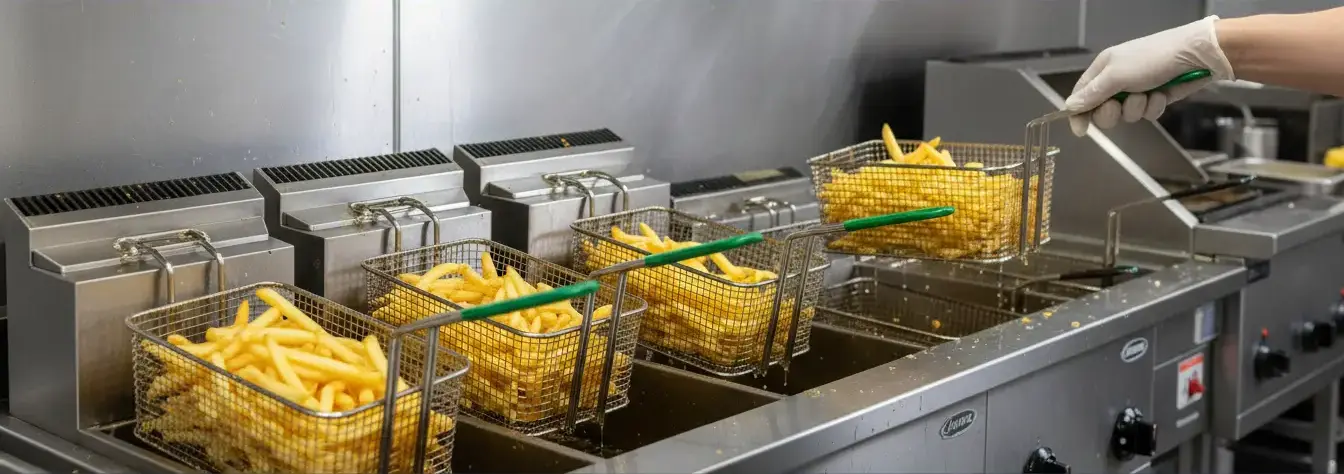
Proper handling before collection ensures oil quality, maximizes potential revenue, and maintains a safe kitchen environment. The first step is always to allow the oil to cool to a safe temperature, ideally below 120°F, before transferring it from fryers 1. Chefs should scrape solid food fats and debris into compost or trash bins and use drain screens to keep particulates out of the oil.
Preventing contamination is paramount. Water or food solids degrade the oil's value for recycling. Establishments should use absorbent pads around collection areas to manage drips and spills 2. By maintaining clean, uncontaminated oil, restaurants improve the efficiency of the recycling process and often qualify for better rebate rates from their collection vendor. Consistent, careful handling turns a routine task into a valuable part of your kitchen's operational flow.
The Collection and Recycling Process
The collection process for waste fryer oil is designed for convenience. After filtering into a storage container, restaurants schedule regular pickups with their service provider. Licensed haulers, such as those operating in the Chapel Hill area, will collect the oil on a set schedule-weekly, bi-weekly, or on-demand-depending on the volume a restaurant generates.
Once collected, the used cooking oil begins its second life. It is transported to recycling facilities, like those operated by Carolina Biofuels, where it is processed and refined. The primary end product is biodiesel, a renewable fuel that powers vehicles and equipment, closing the loop on a waste stream and contributing to a circular economy. This process ensures that the oil from Chapel Hill's kitchens helps reduce regional dependence on fossil fuels.
Find the perfect used cooking oil collection companies for your needs
Get personalized recommendations and expert advice
Financial Considerations: Cost vs. Revenue
A significant advantage of professional UCO recycling is the potential for cost neutrality or even revenue generation. Many service providers offer free collection containers and complimentary pickup services, especially for establishments with consistent, high-volume output. The business model for collectors is built on the value of the recycled commodity.
For the restaurant, high-quality, uncontaminated oil can generate rebates. Rates can vary based on market conditions and oil purity, but restaurants may earn between $0.10 to $0.65 per gallon 3 4. This revenue can effectively offset the costs of other waste management services or contribute to operational budgets. It transforms a disposal line item into a minor income stream, making environmental responsibility financially sensible.
Choosing a Service Provider in Chapel Hill
Selecting a reliable used cooking oil collector is a key decision. Restaurants should look for licensed, insured providers with a strong local presence in North Carolina. Key services to evaluate include the flexibility of pickup schedules, the quality and maintenance of provided containers, and transparency in rebate pricing or service fees 5 6.
Local and regional companies like Liquid Recovery Solutions, Greasecycle, and Eazy Grease serve the Chapel Hill area and understand state and local regulations 7 8 9. The NC Department of Environmental Quality also maintains a Recycling Markets Directory, which can be a resource for finding approved handlers 10. A good provider acts as a partner, ensuring compliance and maximizing the value of your used oil.
Environmental Impact and Community Benefits
The environmental benefits of recycling used cooking oil extend far beyond the kitchen. Diverting this material from landfills and sewers prevents pollution and reduces greenhouse gas emissions from waste decomposition 11. The production of biodiesel from UCO results in a fuel that burns cleaner than petroleum diesel, improving air quality 12.
For the Chapel Hill community, proper UCO management by local businesses directly protects watersheds and reduces the risk of costly sewer overflows, which can affect public health and property 13. By participating in a certified recycling program, restaurants proudly contribute to the town's sustainability goals and demonstrate corporate responsibility to their environmentally conscious customer base.
Residential Used Cooking Oil Disposal
While this guide focuses on commercial services, Chapel Hill and Orange County residents also have options for disposing of small quantities of used cooking oil from home cooking. The county offers limited residential drop-off at its recycling centers 14. Residents should never pour oil down home drains. Instead, they should allow it to cool, pour it into a sealed, non-breakable container like a plastic jug, and bring it to a designated collection point. This helps keep residential plumbing and the shared sewer system functioning properly.
Frequently asked questions
Sources
Footnotes
-
Used Cooking Oil Disposal: Complete Guide to Grease Pickups - https://greaseconnections.com/used-cooking-oil-disposal-guide-grease-pickups/ ↩
-
Restaurant Grease Collection, Recycling & Grease Trap Cleaning ... - https://www.mahoneyes.com/restaurant-grease-collection-charlotte-nc/ ↩
-
Case Studies | NC DEQ - https://www.deq.nc.gov/about/divisions/environmental-assistance-and-customer-service/recycling/general-recycling-information/special-recyclables/fats-used-cooking-oil-and-grease/case-studies ↩
-
Restaurant Used Cooking Oil Recycling & Disposal Guide - https://greaseconnections.com/restaurant-used-cooking-oil-disposal-recycling-revenue-guide/ ↩
-
Grease Disposal & Used Cooking Oil Pickup in North & South ... - https://liquidrecover.com/carolinas/ ↩
-
Used Cooking Oil Collection Services | NC, SC and VA - Grease Cycle - https://grease-cycle.com/cooking-oil-recycling-services/ ↩
-
Used Cooking Oil Recycling in North Carolina ... - Eazy Grease - https://eazygrease.com/used-cooking-oil-recycling-north-carolina/ ↩
-
Used Cooking Oil Recycling & Pickup for Restaurants | NC ... - https://grease-cycle.com/ ↩
-
North Carolina - Liquid Recovery Solutions - https://liquidrecover.com/our-locations/north-carolina/ ↩
-
Quick Guide - NC DEQ - https://www.deq.nc.gov/conservation/recycling/fats-oils-grease/used-cooking-oil/quick-guide ↩
-
Fats, Used Cooking Oil and Grease | NC DEQ - https://www.deq.nc.gov/about/divisions/environmental-assistance-and-customer-service/recycling-and-materials-management/recycle-right/special-recyclables/fats-used-cooking-oil-and-grease ↩
-
Restaurant Service Industry: Waste Fryer Oil Processing - https://carolinabiofuels.org/grease-collection/ ↩
-
Water Pollution Prevention - Restaurants | Town of Chapel Hill ... - https://www.townofchapelhill.org/government/departments-services/public-works/stormwater-management/prevent-water-pollution/water-pollution-prevention-restaurants ↩
-
How to dispose of or recycle Cooking Oil - Default V2 - https://orangecountync.gov/1027/Rural-Recycling-Routes#!rc-cpage=671232 ↩