Find the Best Used Cooking Oil Collection Companies for Your Business
No obligation • Fast responses • Nationwide coverage

Why you can trust Restaurant Waste Disposal
Restaurant Waste Disposal is a leading U.S. resource for comparing restaurant composting, food-waste recycling, grease trap cleaning, and used cooking oil collection services. Our editorial team researches providers, checks credentials, and organizes unbiased information so operators can make informed decisions. Companies cannot pay to change ratings or placement.
Search providers near you
Top Used Cooking Oil Collection Companies in Charlotte, North Carolina Ranked
For restaurants and food service establishments in Charlotte, managing used cooking oil (UCO) is a critical operational and environmental responsibility. Proper grease collection and recycling are not just best practices but are mandated by local codes to protect the city's sewer infrastructure from costly blockages and overflows. By partnering with a licensed hauler, Charlotte businesses can transform a waste product into valuable commodities like biodiesel, contributing to a circular economy while ensuring compliance and operational cleanliness. This guide outlines the essential steps, regulations, and service options for effective used cooking oil management in the Queen City.
Understanding Local Regulations and Requirements
In Charlotte, grease management is taken seriously by municipal authorities. The city's plumbing code requires food service establishments to install and maintain grease interceptors (commonly called grease traps) to capture fats, oils, and grease (FOG) from wastewater before it enters the sewer system 1. This is a foundational requirement for any kitchen producing grease-laden waste.
Beyond the trap, the actual used fryer oil collection is also regulated. Businesses must use licensed haulers for the removal of both grease trap waste and used cooking oil. It is illegal to pour used oil down drains, into dumpsters, or onto the ground, as these actions can lead to severe sewer backups, environmental contamination, and significant fines. Compliance involves a two-pronged approach: maintaining your grease trap and ensuring your solid cooking oil is collected separately for recycling.
The Step-by-Step Collection Process
A streamlined grease pickup process minimizes disruption and maximizes safety. Here's how it typically works for a Charlotte restaurant:
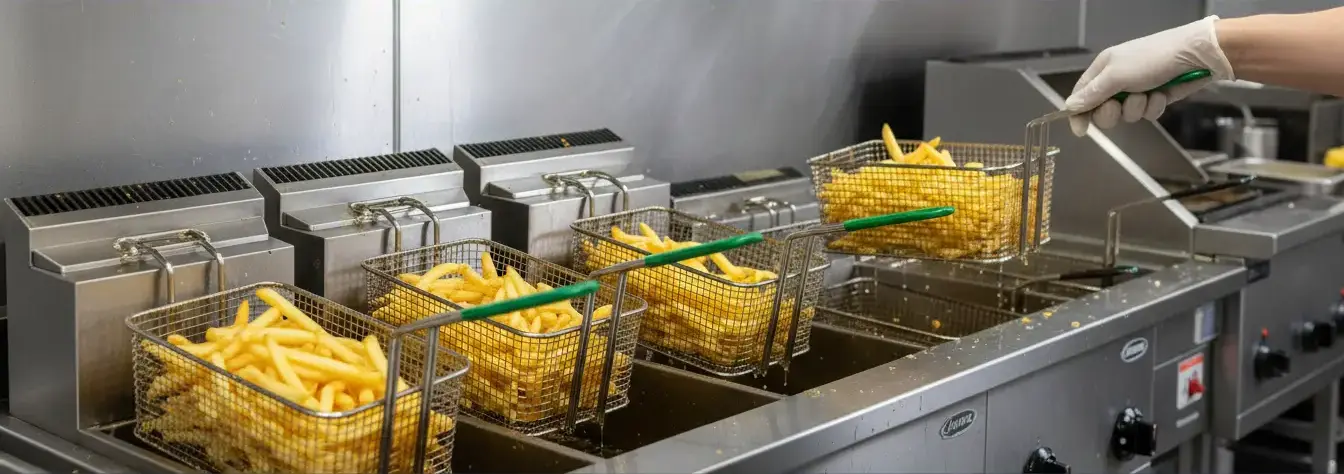
- Cooling and Transfer: After cooking, oil must be cooled to a safe temperature, generally below 120°F, before handling 2. Staff then carefully filter and transfer the cooled oil from fryers and griddles into a dedicated, secure collection container.
- Secure Storage: The filled container is stored in a designated area. This is often a secure outdoor location or a dedicated indoor space, such as a storage room or near the loading dock, to prevent theft, contamination, or accidental spills.
- Scheduled Pickup: Your contracted hauler will arrive on a pre-arranged schedule-whether weekly, bi-weekly, or on a "will-call" basis when your container is full. The service frequency is customized based on your kitchen's volume and production rate 3.
- Collection and Hauling: A service technician will pump or swap out your full container, leaving behind a clean, empty one for continued use. The collected oil is transported in specialized trucks to a processing facility.
- Recycling and Repurposing: This is where waste gains new life. At recycling centers, the used cooking oil is refined and converted into valuable products. The primary end-product is biodiesel, a renewable fuel that powers vehicles and reduces reliance on fossil fuels. It can also be processed into ingredients for animal feed, soaps, and industrial lubricants.
Essential Equipment for Oil Storage
Proper storage is key to a safe and efficient program. Reputable collection services typically provide the necessary equipment at no upfront cost. Containers are designed to be durable, leak-proof, and secure.
- Container Types: You'll encounter different styles, including stationary outdoor tanks (ranging from 40 to over 300 gallons) and smaller, mobile indoor barrels or drums. The right type depends on your space constraints and oil volume.
- Security Features: To combat grease theft, which is an unfortunate reality, containers are often equipped with locking lids and are placed in well-lit, secure areas 4. Some providers use tamper-evident seals and tracking technology.
- Safety and Cleanliness: Using the provided, purpose-built containers prevents messy spills, reduces slip hazards for staff, and keeps pests away. It also ensures the oil remains uncontaminated, which is important for its recycling value.
Find the perfect used cooking oil collection companies for your needs
Get personalized recommendations and expert advice
Choosing a Service Provider in Charlotte
Several established companies offer used cooking oil recycling and grease trap services in the Charlotte area. When evaluating providers, consider their reliability, compliance credentials, and service flexibility.
- Mahoney Environmental: A national provider with local service, offering comprehensive restaurant grease collection and grease trap maintenance programs.
- Greasecycle (Grease Cycle): A regional service operating in NC, SC, and VA, focusing on cooking oil recycling and providing collection containers and scheduled pickups 5 6.
- Liquid Recovery Solutions: A local Charlotte company that emphasizes converting UCO into biodiesel and offers both cooking oil disposal and grease trap services.
- Eazy Grease: Services North Carolina with used cooking oil pickup, providing containers and recycling the oil into renewable fuel.
- Grand Natural Inc.: Offers used cooking oil collection services in Charlotte, highlighting the environmental benefits of recycling grease 7.
When contacting providers, ask about their licensing, insurance, service schedules, and what happens to your oil after collection. A transparent provider will be happy to explain their recycling process.
The Financials: Costs, Rebates, and Value
The economic model for used cooking oil collection can vary. A common arrangement for many Charlotte restaurants, especially those with lower to moderate volume, is free pickup service 8. In this model, the hauler provides the collection container and regular service at no charge, as their revenue comes from selling the recycled oil to biodiesel producers.
For high-volume establishments like large restaurants or institutional kitchens, there may be opportunities for rebates or payment based on the quantity and quality of oil provided 9. Conversely, some services might charge a fee per gallon for collection, particularly if the volume is very low or if specific, on-demand services are requested. Always clarify the pricing structure upfront. The value of proper disposal also includes avoiding potential fines for non-compliance and reducing maintenance costs related to clogged drains.
Synergy with Grease Trap Maintenance
It's crucial to understand that used cooking oil collection and grease trap maintenance are complementary but separate services. The oil you pour from a fryer into a collection bin is "yellow grease." The FOG (fats, oils, and grease) that washes off plates, pots, and pans and congeals in your plumbing is "brown grease," which is captured by the grease trap 10.
A comprehensive waste management plan addresses both streams. Many haulers offer combined services, scheduling regular grease trap pumping alongside used cooking oil pickups 11 12. This integrated approach ensures total compliance, protects your plumbing, and simplifies vendor management.
Environmental Impact and Benefits
Choosing to recycle used cooking oil has a significant positive impact. Every gallon of used oil recycled into biodiesel offsets a gallon of petroleum diesel, reducing greenhouse gas emissions and air pollution 13. This process supports North Carolina's growing bioenergy sector. Furthermore, it prevents oil from contaminating soil and waterways, aligning with broader sustainability goals for the Charlotte community. By participating in a recycling program, your business directly contributes to a cleaner, more sustainable local environment.
Frequently asked questions
Sources
Footnotes
-
Grease Trap Policy - City of Charlotte - https://www.charlottenc.gov/files/sharedassets/cltwater/v/1/documents/developmentprojects/customer-assistance/flow-free/grease-trap-policy.pdf ↩
-
How Should Businesses Dispose of Used Cooking Oil? - https://www.allied-renewal.com/insights/how-should-businesses-dispose-of-used-cooking-oil ↩
-
Used Cooking Oil (UCO) Collection Service For Restaurants - https://thegreasecompany.com/blog/restaurant-used-cooking-oil-collection/ ↩
-
Used Cooking Oil Disposal: Complete Guide to Grease Pickups - https://greaseconnections.com/used-cooking-oil-disposal-guide-grease-pickups/ ↩
-
Used Cooking Oil Recycling & Pickup for Restaurants | NC ... - https://grease-cycle.com/ ↩
-
Used Cooking Oil Collection Services | NC, SC and VA - Grease Cycle - https://grease-cycle.com/cooking-oil-recycling-services/ ↩
-
Used Cooking Oil Collection Charlotte - https://www.grandnaturalinc.com/locations/used-cooking-oil-recycling-in-charlotte.html ↩
-
Used Cooking Oil Recycling Company & Grease Trap Services - https://liquidrecover.com/ ↩
-
Restaurant Used Cooking Oil: Disposal, Recycling & Revenue Guide - https://greaseconnections.com/restaurant-used-cooking-oil-disposal-recycling-revenue-guide/ ↩
-
Grease Collection Service: What is it - Grand Natural Inc - https://www.grandnaturalinc.com/blog/what-is-grease-collection-service.html ↩
-
Restaurant Grease Collection, Recycling & Grease Trap ... - https://www.mahoneyes.com/restaurant-grease-collection-charlotte-nc/ ↩
-
Cooking Oil Disposal Company & Services | Charlotte NC - https://liquidrecover.com/cooking-oil-disposal-charlotte-nc/ ↩
-
Used Cooking Oil Recycling in North Carolina - https://eazygrease.com/used-cooking-oil-recycling-north-carolina/ ↩