
Find the Best Used Cooking Oil Collection Companies for Your Business
No obligation • Fast responses • Nationwide coverage

Why you can trust Restaurant Waste Disposal
Restaurant Waste Disposal is a leading U.S. resource for comparing restaurant composting, food-waste recycling, grease trap cleaning, and used cooking oil collection services. Our editorial team researches providers, checks credentials, and organizes unbiased information so operators can make informed decisions. Companies cannot pay to change ratings or placement.
Search providers near you
Best Used Cooking Oil Collection Companies in North Carolina Ranked
For restaurants and food service establishments in North Carolina, managing used cooking oil (UCO) is a critical operational and environmental responsibility. Proper collection and recycling transform a potential waste liability into a source of revenue or cost savings, while ensuring compliance with state and local regulations designed to protect sewer systems and waterways. This guide outlines the essential steps for compliant UCO management, from proper storage and handling to selecting a reputable collection service, helping you navigate the process efficiently and profitably.
Orange County Solid Waste & Recycling Center- Ferguson Rd.
1616 Ferguson Rd, Chapel Hill, NC 27516
Orange County Solid Waste & Recycling Center- Ferguson Rd. serves residents of Chapel Hill, NC, providing a location for household waste disposal and recycling. The center accepts various materials including single stream recycling, motor oil, batteries, electronics, scrap metal, tires, yard waste, and clean wood. It also handles limited residential construction and demolition waste from primary residences. This facility is part of a network of five staffed centers dedicated to residential use only, with no commercial waste accepted.
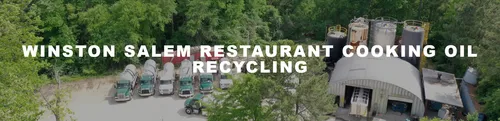
Greasecycle
615 St George Sq Ct Suite 300, Winston-Salem, NC 27103
Greasecycle is a used cooking oil collection company based in Winston Salem, NC. The company specializes in collecting and recycling used cooking oil from various commercial sources in the area. Greasecycle focuses on environmentally responsible disposal and recycling of cooking oil to support sustainable practices.
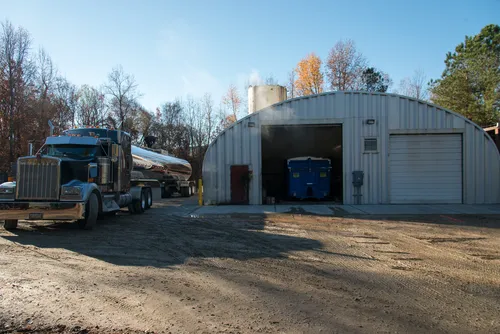
Greasecycle
3900 Commerce Park Dr, Raleigh, NC 27610
Greasecycle is a family-owned used cooking oil collection company based in Raleigh, NC. They provide secure container installation, scheduled oil pickup, and handle all compliance paperwork to support restaurants and food facilities in managing their waste oil responsibly. Serving clients across the East Coast, Greasecycle specializes in used cooking oil recycling and offers detailed documentation to help businesses pass health and city inspections. Founded in 2009, they have over 15 years of experience and are a fully permitted, DOT registered hauler.
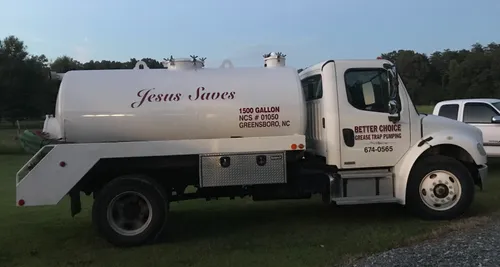
Better Choice Grease and Septic
Greensboro, NC
Better Choice Grease and Septic is a company based in Greensboro, NC, specializing in used cooking oil collection and grease trap cleaning services. They focus on maintaining grease traps and managing used cooking oil to support local businesses in compliance with environmental standards.

Solid Waste Convenience Center Bradshaw Quarry Rd
6705 Bradshaw Quarry Rd, Mebane, NC 27302
Solid Waste Convenience Center Bradshaw Quarry Rd is a residential waste and recycling facility located in Burlington, NC. It serves Orange County residents by accepting household garbage, bulky items, and a variety of recyclable materials. The center does not accept commercial or business waste and limits visits to one per weekday and weekend. While it offers core waste disposal services, it does not accept construction and demolition waste. The facility operates as part of a network of five staffed centers in the area, providing convenient access to waste management services for local residents.
Understanding North Carolina's Regulations for UCO
In North Carolina, used cooking oil is regulated to prevent it from entering the sewer system, where it can solidify and cause costly blockages and sanitary sewer overflows (SSOs). The North Carolina Department of Environmental Quality (NCEQ) and local wastewater utilities enforce Fats, Oils, and Grease (FOG) control programs that directly impact food service establishments 1 2.
Key regulatory requirements include:
- Grease Interceptors/Traps: Most establishments are required to install and maintain approved grease interceptors or traps. These devices capture grease and solids before wastewater enters the public sewer, preventing clogs 3.
- Proper Storage: Collected UCO must be stored in sealed, leak-proof containers or tanks. Secondary containment is often required to catch any spills and prevent environmental contamination.
- Prohibited Disposal: It is illegal to pour used cooking oil down drains, sinks, toilets, or into storm drains. Disposing of it with regular solid waste is also typically prohibited due to the risk of leakage and contamination.
- Licensed Transport: Used cooking oil is considered a "recyclable material" and often regulated as a type of used oil. Transporters must have an EPA Identification Number and must deliver the collected oil to permitted processing facilities, such as re-refiners, biodiesel producers, or renderers.
Non-compliance can lead to significant fines for restaurants, which some municipal ordinances set as high as $25,000 per day for severe violations 4. Adhering to proper collection protocols is not just good practice-it's a legal necessity.
Best Practices for On-Site UCO Handling
Effective management starts in your kitchen. Proper handling ensures the oil maintains its quality for recycling, which can directly impact the revenue you earn or the fees you pay.
- Use Dedicated Containers: Always transfer cooled UCO from fryers into sturdy, sealable containers provided by or approved by your collection service. Avoid using the original fryer baskets or unsealed buckets.
- Minimize Contamination: The value of UCO for recyclers drops significantly with contamination. Use drain screens to catch food solids, absorb small spills with paper towels, and keep storage containers covered and away from water sources. Clean, pure oil commands the highest market price.
- Implement Source Separation: Train staff to separate fats, oils, and grease (FOG) from solid food waste and wastewater streams. This simple step improves recycling efficiency and reduces the burden on your grease interceptor.
- Schedule Regular Pickups: Work with your service provider to establish a consistent pickup schedule (e.g., weekly, bi-weekly, or monthly) that matches your volume. This prevents overflow, reduces odors and pests, and ensures a steady stream for recycling 5.
The Business Case: Costs, Revenue, and Vendor Services
Used cooking oil is a valuable commodity for the biofuel, animal feed, and chemical industries. This market dynamic shapes the service models offered by collection companies in North Carolina.
Revenue Generation: If your establishment generates a significant volume of clean, well-handled UCO, you may qualify for a rebate or payment from the collector. Rebates can range from $0.10 to $0.65 per gallon, depending on market prices and your oil's quality and volume 6. For high-volume producers, this can turn a disposal cost into a meaningful profit center.
Service Cost Structures: Most collection companies offer a range of service models:
- Free Pickup Services: Many providers offer free collection, including supplied containers and scheduled pickups. They generate their revenue entirely from selling the recycled oil, making this a common option for establishments of all sizes 7.
- Fee-Based Services: Some situations may involve a service fee. This is more common for very low volumes, highly contaminated oil, or difficult service locations. Fees can range from a few cents to over $0.40 per gallon 8.
- Hybrid Models: You might encounter contracts with a small service fee but a rebate for quality oil, effectively netting a lower cost or a small payment.
Find the perfect used cooking oil collection companies for your needs
Get personalized recommendations and expert advice
How to Find a Reputable Collection Service in North Carolina
Choosing the right partner is crucial for reliable, compliant service. Look for providers that are transparent about their permits, service terms, and pricing.
- Check for Proper Licensing: Ensure the transporter holds a valid EPA ID number and can confirm their oil is delivered to a permitted recycling facility 9 10.
- Evaluate Service Offerings: Do they provide durable, sealable containers? Do they offer a pickup schedule that fits your needs? Will they help with documentation for regulatory compliance?
- Understand the Financial Terms: Get clear details in writing. Is the service free? Is there a fee? Do you qualify for a rebate, and how is it calculated and paid?
- Utilize State Resources: The NC DEQ maintains resources to help businesses. Their Recycling Markets Directory (RMD) can be a starting point to find local haulers and processors 11. Your local municipal wastewater or solid waste department can also provide lists of approved vendors and clarify local ordinances 12.
Environmental and Community Benefits
Beyond compliance and cost, proper UCO collection delivers significant environmental benefits for North Carolina. Recycling used oil into biodiesel creates a cleaner-burning alternative to petroleum diesel, reducing greenhouse gas emissions and particulate pollution. It also conserves resources and prevents UCO from contaminating soil and waterways. By participating in a responsible recycling program, your business contributes to the state's sustainability goals and helps protect local infrastructure from the damaging and expensive effects of sewer blockages.
Frequently asked questions
Sources
Footnotes
-
Used Oil Processors and Re-Refiners Guidance - NC DEQ - https://www.deq.nc.gov/environmental-management-commission/emc-meetings/2019/used-oil-processors-and-rerefiners-guidance/download ↩
-
Capturing Restaurant Oil and Grease - https://www.deq.nc.gov/environmental-assistance-and-customer-service/fog/draft3-factsheet-capturing-restaurant-oil-and-grease/download ↩
-
City of Durham's Guide to Grease Reduction - https://www.durhamnc.gov/DocumentCenter/View/3528/Commercial-Guide-Restaurants-PDF ↩
-
Understanding Cooking Oil Disposal Laws - Allied Renewal - https://www.allied-renewal.com/insights/understanding-cooking-oil-disposal-laws ↩
-
Used Cooking Oil Recycling in North Carolina You Can Depend On - https://eazygrease.com/used-cooking-oil-recycling-north-carolina/ ↩
-
Case Studies | NC DEQ - https://www.deq.nc.gov/about/divisions/environmental-assistance-and-customer-service/recycling/general-recycling-information/special-recyclables/fats-used-cooking-oil-and-grease/case-studies ↩
-
Cooking Oil Disposal Company & Services | Charlotte NC - https://liquidrecover.com/cooking-oil-disposal-charlotte-nc/ ↩
-
Restaurant Used Cooking Oil Recycling & Disposal Guide - https://greaseconnections.com/restaurant-used-cooking-oil-disposal-recycling-revenue-guide/ ↩
-
Used Oil Transporter and Transfer Facilities Guidance - NC DEQ - https://www.deq.nc.gov/environmental-management-commission/emc-meetings/2019/used-oil-transporter-and-transfer-facility-guidance/download ↩
-
Grease & Used Cooking Oil Disposal and Pickup | Graham | NC - https://liquidrecover.com/grease-used-cooking-oil-disposal-and-pickup-in-graham-nc/ ↩
-
Quick Guide - NC DEQ - https://www.deq.nc.gov/conservation/recycling/fats-oils-grease/used-cooking-oil/quick-guide ↩
-
Fats, Used Cooking Oil and Grease | NC DEQ - https://www.deq.nc.gov/about/divisions/environmental-assistance-and-customer-service/recycling-and-materials-management/recycle-right/special-recyclables/fats-used-cooking-oil-and-grease ↩