Find the Best Used Cooking Oil Collection Companies for Your Business
No obligation • Fast responses • Nationwide coverage

Why you can trust Restaurant Waste Disposal
Restaurant Waste Disposal is a leading U.S. resource for comparing restaurant composting, food-waste recycling, grease trap cleaning, and used cooking oil collection services. Our editorial team researches providers, checks credentials, and organizes unbiased information so operators can make informed decisions. Companies cannot pay to change ratings or placement.
Search providers near you
Top Used Cooking Oil Collection Companies in Cary, North Carolina Ranked
For restaurants and food service establishments in Cary, managing used cooking oil (UCO) is more than just a kitchen cleanup task-it's a regulated component of environmental compliance and a potential source of revenue. Proper collection and recycling of fats, oils, and grease (FOG) are mandated by local ordinances to protect the town's sewer infrastructure from costly clogs and overflows. By partnering with a licensed hauler, businesses can transform a waste product into valuable biodiesel, often earning rebates in the process. This guide outlines the essential steps for compliant grease trap maintenance, oil storage, and recycling partnerships specific to Cary's commercial landscape.
Orange County Solid Waste & Recycling Center- Ferguson Rd.
1616 Ferguson Rd, Chapel Hill, NC 27516
Orange County Solid Waste & Recycling Center- Ferguson Rd. serves residents of Chapel Hill, NC, providing a location for household waste disposal and recycling. The center accepts various materials including single stream recycling, motor oil, batteries, electronics, scrap metal, tires, yard waste, and clean wood. It also handles limited residential construction and demolition waste from primary residences. This facility is part of a network of five staffed centers dedicated to residential use only, with no commercial waste accepted.
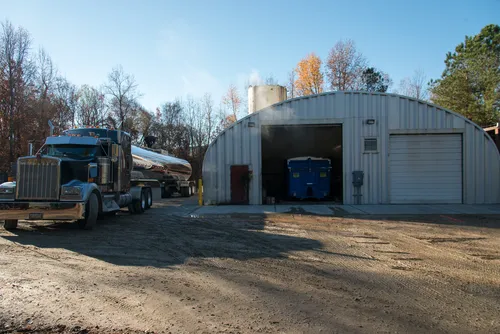
Greasecycle
3900 Commerce Park Dr, Raleigh, NC 27610
Greasecycle is a family-owned used cooking oil collection company based in Raleigh, NC. They provide secure container installation, scheduled oil pickup, and handle all compliance paperwork to support restaurants and food facilities in managing their waste oil responsibly. Serving clients across the East Coast, Greasecycle specializes in used cooking oil recycling and offers detailed documentation to help businesses pass health and city inspections. Founded in 2009, they have over 15 years of experience and are a fully permitted, DOT registered hauler.

Solid Waste Convenience Center Bradshaw Quarry Rd
6705 Bradshaw Quarry Rd, Mebane, NC 27302
Solid Waste Convenience Center Bradshaw Quarry Rd is a residential waste and recycling facility located in Burlington, NC. It serves Orange County residents by accepting household garbage, bulky items, and a variety of recyclable materials. The center does not accept commercial or business waste and limits visits to one per weekday and weekend. While it offers core waste disposal services, it does not accept construction and demolition waste. The facility operates as part of a network of five staffed centers in the area, providing convenient access to waste management services for local residents.
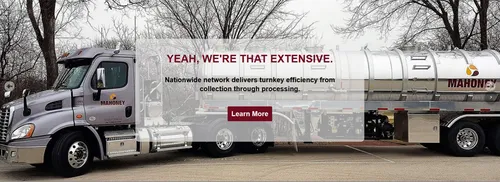
Mahoney Environmental Restaurant Cooking Oil Recycling
501 Old Wilson Rd, Wendell, NC 27591
Mahoney Environmental Restaurant Cooking Oil Recycling provides used cooking oil collection services in Cary, NC. They focus on environmentally responsible recycling of cooking oil to support sustainability efforts. The company works with restaurants to manage used oil efficiently, helping reduce waste and promote eco-friendly practices.
Understanding Cary's FOG Ordinance and Compliance
The Town of Cary enforces a Fats, Oils, & Grease (FOG) Ordinance that applies to all food service establishments, from large restaurants to small cafes. The primary goal is to prevent FOG from entering the public sewer system, where it can solidify and cause blockages, sanitary sewer overflows, and expensive repairs.
Key compliance requirements include:
- Grease Interceptors (Traps): Facilities must install and maintain properly sized grease interceptors or grease traps. These devices capture FOG from wastewater before it flows into the sewer lines.
- Regular Maintenance: Interceptors must be cleaned and pumped out on a regular schedule to remain effective. The frequency depends on the size of the interceptor and the volume of FOG produced.
- Proper Storage: Used cooking oil must be collected in secure, leak-proof, and clearly labeled containers, such as sealed drums, stored in a designated area.
- No Drain Disposal: Pouring any fats, oils, or grease down sinks, drains, or floor drains is strictly prohibited 1.
Non-compliance can lead to fines, but more importantly, it risks causing environmental harm and operational disruptions. Engaging a professional service is the standard method for meeting these obligations efficiently.
The Commercial Collection and Recycling Process
For Cary businesses, used cooking oil collection is a streamlined service provided by specialized haulers. The process typically follows these steps:
- On-Site Containerization: After cooking oil has cooled, kitchen staff filter it into dedicated storage containers provided by the hauler.
- Scheduled Pickups: Your hauler will establish a regular pickup schedule-weekly, bi-weekly, or monthly-based on your oil production volume. They provide and maintain the collection containers.
- Collection and Documentation: On pickup day, the hauler will weigh the oil on certified scales, often right on your premises, and assess its quality. This provides a record of volume collected.
- Transport and Recycling: The hauler transports the oil to a processing facility. In North Carolina, this oil is predominantly cleaned and converted into biodiesel, a renewable fuel that powers fleets and reduces fossil fuel dependence.
This cycle ensures your waste is diverted from landfills and sewers and is instead fed into a circular economy, contributing to local sustainability goals.
Financial Considerations: Costs and Rebates
A common question for restaurant managers is about the cost of used cooking oil collection. The structure is often designed to be favorable for the business.
- Collection Fees: Costs can vary by hauler and are influenced by your oil volume, pickup frequency, and location. Many providers structure their services so that fees are minimal or completely offset by the value of the oil itself.
- Earning Rebates: This is a key benefit. Because the used oil is a feedstock for biodiesel, haulers typically pay restaurants a rebate based on the volume and quality of oil collected. Market rates fluctuate, but providers like Liquid Recovery note that their commercial clients in the area can earn an average of $20 to $80 per month from their used oil 2. This turns a waste stream into a modest revenue source.
- Cost of Non-Compliance: It's also important to factor in the avoided costs. Proper management helps you avoid potential fines from the town for ordinance violations and prevents the much higher expenses associated with sewer line backups or interceptor failures 3.
Find the perfect used cooking oil collection companies for your needs
Get personalized recommendations and expert advice
Selecting a Service Provider in Cary
Choosing the right partner for grease trap cleaning and used oil collection is crucial for reliable service and compliance. Look for a provider that is licensed, insured, and permitted to operate in Cary. Here are a few examples of companies serving the area:
- Liquid Recovery Solutions: Offers comprehensive services including free site assessments, container installation, scheduled pickups, and rebate programs for the collected oil.
- Greasecycle: A local, family-owned business that is fully permitted and insured, providing used cooking oil pickup and recycling services for restaurants 4.
- Eazy Grease: Services the Cary region with restaurant grease and cooking oil recycling, providing containers and scheduled collection 5.
When evaluating providers, ask about their recycling partners, the specifics of their rebate program, their emergency response times for issues like a full interceptor, and their familiarity with Cary's specific municipal requirements.
Residential vs. Commercial Collection
It's important to distinguish between residential and commercial services, as the rules and systems are different. The Town of Cary offers free residential curbside collection for waste cooking oil from households 6. Residents can use a designated container for this purpose.
Commercial operations, however, cannot use this residential service. Businesses are required to contract with a licensed private hauler for used cooking oil collection and grease interceptor maintenance 7. This ensures that larger volumes are handled professionally and tracked appropriately for recycling into biofuel, aligning with both regulatory and sustainability frameworks.
The Environmental Impact of Recycling UCO
Recycling used cooking oil is a significant environmental win for the Cary community. When oil is poured down drains, it causes infrastructure problems and can contaminate waterways. When collected and recycled, it has a positive second life.
The primary end product is biodiesel, a cleaner-burning alternative to petroleum diesel. Biodiesel produced from local sources like restaurant oil reduces greenhouse gas emissions and reliance on imported fossil fuels 8 9. By participating in a used oil program, Cary's food service industry directly supports North Carolina's renewable energy sector and contributes to a cleaner local environment.
Best Practices for Kitchen Staff Training
A successful used oil management program depends on proper practices at the source. Training kitchen staff is essential:
- Cool Before Handling: Always allow oil to cool completely before filtering or transferring it.
- Use Designated Containers: Filter oil only into the hauler-provided containers-never into trash bags, cardboard boxes, or other improvised receptacles.
- Keep Lids Sealed: Ensure storage drums are kept tightly sealed to prevent spills, odors, and pests.
- Separate from Food Waste: Avoid contaminating the oil with large food scraps or other solid waste, as this can lower its quality and value.
- Know the "No" List: Emphasize that sinks and drains are off-limits for any FOG, including pan drippings, sauces, and dairy products.
Clear signage in the kitchen and back-of-house area can reinforce these protocols and ensure consistency across all shifts.
Frequently asked questions
Sources
Footnotes
-
Fats, Oils and Grease Control - Town of Cary - https://www.carync.gov/services-publications/water-sewer/sewer/pretreatment/fats-oils-and-grease-control ↩
-
Grease & Oil Pickup Company in Cary, NC | Liquid Recovery - https://liquidrecover.com/grease-oil-pickup-company-in-cary-nc/ ↩
-
Fats, Used Cooking Oil and Grease | NC DEQ - https://www.deq.nc.gov/about/divisions/environmental-assistance-and-customer-service/recycling-and-materials-management/recycle-right/special-recyclables/fats-used-cooking-oil-and-grease ↩
-
Used Cooking Oil Recycling & Pickup for Restaurants | NC ... - https://grease-cycle.com/ ↩
-
Restaurant Grease & Cooking Oil Recycling Services - https://eazygrease.com/restaurant-grease-cooking-oil-recycling/ ↩
-
Curbside Recycling - Town of Cary - https://www.carync.gov/services-publications/garbage-recycling-yard-waste/recycling/curbside-recycling ↩
-
Restaurant Grease Pickup & Commercial Cooking Oil Recycling - Mahoney - https://www.mahoneyes.com/services/ ↩
-
Used Cooking Oil Recycling in North Carolina - https://eazygrease.com/used-cooking-oil-recycling-north-carolina/ ↩
-
Residential Waste Cooking Oil Curbside Recycling | Town of Cary - https://www.carync.gov/services-publications/water-sewer/sewer/pretreatment/fats-oils-and-grease-control/sizing-and-design-requirements/residential-waste-cooking-oil-curbsid ↩