
Find the Best Used Cooking Oil Collection Companies for Your Business
No obligation • Fast responses • Nationwide coverage

Why you can trust Restaurant Waste Disposal
Restaurant Waste Disposal is a leading U.S. resource for comparing restaurant composting, food-waste recycling, grease trap cleaning, and used cooking oil collection services. Our editorial team researches providers, checks credentials, and organizes unbiased information so operators can make informed decisions. Companies cannot pay to change ratings or placement.
Search providers near you
Top Used Cooking Oil Collection Companies in Burlington, North Carolina Ranked
For restaurants and food service establishments in Burlington, managing used cooking oil (UCO) is a critical operational and environmental responsibility. Proper collection and recycling of this waste stream not only ensures compliance with local regulations but also transforms a potential disposal headache into a valuable resource for biodiesel production. The process involves partnering with specialized local haulers who provide scheduled pickups, turning your kitchen's byproduct into renewable energy while helping to keep the city's sewer systems clear. This guide outlines the essential steps for compliant storage, explains the recycling journey, and details the local service landscape to help you establish an efficient and beneficial oil management program.
Orange County Solid Waste & Recycling Center- Ferguson Rd.
1616 Ferguson Rd, Chapel Hill, NC 27516
Orange County Solid Waste & Recycling Center- Ferguson Rd. serves residents of Chapel Hill, NC, providing a location for household waste disposal and recycling. The center accepts various materials including single stream recycling, motor oil, batteries, electronics, scrap metal, tires, yard waste, and clean wood. It also handles limited residential construction and demolition waste from primary residences. This facility is part of a network of five staffed centers dedicated to residential use only, with no commercial waste accepted.
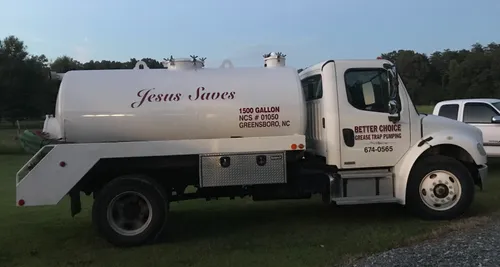
Better Choice Grease and Septic
Greensboro, NC
Better Choice Grease and Septic is a company based in Greensboro, NC, specializing in used cooking oil collection and grease trap cleaning services. They focus on maintaining grease traps and managing used cooking oil to support local businesses in compliance with environmental standards.

Solid Waste Convenience Center Bradshaw Quarry Rd
6705 Bradshaw Quarry Rd, Mebane, NC 27302
Solid Waste Convenience Center Bradshaw Quarry Rd is a residential waste and recycling facility located in Burlington, NC. It serves Orange County residents by accepting household garbage, bulky items, and a variety of recyclable materials. The center does not accept commercial or business waste and limits visits to one per weekday and weekend. While it offers core waste disposal services, it does not accept construction and demolition waste. The facility operates as part of a network of five staffed centers in the area, providing convenient access to waste management services for local residents.
Understanding Local FOG Regulations
The City of Burlington has a clear Fats, Oils, and Grease (FOG) Policy designed to protect the municipal sewer system from blockages and overflows 1. A cornerstone of this policy is the strict prohibition against pouring any used fryer oil, grease, or food scraps down sinks, drains, or into storm sewers. Compliance isn't just about avoiding fines; it's about being a responsible community partner. Regular maintenance of grease traps and interceptors is also a crucial component of this policy, often coordinated alongside your used oil collection schedule to ensure comprehensive management of all grease waste 2.
Adhering to these rules starts in your kitchen. Implementing best practices for grease handling prevents costly plumbing emergencies and environmental damage, while also preparing your oil for a more valuable recycling outcome.
Best Practices for On-Site Oil Storage
Proper storage is the first step in a successful used cooking oil collection program. How you handle oil after it leaves the fryer directly impacts its quality, value, and safety.
- Use the Right Containers: Always store cooled oil in dedicated, non-reactive containers. Stainless steel or approved plastic containers with tight-fitting, secure lids are industry standards. Avoid using containers that previously held chemicals or other food products.
- Control the Environment: Designate a cool, dark, and secure area for your collection containers. Heat and light can accelerate the breakdown of the oil, reducing its quality for recyclers. This storage area should be accessible for your hauler but away from high-traffic zones to prevent spills.
- Label and Segregate: Clearly label containers with the type of oil and the date it was stored. Never mix used cooking oil with other liquids, food waste, or chemicals. Contamination significantly devalues the oil and can lead to additional service fees from your collector.
- Coordinate with Grease Trap Waste: Remember that the solid grease and fats captured by your grease trap are a separate waste stream from liquid used cooking oil. Both require professional collection, but they are typically processed differently. Discuss a combined service schedule with your provider for efficiency.
The Collection and Recycling Journey
Once properly stored, your used oil begins its transformation from waste to resource. Local licensed haulers manage this process from pickup to final conversion.
- Scheduled Pickup: You will establish a regular pickup schedule (e.g., weekly, bi-weekly) with your service provider based on your oil production volume. The hauler arrives with specialized trucks, safely pumps or transfers the oil from your containers, and leaves you with clean, empty containers ready for reuse.
- Transportation and Processing: The collected oil is transported to a processing facility. For example, oil collected in Burlington may be taken to a plant like the one operated by Eazy Grease near Charlotte. Here, the oil undergoes filtration to remove food particles and water.
- Conversion to Biofuel: The purified oil is then processed into biodiesel, a clean-burning renewable fuel that can power vehicles, equipment, and even heating systems. This closed-loop process ensures the oil is repurposed effectively, reducing reliance on fossil fuels and lowering overall carbon emissions.
- Documentation and Reporting: Reputable providers will supply documentation for each pickup, which can be useful for your records and for demonstrating environmental compliance and sustainability efforts to customers.
Navigating Service Models and Costs
Understanding the financial model behind used cooking oil collection is key. Services are not universally "free," and costs or rebates are directly tied to the quality and volume of oil you provide.
- The Rebate or Revenue Model: If your restaurant generates a consistent, high volume of clean, uncontaminated used cooking oil, it holds significant value for recyclers. In these cases, providers may offer a rebate program where you earn revenue based on the market price for the oil, which can offset or even exceed the cost of collection, turning your waste into a profit center 3 4.
- The Fee-for-Service Model: Many establishments, especially those with lower oil volume or where contamination is a concern, will pay for collection. This is a standard waste removal service. Basic plans for regular pickup can start in the range of $35 to $60 per month, while more flexible or premium plans, including emergency service, may range from $75 to $120 or more per month 5.
- Understanding Potential Surcharges: Be aware of fees that can apply. Contaminated oil (mixed with water, chemicals, or food waste) often incurs a surcharge, typically $25 to $75 or more, as it requires extra processing. Some providers may also have travel fees for locations outside their standard service zone 6.
Find the perfect used cooking oil collection companies for your needs
Get personalized recommendations and expert advice
Local Service Providers in the Burlington Area
Several reputable companies service the Burlington and broader North Carolina region. When selecting a partner, consider their reliability, service flexibility, and commitment to local recycling.
- Greasecycle: A family-owned business known for reliable, straightforward used cooking oil collection and recycling services throughout NC 7.
- Eazy Grease: This provider emphasizes the biodiesel conversion process and offers local service, operating its own processing plant to ensure the oil is recycled within the region 8.
- Liquid Recovery Solutions (LRS): Offers customized solutions, including automated collection systems, and provides services for both used cooking oil and grease trap waste in the Graham/Burlington area 9 10.
- Grease Connections: Acts as a resource and connector, providing educational guides and helping restaurants find and compare various service providers to fit their specific needs.
Choosing the right partner involves getting clear quotes, understanding all potential fees, and confirming their compliance with all state and local regulations for transporting and recycling grease waste.
Environmental and Operational Benefits
Implementing a professional used cooking oil collection system delivers advantages beyond mere compliance.
- Environmental Stewardship: Recycling oil into biodiesel drastically reduces greenhouse gas emissions compared to fossil fuels and prevents oil from contaminating landfills or waterways.
- Operational Safety and Cleanliness: Professional removal eliminates the hazards of storing large quantities of oil on-site, reducing fire risks and pest attraction. It also ensures your kitchen staff has a safe, clean protocol for handling hot oil.
- Enhanced Sustainability Profile: Today's consumers value businesses with strong environmental practices. Promoting your oil recycling program can enhance your restaurant's brand and appeal to eco-conscious patrons.
- Protection of City Infrastructure: By ensuring no FOG enters the drains, you are directly contributing to the prevention of sewer backups, which can cause costly damage to both public property and private businesses.
Establishing a reliable used cooking oil collection routine is a smart business decision for any Burlington restaurant. It safeguards your plumbing, supports local recycling initiatives, and contributes to a cleaner community. By understanding the local rules, preparing your oil properly, and selecting a trustworthy service partner, you can manage this essential task efficiently and effectively.
Frequently asked questions
Sources
Footnotes
-
Fats, Oils & Grease Policy | Burlington, NC - Official Website - https://www.burlingtonnc.gov/1839/Fats-Oils-Grease-Policy ↩
-
Used Cooking Oil (UCO) Collection Service For Restaurants - https://thegreasecompany.com/blog/restaurant-used-cooking-oil-collection/ ↩
-
Restaurant Used Cooking Oil: Disposal, Recycling & Revenue Guide - https://greaseconnections.com/restaurant-used-cooking-oil-disposal-recycling-revenue-guide/ ↩
-
Used Cooking Oil Disposal: Complete Guide to Grease Pickups - https://greaseconnections.com/used-cooking-oil-disposal-guide-grease-pickups/ ↩
-
Used Cooking Oil Recycling in North Carolina ... - Eazy Grease - https://eazygrease.com/used-cooking-oil-recycling-north-carolina/ ↩
-
Why "Free" Used Cooking Oil Collection Can Cost More Than ... - https://greaseconnections.com/free-used-oil-pickup-cost-trap/ ↩
-
Used Cooking Oil Recycling & Pickup for Restaurants | NC ... - https://grease-cycle.com/ ↩
-
Restaurant Grease & Cooking Oil Recycling Services - https://eazygrease.com/restaurant-grease-cooking-oil-recycling/ ↩
-
Grease & Used Cooking Oil Disposal and Pickup | Graham | NC - https://liquidrecover.com/grease-used-cooking-oil-disposal-and-pickup-in-graham-nc/ ↩
-
Used Cooking Oil Recycling Company & Grease Trap Services - https://liquidrecover.com/ ↩