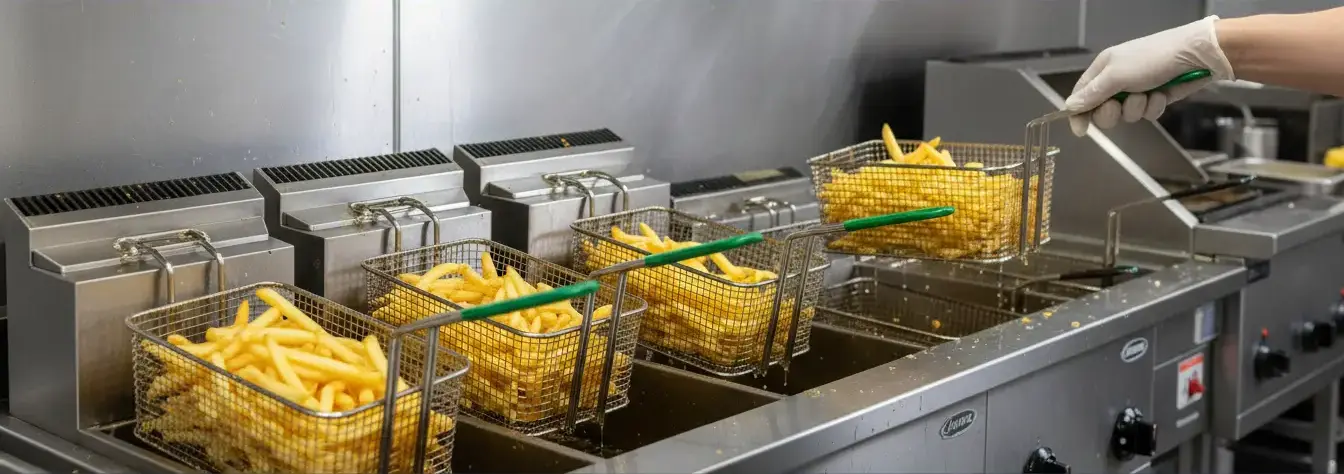
Find the Best Used Cooking Oil Collection Companies for Your Business
No obligation • Fast responses • Nationwide coverage

Why you can trust Restaurant Waste Disposal
Restaurant Waste Disposal is a leading U.S. resource for comparing restaurant composting, food-waste recycling, grease trap cleaning, and used cooking oil collection services. Our editorial team researches providers, checks credentials, and organizes unbiased information so operators can make informed decisions. Companies cannot pay to change ratings or placement.
Search providers near you
Top Used Cooking Oil Collection Companies in Mooresville, North Carolina Ranked
For restaurants and commercial kitchens in Mooresville, managing used cooking oil and grease is a critical operational and environmental responsibility. Proper disposal isn't just about cleanliness; it's a legal requirement designed to protect the local sewer system from costly and disruptive blockages. Fortunately, a structured program exists, turning this potential waste stream into a valuable resource for biofuel production. By partnering with licensed recyclers, Mooresville businesses can ensure compliance, often at no cost, while contributing to a sustainable, closed-loop recycling system.
Understanding Local Fats, Oils, and Grease (FOG) Regulations
The Town of Mooresville, in alignment with North Carolina state law, enforces a Fats, Oil, and Grease (FOG) program. This program is designed to prevent sewer overflows, which can lead to environmental damage, public health risks, and expensive cleanup operations.
Key legal requirements for Mooresville food service establishments include:
- No Drain Disposal: It is illegal to pour used fryer oil, grease, or food scraps down sinks, floor drains, or toilets. This is the primary cause of sewer line blockages.
- No Trash Disposal: Disposing of liquid cooking oil in the regular trash is also prohibited by state law.
- Grease Trap/Interceptor Maintenance: Commercial kitchens are required to install and properly maintain grease traps or interceptors. These devices capture grease before it enters the wastewater system and must be cleaned regularly by a licensed service.
- Best Practices: The town emphasizes "scraping, not rinsing." Food scraps and grease should be wiped or scraped into the trash using paper towels before washing dishes. This simple step significantly reduces the load on grease traps and the sewer system.
Non-compliance can result in significant fines from the municipality and the North Carolina Department of Environmental Quality (NCDEQ), not to mention the high cost of repairing sewer backups on your property.
The Professional Grease Collection Process
Engaging a professional used cooking oil (UCO) collection service is the standard and most efficient method for compliance. These services handle the entire process, from container provision to hauling and recycling.
Step 1: Container Provision & On-Site Storage Most recyclers will provide a dedicated, leak-proof collection tank (often a 55-gallon drum or larger enclosed container) at no upfront cost. Proper on-site storage is crucial:
- Cool First: Always allow oil to cool completely before transferring it from fryers.
- Use Designated Containers: Pour cooled oil only into the provided lidded container.
- Secure Location: Place the container in a cool, dry, and secure area, preferably on a concrete pad with secondary containment to catch any potential leaks.
- Maintain Quality: Minimize water and food solids in the oil, as cleaner oil has higher recycling value and can qualify for better rebate programs.
Step 2: Scheduled Pickup & Hauling Once your container is full, your service provider will schedule a pickup. Licensed haulers use specialized vacuum trucks to pump out the contents efficiently. Pickup frequency is tailored to your volume-weekly for high-volume restaurants or monthly for smaller operations.
Step 3: Recycling & Repurposing The collected oil is transported to a processing facility. There, it is cleaned and refined. The primary end product is biodiesel, a renewable fuel that powers vehicles and heating systems. UCO can also be processed into ingredients for animal feed, cosmetics, and industrial lubricants, ensuring nothing goes to waste.
Financial Considerations: Costs, Rebates, and Savings
A common misconception is that used cooking oil disposal is an expensive burden. In reality, the economic model for professional collection often benefits the restaurant.
- Free Collection Services: Many haulers offer free pickup and container rental if your establishment generates a sufficient volume of oil (commonly over 100 gallons per month). The recycler's revenue from selling the refined oil covers the cost of service 1 2.
- Potential for Rebates: If you produce high-quality, contaminant-free oil, you may be eligible for a rebate check. The value of your oil as a commodity can sometimes offset the entire cost of disposal or even provide a small income stream 3 4.
- Cost Avoidance: The most significant financial benefit is avoiding the alternative costs. This includes municipal fines for improper disposal, emergency plumbing bills for drain blockages, and more frequent, costly grease trap cleanings 5.
Find the perfect used cooking oil collection companies for your needs
Get personalized recommendations and expert advice
Choosing a Service Provider in the Mooresville Area
Several reputable providers service the Mooresville and greater Lake Norman region. When selecting a partner, consider their reliability, compliance expertise, and service offerings.
Key Services to Look For:
- Licensed and Insured Hauling: Ensure the company is fully licensed to transport and recycle UCO in North Carolina.
- Grease Trap Cleaning: Many providers offer combined services for UCO collection and grease trap/interceptor cleaning, simplifying vendor management 6.
- Flexible Scheduling: They should offer a pickup schedule that matches your kitchen's production to prevent overflows.
- Local Reputation: Choose an established company with a track record of reliable service in the Iredell County area.
Local and Regional Providers: Businesses in Mooresville have access to national chains and local specialists. Some active providers in the region include Mahoney Environmental, Greasecycle, Liquid Recovery Solutions, Elvis Service Company, and Eazy Grease 7 8 9 10. It's advisable to get quotes from a few providers to compare service terms and any potential rebate structures.
Best Practices for On-Site Management
Maximizing efficiency and compliance starts inside your kitchen. Implementing these practices will make the collection process smoother and more valuable.
- Designate a FOG Management Area: Create a specific station for cooling and transferring oil, equipped with the proper containers and funnels.
- Train Your Staff: Ensure all kitchen employees understand the "scraping, not rinsing" rule and the proper steps for handling and storing used oil.
- Keep it Clean: Strain oil after use to remove food particles. Never add water to the collection container. Clean oil is premium oil.
- Maintain Records: Keep logs of your grease trap cleanings and UCO pickups. This documentation is valuable for demonstrating compliance during inspections 11.
- Know Your Resources: For small quantities or one-time cleanouts, residents and very small businesses can sometimes use the Iredell County Transfer Station. However, for regular commercial volume, a dedicated service is mandatory and more practical 12.
Environmental Impact and Community Benefits
Participating in used cooking oil recycling extends benefits far beyond your kitchen walls. By diverting this material from landfills and sewers, Mooresville businesses play a direct role in community sustainability.
- Renewable Energy Production: The biodiesel made from your used oil reduces dependence on fossil fuels and lowers greenhouse gas emissions 13.
- Protected Infrastructure: Preventing FOG from entering the sewer system saves the town significant money on maintenance and repairs, keeping utility rates stable.
- Water Quality Preservation: Keeping grease out of the wastewater system helps protect Lake Norman and other local waterways from pollution related to sewer overflows 14.
Proper used cooking oil management is a clear win-win for Mooresville's food service industry. It ensures regulatory compliance, can reduce operational costs, and positions your business as an environmentally responsible member of the community.
Frequently asked questions
Sources
Footnotes
-
Restaurant Grease Collection, Recycling & Grease Trap ... - https://www.mahoneyes.com/restaurant-grease-collection-charlotte-nc/ ↩
-
Used Cooking Oil Disposal: Complete Guide to Grease Pickups - https://greaseconnections.com/used-cooking-oil-disposal-guide-grease-pickups/ ↩
-
Restaurant Used Cooking Oil Recycling & Disposal Guide - https://greaseconnections.com/restaurant-used-cooking-oil-disposal-recycling-revenue-guide/ ↩
-
Cooking Oil Recycling | Grease Disposal - https://www.auroratallow.com/cooking-oil-recycling/ ↩
-
How Should Businesses Dispose of Used Cooking Oil? - https://www.allied-renewal.com/insights/how-should-businesses-dispose-of-used-cooking-oil ↩
-
Used Cooking Oil Recycling Company & Grease Trap Services - https://liquidrecover.com/ ↩
-
FRYER OIL RECYCLING | Elvis Service Company - https://elvisservicecompany.com/fryer-oil-recycling-and-grease-bins-kitchen-grease-tanks-and-pumping/ ↩
-
Used Cooking Oil Recycling & Pickup for Restaurants | NC ... - https://grease-cycle.com/ ↩
-
Used Cooking Oil Recycling in North Carolina - https://eazygrease.com/used-cooking-oil-recycling-north-carolina/ ↩
-
Used Cooking Oil Collection Services | NC, SC and VA - Grease Cycle - https://grease-cycle.com/cooking-oil-recycling-services/ ↩
-
Used Cooking Oil (UCO) Collection Service For Restaurants - https://thegreasecompany.com/blog/restaurant-used-cooking-oil-collection/ ↩
-
Fats, Used Cooking Oil and Grease | NC DEQ - https://www.deq.nc.gov/about/divisions/environmental-assistance-and-customer-service/recycling-and-materials-management/recycle-right/special-recyclables/fats-used-cooking-oil-and-grease ↩
-
Capturing Restaurant Oil and Grease - https://www.deq.nc.gov/environmental-assistance-and-customer-service/fog/draft3-factsheet-capturing-restaurant-oil-and-grease/download ↩
-
Fats, Oil, & Grease Program - Welcome to Mooresville, NC - https://www.mooresvillenc.gov/government/departments/fats,_oil,___grease_program/index.php ↩