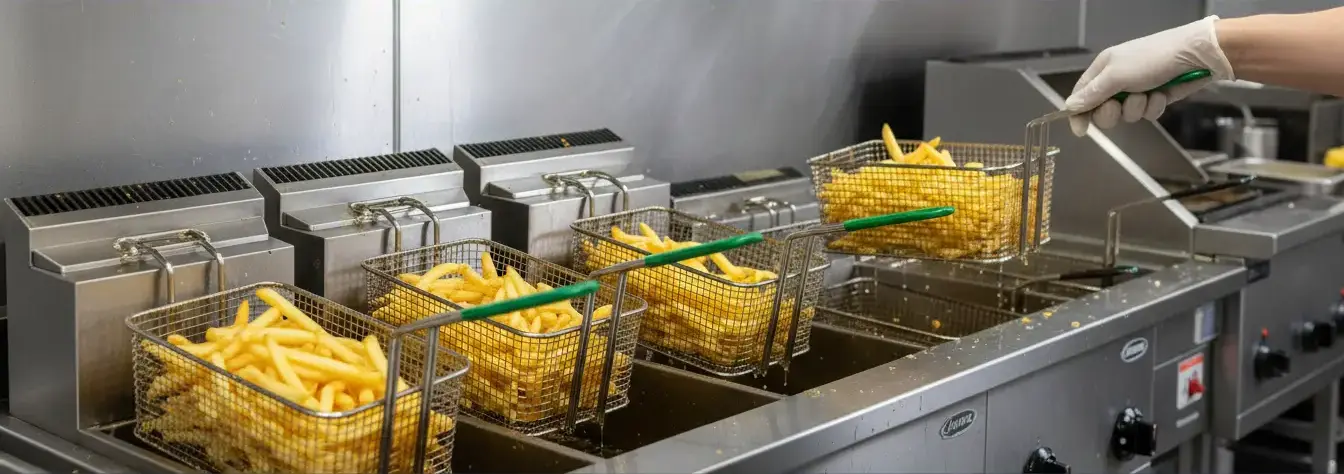
Find the Best Used Cooking Oil Collection Companies for Your Business
No obligation • Fast responses • Nationwide coverage

Why you can trust Restaurant Waste Disposal
Restaurant Waste Disposal is a leading U.S. resource for comparing restaurant composting, food-waste recycling, grease trap cleaning, and used cooking oil collection services. Our editorial team researches providers, checks credentials, and organizes unbiased information so operators can make informed decisions. Companies cannot pay to change ratings or placement.
Search providers near you
Top Used Cooking Oil Collection Companies in Kannapolis, North Carolina Ranked
For restaurant owners and kitchen managers in Kannapolis, managing used cooking oil (UCO) is far more than a simple cleanup task-it's a critical component of regulatory compliance, environmental stewardship, and operational efficiency. The City of Kannapolis enforces a Fats, Oils, and Grease (FOG) management program designed to protect the municipal sewer system from costly clogs and backups. Partnering with a professional grease collection service transforms this mandatory waste stream from a liability into a potential revenue source. Proper handling of waste oil and grease ensures your business meets local ordinances while contributing to the circular economy, as collected UCO is recycled into valuable products like biodiesel.
Understanding Kannapolis's FOG Program
The foundation of proper grease management in Kannapolis is the city's Fats, Oils, and Grease (FOG) program. This isn't merely a suggestion; it's a set of enforceable regulations for all food service establishments. The program's primary goal is to prevent FOG from entering the sanitary sewer system, where it can cool, solidify, and create massive blockages. These blockages lead to sewer overflows, which are environmentally damaging and can result in significant fines for the city and responsible businesses.
The city utilizes tools like the FOG Best Management Practices (BMP) platform for tracking and inspections, making compliance a transparent process. At the heart of the program's requirements for restaurants is the installation and maintenance of a Grease Separation Device (GSD), commonly known as a grease trap or grease interceptor. This device is legally mandated for commercial kitchens and acts as the first line of defense, capturing grease and solids before wastewater flows into the public sewer lines.
Best Practices for Kitchen Grease Management
Compliance starts with daily habits in your kitchen. Adopting simple best practices can drastically reduce the amount of FOG that reaches your grease trap and simplify your used cooking oil collection process.
- The "Dry Wipe" Method: Before washing pots, pans, and dishes, scrape all food scraps into the trash or compost. Then, use a paper towel or rubber scraper to wipe away excess grease and oil. This keeps the bulk of FOG out of your sink and dishwasher drains 1.
- Never Pour Down Drains: It cannot be overstated: never pour used fryer oil, melted grease from griddles, or any fatty liquids down sinks, floor drains, or toilets. This is the direct cause of most internal and public sewer problems 2.
- Proper Grease Trap Maintenance: Your grease trap requires regular professional pumping and cleaning. The frequency-often every 30 to 90 days-depends on your establishment's volume and the specific requirements of Kannapolis's program 3. A well-maintained trap operates efficiently and helps you avoid violations.
The Step-by-Step Process for Used Cooking Oil Recycling
Once you've implemented kitchen best practices, managing the used oil from your fryers is a straightforward process handled by your licensed collection partner.
- Cool and Strain: After use, allow the cooking oil to cool completely in the fryer. Once safe to handle, filter it to remove food particles. Cleaner oil is more valuable and easier to recycle.
- Safe Storage: Transfer the cooled, strained oil into a secure, spill-proof container. Reputable collection services typically provide these containers for free. They should be clearly labeled, kept in a designated area, and have tight-sealing lids to prevent leaks, odors, and pests.
- Schedule Professional Pickup: Your service provider will establish a regular pickup schedule based on your oil production volume. When your container is full, you simply notify them for a collection. Licensed haulers operating in the Kannapolis area, such as Mahoney Environmental, Greasecycle, or Liquid Recovery Solutions, handle the entire logistics process.
- Hauler Removal and Recycling: The service technician will safely pump or swap out your full containers, leaving you with empty, clean ones for continued use. The collected UCO is then transported to a processing facility where it is recycled, most commonly into biodiesel-a renewable fuel 4.
Find the perfect used cooking oil collection companies for your needs
Get personalized recommendations and expert advice
Cost Structure and Potential Revenue
A common misconception is that used cooking oil disposal is a pure cost. In reality, the financial model for UCO collection is often neutral or even positive for restaurants, depending on volume and oil quality.
- For Lower Volume Producers: If your establishment generates less than 100 gallons of UCO per month, many haulers offer free pickup services. You may pay a small fee, but often the service is provided at no direct cost, as the value of the recycled material covers the hauler's expenses.
- For Higher Volume Producers: Restaurants with higher output (typically over 100 gallons per month) can actually earn rebates for their clean used cooking oil. Payments vary based on market conditions and oil quality but can range from $0.10 to over $0.65 per gallon 5 6. This rebate can offset the cost of grease trap cleaning or other waste management services, turning a waste product into a minor revenue stream.
- Free Equipment and Service: Most established collection companies provide the storage containers, pumps, and scheduled pickups at no upfront charge as part of their service agreement 7.
Choosing a Service Provider in Kannapolis
Selecting the right partner is crucial for seamless operations. Ensure any hauler you consider is fully licensed and permitted to operate in Kannapolis and Cabarrus County. They should have a proven track record of reliable, on-time service and clear communication. Look for a provider that offers comprehensive solutions, including both used cooking oil collection and grease trap cleaning, to streamline your vendor management. Finally, transparent pricing or rebate structures are essential; understand exactly what you will pay or earn and how often you will receive payment 8 9.
By integrating these systems and practices, Kannapolis restaurants can achieve full compliance with the city's FOG program, reduce their environmental footprint, and optimize an often-overlooked aspect of their operational budget. Professional used cooking oil collection is the key link that transforms a regulated waste obligation into a responsible resource recovery opportunity.
Frequently asked questions
Sources
Footnotes
-
Fats, Used Cooking Oil and Grease | NC DEQ - https://www.deq.nc.gov/about/divisions/environmental-assistance-and-customer-service/recycling-and-materials-management/recycle-right/special-recyclables/fats-used-cooking-oil-and-grease ↩
-
City of Kannapolis > Government & Departments > Engineering > Fats, Oils and Grease (FOG) - https://www.kannapolisnc.gov/Government-Departments/Engineering/Fats-Oils-and-Grease-FOG ↩
-
Grease Trap Cleaning Frequency North Carolina by Municipality - https://grease-cycle.com/grease-pumping-frequency-north-carolina/ ↩
-
Restaurant Grease & Cooking Oil Recycling Services - https://eazygrease.com/restaurant-grease-cooking-oil-recycling/ ↩
-
Case Studies | NC DEQ - https://www.deq.nc.gov/about/divisions/environmental-assistance-and-customer-service/recycling/general-recycling-information/special-recyclables/fats-used-cooking-oil-and-grease/case-studies ↩
-
Restaurant Used Cooking Oil Recycling & Disposal Guide - https://greaseconnections.com/restaurant-used-cooking-oil-disposal-recycling-revenue-guide/ ↩
-
Restaurant Grease Collection, Recycling & Grease Trap ... - https://www.mahoneyes.com/restaurant-grease-collection-charlotte-nc/ ↩
-
Used Cooking Oil Recycling & Pickup for Restaurants | NC ... - https://grease-cycle.com/ ↩
-
Grease Disposal & Used Cooking Oil Pickup in North & South ... - https://liquidrecover.com/carolinas/ ↩