
Find the Best Used Cooking Oil Collection Companies for Your Business
No obligation • Fast responses • Nationwide coverage

Why you can trust Restaurant Waste Disposal
Restaurant Waste Disposal is a leading U.S. resource for comparing restaurant composting, food-waste recycling, grease trap cleaning, and used cooking oil collection services. Our editorial team researches providers, checks credentials, and organizes unbiased information so operators can make informed decisions. Companies cannot pay to change ratings or placement.
Search providers near you
Top Used Cooking Oil Collection Companies in High Point, North Carolina Ranked
For restaurants and food service businesses in High Point, managing used cooking oil (UCO) is a critical operational and environmental responsibility. Proper grease trap maintenance and oil recycling are not just about compliance; they are key to preventing costly sewer backups, contributing to local sustainability efforts, and often creating a new revenue stream. The process involves secure storage, scheduled pickups by licensed professionals, and the transformation of waste into valuable products like biodiesel. This guide outlines the local regulations, best practices, and service options for effective UCO management in the Furniture City.
Greasecycle
615 St George Sq Ct Suite 300, Winston-Salem, NC 27103
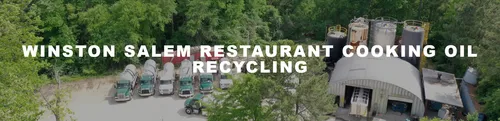
Greasecycle is a used cooking oil collection company based in Winston Salem, NC. The company specializes in collecting and recycling used cooking oil from various commercial sources in the area. Greasecycle focuses on environmentally responsible disposal and recycling of cooking oil to support sustainable practices.
Better Choice Grease and Septic
Greensboro, NC
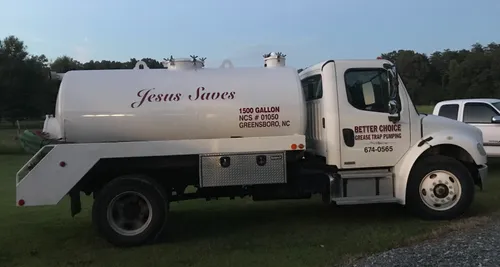
Better Choice Grease and Septic is a company based in Greensboro, NC, specializing in used cooking oil collection and grease trap cleaning services. They focus on maintaining grease traps and managing used cooking oil to support local businesses in compliance with environmental standards.
Understanding Local FOG Regulations
In High Point, the management of Fats, Oils, and Grease (FOG) is governed by a specific city ordinance designed to protect the public sewer system 1. The rules mandate that food service establishments install and maintain properly sized Grease Control Devices (GCDs), commonly known as grease traps or interceptors. These devices capture grease and solids before wastewater enters the city's lines, preventing blockages that can lead to sanitary sewer overflows-a serious public health and environmental issue.
Beyond the grease trap, the ordinance and state guidelines emphasize "dry cleanup" methods. This means kitchen staff should use rags, paper towels, or absorbent materials like cat litter to wipe grease from pots, pans, and surfaces before washing. Scraping food scraps into the trash, not the sink, is also essential. The cardinal rule for used fryer oil is never pour it down a drain, toilet, or into a storm sewer. Storm drains lead directly to local waterways, and FOG pollution can harm aquatic ecosystems. Adhering to these practices helps businesses avoid significant fines and maintain a positive relationship with municipal utilities.
The Collection and Recycling Journey
Once oil has cooled, the journey from your fryer to becoming renewable fuel follows a clear path. Kitchen staff typically transfer the UCO from fryer vats into designated, leak-proof storage containers. A licensed hauler then collects this oil on a pre-arranged schedule.
- Collection: Professional collectors use specialized trucks equipped with pumps and tanks to safely remove the oil from your storage bin.
- Transportation: The oil is transported to a processing facility.
- Recycling: At the facility, the used cooking oil undergoes filtration and purification. The primary end product is biodiesel, a cleaner-burning renewable diesel substitute. It can also be refined into ingredients for animal feed, soaps, and cosmetics.
This circular economy model turns a waste product into valuable commodities, reducing reliance on fossil fuels and keeping grease out of landfills and sewers.
Storage Solutions and Pickup Scheduling
Effective storage is the linchpin of a smooth UCO collection process. Proper containers prevent leaks, odors, pests, and theft.
- Indoor Containers: Often 40-55 gallon drums or smaller receptacles, these are kept in the kitchen or storage area for daily oil disposal. They should be clearly labeled and have tight-sealing lids.
- Outdoor Storage Bins: For larger volumes, businesses use secured outdoor collection bins, typically ranging from 110 to 300 gallons 2. These are placed in a convenient, accessible location for hauler trucks.
- Security: Unfortunately, grease theft is a reality, as used cooking oil has value on the commodities market 3. Using locked bins or storing containers in a secured area is a recommended best practice to protect your asset.
Your pickup schedule is determined by your oil usage volume and storage capacity. A reliable hauler will work with you to establish a frequency-weekly, bi-weekly, or monthly-that prevents overflows and ensures consistent service.
Find the perfect used cooking oil collection companies for your needs
Get personalized recommendations and expert advice
Service Models: Cost vs. Revenue
Navigating the financial aspect of UCO collection is important for business planning. Service providers generally operate on one of two models:
- Fee-Based Service: The restaurant pays a service fee for the collection and recycling. This may be structured as a monthly charge (which can range broadly depending on service level and location) or a per-pickup fee 4. This model often includes the container and may be combined with grease trap cleaning services.
- Revenue-Generating Service: Many haulers purchase used cooking oil from restaurants because of its value in the biofuels market. In this model, the hauler typically provides the collection container and scheduled pickups at no charge, and the restaurant receives payment based on the volume and quality of oil collected. This can effectively turn a waste line-item into a small revenue stream.
The best model for your business depends on your oil output, service needs, and the agreements offered by local providers. It's crucial to get clear details on all fees and potential payments.
Key Local Providers and Public Resources
High Point businesses have access to several established service providers and public resources for grease and oil management.
- Local and Regional Haulers: Companies like Grease Cycle, Eazy Grease, and Mahoney Environmental operate in North Carolina and serve the High Point area, offering comprehensive UCO collection and recycling services 5 6 7.
- City of High Point Public Services: While primarily for residents, the city offers a public drop-off location for used cooking oil at the Facility Maintenance Building on Taylor Street 8. This highlights the city's commitment to recycling this material and can be a resource for very small quantities.
- NC Department of Environmental Quality (NCDEQ): The state's DEQ is an invaluable resource. They provide educational materials on FOG management, case studies of successful business programs, and guidance on proper handling 9 10 11.
Engaging with a licensed, reputable hauler ensures compliance, simplifies operations, and supports North Carolina's recycling and renewable energy goals.
Building a Sustainable Kitchen Practice
Integrating used cooking oil management into your daily operations is a hallmark of a modern, sustainable kitchen. Start by training all staff on dry cleanup methods and the importance of never pouring oil down drains. Designate a clear, safe area for oil storage and establish a log to track oil disposal and hauler pickups. Regularly inspect your grease trap and adhere to its cleaning schedule. By viewing used cooking oil not as waste but as a recyclable commodity, High Point restaurants can improve their bottom line, operate more responsibly, and contribute to a cleaner community. Partnering with a knowledgeable service provider makes this process efficient and hassle-free.
Frequently asked questions
Sources
Footnotes
-
Sec. 8-2-54.10 Grease Control Devices shall be installed on the ... - https://www.highpointnc.gov/DocumentCenter/View/20615/FOG-Ordinance-2020-Version ↩
-
Grease Collection Service: What is it - Grand Natural Inc - https://www.grandnaturalinc.com/blog/what-is-grease-collection-service.html ↩
-
Don't Steal Your Neighborhood Restuarant's Kitchen Grease! - https://kinglawoffices.com/criminal-disputes/felonies/dont-steal-your-neighborhood-restaurants-kitchen-grease/ ↩
-
Why "Free" Used Cooking Oil Collection Can Cost More Than ... - https://greaseconnections.com/free-used-oil-pickup-cost-trap/ ↩
-
Used Cooking Oil Recycling in North Carolina ... - Eazy Grease - https://eazygrease.com/used-cooking-oil-recycling-north-carolina/ ↩
-
Restaurant Grease Collection, Recycling & Grease Trap Cleaning ... - https://www.mahoneyes.com/restaurant-grease-collection-charlotte-nc/ ↩
-
Used Cooking Oil Collection Services | NC, SC and VA - Grease Cycle - https://grease-cycle.com/cooking-oil-recycling-services/ ↩
-
Recycling | High Point, NC - https://www.highpointnc.gov/2313/Recycling ↩
-
Fats, Used Cooking Oil and Grease | NC DEQ - https://www.deq.nc.gov/about/divisions/environmental-assistance-and-customer-service/recycling-and-materials-management/recycle-right/special-recyclables/fats-used-cooking-oil-and-grease ↩
-
Case Studies | NC DEQ - https://www.deq.nc.gov/about/divisions/environmental-assistance-and-customer-service/recycling/general-recycling-information/special-recyclables/fats-used-cooking-oil-and-grease/case-studies ↩
-
Quick Guide - NC DEQ - https://www.deq.nc.gov/conservation/recycling/fats-oils-grease/used-cooking-oil/quick-guide ↩