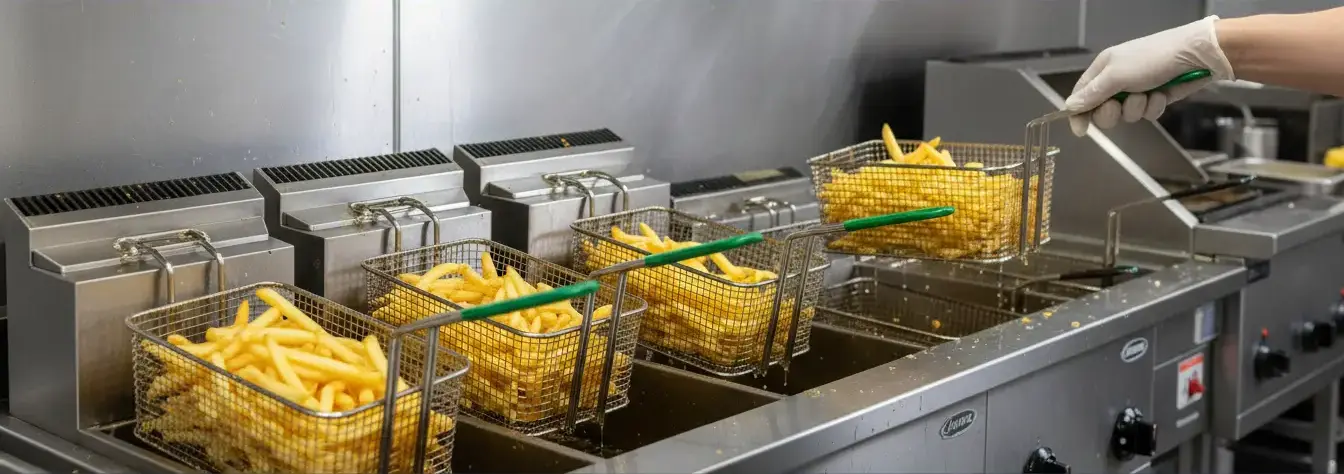
Find the Best Used Cooking Oil Collection Companies for Your Business
No obligation • Fast responses • Nationwide coverage

Why you can trust Restaurant Waste Disposal
Restaurant Waste Disposal is a leading U.S. resource for comparing restaurant composting, food-waste recycling, grease trap cleaning, and used cooking oil collection services. Our editorial team researches providers, checks credentials, and organizes unbiased information so operators can make informed decisions. Companies cannot pay to change ratings or placement.
Search providers near you
Top Used Cooking Oil Collection Companies in Durham, North Carolina Ranked
For restaurants and food service establishments in Durham, managing used cooking oil (UCO) is a critical operational and environmental responsibility. Proper collection and recycling of this waste stream are not only mandated by local regulations to protect the city's sewer infrastructure but also present a potential revenue opportunity. By partnering with a professional collection service, Durham businesses can ensure compliance, contribute to the circular economy by transforming waste into biofuel, and streamline their kitchen operations. This guide outlines the essentials of UCO management, from local rules to selecting a service provider.
Orange County Solid Waste & Recycling Center- Ferguson Rd.
1616 Ferguson Rd, Chapel Hill, NC 27516
Orange County Solid Waste & Recycling Center- Ferguson Rd. serves residents of Chapel Hill, NC, providing a location for household waste disposal and recycling. The center accepts various materials including single stream recycling, motor oil, batteries, electronics, scrap metal, tires, yard waste, and clean wood. It also handles limited residential construction and demolition waste from primary residences. This facility is part of a network of five staffed centers dedicated to residential use only, with no commercial waste accepted.
Greasecycle
3900 Commerce Park Dr, Raleigh, NC 27610
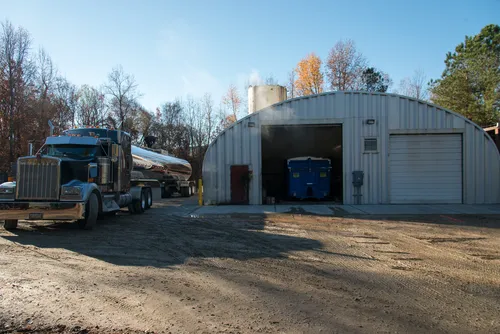
Greasecycle is a family-owned used cooking oil collection company based in Raleigh, NC. They provide secure container installation, scheduled oil pickup, and handle all compliance paperwork to support restaurants and food facilities in managing their waste oil responsibly. Serving clients across the East Coast, Greasecycle specializes in used cooking oil recycling and offers detailed documentation to help businesses pass health and city inspections. Founded in 2009, they have over 15 years of experience and are a fully permitted, DOT registered hauler.

Solid Waste Convenience Center Bradshaw Quarry Rd
6705 Bradshaw Quarry Rd, Mebane, NC 27302
Solid Waste Convenience Center Bradshaw Quarry Rd is a residential waste and recycling facility located in Burlington, NC. It serves Orange County residents by accepting household garbage, bulky items, and a variety of recyclable materials. The center does not accept commercial or business waste and limits visits to one per weekday and weekend. While it offers core waste disposal services, it does not accept construction and demolition waste. The facility operates as part of a network of five staffed centers in the area, providing convenient access to waste management services for local residents.
Understanding Durham's FOG Regulations
Durham has specific rules to control Fats, Oils, and Grease (FOG) entering the public sewer system. The Durham County Department of Engineering & Environmental Services sets a limit of 200 mg/L for FOG in wastewater discharges. To meet this standard, commercial kitchens are required to install and maintain properly sized grease traps or interceptors. These devices capture grease before wastewater leaves your facility, but they are only the first line of defense. The oil and grease collected in these traps, along with used fryer oil, must be disposed of properly-never down the drain.
Prohibited practices include:
- Pouring liquid grease, oil, or food scraps down any drain or toilet.
- Using emulsifiers, solvents, or caustic agents that dissolve grease, as it will re-congeal further down the sewer line, causing blockages 1.
- Cleaning greasy equipment outdoors where runoff can enter storm drains.
Non-compliance can lead to sewer backups, environmental harm, and significant fines from the City of Durham's Industrial Waste Control program. A professional UCO collection program is a key component of a compliant FOG management plan.
The Collection and Recycling Process
A well-run used fryer oil program involves secure storage, scheduled pickups, and responsible recycling.
Step 1: On-Site Storage After oil is used for cooking, it is cooled and transferred into dedicated, leak-proof containers provided by your collection company. These containers are typically stored in a secure, accessible area like a loading dock or fenced enclosure. Keeping containers covered is crucial to prevent rainwater from diluting the oil, which reduces its value, and to avoid contamination 2.
Step 2: Scheduled Pickup Your service provider will establish a regular pickup schedule based on your oil volume-weekly, bi-weekly, or monthly. On service day, a trained technician will collect the full containers, replace them with clean ones if needed, and leave a service ticket documenting the pickup. Companies like Grease Cycle and Eazy Grease, which serve the Durham area, offer this streamlined service 3 4.
Step 3: Transformation into New Products The collected oil is not simply disposed of. It is transported to a processing facility where it is filtered to remove food particles and water. The purified oil is then a valuable feedstock for the production of biofuels like biodiesel, a renewable alternative to petroleum diesel, or other industrial products like lubricants. This process ensures the oil is recycled and never re-used as food oil.
Cost, Value, and Revenue Potential
Managing used cooking oil in Durham is not necessarily an expense; it can be a cost-neutral or even revenue-generating practice. The economics depend entirely on the volume and quality of oil you produce.
- Free Service for Quality Oil: Many haulers offer free collection services, including the provision of containers, to establishments that generate sufficient volumes of uncontaminated oil. The value they receive from selling your oil to biofuel producers covers the cost of service 5.
- Potential for Rebates: For high-quality oil from sources like fryers, some collectors pay rebates that can range from a few cents to over $0.50 per gallon 6 7. This can turn a waste product into a minor revenue stream.
- Variable Costs: For smaller volumes or oil that is heavily contaminated with water or food solids, a pickup fee may apply. The cost structure varies by provider, so it's important to discuss your specific situation.
Find the perfect used cooking oil collection companies for your needs
Get personalized recommendations and expert advice
Choosing a Collection Service in Durham
Selecting the right partner is essential for a reliable and beneficial program. When evaluating used cooking oil collectors, consider the following:
- Service Reliability: Look for a company with a proven track record of on-time pickups in the Durham area. Consistent service prevents overflow and mess.
- Container Provision: Ensure they supply sturdy, sealed containers that are appropriate for your kitchen's space and volume.
- Transparent Policies: Understand their fee or rebate structure, contract terms, and what constitutes "quality" oil to maximize your potential return.
- Environmental Commitment: Choose a hauler that is transparent about their recycling partners and can verify that the oil is processed into biofuel.
Local resources like the NC Department of Environmental Quality's Recycling Markets Directory can help you identify reputable providers.
Best Practices for Kitchen Staff
The success of your program depends on proper daily practices. Educating your staff is critical:
- Cool Before Transfering: Always allow oil to cool completely before draining it from fryers to prevent burns and container damage.
- Use Designated Containers: Pour used oil only into the provided collection containers-never into trash bags, floor drains, or grease traps.
- Avoid Contaminants: Do not mix used oil with water, soap, or solid food waste. Keep container lids closed when not in use.
- Maintain Cleanliness: Keep the storage area tidy to prevent spills and pests. Report any leaks or full containers to management immediately.
Residential Oil Recycling in Durham
While this page focuses on commercial services, it's worth noting that the City of Durham offers a solution for residents. The city provides free "Fat Trapper" containers for collecting cooking oil and grease from home kitchens 8 9. This program helps prevent household drain clogs and keeps FOG out of the municipal system. Residents can contact the city's waste management department for more information on this program.
Frequently asked questions
Sources
Footnotes
-
City of Durham's Guide to Grease Reduction - https://www.durhamnc.gov/DocumentCenter/View/3528/Commercial-Guide-Restaurants-PDF ↩
-
Fats, Oils, and Grease (FOG) - Durham County Government - https://dconc.gov/Engineering-and-Environmental-Services/Utilities/Compliance/Fats-Oils-and-Grease ↩
-
Used Cooking Oil Recycling in North Carolina - https://eazygrease.com/used-cooking-oil-recycling-north-carolina/ ↩
-
Used Cooking Oil Collection Services | NC, SC and VA - Grease Cycle - https://grease-cycle.com/cooking-oil-recycling-services/ ↩
-
Restaurant Used Cooking Oil Recycling & Disposal Guide - https://greaseconnections.com/restaurant-used-cooking-oil-disposal-recycling-revenue-guide/ ↩
-
Case Studies | NC DEQ - https://www.deq.nc.gov/about/divisions/environmental-assistance-and-customer-service/recycling/general-recycling-information/special-recyclables/fats-used-cooking-oil-and-grease/case-studies ↩
-
Restaurant Service Industry: Waste Fryer Oil Processing - https://carolinabiofuels.org/grease-collection/ ↩
-
Industrial Waste Control, Pretreatment, and Grease Reduction | Durham, NC - https://www.durhamnc.gov/1077/Grease-Reduction-Pretreatment ↩
-
Quick Guide - NC DEQ - https://www.deq.nc.gov/conservation/recycling/fats-oils-grease/used-cooking-oil/quick-guide ↩