Find the Best Grease Trap Cleaning Companies for Your Business
No obligation • Fast responses • Nationwide coverage

Why you can trust Restaurant Waste Disposal
Restaurant Waste Disposal is a leading U.S. resource for comparing restaurant composting, food-waste recycling, grease trap cleaning, and used cooking oil collection services. Our editorial team researches providers, checks credentials, and organizes unbiased information so operators can make informed decisions. Companies cannot pay to change ratings or placement.
Search providers near you
Top Grease Trap Cleaning Companies in Waukesha, Wisconsin Ranked
For restaurant owners and food service operators in Waukesha, maintaining a clean and compliant grease trap or interceptor is a critical, non-negotiable part of daily operations. These systems are your first line of defense against costly sewer blockages, unpleasant odors, and significant regulatory fines. Wisconsin state plumbing codes, enforced locally by health departments, mandate specific installation, maintenance, and record-keeping protocols for all facilities that introduce fats, oils, and grease (FOG) into the wastewater system. Proactive and professional grease interceptor service isn't just about avoiding problems-it's about ensuring the smooth, uninterrupted operation of your business while protecting Waukesha's public sewer infrastructure.
Understanding and adhering to these regulations is essential. This guide outlines the key requirements, best practices, and local considerations for effective FOG management in Waukesha.

AJacks Sewer & Drain Cleaning
15225 W Rogers Dr, New Berlin, WI 53151
AJacks Sewer & Drain Cleaning is a drain cleaning company based in Waukesha, WI, serving South-Eastern Wisconsin including Milwaukee, Waukesha, Jefferson, Ozaukee, Washington, Racine, Kenosha, and Walworth counties. Established in 1958, they provide commercial and residential drain cleaning services such as grease trap cleaning, video sewer inspections, and clearing of main lines, laterals, floor drains, and storm sewers. AJacks specializes in sewer and drain cleaning rather than general plumbing, offering expertise in water 'out' systems. Their team uses specialized cameras for inspections and handles tough blockages efficiently.
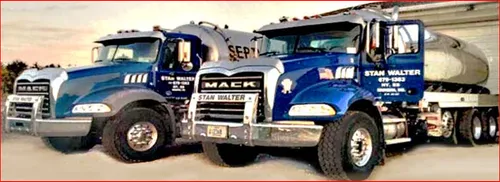
Stanley Walter Septic Tank Cleaning LLC.
S65W22175 National Ave, Waukesha, WI 53189
Stanley Walter Septic Tank Cleaning LLC is a family-owned and locally operated company based near Milwaukee, WI, serving Southeast Wisconsin. They provide a range of septic services including septic tank and mound system pumping, holding tank pumping, and grease trap cleaning for commercial kitchens. The company uses high-pressure water jetting to clear clogged drain lines and sewers, effectively removing solids and roots from septic systems. Established in 1953, Stanley Walter Septic Tank Cleaning LLC has built a reputation for personalized and comprehensive septic maintenance and repair services.

Giddings Hawkins Maintenance Service LLC
2112 S 56th St, West Allis, WI 53219
Giddings Hawkins Maintenance Service LLC is a non-hazardous liquid waste management and industrial maintenance company based in West Allis, Wisconsin. Founded in 1987, it serves customers throughout Milwaukee, Madison, and southeast Wisconsin. The company specializes in grease trap pumping, catch basin pumping, and other non-hazardous liquid waste pumping services. They also provide kitchen hood, duct, and fan maintenance along with industrial maintenance for various industries including restaurants, manufacturing, hospitals, and commercial properties. Giddings Hawkins is licensed by the Wisconsin Department of Natural Resources and fully insured.
Wisconsin and Waukesha Grease Interceptor Regulations
Compliance starts with knowing the rules. In Wisconsin, grease interceptor standards are established by the Department of Safety and Professional Services (DSPS) and are uniformly applied, though local health departments conduct inspections and enforcement.
Key State-Level Requirements:
- Mandatory Installation: Grease interceptors are required for all food service establishments (non-dwelling facilities) that discharge FOG into the plumbing system 1.
- Design Standards: Exterior grease interceptors must have a minimum of two compartments and be equipped with accessible manholes for inspection and cleaning 2.
- The 25% Rule: A core maintenance standard requires that interceptors be cleaned when the combined FOG and solids accumulate to 25% of the unit's liquid depth. Allowing accumulation beyond this point significantly increases the risk of FOG escaping into the sewer lines 3.
- Record-Keeping: Facilities must maintain detailed logs of all grease interceptor maintenance, including dates of service, the volume of waste removed, and the disposal method. These records must be available for review by health inspectors upon request.
Local Enforcement and Inspection in Waukesha
While the rules are state-mandated, enforcement happens at the local level. In Waukesha County, the Public Health Division is responsible for inspecting food establishments to ensure compliance with these and other health codes. During routine inspections, officials will check your grease interceptor, review your maintenance documentation, and ensure no visible grease is escaping into the drains. Failure to meet these standards can result in violations, fines, and in severe cases, operational shutdowns until the issue is resolved.
It is highly recommended for Waukesha restaurant operators to contact the local health department directly to confirm specific inspection schedules and understand any local interpretations of the state code 4.
Scheduling and Costs for Interceptor Service
How often you need professional grease trap pumping depends on your volume of business, the size of your interceptor, and your menu. Most restaurants in Waukesha find that manual interceptors require service every 1 to 3 months 5. Automatic grease recovery units (AGRUs) may have different maintenance schedules. The best practice is to have a service provider assess your specific operation and recommend a frequency based on the 25% rule.
Understanding Service Costs:
- Routine Maintenance Pumping: For scheduled, preventive cleaning of a standard exterior grease interceptor, Waukesha restaurants can expect costs in the range of $250 to $400 or more per service. This typically includes pumping all compartments, scraping down baffles and walls, inspecting the system for damage, and providing you with documentation for your records.
- Emergency Service: If an interceptor overflows, causes a backup, or leads to a violation notice, emergency service calls are substantially more expensive, often ranging from $800 to $1,200 or higher 6 7. This cost is compounded by potential lost revenue if you must close during the emergency and any fines levied by the municipality.
Find the perfect grease trap cleaning companies for your needs
Get personalized recommendations and expert advice
The Consequences of Neglect: More Than Just a Fine
Failing to maintain your grease interceptor has cascading negative effects. Beyond the immediate cost of an emergency pump-out, neglect can lead to:
- Sewer Line Blockages: FOG that escapes the interceptor cools and solidifies inside sewer pipes, creating severe blockages that can affect your business and neighboring properties.
- Sanitary Sewer Overflows (SSOs): Major blockages can cause raw sewage to back up into basements or overflow from manholes, leading to environmental damage and substantial penalties from the wastewater authority.
- Operational Disruption: A clogged drain line or overflowing interceptor can halt kitchen operations during peak hours.
- Increased Maintenance Costs: Heavily caked-on grease is more difficult and time-consuming to remove, leading to higher labor costs during service.
Best Practices for Waukesha Restaurant Owners
Adopting a proactive management strategy is the most effective way to ensure compliance and avoid headaches.
- Establish a Preventive Maintenance Schedule: Partner with a licensed, professional service provider to clean your interceptor on a regular schedule, before it reaches 25% capacity. This is the single most effective step you can take 8 9.
- Implement Front-of-House FOG Management: The less FOG that goes down the drain, the less frequently you'll need pumping. Train kitchen staff to scrape food scraps into compost or trash bins and to use dry methods to wipe grease from pots and pans before washing 10.
- Maintain Impeccable Records: Keep a dedicated logbook or digital file for every service receipt and manifest. This documentation is your proof of compliance during health inspections 11 12.
- Choose a Reputable Service Provider: Select a licensed, insured, and experienced local company familiar with Waukesha County codes. They should provide detailed service reports and properly dispose of the collected FOG at a licensed facility 13.
- Conduct Visual Checks: Periodically check the first compartment of your interceptor yourself to monitor grease buildup. This helps you verify your service frequency is adequate.
Beyond Cleaning: The Role of Used Cooking Oil Collection
Many professional grease interceptor service providers in the Waukesha area also offer used cooking oil (UCO) collection. Properly managing UCO is a complementary practice to grease trap maintenance. By having fryer oil collected for recycling, you prevent it from ever entering the drain system, reducing the load on your interceptor. This can extend the time between necessary pump-outs and often provides a small revenue stream or reduced service fee from the collector.
Frequently asked questions
Sources
Footnotes
-
APPENDIX A Grease Trap and Interceptor Requirements Definitions - https://fcwsd.org/documents/728/Appendix_A_Grease_Trap_Requirements.pdf ↩
-
SPS 382.34(5)(c)2.b. - Wisconsin Legislative Documents - https://docs.legis.wisconsin.gov/document/administrativecode/SPS%20382.34(5)(c)2.b. ↩
-
Waukesha County Septic Grease Trap Cleaning - https://www.stanleywalterseptic.com/services/grease-trap-cleaning ↩
-
Information for Prospective Food Establishment Operators - https://publichealthmdc.com/documents/information_for_prospective_food_operators.pdf ↩
-
Essential Grease Trap Maintenance Guide For Milwaukee ... - https://www.myshyft.com/blog/grease-trap-cleaning-milwaukee-wisconsin/ ↩
-
Ultimate Grease Trap Pumping Cost Guide: Essential Money-Saving ... - https://www.texwaywastewater.com/grease-trap-pumping-cost/ ↩
-
Restaurant Grease Trap Cleaning FAQs - Mahoney Environmental - https://www.mahoneyes.com/restaurant-grease-trap-cleaning-faqs/ ↩
-
How to Clean a Grease Trap (and How Often You Should) - https://greaseconnections.com/how-to-clean-a-grease-trap-and-how-often-you-should/ ↩
-
Grease Trap Cleaning in Waukesha WI | Grease Interceptor ... - https://greasetrapcleaningwaukesha.com/ ↩
-
What Every Restaurant Owner Should Know About Grease Traps - https://www.allenstristate.com/every-restaurant-owner-know-grease-traps/ ↩
-
Grease Interceptors - DSPS - Wisconsin.gov - https://dsps.wi.gov/Documents/Programs/Plumbing/FAQGreaseInterceptors.pdf ↩
-
Grease Trap Regulations and Compliance: What You Need to Know - https://www.texwaywastewater.com/grease-trap-regulations-and-compliance/ ↩
-
Grease Trap Cleaning in Waukesha, WI | Grease Interceptor Pumping - https://greasetrapcleaningmuskego.com/waukesha-wi.html ↩