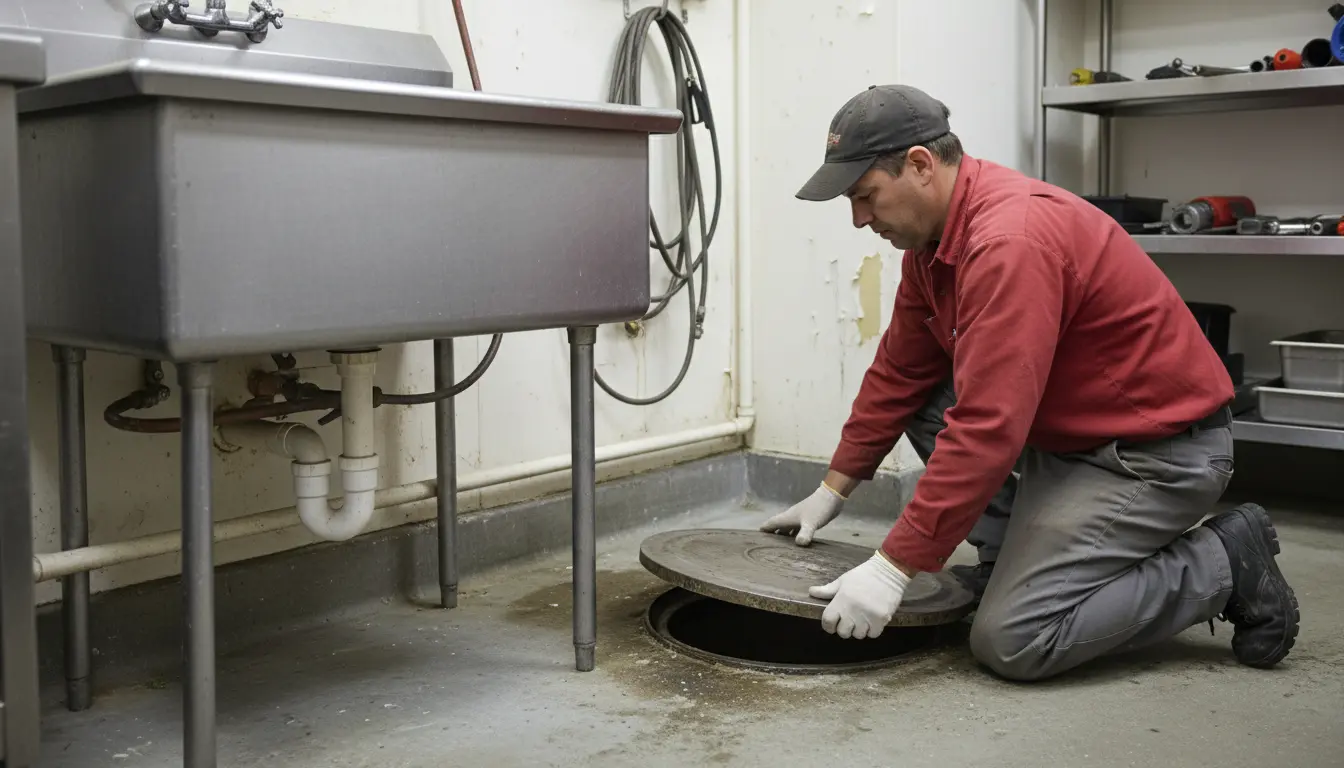
Find the Best Grease Trap Cleaning Companies for Your Business
No obligation • Fast responses • Nationwide coverage

Why you can trust Restaurant Waste Disposal
Restaurant Waste Disposal is a leading U.S. resource for comparing restaurant composting, food-waste recycling, grease trap cleaning, and used cooking oil collection services. Our editorial team researches providers, checks credentials, and organizes unbiased information so operators can make informed decisions. Companies cannot pay to change ratings or placement.
Search providers near you
Best Grease Trap Cleaning Companies in Wisconsin Ranked
For restaurant owners and food service operators in Wisconsin, managing fats, oils, and grease (FOG) is a critical operational and legal responsibility. The state, along with its municipalities, enforces specific regulations to prevent sewer blockages and environmental damage. Proper grease interceptor maintenance is not just about avoiding clogs in your own kitchen; it's a mandated part of protecting Wisconsin's public sewer infrastructure. Compliance involves understanding a combination of state plumbing codes and often stricter local ordinances that dictate installation, cleaning frequency, and detailed record-keeping. Failure to adhere can result in significant fines, increased utility costs, and even business interruptions.

AJacks Sewer & Drain Cleaning
15225 W Rogers Dr, New Berlin, WI 53151
AJacks Sewer & Drain Cleaning is a drain cleaning company based in Waukesha, WI, serving South-Eastern Wisconsin including Milwaukee, Waukesha, Jefferson, Ozaukee, Washington, Racine, Kenosha, and Walworth counties. Established in 1958, they provide commercial and residential drain cleaning services such as grease trap cleaning, video sewer inspections, and clearing of main lines, laterals, floor drains, and storm sewers. AJacks specializes in sewer and drain cleaning rather than general plumbing, offering expertise in water 'out' systems. Their team uses specialized cameras for inspections and handles tough blockages efficiently.
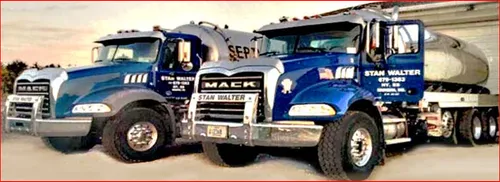
Stanley Walter Septic Tank Cleaning LLC.
S65W22175 National Ave, Waukesha, WI 53189
Stanley Walter Septic Tank Cleaning LLC is a family-owned and locally operated company based near Milwaukee, WI, serving Southeast Wisconsin. They provide a range of septic services including septic tank and mound system pumping, holding tank pumping, and grease trap cleaning for commercial kitchens. The company uses high-pressure water jetting to clear clogged drain lines and sewers, effectively removing solids and roots from septic systems. Established in 1953, Stanley Walter Septic Tank Cleaning LLC has built a reputation for personalized and comprehensive septic maintenance and repair services.
A1 Precision Pumping
7575 Butterfield Valley Rd, Hokah, MN 55941
A1 Precision Pumping is based near La Crosse, WI, providing septic inspection, septic pumping, grease trap cleaning, and related services. They serve Houston, Winona, and Fillmore Counties in Minnesota, offering capabilities such as pipeline video inspections and biosolid management. The company also provides portable restroom trailers for events, expanding their service offerings beyond pumping and maintenance.
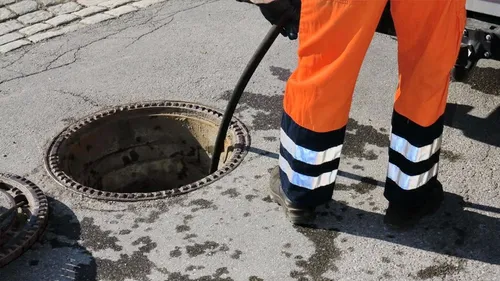
Harper Pumping
Sheboygan, WI 53081
Harper Pumping is a grease trap cleaning and septic service company based in Sheboygan, WI. They provide 24/7 residential and industrial drain and septic services, including grease trap pumping and jetting. Their capabilities include sewer jetting with van-mounted and large trailer units, advanced video inspection tools, and trenchless pipe repair techniques. Harper Pumping also serves agricultural clients with specialized equipment for manure lines and parlor drains.

Giddings Hawkins Maintenance Service LLC
2112 S 56th St, West Allis, WI 53219
Giddings Hawkins Maintenance Service LLC is a non-hazardous liquid waste management and industrial maintenance company based in West Allis, Wisconsin. Founded in 1987, it serves customers throughout Milwaukee, Madison, and southeast Wisconsin. The company specializes in grease trap pumping, catch basin pumping, and other non-hazardous liquid waste pumping services. They also provide kitchen hood, duct, and fan maintenance along with industrial maintenance for various industries including restaurants, manufacturing, hospitals, and commercial properties. Giddings Hawkins is licensed by the Wisconsin Department of Natural Resources and fully insured.
Understanding Wisconsin's Grease Trap Regulations
Wisconsin's approach to grease management is a two-tiered system: statewide plumbing codes set the baseline, and local sewerage districts or municipalities layer on additional, enforceable requirements.
State Plumbing Code (SPS 382.34): The Wisconsin Department of Safety and Professional Services (DSPS) mandates that most non-dwelling food service establishments install and maintain grease interceptors 1. The code provides specific sizing guidelines; for example, establishments connected to a municipal sewer typically require a minimum 750-gallon capacity interceptor. This state rule is the foundation, but local authorities are responsible for enforcement and can impose more stringent standards.
Local Enforcement and Ordinances: This is where compliance gets specific to your location. Major municipalities like Madison (through the Madison Metropolitan Sewerage District - MMSD), Milwaukee, Oconomowoc, and Beloit have established detailed grease control programs. These programs often require annual registration, reporting, and adherence to local cleaning benchmarks. It is essential to contact your local public works or sewerage department to obtain the exact rules for your business address.
Key Requirements for Compliance
Staying compliant in Wisconsin involves more than just occasional pumping. Key requirements typically include:
- Permitting and Registration: While a specific "grease trap permit" may not always exist, most local programs require food establishments to register their grease interceptor with the city or sewerage district. This registration is often tied to your annual operating permit or sewer billing.
- The 25% Rule: A common standard enforced by districts like MMSD is the "25% rule." This requires that a grease interceptor be cleaned when the combined FOG and settled solids accumulate to 25% of the liquid depth of the trap. This is a performance-based standard designed to ensure the interceptor functions properly 2.
- Mandatory Cleaning Frequency: Even if the 25% threshold isn't met, local ordinances usually set a maximum time between cleanings. A typical requirement is pumping at least every 90 days (quarterly), though high-volume kitchens may be required to clean monthly or bi-monthly 3 4.
- Annual Reporting: Cities require proof of compliance. For instance, Madison mandates that restaurants submit a Grease Trap Maintenance Report by April 1st of each year, detailing all cleaning and maintenance activities from the previous year. Oconomowoc requires a similar report by January 31st.
- Record-Keeping: You must maintain detailed service records on-site. MMSD, for example, requires businesses to keep cleaning documentation-including date, company, volume of waste removed, and disposal method-for a minimum of three years.
Best Practices for Grease Interceptor Maintenance
Proactive maintenance extends the life of your equipment, ensures consistent compliance, and can save money in the long run.
- Proper Installation and Sizing: Work with a licensed plumber to ensure your interceptor is correctly sized for your kitchen's flow rate and fixture units. Exterior interceptors are typically required for private sewage systems, while both interior and exterior types may be used for public sewer connections 5 6.
- Staff Training and Kitchen Practices: The first line of defense is in the kitchen. Train staff to scrape all food solids into the trash, not the sink. Never pour hot grease or oil down the drain, as it will liquefy, flow through the interceptor, and solidify further down the sewer line. Use sink strainers and collect fryer oil separately for recycling 7.
- Schedule Preventative Pumping: Don't wait for an emergency or a violation notice. Schedule regular pumping based on your establishment's volume and the local 25% / 90-day rule. A consistent schedule prevents overflows and backups 8 9.
- Work with a Licensed Service Provider: Hire a reputable, licensed grease trap service company. They will properly pump, clean, and dispose of the waste, and provide you with the detailed documentation you need for your annual reports. Ensure they are familiar with your local municipality's specific paperwork requirements.
Find the perfect grease trap cleaning companies for your needs
Get personalized recommendations and expert advice
Costs of Grease Trap Services in Wisconsin
The cost of grease interceptor maintenance varies based on the size and location of the trap, as well as the frequency of service.
- Indoor Grease Traps: Smaller under-sink or in-floor traps typically cost between $115 and $475 per pumping service.
- Outdoor Grease Interceptors: Larger in-ground interceptors, which are common for restaurants, range from $325 to over $1,040 per pump-out, with price increasing with tank size and accessibility 10.
- Cost-Benefit of Regular Maintenance: Investing in routine, preventative pumping is far more economical than reacting to an emergency. A clogged interceptor can lead to kitchen shutdowns, and the cost for an emergency service call plus potential fines from the city will vastly exceed the price of scheduled maintenance. Furthermore, chemical "maintenance" products are often not a substitute for physical removal and can damage equipment or violate local ordinances 11.
Consequences of Non-Compliance
Ignoring grease trap regulations in Wisconsin carries serious financial and operational risks:
- Substantial Fines: Municipalities can and do issue fines for missed cleanings, failure to report, or for causing a sewer obstruction. These fines can range from hundreds to thousands of dollars per violation 12.
- Increased Sewer Rates: In cities like Madison, restaurants are placed in a specific "Restaurant Class" for sewer billing. Non-compliance or high FOG discharge can move a business into a higher-cost tier, significantly increasing monthly utility bills 13.
- Business Disruption and Liability: A severe grease-related sewer backup can lead to health department actions, temporary closure orders, and liability for costs associated with cleaning public sewer lines. In extreme cases, repeat violations can jeopardize business licensing.
Staying ahead of grease trap maintenance is a non-negotiable aspect of responsible restaurant operation in Wisconsin. By understanding the layered regulations, implementing best practices, and maintaining meticulous records, you can protect your business from costly penalties and contribute to the health of your community's infrastructure.
Frequently asked questions
Sources
Footnotes
-
SPS 382.34(4)(a)2.f. - Wisconsin Legislative Documents - https://docs.legis.wisconsin.gov/document/administrativecode/SPS%20382.34(4)(a)2.f. ↩
-
A Guide to Restaurant Grease Management - https://apps.lhwmp.org/IRAC/eDoc.ashx?DocID=Xb9va1HRGBg%3D ↩
-
Essential Grease Trap Maintenance Guide For Milwaukee ... - https://www.myshyft.com/blog/grease-trap-cleaning-milwaukee-wisconsin/ ↩
-
Restaurant Grease Trap Cleaning FAQs - Mahoney Environmental - https://www.mahoneyes.com/restaurant-grease-trap-cleaning-faqs/ ↩
-
Information for Prospective Food Establishment Operators - https://publichealthmdc.com/documents/information_for_prospective_food_operators.pdf ↩
-
Grease Interceptors - DSPS - Wisconsin.gov - https://dsps.wi.gov/Documents/Programs/Plumbing/FAQGreaseInterceptors.pdf ↩
-
Grease Traps - Environmental & Public Education - Welcome to the City of Beloit - https://www.beloitwi.gov/index.asp?SEC=BB768407-BC88-4FBB-BF76-9D247D29ACBF&DE=750E69EE-54A4-4C52-917B-D0CF99D3AEEE ↩
-
How to Clean a Grease Trap (and How Often You Should) - https://greaseconnections.com/how-to-clean-a-grease-trap-and-how-often-you-should/ ↩
-
Commercial Grease Trap Cleaning & Maintenance in SE Wisconsin - https://www.arnoldsenvironmental.com/grease-traps ↩
-
Ultimate Grease Trap Pumping Cost Guide: Essential Money-Saving ... - https://www.texwaywastewater.com/grease-trap-pumping-cost/ ↩
-
Grease Trap Pumping Cost vs. Grease Trap Maintenance Cost - https://www.stateindustrial.com/video/cost-comparison-pumping-v-chemicals-to-maintain-a-grease-trap/ ↩
-
Grease Trap Monitoring Program | City of Oconomowoc, WI - https://www.oconomowoc-wi.gov/272/Grease-Trap-Monitoring-Program ↩
-
Restaurant Class Sanitary Sewer Bill, Grease Trap Maintenance Reporting | Engineering | City of Madison, WI - https://www.cityofmadison.com/engineering/sanitary-sewer/madison-municipal-services-bill/restaurant-class-sanitary-sewer-bill ↩