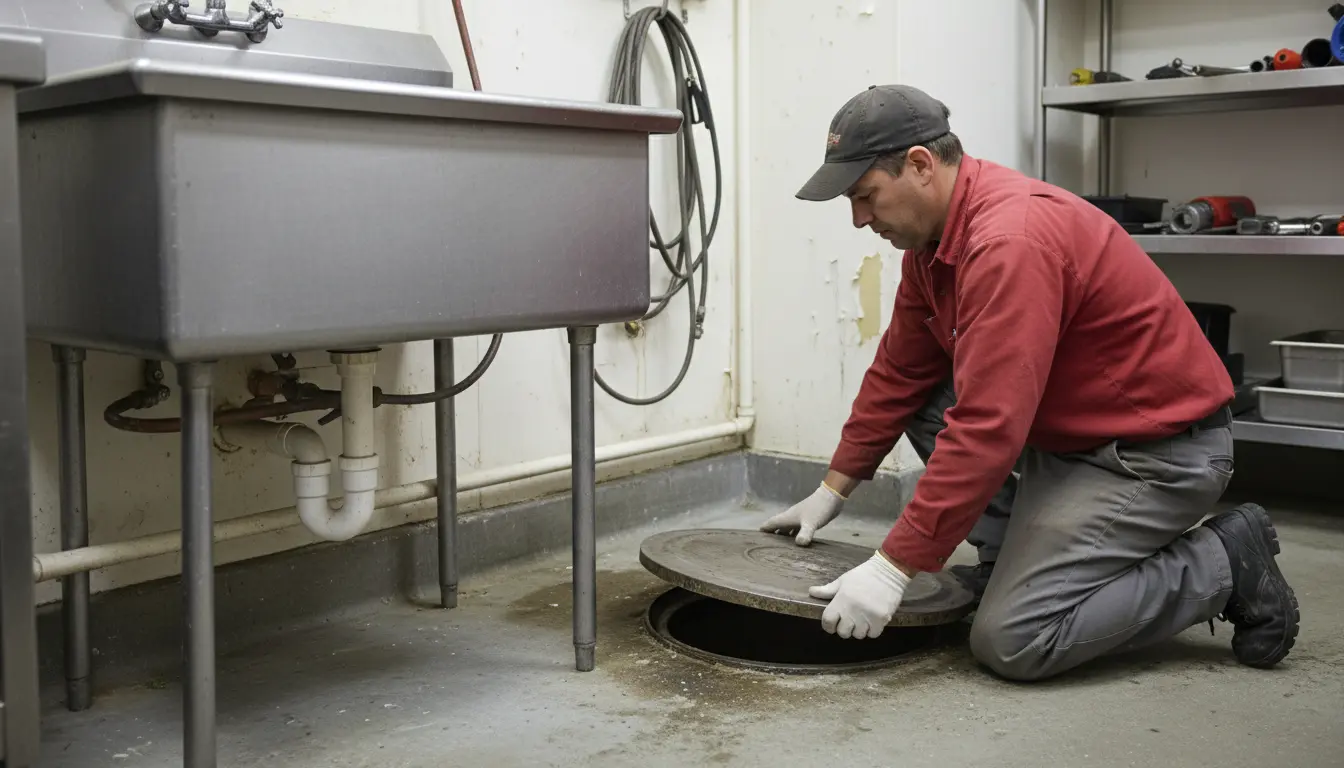
Find the Best Grease Trap Cleaning Companies for Your Business
No obligation • Fast responses • Nationwide coverage

Why you can trust Restaurant Waste Disposal
Restaurant Waste Disposal is a leading U.S. resource for comparing restaurant composting, food-waste recycling, grease trap cleaning, and used cooking oil collection services. Our editorial team researches providers, checks credentials, and organizes unbiased information so operators can make informed decisions. Companies cannot pay to change ratings or placement.
Search providers near you
Top Grease Trap Cleaning Companies in Shoreline, Washington Ranked
For any restaurant, café, or food service establishment in Shoreline, managing fats, oils, and grease (FOG) is a critical operational and legal requirement. Proper grease interceptor maintenance is not just about avoiding clogs; it's a mandated practice to protect the local sewer system from blockages and overflows, which can lead to significant environmental issues and public health concerns. King County and the City of Shoreline enforce specific plumbing codes and health regulations that require food establishments to install, maintain, and regularly clean their grease traps or interceptors. Failure to comply can result in hefty fines, operational shutdowns, and damage to your business's reputation. This guide outlines the essential knowledge for Shoreline food service operators to navigate grease trap cleaning requirements, maintain compliance, and implement a cost-effective maintenance strategy.
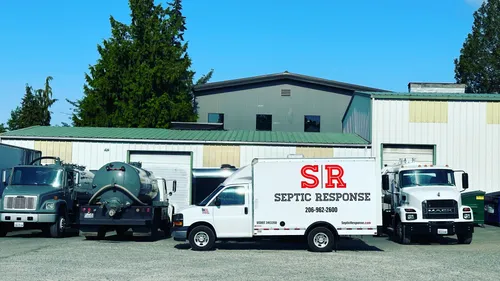
Septic Response
672 7th Ave, Kirkland, WA 98033
Septic Response is a septic service provider based in Seattle, WA, offering a range of services including septic tank pumping, grease trap cleaning, drainfield repair, and system maintenance. They serve King County, Snohomish County, and Pierce County with expertise in both traditional and advanced septic systems. Their services include septic tank inspections, pump replacements, inlet pipe cleaning, and grease trap and sewer lift station maintenance. Septic Response emphasizes preventative maintenance and uses advanced monitoring technologies to ensure system efficiency and environmental compliance. The company is known for providing detailed documentation and educational resources to help homeowners maintain their septic systems effectively.
Sweetwater Septic & Grease Trap Pumping
Seattle, WA
Sweetwater Septic & Grease Trap Pumping provides grease trap cleaning services in Seattle, WA. They specialize in maintaining grease traps to ensure proper function and compliance with local regulations.

Beacon Plumbing, Heating, Electrical & Mechanical Inc - Seattle
515 7th Ave S, Seattle, WA 98104
Beacon Plumbing, Heating, Electrical & Mechanical Inc is a multi-service contractor based in Seattle, WA, providing plumbing, heating, electrical, and mechanical services. Established in 1999, the company serves both residential and commercial clients throughout Seattle and the Puget Sound area. Their services include water, sewer, and pipe repairs, drain clearing, grease trap interceptor cleaning, trenchless technology, and hydro jetting. Beacon Plumbing operates 24/7 to offer immediate assistance when needed and employs licensed technicians who live locally.
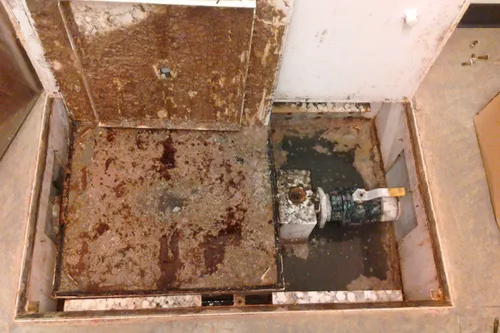
Everett Grease Trap Services
1912 32nd St, Everett, WA 98201
Everett Grease Trap Services is a local company based in Everett, WA, specializing in grease trap pumping, cleaning, installation, and interceptor services for commercial kitchens, restaurants, schools, and industrial facilities. With over 15 years of experience, they serve Everett and nearby areas including Riverside, Bayside, and Everett Junction. The company is equipped with specialized pump trucks and uses advanced equipment to ensure thorough grease trap maintenance and compliance with local health and safety regulations. They also offer 24/7 emergency pumping and cleaning services to minimize disruptions to business operations.
The Grease Group
2822 Old Hartford Rd, Lake Stevens, WA 98258
The Grease Group is a family-owned grease trap cleaning company serving Everett, WA, and surrounding areas including Bellevue, Bothell, and Greater Seattle. Established in 1966, the company offers cleaning and maintenance services for grease interceptors, holding tanks, and grease traps of all sizes. They focus on environmentally responsible disposal and use an automated reminder system to help clients maintain compliance with health codes and prevent backups. The Grease Group is fully licensed, bonded, and insured, with extensive experience servicing food-related businesses.
Understanding Local Grease Interceptor Regulations
In Shoreline, your obligations for grease management are governed by a combination of King County Public Health codes and City of Shoreline utilities standards. The foundational rule is that any establishment involved in food preparation or service that generates fats, oils, and grease must have a properly sized and functioning grease interceptor. This isn't a suggestion-it's a code requirement for obtaining and retaining your food business permit.
The key regulatory focus is on preventing FOG from entering the public sewer lines. When grease cools and solidifies in pipes, it creates severe blockages that can lead to sewage backups into streets, local waterways like the Puget Sound, and even into neighboring businesses or homes. To combat this, authorities conduct spot inspections and review maintenance documentation 1 2. Non-compliance is met with enforcement actions, which can include fines ranging from $250 to $5,000 and, in persistent cases, orders to cease operations until the issue is resolved 3 2.
Sizing and Installation Requirements
Getting the size of your grease interceptor right from the start is crucial. Sizing is not arbitrary; it is determined by King County plumbing codes and is based on the fixture unit count and flow rate of your kitchen's plumbing 4. Manufacturers also provide specifications that must be followed. An undersized interceptor will fail prematurely, leading to more frequent-and costly-service calls and increased risk of violations.
The plumbing code documentation for food establishments in King County provides detailed tables and formulas to calculate the required interceptor capacity. It is highly recommended to work with a licensed plumber familiar with these local codes during the design and installation phase. Furthermore, certain practices are explicitly prohibited, such as using automatic grease removal devices (AGRs) without prior approval, installing air admittance valves (AAVs) on interceptor vents, or discharging high-temperature water (over 140°F) that can melt and carry grease through the trap.
The 25% Rule: When to Schedule Cleaning
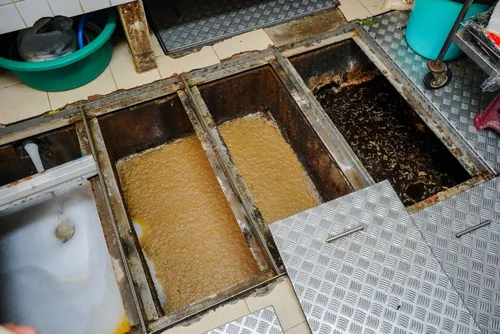
A common point of confusion is determining the optimal schedule for grease trap pumping. While many providers suggest a standard monthly or quarterly service, the official trigger in the Seattle/King County area is based on capacity: a grease interceptor must be cleaned when the combined FOG and solids accumulate to 25% of the unit's volume 5 6. This is a critical performance standard.
The frequency to reach this 25% threshold varies dramatically between establishments. A high-volume fried food restaurant might need service every few weeks, while a lower-volume café might operate safely for three months or more. The only way to know for sure is through consistent monitoring and documentation. Relying on a fixed calendar schedule without checking accumulation levels can lead to either unnecessary service expenses or, worse, being out of compliance between scheduled cleanings.
Documentation and Record-Keeping Best Practices
Maintaining detailed records is your first line of defense during a health or utilities inspection. Authorities can request to see your grease interceptor maintenance logs at any time. Your records should be kept on-site and include, at a minimum:
- Service Dates: The date of each pumping or cleaning.
- Service Provider: The name of the certified hauler or cleaning company that performed the work.
- Volume Removed: The amount of grease, scum, and solids pumped out, typically measured in gallons.
- Disposal Documentation: A waste manifest or receipt showing the FOG was properly disposed of or recycled at a licensed facility.
- Interceptor Condition: Any notes on the condition of the interceptor, including repairs needed.
Many service providers will supply a log sheet or sticker after each service. It is the business owner's responsibility to ensure these records are complete and readily available. Keeping the manufacturer's installation and operation instructions on-site is also a code requirement.
Find the perfect grease trap cleaning companies for your needs
Get personalized recommendations and expert advice
Cost Factors for Grease Trap Pumping in Shoreline
The cost of grease interceptor maintenance in Shoreline isn't fixed; it depends on several variables. Understanding these can help you budget effectively and identify potential savings through preventative care.
- Interceptor Size and Location: Larger interceptors or those in difficult-to-access locations (e.g., indoors, in a tight basement, or under concrete) will cost more to service due to the increased labor, equipment, and time required.
- Service Frequency and Condition: A well-maintained trap that is pumped regularly before it becomes overfull is easier and faster to clean. The most cost-effective approach is routine maintenance. In contrast, emergency pumping for a severely clogged or neglected interceptor can cost significantly more, with reports of emergency services ranging from $800 to $1,200 or more.
- Pricing Structures: Many providers offer a base rate for standard service on a well-maintained unit. In the Shoreline area, base rates for routine pumping can start in the $100-$150 range for very small units, with more typical costs for standard commercial interceptors falling between $175 and $475 per service 7 8 9. Some high-frequency plans for small traps (like 20-30 gallon units pumped every 2-4 weeks) may be priced between $115 and $475, depending on the contract terms 10.
Investing in regular service is almost always less expensive than paying for emergency repairs, massive cleanouts, or regulatory fines.
Avoiding Common Violations and Fines
Staying compliant means more than just hiring a pump truck. Common pitfalls that lead to violations include:
- Lack of Documentation: The most common and easily avoidable violation is simply not having maintenance records available for inspection.
- Improper Disposal: Pouring collected grease into dumpsters, storm drains, or on the ground is illegal and carries severe penalties 11.
- Poor Staff Practices: Kitchen staff must be trained to scrape food scraps into trash or compost bins before washing and to avoid pouring liquid grease down sinks. Installing and using kitchen grease collection containers is a best practice.
- Using Uncertified Haulers: Ensure your service provider is licensed and provides proper documentation for grease disposal. Using an uncertified hauler can leave you liable if the waste is dumped improperly.
Creating a Proactive Maintenance Plan
A proactive plan turns grease trap maintenance from a reactive headache into a streamlined operational task.
- Know Your System: Locate your interceptor, know its size and capacity, and understand how it works.
- Monitor Accumulation: Check the FOG and solids levels regularly, especially after periods of high volume, to learn your establishment's specific filling pattern.
- Partner with a Professional: Establish a relationship with a reliable, licensed grease trap cleaning service familiar with Shoreline and King County codes. Discuss a service plan based on your observed accumulation rate rather than a generic timeline.
- Train Your Team: Regularly train kitchen staff on proper FOG disposal practices to minimize what goes into the interceptor, extending time between services.
- Stay Informed: Regulations can update. Periodically check resources from the City of Shoreline Utilities and King County Public Health for any changes to code requirements or enforcement priorities.
By implementing a diligent, documented maintenance routine, Shoreline food service businesses can ensure they meet all environmental health standards, avoid costly fines and disruptions, and contribute to protecting the local community's infrastructure and waterways.
Frequently asked questions
Sources
Footnotes
-
Grease Trap Pumping Shoreline WA - Professional Plumbing LLC - https://www.professionalplumbingllc.com/grease-trap-pumping-shoreline-wa ↩
-
Washington State Grease Trap Environmental Regulations - https://www.greaseguardianusa.com/2024/06/17/washington-state-grease-trap-environmental-regulations/ ↩ ↩2
-
Grease Trap Compliance: What Washington & Oregon Businesses ... - https://drain-proinc.com/grease-trap-compliance-what-washington-oregon-businesses-need-to-know/ ↩
-
plumbing-requirements-food-establishments.pdf - King County - https://cdn.kingcounty.gov/-/media/king-county/depts/dph/documents/certificates-permits-licenses/food-worker-business-permits/plumbing-requirements-food-establishments.pdf ↩
-
Fats, Oils, & Grease: Commercial Kitchens - Utilities | seattle.gov - https://www.seattle.gov/utilities/protecting-our-environment/sustainability-tips/fats-oils-and-grease-(fog)/fog-commercial-kitchens ↩
-
Seattle Grease Trap Maintenance: Essential Facility Guide - https://www.myshyft.com/blog/grease-trap-cleaning-seattle-washington/ ↩
-
Ultimate Grease Trap Pumping Cost Guide: Essential Money-Saving ... - https://www.texwaywastewater.com/grease-trap-pumping-cost/ ↩
-
Grease Trap Cleaning Services - NW Biofuel - https://nwbiofuel.com/grease-trap-cleaning/ ↩
-
How Much Does a Proper Grease Trap Cleaning Cost? - https://hulseyenvironmental.com/how-much-does-a-proper-grease-trap-cleaning-partner-cost/ ↩
-
Grease Trap Cleaning Prices | Guide on the Industry Average - https://grease-cycle.com/grease-trap-pumping-cost/ ↩
-
Chapter 15.05 FATS, OILS AND GREASE - General Code - https://www.codepublishing.com/WA/Bremerton/html/Bremerton15/Bremerton1505.html ↩