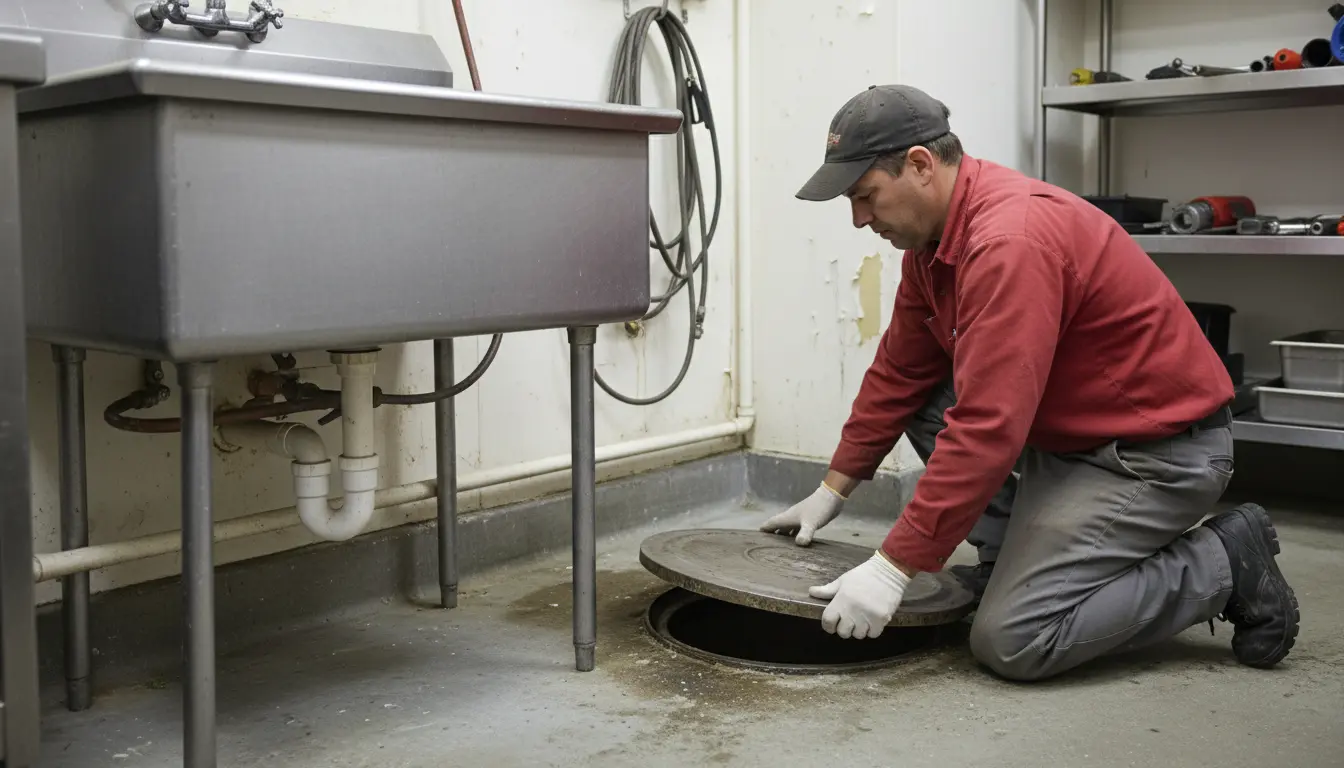
Find the Best Grease Trap Cleaning Companies for Your Business
No obligation • Fast responses • Nationwide coverage

Why you can trust Restaurant Waste Disposal
Restaurant Waste Disposal is a leading U.S. resource for comparing restaurant composting, food-waste recycling, grease trap cleaning, and used cooking oil collection services. Our editorial team researches providers, checks credentials, and organizes unbiased information so operators can make informed decisions. Companies cannot pay to change ratings or placement.
Search providers near you
Top Grease Trap Cleaning Companies in Marysville, Washington Ranked
For restaurant owners and kitchen managers in Marysville, maintaining a clean and compliant grease interceptor is a critical, non-negotiable part of daily operations. These systems are your first line of defense against costly sewer blockages, unpleasant odors, and significant fines from local health and public works departments. Effective grease trap maintenance isn't just about following the rules-it's about protecting your business's plumbing, ensuring a safe and pleasant environment, and contributing to the health of the city's wastewater infrastructure. Understanding the specific requirements in Marysville, from service frequency to proper documentation, is the key to seamless compliance and operational efficiency.
Septic Response
672 7th Ave, Kirkland, WA 98033
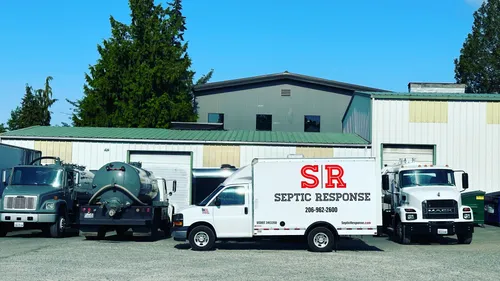
Septic Response is a septic service provider based in Seattle, WA, offering a range of services including septic tank pumping, grease trap cleaning, drainfield repair, and system maintenance. They serve King County, Snohomish County, and Pierce County with expertise in both traditional and advanced septic systems. Their services include septic tank inspections, pump replacements, inlet pipe cleaning, and grease trap and sewer lift station maintenance. Septic Response emphasizes preventative maintenance and uses advanced monitoring technologies to ensure system efficiency and environmental compliance. The company is known for providing detailed documentation and educational resources to help homeowners maintain their septic systems effectively.
Sweetwater Septic & Grease Trap Pumping
Seattle, WA
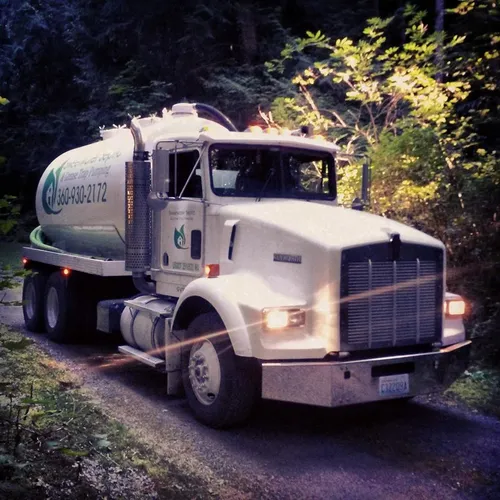
Sweetwater Septic & Grease Trap Pumping provides grease trap cleaning services in Seattle, WA. They specialize in maintaining grease traps to ensure proper function and compliance with local regulations.
Everett Grease Trap Services
1912 32nd St, Everett, WA 98201
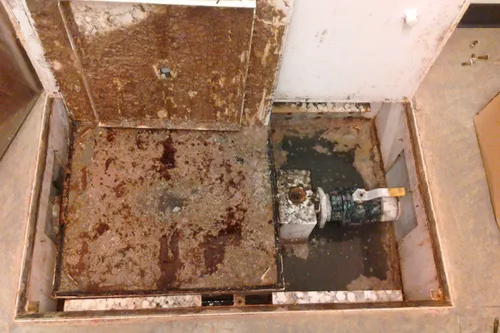
Everett Grease Trap Services is a local company based in Everett, WA, specializing in grease trap pumping, cleaning, installation, and interceptor services for commercial kitchens, restaurants, schools, and industrial facilities. With over 15 years of experience, they serve Everett and nearby areas including Riverside, Bayside, and Everett Junction. The company is equipped with specialized pump trucks and uses advanced equipment to ensure thorough grease trap maintenance and compliance with local health and safety regulations. They also offer 24/7 emergency pumping and cleaning services to minimize disruptions to business operations.
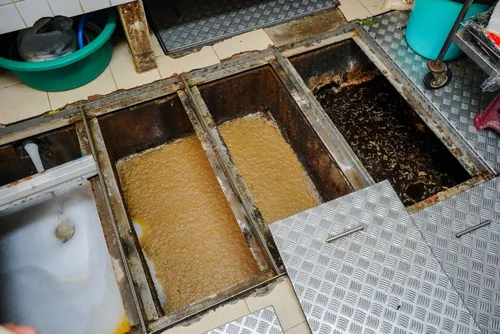
The Grease Group
2822 Old Hartford Rd, Lake Stevens, WA 98258
The Grease Group is a family-owned grease trap cleaning company serving Everett, WA, and surrounding areas including Bellevue, Bothell, and Greater Seattle. Established in 1966, the company offers cleaning and maintenance services for grease interceptors, holding tanks, and grease traps of all sizes. They focus on environmentally responsible disposal and use an automated reminder system to help clients maintain compliance with health codes and prevent backups. The Grease Group is fully licensed, bonded, and insured, with extensive experience servicing food-related businesses.
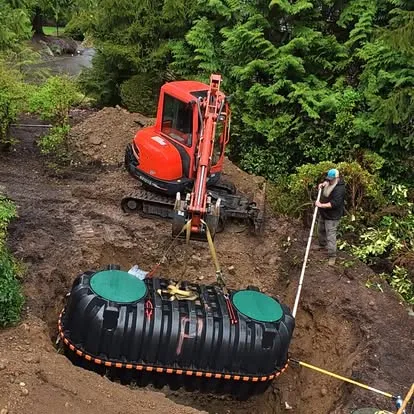
Evergreen Sanitation
2910 Old Hartford Rd, Lake Stevens, WA 98258
Evergreen Sanitation is a septic and grease trap cleaning company serving Everett, WA, and the surrounding areas in western Washington, including King, Snohomish, and Pierce counties. Established in 1957, the company provides a range of services such as septic pumping, repair, replacement, grease trap cleaning, sump pump replacement, and real estate inspections. Their technicians are certified by the Washington On-Site Sewage Association and local health jurisdictions, ensuring professional and health-conscious service. Evergreen Sanitation also offers 24-hour emergency septic services for both residential and commercial clients.
Understanding Marysville's Grease Interceptor Regulations
Local codes in Marysville mandate strict adherence to grease interceptor maintenance to prevent fats, oils, and grease (FOG) from entering the municipal sewer system 1. The City of Marysville adopts and enforces regulations that typically require pumping every 1 to 3 months, with high-volume kitchens often needing more frequent service. The cornerstone of compliance is maintaining detailed, accurate records of every service event. These logs should include dates, the volume of waste removed, and the hauler's information, as city inspectors or health department officials can request them during routine checks. Failure to comply with these maintenance and record-keeping rules can lead to penalties, including fines and, in severe cases, operational shutdowns.
Key Compliance Pillars for Your Business
- Service Frequency: At a minimum, interceptors must be serviced every 90 days, but many establishments benefit from a monthly or quarterly schedule based on their actual usage and volume.
- Accessibility: Your grease trap must be easily accessible for both routine cleaning and unannounced inspections. Obstructions can be a violation in itself 2.
- Documentation: Keep a dedicated logbook or digital file for all service receipts and reports. This is your proof of due diligence 3.
The "25% Rule" and Proactive Maintenance
Waiting for a problem is the most expensive maintenance strategy. Industry best practice, often referenced in local guidelines, follows the "25% Rule": a grease interceptor should be cleaned before the accumulated FOG and solids layer reaches 25% of the liquid depth of the trap 4 5. Allowing grease to exceed this level drastically increases the risk of it escaping into the sewer lines, leading to potential blockages, environmental harm, and violations.
Signs that your interceptor needs immediate attention include slow-draining sinks, gurgling sounds from drains, and foul odors emanating from floor drains or the trap itself. Proactive, scheduled maintenance based on your kitchen's output is always more cost-effective than emergency cleanups, which carry premium service charges and the risk of regulatory action.
Empowering Your Kitchen Staff
Compliance starts at the sink. A critical component of effective grease management is staff training. Educate your team on proper waste disposal to prevent grease, food scraps, and other solids from ever entering the drain. Simple practices like using sink strainers and scraping plates into designated compost or trash bins can significantly reduce the load on your interceptor, extending time between services and improving overall system function 6.
Find the perfect grease trap cleaning companies for your needs
Get personalized recommendations and expert advice
Cost Expectations for Service in Marysville
Understanding the potential costs helps in budgeting for this essential operational expense. Prices vary based on the size of your interceptor, its location, how much waste has accumulated, and the service provider. Generally, you can expect the following ranges for grease trap pumping in the Marysville area:
- Regular Pumping (Small to Medium Traps): For routine, scheduled service, costs typically range from $100 to $250 or more per visit 7.
- One-Off or Emergency Cleaning: If a trap is severely clogged or requires unscheduled service, prices can jump to $300 to $800 or more, with complex jobs costing significantly higher 8 9.
- Service Inclusions: Many reputable providers include a detailed inspection report and may even handle the submission of compliance documentation to the city on your behalf, adding valuable convenience.
Investing in a regular service contract is often the most predictable and economical approach, ensuring your business never misses a required cleaning and avoids emergency surcharges.
Your Step-by-Step Compliance Checklist
- Contact the City: Confirm the specific, current requirements for your business address with the City of Marysville's Public Works or Health Department. Local amendments can exist 10 11.
- Schedule Regular Service: Establish a contract with a licensed, certified grease hauler. They should understand local codes and provide the necessary documentation.
- Document Everything: File every service report, receipt, and hauler certificate in one secure, easily accessible location. Your compliance log is a vital business record.
- Conduct Internal Inspections: Between professional services, check for early warning signs like slow drainage or odors, and reinforce proper disposal practices with your staff.
By integrating these steps into your regular operations, grease interceptor maintenance becomes a manageable routine rather than a recurring crisis, safeguarding your business from unexpected costs and regulatory headaches.
Frequently asked questions
Sources
Footnotes
-
§ 18-322. Grease Interceptors, Installation and Disposal of Waste. - https://codelibrary.amlegal.com/codes/marysville/latest/marysvl_pa/0-0-0-2986 ↩
-
General Food Establishment Construction Guidelines - https://cdnsm5-hosted.civiclive.com/UserFiles/Servers/Server_10765972/File/Applications%20and%20Forms/General%20food%20establishment%20construction%20guidelines.pdf ↩
-
Grease Trap Regulations and Compliance: What You Need to ... - https://www.texwaywastewater.com/grease-trap-regulations-and-compliance/ ↩
-
How to Clean a Grease Trap (and How Often You Should) - https://greaseconnections.com/how-to-clean-a-grease-trap-and-how-often-you-should/ ↩
-
Grease Trap Cleaning Marysville - Beacon Plumbing - https://www.beaconplumbing.net/grease-trap-interceptor-cleaning-marysville-wa ↩
-
How Often Should You Schedule Grease Trap Cleaning in ... - https://thegreasegroup.com/how-often-should-you-schedule-grease-trap-cleaning-in-marysville/ ↩
-
Grease Trap Cleaning Services - NW Biofuel - https://nwbiofuel.com/grease-trap-cleaning/ ↩
-
Ultimate Grease Trap Pumping Cost Guide: Essential Money-Saving ... - https://www.texwaywastewater.com/grease-trap-pumping-cost/ ↩
-
Grease Trap Cleaning Prices | Guide on the Industry Average - https://grease-cycle.com/grease-trap-pumping-cost/ ↩
-
Washington State Grease Trap Environmental Regulations - https://www.greaseguardianusa.com/2024/06/17/washington-state-grease-trap-environmental-regulations/ ↩
-
Grease Trap Compliance: What Washington & Oregon Businesses Need to Know - Drain-Pro Inc. - https://drain-proinc.com/grease-trap-compliance-what-washington-oregon-businesses-need-to-know/ ↩