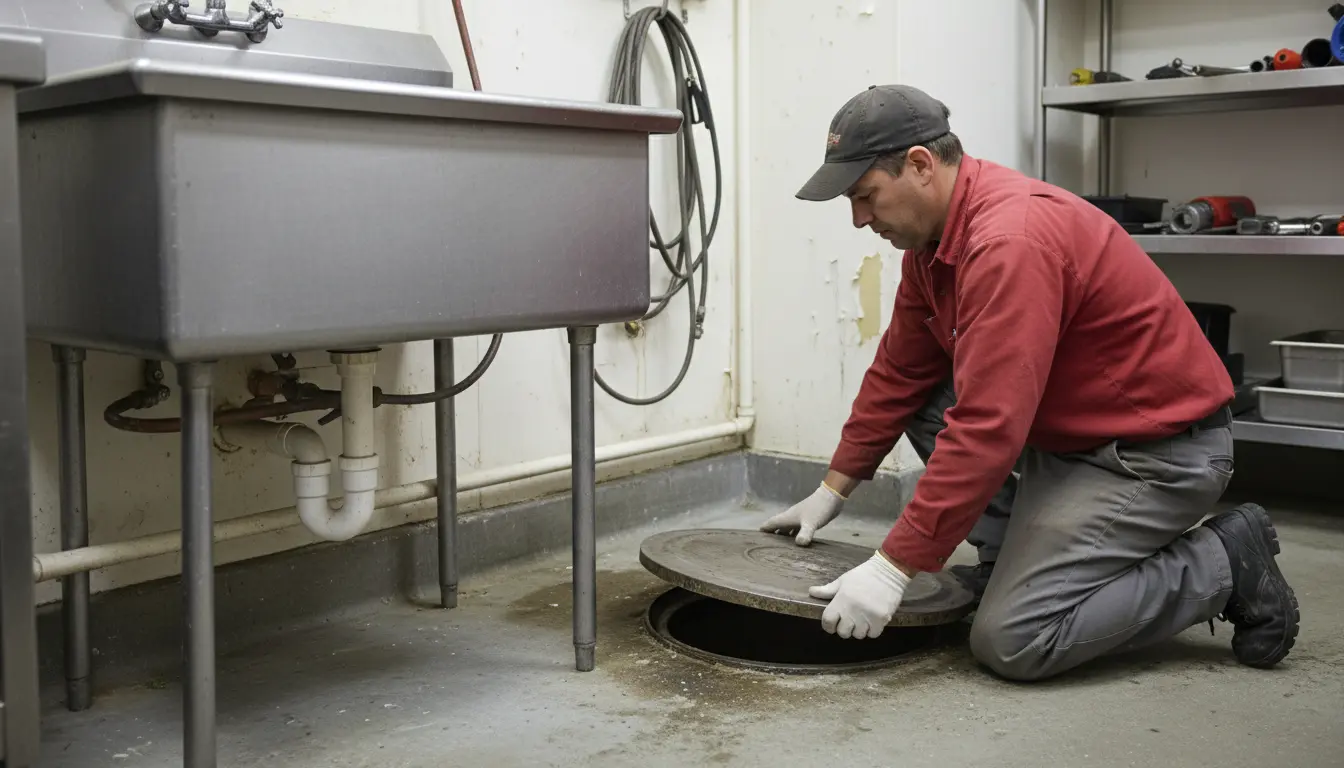
Find the Best Grease Trap Cleaning Companies for Your Business
No obligation • Fast responses • Nationwide coverage

Why you can trust Restaurant Waste Disposal
Restaurant Waste Disposal is a leading U.S. resource for comparing restaurant composting, food-waste recycling, grease trap cleaning, and used cooking oil collection services. Our editorial team researches providers, checks credentials, and organizes unbiased information so operators can make informed decisions. Companies cannot pay to change ratings or placement.
Search providers near you
Top Grease Trap Cleaning Companies in Kirkland, Washington Ranked
For any food service establishment in Kirkland, managing fats, oils, and grease (FOG) is a critical operational and regulatory responsibility. Proper grease trap and interceptor maintenance is not just about preventing clogs in your own plumbing; it's a city-mandated requirement designed to protect the entire municipal sewer system from costly blockages and environmental damage. The City of Kirkland enforces specific codes on sizing, installation, and, most importantly, regular cleaning and documentation. Non-compliance can lead to significant fines and operational disruptions, making a proactive and informed approach to grease management essential for every restaurant, café, and commercial kitchen in the area.
Septic Response
672 7th Ave, Kirkland, WA 98033
Septic Response is a septic service provider based in Seattle, WA, offering a range of services including septic tank pumping, grease trap cleaning, drainfield repair, and system maintenance. They serve King County, Snohomish County, and Pierce County with expertise in both traditional and advanced septic systems. Their services include septic tank inspections, pump replacements, inlet pipe cleaning, and grease trap and sewer lift station maintenance. Septic Response emphasizes preventative maintenance and uses advanced monitoring technologies to ensure system efficiency and environmental compliance. The company is known for providing detailed documentation and educational resources to help homeowners maintain their septic systems effectively.
Sweetwater Septic & Grease Trap Pumping
Seattle, WA
Sweetwater Septic & Grease Trap Pumping provides grease trap cleaning services in Seattle, WA. They specialize in maintaining grease traps to ensure proper function and compliance with local regulations.
Beacon Plumbing, Heating, Electrical & Mechanical Inc - Seattle
515 7th Ave S, Seattle, WA 98104
Beacon Plumbing, Heating, Electrical & Mechanical Inc is a multi-service contractor based in Seattle, WA, providing plumbing, heating, electrical, and mechanical services. Established in 1999, the company serves both residential and commercial clients throughout Seattle and the Puget Sound area. Their services include water, sewer, and pipe repairs, drain clearing, grease trap interceptor cleaning, trenchless technology, and hydro jetting. Beacon Plumbing operates 24/7 to offer immediate assistance when needed and employs licensed technicians who live locally.
Everett Grease Trap Services
1912 32nd St, Everett, WA 98201
Everett Grease Trap Services is a local company based in Everett, WA, specializing in grease trap pumping, cleaning, installation, and interceptor services for commercial kitchens, restaurants, schools, and industrial facilities. With over 15 years of experience, they serve Everett and nearby areas including Riverside, Bayside, and Everett Junction. The company is equipped with specialized pump trucks and uses advanced equipment to ensure thorough grease trap maintenance and compliance with local health and safety regulations. They also offer 24/7 emergency pumping and cleaning services to minimize disruptions to business operations.
The Grease Group
2822 Old Hartford Rd, Lake Stevens, WA 98258
The Grease Group is a family-owned grease trap cleaning company serving Everett, WA, and surrounding areas including Bellevue, Bothell, and Greater Seattle. Established in 1966, the company offers cleaning and maintenance services for grease interceptors, holding tanks, and grease traps of all sizes. They focus on environmentally responsible disposal and use an automated reminder system to help clients maintain compliance with health codes and prevent backups. The Grease Group is fully licensed, bonded, and insured, with extensive experience servicing food-related businesses.
Understanding Kirkland's FOG Control Program
The City of Kirkland's Public Works Department administers a Fats, Oils, and Grease (FOG) control program to reduce sewer overflows and maintenance issues caused by grease buildup. This program is built on local ordinances and state plumbing codes that directly impact how food establishments handle their wastewater. The core principle is prevention: by ensuring grease interceptors and traps are correctly installed and meticulously maintained, businesses prevent FOG from entering the public sewer lines. Compliance is monitored through inspections and record-keeping requirements, placing the onus on business owners to demonstrate their due diligence.
Key Regulations for Grease Interceptors and Traps
Navigating the technical requirements is the first step to compliance. Kirkland's regulations are aligned with Washington State plumbing codes, which set the standard for installation and performance.
Mandatory Installation: Grease interceptors are required for any food service establishment where fats, oils, and grease are prepared, served, or cleaned. The specific need and type (interceptor vs. smaller trap) are typically determined during the permitting process based on your kitchen's size and volume.
Sizing and Specifications: Your interceptor must be sized according to plumbing codes and manufacturer specifications, often based on the flow rate of connected fixtures and the potential grease load. It cannot be undersized for your operation.
Proper Installation: Correct installation is crucial for effective operation. This includes direct connection to drains, proper venting (air admittance valves are generally not permitted), and ensuring the flow control device is correctly placed. Furthermore, fittings inside the interceptor are specified: interior walls must extend into the liquid between 6 to 12 inches from the bottom, and any openings must meet precise size criteria to effectively separate FOG 1.
The 25% Rule and Cleaning Frequency
One of the most critical operational rules is the "25% Rule." You must keep the combined volume of accumulated grease and solids below 25% of the total liquid volume in your interceptor 2. Exceeding this level significantly reduces the unit's efficiency and is a direct violation that can trigger fines during an inspection.
While the city ordinance sets a minimum cleaning requirement, the actual frequency needed for your establishment is dictated by your specific volume of FOG production. Common schedules range from monthly to quarterly, with smaller grease traps often requiring weekly service 3 4. The key is to clean before the 25% threshold is reached. Relying on a scheduled, preventive maintenance plan with a licensed service provider is the most reliable way to ensure you never fall out of compliance.
Documentation: Your Proof of Compliance
In Kirkland, if it isn't documented, it didn't happen. Maintaining detailed records is not just a good practice-it's a central part of the enforcement strategy 5. During inspections, Public Works officials will request your maintenance logs to verify that cleaning is performed regularly and properly.
Your records should include:
- Service Dates: Every time the interceptor is pumped or cleaned.
- Service Details: The volume of grease and solids removed (in gallons).
- Proof of Service: Invoices or receipts from the licensed pumping company.
- Visual Evidence: Photos or videos taken before and after cleaning can serve as powerful documentation of the interceptor's condition and the thoroughness of the service.
Keeping these records organized and readily available demonstrates proactive management and can be your best defense in the event of a compliance question.
Find the perfect grease trap cleaning companies for your needs
Get personalized recommendations and expert advice
Cost Considerations for Service
Understanding the cost structure for grease trap maintenance helps in budgeting and highlights the value of preventive care. Prices vary based on the size of your interceptor, its accessibility, and the service provider.
- Scheduled Pumping: For routine, preventive pump-outs, businesses in Kirkland can expect costs in the range of $250 to $400 or more per service 6 7. This is the cost-effective, planned approach.
- Emergency Pumping: If you exceed the 25% rule or experience a clog or backup, emergency service calls are significantly more expensive. These can range from $800 to $1,200 or more due to the immediate response and potential for more complex cleanup 8 9.
- Long-Term Value: Investing in a regular service contract with a professional company often provides cost predictability, flexible scheduling tailored to your kitchen's needs, and the peace of mind that comes with consistent compliance 10.
Choosing a Professional Service Provider
Selecting the right partner for grease interceptor maintenance is a business decision. Look for a licensed, insured, and experienced company familiar with Kirkland and King County regulations. A reputable provider will:
- Offer service schedules that match your establishment's needs.
- Provide detailed, professional invoices that serve as valid compliance documentation.
- Properly dispose of collected FOG at approved facilities.
- Be able to advise on best practices for your specific setup.
Staying ahead of grease trap maintenance is a non-negotiable aspect of running a food service business in Kirkland. By understanding the regulations, adhering to the 25% rule, maintaining impeccable records, and partnering with a reliable service provider, you protect your business from fines, avoid costly emergencies, and contribute to the health of the city's infrastructure.
Frequently asked questions
Sources
Footnotes
-
WAC 246-272C-0230: - | WA.gov - https://app.leg.wa.gov/WAC/default.aspx?cite=246-272C-0230 ↩
-
plumbing-requirements-food-establishments.pdf - King County - https://cdn.kingcounty.gov/-/media/king-county/depts/dph/documents/certificates-permits-licenses/food-worker-business-permits/plumbing-requirements-food-establishments.pdf ↩
-
Fats, Oils, Grease (FOG) - City of Kirkland - https://www.kirklandwa.gov/Government/Departments/Public-Works-Department/FOG-Fats-Oils-Grease ↩
-
How to Clean a Grease Trap (and How Often You Should) - https://greaseconnections.com/how-to-clean-a-grease-trap-and-how-often-you-should/ ↩
-
Grease Trap Compliance: What Washington & Oregon Businesses Need to Know - Drain-Pro Inc. - https://drain-proinc.com/grease-trap-compliance-what-washington-oregon-businesses-need-to-know/ ↩
-
Grease Trap Regulations and Compliance: What You Need to ... - https://www.texwaywastewater.com/grease-trap-regulations-and-compliance/ ↩
-
Grease Trap Cleaning Prices | Guide on the Industry Average - https://grease-cycle.com/grease-trap-pumping-cost/ ↩
-
Ultimate Grease Trap Pumping Cost Guide: Essential Money-Saving ... - https://www.texwaywastewater.com/grease-trap-pumping-cost/ ↩
-
Grease Trap Cleaning in Kirkland WA | Grease Interceptor Pumping - https://greasetrapcleaninglakestevens.com/kirkland-wa.html ↩
-
The Ultimate Guide to Restaurant Grease Trap Cleaning - https://mokherplumbing.com/ultimate-guide-restaurant-grease-trap-cleaning/ ↩