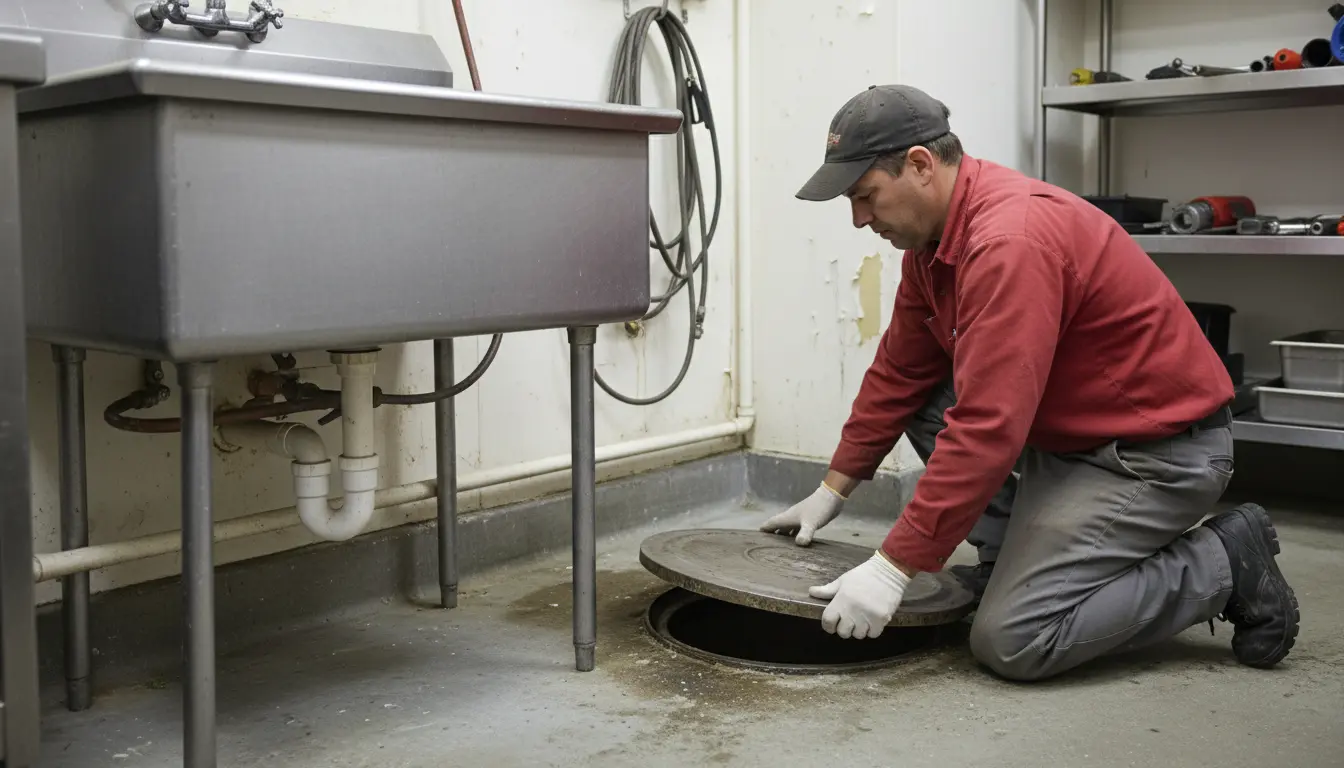
Find the Best Grease Trap Cleaning Companies for Your Business
No obligation • Fast responses • Nationwide coverage

Why you can trust Restaurant Waste Disposal
Restaurant Waste Disposal is a leading U.S. resource for comparing restaurant composting, food-waste recycling, grease trap cleaning, and used cooking oil collection services. Our editorial team researches providers, checks credentials, and organizes unbiased information so operators can make informed decisions. Companies cannot pay to change ratings or placement.
Search providers near you
Top Grease Trap Cleaning Companies in Corvallis, Oregon Ranked
For any restaurant, café, or food service establishment in Corvallis, managing fats, oils, and grease (FOG) is a critical operational and legal responsibility. Proper grease interceptor maintenance is not just about preventing clogs in your own kitchen; it's a mandated part of protecting the city's sewer infrastructure from costly blockages and environmental damage. Oregon state plumbing code, enforced locally, sets clear requirements for cleaning frequency, accessibility, and record-keeping. Neglecting these duties can lead to severe penalties, including fines and potential business interruption, making a proactive and documented maintenance schedule essential for compliance and peace of mind.
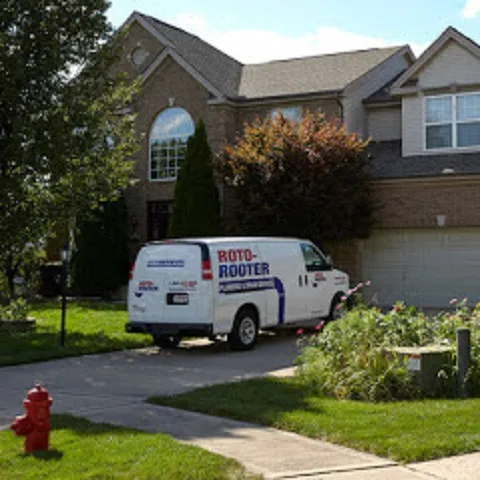
Roto-Rooter Plumbing & Water Cleanup
388 State St Ste 605, Salem, OR 97301
Roto-Rooter Plumbing & Water Cleanup provides comprehensive plumbing services in Salem, OR, serving both residential and commercial clients. Their offerings include floodwater cleanup, sewer and drain cleaning, water heater repairs and installations, grease trap maintenance, and mold remediation. The company is equipped with advanced tools such as hydro-jetting for drain cleaning and offers trenchless sewer line repair and replacement. Roto-Rooter has a 24/7 emergency plumbing service to address urgent issues like burst pipes and sewer backups, ensuring prompt assistance any time of day. They serve Salem and surrounding communities in Oregon and Washington, including Keizer, Silverton, and Stayton.
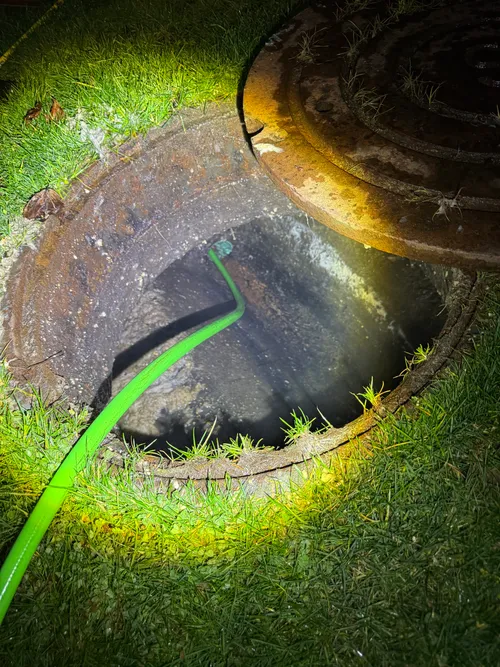
NW Sewer & drain
1223 24th St NE, Salem, OR 97301
NW Sewer & Drain is a licensed, bonded, and insured company based in Salem, OR, specializing in grease trap cleaning and comprehensive drain services. They offer a range of solutions including cabling and rooter service for clogged drains, hydro jetting for sewer and grease traps, camera inspection with detailed video reports, and drain repair or replacement. Their capabilities include jetting drain lines up to 300 feet and locating sewer and rain drain lines with camera technology. NW Sewer & Drain provides detailed invoices with photos and video inspections to support their work.
Understanding Corvallis Grease Interceptor Regulations
The rules governing grease trap and interceptor maintenance in Corvallis stem from the Oregon Plumbing Specialty Code, which is implemented and enforced by local authorities like the City of Corvallis Public Works or Benton County Environmental Health. These regulations are designed to prevent FOG from entering the public sewer system, where it can solidify, cause major blockages, and lead to sanitary sewer overflows. Compliance is not optional; it's a condition of operating your food service business. The local authority has the right to inspect your premises and review your maintenance records to ensure you are meeting these standards.
Key Code Requirements for Frequency and Capacity
The cornerstone of the regulation is how often you must clean your grease interceptor. The frequency is not left to guesswork; the code provides specific triggers:
- Time-Based Cleaning: Hydromechanical grease interceptors must be cleaned no less than every 30 days. Gravity grease interceptors must be cleaned no less than every 90 days.
- Capacity-Based Cleaning: Regardless of the time elapsed, interceptors must be cleaned whenever the combined FOG and settled solids accumulate to 25% of the unit's liquid capacity 1 2 3. High-volume kitchens with heavy grease production may find they need service much more frequently than the minimum timeframes to stay under this 25% threshold.
It is the business owner's responsibility to monitor accumulation and schedule service accordingly. Simply waiting for a quarterly reminder may not be sufficient if your interceptor fills up faster.
Prohibited Practices and Proper Maintenance
A critical and often misunderstood rule involves the use of additives. Using chemical or biological additives designed to emulsify or dissolve FOG is generally prohibited under these regulations 4. While these products might seem like an easy solution, they simply break grease into smaller particles that can pass through the trap only to re-coagulate further down the sewer line, causing worse blockages in the public system. Reliable service providers like Drain-Pro Inc. and Speedy Septic strongly advise against their use for this reason.
Proper maintenance goes beyond just pumping. It includes:
- Accessibility: Grease interceptors must be easily accessible for inspection, cleaning, and maintenance. Installing them under equipment or in cramped spaces can lead to inadequate service and code violations 5.
- Staff Training: Educating kitchen staff on best practices-like using sink strainers, scraping plates before washing, and avoiding pouring grease down any drain-is a frontline defense that reduces the load on your interceptor.
- Pre-Venting: Ensuring the interceptor is properly vented before pumping is a standard safety and operational step for service technicians.
The Critical Importance of Record Keeping
One of the simplest yet most powerful tools for compliance is meticulous documentation. Maintaining a detailed log of all grease interceptor maintenance is a direct code requirement and your best proof of compliance during an inspection. Your records should include, at a minimum:
- Date of service
- Name of the servicing company
- Volume of FOG and solids removed (in gallons)
- Disposal method or location (e.g., receipt from a licensed renderer or wastewater facility)
- Signature of the service provider
Keeping these records on-site and readily available demonstrates a commitment to responsible operations and can swiftly resolve any questions from an inspector.
Consequences of Non-Compliance
Failing to adhere to grease interceptor regulations carries significant risks that go beyond a simple warning. Enforcement actions can include 6 7:
- Substantial Fines: Monetary penalties for violations can be levied by the local authority.
- Operational Shutdown: In severe cases, a business may be ordered to cease operations until the interceptor is serviced and brought into compliance.
- Financial Liability: If a sewer blockage or overflow is traced back to your establishment, you can be held financially responsible for the cleanup costs and damage to public property.
- Mandated Upgrades: Persistent non-compliance could lead to an order to install new, larger, or additional grease control equipment at your expense.
The cost of reactive, emergency service or fines far outweighs the predictable expense of regular, scheduled maintenance.
Find the perfect grease trap cleaning companies for your needs
Get personalized recommendations and expert advice
Cost Considerations for Grease Trap Pumping in Corvallis
The cost for professional grease interceptor pumping in the Corvallis area is not a fixed price; it varies based on several factors. Understanding these can help you budget effectively 8:
- Interceptor Size and Type: Larger gravity interceptors (common outside buildings) hold more waste and require more labor and disposal fees than smaller under-sink hydromechanical traps.
- Volume of Waste: The actual amount of FOG and solids pumped out directly impacts disposal costs.
- Accessibility: Easy, above-ground access typically costs less than servicing a hard-to-reach or buried interceptor.
- Service Frequency: Regularly scheduled service is almost always more affordable than an emergency call-out.
As a general range, a standard pumping service in this region can cost between $100 and $400 or more per service visit 9 10 11. Emergency services, required after a clog or overflow, can cost significantly more, with reports of prices reaching $800 or higher due to after-hours rates and urgent response needs 10 12. Investing in routine cleaning is a clear money-saving strategy.
Choosing a Service Provider
When selecting a company for your grease trap cleaning needs, look for providers who are familiar with Oregon and Corvallis-specific codes. They should offer:
- Complete Service: Proper pumping, cleaning of the interior walls and baffles, and inspection of the unit's condition.
- Proper Disposal: Documentation showing that waste was taken to a licensed facility (like a wastewater treatment plant or renderer), not illegally dumped.
- Detailed Documentation: Providing you with a thorough service report that includes all the details necessary for your compliance records.
- Scheduling Flexibility: Ability to set up a recurring service schedule that meets or exceeds code requirements based on your establishment's specific output.
Staying proactive with a trusted provider is the most effective way to ensure your restaurant runs smoothly, remains in good standing with local authorities, and does its part to protect Corvallis's community infrastructure 13.
Frequently asked questions
Sources
Footnotes
-
Grease Trap Compliance: What Washington & Oregon Businesses Need to Know - Drain-Pro Inc. - https://drain-proinc.com/grease-trap-compliance-what-washington-oregon-businesses-need-to-know/ ↩
-
How to Clean a Grease Trap (and How Often You Should) - https://greaseconnections.com/how-to-clean-a-grease-trap-and-how-often-you-should/ ↩
-
Oregon Regulations on Grease Interceptors and Grease Traps - https://speedyseptic.com/septic-services/commercial/grease-interceptor/portland-fog-regulations/ ↩
-
ATTENTION FOOD/BEVERAGE SERVICE ESTABLISHMENTS AND ... - https://cleanwaterservices.org/wp-content/uploads/2022/06/fog-protection-requirements.pdf ↩
-
APPENDIX A Grease Trap and Interceptor Requirements Definitions - https://fcwsd.org/documents/728/Appendix_A_Grease_Trap_Requirements.pdf ↩
-
Code Amendment 12/20/12 2011 Oregon Plumbing Specialty ... - https://www.oregon.gov/bcd/codes-stand/Documents/pl-11opsc-amendments.pdf ↩
-
Food Sanitation Rules - Inspection Guide | Oregon.gov - https://www.oregon.gov/oha/PH/HEALTHYENVIRONMENTS/FOODSAFETY/Documents/inspguide.pdf ↩
-
Grease Trap Cleaning Services - NW Biofuel - https://nwbiofuel.com/grease-trap-cleaning/ ↩
-
Grease Trap Regulations and Compliance: What You Need to ... - https://www.texwaywastewater.com/grease-trap-regulations-and-compliance/ ↩
-
Ultimate Grease Trap Pumping Cost Guide: Essential Money-Saving ... - https://www.texwaywastewater.com/grease-trap-pumping-cost/ ↩ ↩2
-
Grease Traps - https://www.oregonoilsinc.com/grease-traps ↩
-
How To Clean Restaurant Grease Traps: A Money-Saving Guide For ... - https://westernrooter.com/how-to-clean-restaurant-grease-traps-a-money-saving-guide-for-owners/ ↩
-
Septic Pumping and Grease Traps in Restaurants - https://bhcameron.com/2024/07/septic-pumping-and-grease-traps-in-restaurants/ ↩