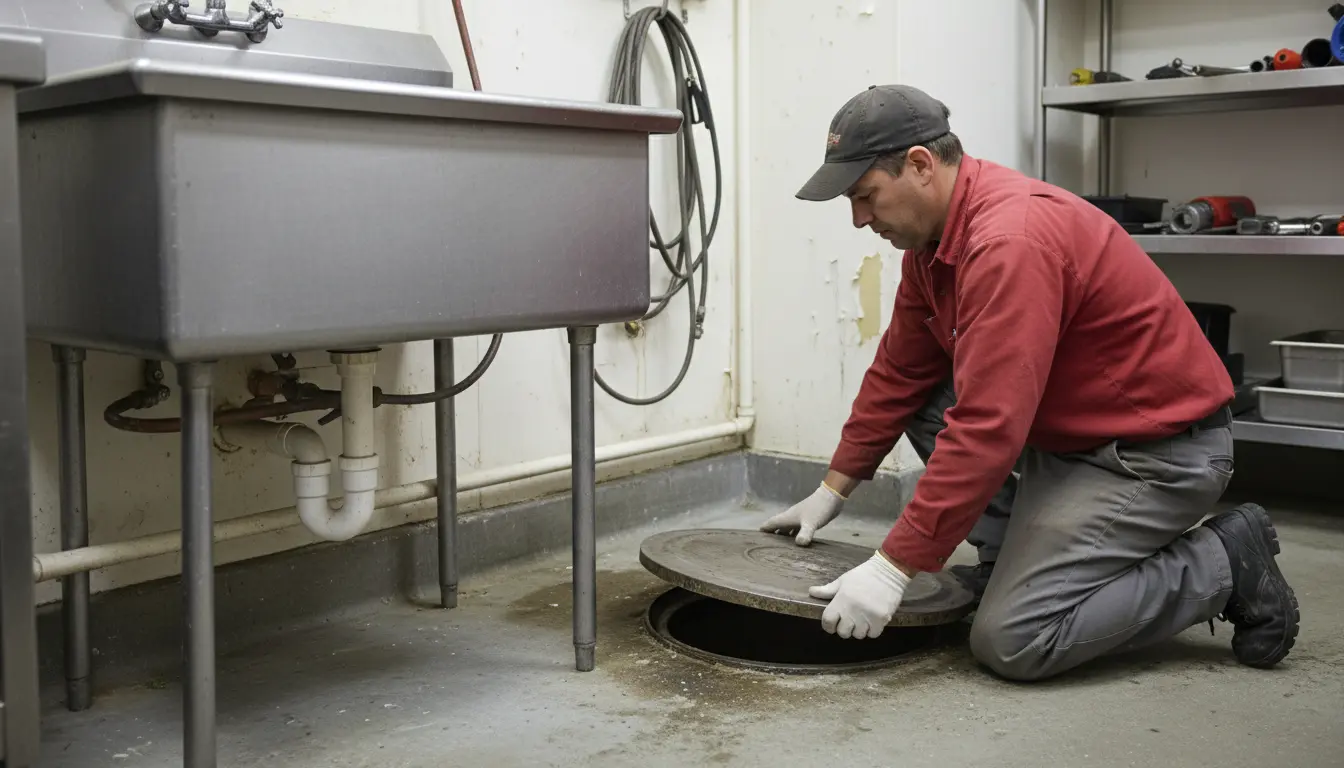
Find the Best Grease Trap Cleaning Companies for Your Business
No obligation • Fast responses • Nationwide coverage

Why you can trust Restaurant Waste Disposal
Restaurant Waste Disposal is a leading U.S. resource for comparing restaurant composting, food-waste recycling, grease trap cleaning, and used cooking oil collection services. Our editorial team researches providers, checks credentials, and organizes unbiased information so operators can make informed decisions. Companies cannot pay to change ratings or placement.
Search providers near you
Top Grease Trap Cleaning Companies in Toledo, Ohio Ranked
For restaurant and food service operators in Toledo, maintaining a clean and compliant grease trap or interceptor is a critical operational and legal responsibility. These systems are the first line of defense in preventing fats, oils, and grease (FOG) from entering the city's sewer lines, where they can cause costly blockages, backups, and environmental damage. Compliance isn't optional; it's enforced through local ordinances and state codes, with the Toledo Lucas County Health Department conducting regular inspections. Proper grease trap maintenance involves scheduled cleaning, meticulous record-keeping, and understanding the specific regulations that apply to your establishment to avoid significant penalties and ensure smooth business operations.
Understanding Toledo's Grease Trap Regulations
Navigating the regulatory landscape is the first step to effective grease management. In Toledo, rules are set at both the municipal and state levels, creating a clear framework for compliance.
Local Toledo Municipal Code: The City of Toledo has specific requirements outlined in its code, such as Section 930.12, which mandates that grease traps and interceptors be properly maintained to prevent discharges that could obstruct the sewer system 1. The code explicitly prohibits the introduction of substances that could cause blockages or interfere with the treatment process.
Ohio Administrative Code: At the state level, Rule 3717-1-05.3 under the Ohio Administrative Code provides the foundational requirements for food service operations. This rule is a key document that inspectors reference. It establishes that grease interceptors must be "sufficiently sized and maintained to prevent the discharge of grease into the sewage system" and requires that waste from these devices be disposed of properly.
Enforcement Authority: The Toledo Lucas County Health Department is the primary agency responsible for enforcing these regulations within the city. Health inspectors will check for proper maintenance during routine inspections, and non-compliance can trigger enforcement actions.
Required Cleaning Frequency and Documentation
One of the most common questions from restaurant managers is, "How often does my grease trap need to be cleaned?" The answer is defined by both necessity and law.
Mandatory Cleaning Intervals: The Ohio Administrative Code sets a minimum standard, requiring that grease interceptors be cleaned at a frequency that prevents grease discharge, which is typically interpreted as at least every 90 days (quarterly) for many establishments 2. However, this is a minimum. High-volume kitchens, those with significant fryer usage, or establishments with smaller-capacity traps often require monthly or even more frequent service to stay functional and compliant. The ultimate frequency should be based on the trap's capacity and your kitchen's FOG output, not just the calendar.
The Critical Role of Record-Keeping: Simply having the trap pumped is not enough. You must maintain detailed, on-site records for a minimum of three years. These records are your proof of compliance and are the first thing a health inspector will ask to see. Each service record should include:
- The date of service.
- The volume of grease and solids removed (in gallons or pounds).
- The disposal method and location (e.g., name of the licensed hauler and disposal facility).
- The signature of the person who performed the service.
Falsifying or failing to keep these records is itself a violation of the health code.
Prohibited Practices and Proper Disposal
To maintain a system that works as designed, it's crucial to understand what not to do.
Avoid Emulsifiers and Chemicals: A common mistake is using so-called "grease-digesting" enzymes, detergents, or solvents. These products break down grease into smaller particles that may pass through the trap, only to re-coagulate further down the sewer line, creating severe blockages 3. The use of emulsifying agents is strictly regulated and often prohibited, as they compromise the trap's primary function 4.
Proper Waste Disposal: The contents of your grease trap are considered commercial waste and cannot be poured down a drain or into a storm sewer. Disposal must be handled by a licensed waste hauler who will transport it to an approved facility, such as a rendering plant or wastewater treatment facility permitted to accept such waste. This process is governed by Ohio EPA regulations, and your service provider should handle it with proper documentation.
Find the perfect grease trap cleaning companies for your needs
Get personalized recommendations and expert advice
Recognizing Signs Your Trap Needs Immediate Attention
Waiting for a scheduled pump-out can sometimes lead to problems. Be proactive by watching for these warning signs that your grease trap or interceptor requires immediate service:
- Slow Draining Sinks: Water backing up in kitchen sinks, especially floor drains or three-compartment sinks, is a primary indicator of a full or clogged trap.
- Foul Odors: Persistent sewage or rotten egg smells emanating from drains are a sign of accumulated, decomposing grease and food solids.
- Grease Visible in Drain Lines: If you see grease coating the inside of drain pipes during a visual inspection, the trap is no longer effectively capturing it.
- Gurgling Sounds: Strange noises from drains often indicate a blockage or that the trap is at capacity.
Addressing these signs quickly can prevent a minor issue from becoming an expensive emergency service call or a health code violation.
Cost Factors for Grease Trap Service in Toledo
The cost of grease trap pumping and cleaning in Toledo is not a flat fee; it varies based on several key factors:
- Trap Size and Location: Larger interceptors, especially those located outdoors or underground, cost more to service than smaller, accessible indoor units.
- Amount of FOG and Solids: A heavily impacted trap that hasn't been serviced on schedule will require more labor and disposal costs.
- Accessibility: Easy, clear access to the trap lid and cleanout ports reduces service time and cost.
- Service Frequency: Regularly scheduled maintenance is almost always less expensive than emergency service.
Example Cost Ranges: For a well-maintained, standard indoor grease trap, a routine pump-out in the Toledo area may range from $175 to $475 or more per service 5 6. In contrast, an emergency service call for a clogged or overflowing trap, often requiring after-hours work, can easily cost $800 to $1,200+ 6 7. This stark difference highlights the financial wisdom of proactive, scheduled maintenance.
Consequences of Non-Compliance
Failing to adhere to grease trap regulations carries serious consequences for Toledo businesses. The Toledo Lucas County Health Department has the authority to issue citations and fines for violations 8. Repeated or severe non-compliance, such as causing a sewer overflow, can lead to more drastic penalties, including substantial fines from the city and potential suspension of operations until the issue is rectified. Beyond regulatory penalties, a neglected grease trap can cause internal plumbing disasters, leading to costly repairs, operational downtime, and damage to your establishment's reputation.
Best Practices for Toledo Restaurant Owners
To ensure seamless compliance and operational efficiency, follow this checklist:
- Determine Your Required Frequency: Don't guess. Consult with a professional service provider and review your past service records to establish a cleaning schedule that meets or exceeds the 90-day minimum, based on your actual usage.
- Choose a Reputable Service Provider: Work with a licensed, insured, and experienced grease trap cleaning company familiar with Toledo and Ohio regulations. They should provide detailed, compliant service tickets for your records.
- Train Your Staff: Educate kitchen staff on proper FOG disposal practices. Scrape food scraps into trash or compost bins before washing, and never pour grease down any drain.
- Maintain Impeccable Records: Keep a dedicated logbook or digital file for all grease trap service records. Ensure every ticket is complete and stored for at least three years.
- Schedule Proactively: Mark your calendar for the next service appointment at the end of each current service. Consider a service contract for regular, automated scheduling.
- Communicate with Regulators: For specific questions about your facility's requirements, contact the Toledo Lucas County Health Department directly. Proactive communication is always better than reacting to a violation 9.
Frequently asked questions
Sources
Footnotes
-
930.12. Grease and sand separators/traps. - https://codelibrary.amlegal.com/codes/toledo/latest/toledo_oh/0-0-0-125555 ↩
-
Rule 3717-1-05.3 - Ohio Administrative Code - https://codes.ohio.gov/ohio-administrative-code/rule-3717-1-05.3 ↩
-
Restaurant Grease: Know Your Environmental Regulations - https://ccchd.com/wp-content/uploads/2025/06/FOG-restaurant.pdf ↩
-
922.13 GREASE TRAP REQUIREMENTS. - https://codelibrary.amlegal.com/codes/auroraoh/latest/aurora_oh/0-0-0-40406 ↩
-
Common Grease Trap Problems and Solutions for Toledo ... - https://ace1965.com/2025/09/common-grease-trap-problems-and-solutions-for-toledo-businesses/ ↩
-
Restaurant Grease Trap & Interceptor Cleaning Cost - https://greasemanagement.org/pricing.html ↩ ↩2
-
Ultimate Grease Trap Pumping Cost Guide: Essential Money-Saving ... - https://www.texwaywastewater.com/grease-trap-pumping-cost/ ↩
-
Common Signs Your Grease Trap Needs Cleaning in Toledo OH - https://ace1965.com/2025/04/common-signs-your-grease-trap-needs-cleaning-in-toledo-oh/ ↩
-
Grease Trap Maintenance in Ohio - Ohio Processing and Recycling - https://oprecycling.com/grease-trap-cleaning/ ↩