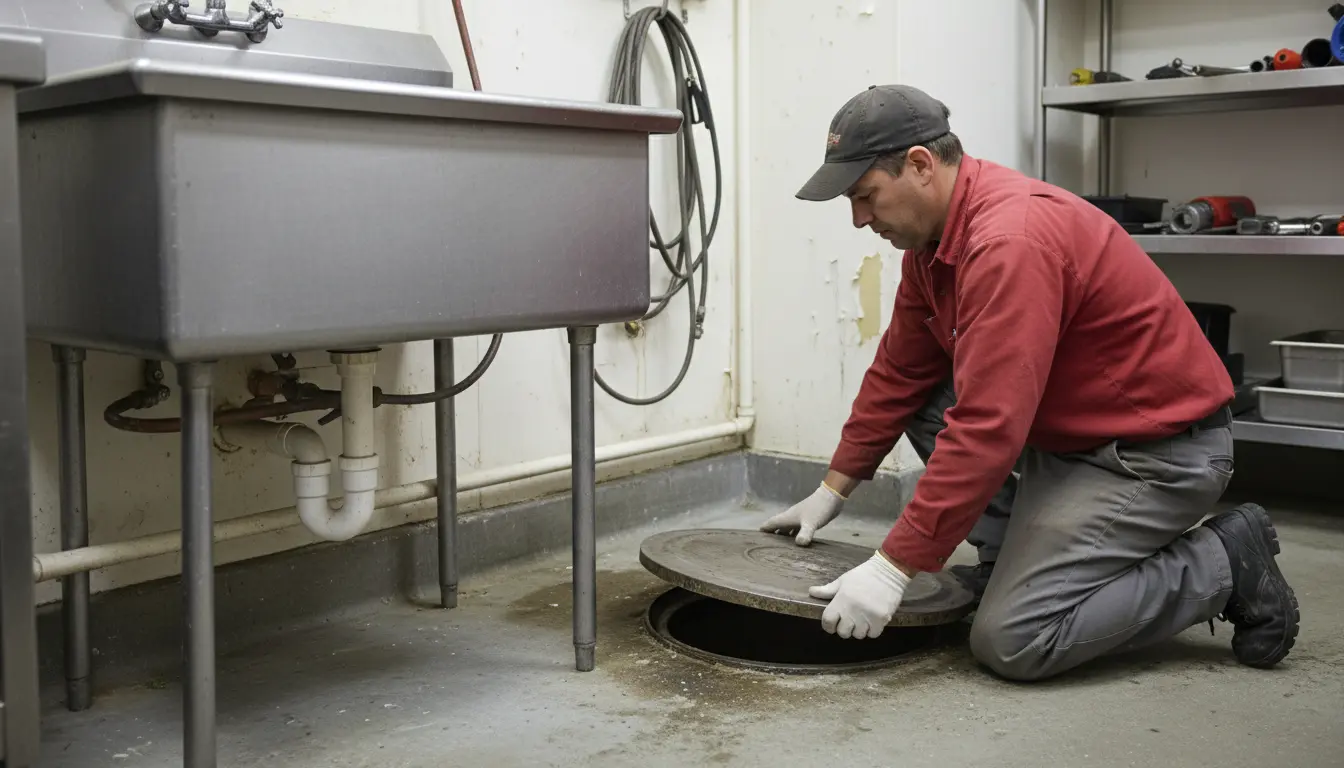
Find the Best Grease Trap Cleaning Companies for Your Business
No obligation • Fast responses • Nationwide coverage

Why you can trust Restaurant Waste Disposal
Restaurant Waste Disposal is a leading U.S. resource for comparing restaurant composting, food-waste recycling, grease trap cleaning, and used cooking oil collection services. Our editorial team researches providers, checks credentials, and organizes unbiased information so operators can make informed decisions. Companies cannot pay to change ratings or placement.
Search providers near you
Top Grease Trap Cleaning Companies in Dayton, Ohio Ranked
For any restaurant, food truck, or commercial kitchen in Dayton, managing fats, oils, and grease (FOG) is a critical operational and legal responsibility. Proper grease interceptor maintenance is not just about preventing clogs and foul odors in your own establishment; it's a key component of protecting the city's sewer infrastructure from costly blockages and environmental damage. Local health and sewer districts enforce specific regulations, making scheduled, professional grease trap pumping a non-negotiable aspect of running your food service business. This guide outlines what Dayton operators need to know about local rules, inspection schedules, service practices, and costs to ensure compliance and smooth kitchen operations.
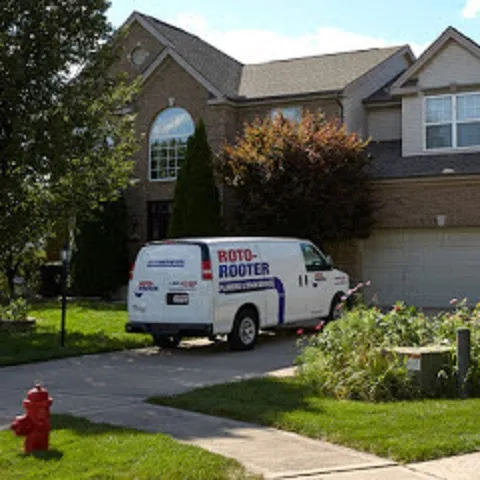
Roto-Rooter Plumbing & Water Cleanup
1317 Central Ave, Middletown, OH 45044
Roto-Rooter Plumbing & Water Cleanup provides comprehensive plumbing and water remediation services in Hamilton, OH. They serve both residential and commercial clients, offering solutions such as sewer and drain cleaning, water heater repair and installation, grease trap cleaning, and floodwater cleanup. The company uses advanced techniques like hydro-jetting and trenchless sewer line repair to address plumbing issues efficiently. Roto-Rooter has extensive knowledge of local plumbing systems and environmental conditions affecting the area. They offer 24/7 emergency plumbing services to handle urgent situations any time of day or night. Their service area includes Middletown and surrounding counties in Ohio, Kentucky, and Indiana.
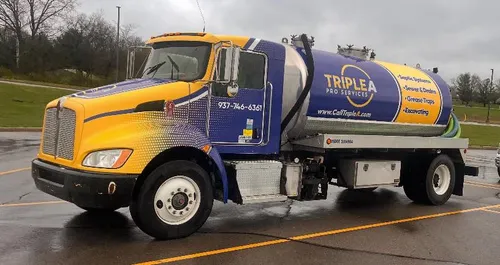
Triple A Pro Services
Middletown, OH
Triple A Pro Services is a sanitation and pumping company based in Middletown, OH, serving residential and commercial clients throughout Southwest Ohio. They specialize in grease trap cleaning, septic tank cleaning and maintenance, commercial liquid waste pumping, hood cleaning, pressure washing, and used cooking oil collection with waste oil processing. The company is unique in the region for processing and extracting saleable oil from grease trap waste, reducing landfill waste. Triple A Pro Services is known for fast and dependable service and has received over 630 five-star reviews.
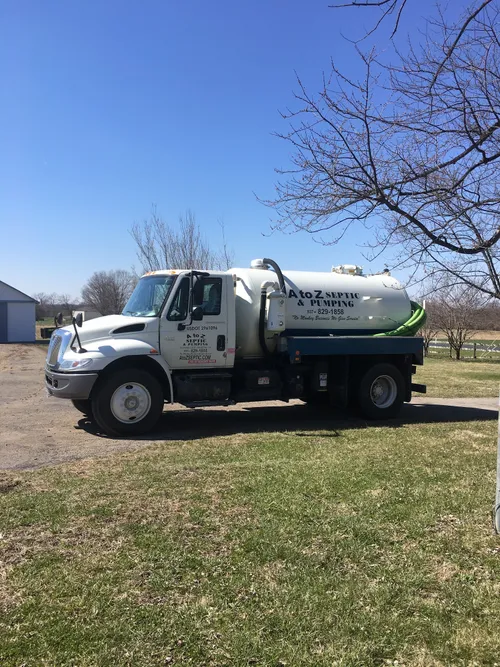
A to Z Septic and Pumping
Dayton, OH
A to Z Septic and Pumping provides professional septic system services in Dayton, OH. They offer installation, maintenance, and repair for residential and commercial septic systems, including septic tanks, leach fields, and grease trap cleaning. The company also provides dumpster rental services for waste disposal needs. Their team has extensive experience addressing wastewater treatment challenges and helps customers maintain effective septic systems. A to Z Septic and Pumping emphasizes environmentally responsible wastewater disposal and offers emergency septic tank repairs to address urgent issues.
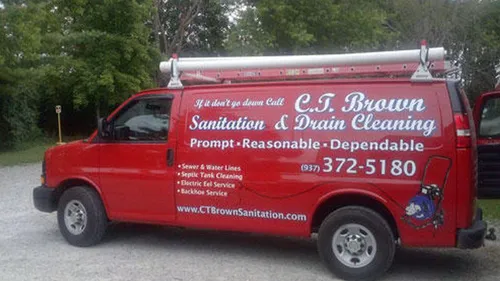
CT Brown Sanitation & Drain Cleaning
Dayton, OH
CT Brown Sanitation & Drain Cleaning is a sanitation and grease trap cleaning company serving Dayton, OH, and surrounding areas including Beavercreek and Xenia. With over 60 years of experience, they provide septic tank cleaning, drain cleaning, grease trap maintenance, hydro jetting, and septic tank installation. Their team is licensed, bonded, and insured, offering 24/7 emergency services to address urgent septic, drain, and snow removal needs. They use advanced equipment like electric eel machines and high-pressure hydro jetting to effectively clear blockages and maintain plumbing systems.
Understanding Dayton's Grease Trap Regulations
Compliance in Dayton starts with understanding the regulatory landscape. At the state level, Ohio Administrative Code (OAC) 3717-1 provides the foundation, mandating that equipment drains have indirect waste connections and that grease traps or interceptors are readily accessible for service and inspection. These rules are designed to keep FOG out of the public sewer system.
Local enforcement is typically handled by county health departments (like the Clark County Combined Health District) and municipal sewer districts 1. For instance, the Metropolitan Sewer District of Greater Cincinnati (MSDGC), which serves parts of the greater Dayton region, has detailed Standard Operating Procedures requiring proper sizing, installation, and maintenance of grease control devices2. Many local jurisdictions adopt the International Plumbing Code for sizing requirements, and installations, especially for larger interceptors over 1000 gallons, often require engineer-approved plans 3. The core mandate is universal: keep your grease interceptor in "efficient operating condition" to prevent FOG discharge4.
Inspection Schedules and Proof of Compliance
You can expect regular inspections from your local health or sewer authority. Inspectors will check for adherence to pumping schedules, the physical condition of the trap, and any signs of neglect like odors, slow drains, or visible grease in the effluent5. The most common question is: how often should my grease trap be cleaned?
While the exact frequency depends on your volume of business and trap size, a general rule is every 1 to 3 months. High-volume kitchens or those with significant grease production may require monthly service. Some local ordinances set a minimum, such as every 90 days6. The best practice is to work with your service provider to determine an optimal schedule based on your specific conditions.
Record-keeping is your best defense during an inspection. Maintain a detailed logbook or file with:
- Copies of all service invoices from your pumping company.
- A cleaning log noting dates and the volume of grease/solids removed.
- Photos before and after service. This documentation provides tangible proof of your proactive maintenance and is often explicitly required by regulators.
Professional Service: What to Expect and Cost Factors
Professional grease trap cleaning is a specialized task. A certified service provider will typically:
- Measure the level of grease and solids in the interceptor.
- Use a vacuum truck to remove all liquid and solid waste.
- Scrape and rinse the interior walls and baffles.
- Properly dispose of the hauled waste at an approved treatment facility.
The cost for this essential service in Dayton typically ranges from $150 to $500 or more per pump-out. Several key factors influence the price:
- Trap Size: A small 30-50 gallon under-sink trap costs less to service than a 1000+ gallon in-ground interceptor.
- Service Frequency: Regularly scheduled maintenance is almost always less expensive than emergency service.
- Level of Neglect: A severely neglected trap that is completely full of solidified grease requires significantly more labor and time, leading to higher costs7 8.
- Accessibility: Easily accessible traps are quicker and cheaper to service.
Investing in routine preventative maintenance at an average cost of $175-$225 per visit is far more economical than facing the quadruple threat of a hefty fine, an emergency service call, a possible business interruption, and potential sewer backup damage9 10.
Find the perfect grease trap cleaning companies for your needs
Get personalized recommendations and expert advice
Consequences of Non-Compliance
Failing to maintain your grease control device has serious repercussions. Regulatory fines for violations can be substantial. Beyond fines, you may be issued a corrective action order requiring immediate, and therefore more expensive, emergency cleaning11. In severe cases, a municipality can revoke your waste discharge permit or require permits for off-site hauling until compliance is proven12. Operationally, a clogged interceptor leads to slow drains, foul kitchen odors, and even backups that can halt service. Ultimately, negligent FOG management contributes to sewer line blockages (sanitary sewer overflows), which harm the environment and drive up utility costs for the entire community 13.
Choosing a Service Provider in Dayton
Selecting a reliable grease trap cleaning partner is crucial. Look for a licensed, insured, and locally experienced company familiar with the specific codes enforced by the City of Dayton, Montgomery County, and surrounding sewer districts. They should provide detailed service reports after each visit, which you can use for your compliance records. Ask about their waste disposal practices to ensure they are environmentally responsible. A good provider will also help you optimize your service schedule and alert you to any potential issues with your interceptor during routine cleanings.
The Importance of Preventative Maintenance
The key takeaway for Dayton food service businesses is the immense value of a proactive approach. Scheduled, professional grease interceptor cleaning and meticulous record-keeping are your primary tools for staying compliant, avoiding costly fines, and preventing operational disruptions14 15. View this not as an optional expense, but as a critical investment in the longevity of your business and your contribution to Dayton's water quality infrastructure. By properly managing FOG, you ensure your kitchen runs smoothly and do your part to protect local waterways from pollution.
Frequently asked questions
Sources
Footnotes
-
fats, oils, and grease (fog) control rule for food service establishments - https://cms5.revize.com/revize/butleroh/Document_Center/Water%20&%20Sewer/Forms/BCWS%20-%20Working%20FOG%20Control%20Rule.pdf ↩
-
Standard Operating Procedures Requirements for Restaurants - https://msdgc.org/sites/default/assets/downloads/Customers/Food-Services/restaurant_requirements.pdf ↩
-
§ 52.56 GREASE TRAP REQUIREMENTS. - https://codelibrary.amlegal.com/codes/anna/latest/anna_oh/0-0-0-39955 ↩
-
Rule 3717-1-05.3 - Ohio Administrative Code - https://codes.ohio.gov/ohio-administrative-code/rule-3717-1-05.3 ↩
-
Restaurant Grease Trap Cleaning FAQs - Mahoney Environmental - https://www.mahoneyes.com/restaurant-grease-trap-cleaning-faqs/ ↩
-
922.13 GREASE TRAP REQUIREMENTS. - https://codelibrary.amlegal.com/codes/auroraoh/latest/aurora_oh/0-0-0-40406 ↩
-
Grease Trap Pumping Ohio - Triple A Pro Services - https://www.calltriplea.com/grease-trap-pumping ↩
-
The Cost To Clean A Grease Trap For Restaurants - https://thegreasecompany.com/blog/greasetrapcleaningcost/ ↩
-
Grease Trap Cleaning Prices | Guide on the Industry Average - https://grease-cycle.com/grease-trap-pumping-cost/ ↩
-
Grease Trap Service in Dayton, OH - WasteDoor - https://wastedoor.com/oh/dayton/grease-trap ↩
-
Grease Trap Regulations and Compliance: What You Need to Know - https://www.texwaywastewater.com/grease-trap-regulations-and-compliance/ ↩
-
Restaurant Grease: Know Your Environmental Regulations - https://ccchd.com/wp-content/uploads/2025/06/FOG-restaurant.pdf ↩
-
Grease Trap Cleaning in Dayton OH - https://greasetrapcleaningriversideoh.com/dayton-oh.html ↩
-
The Ultimate Guide to Restaurant Grease Trap Cleaning: Smart Solutions for Commercial Kitchens - Mokher Plumbing - https://mokherplumbing.com/ultimate-guide-restaurant-grease-trap-cleaning/ ↩
-
Grease trap cleaning services in Dayton, Ohio - https://www.septictankdayton.com/grease-trap-cleaning.html ↩