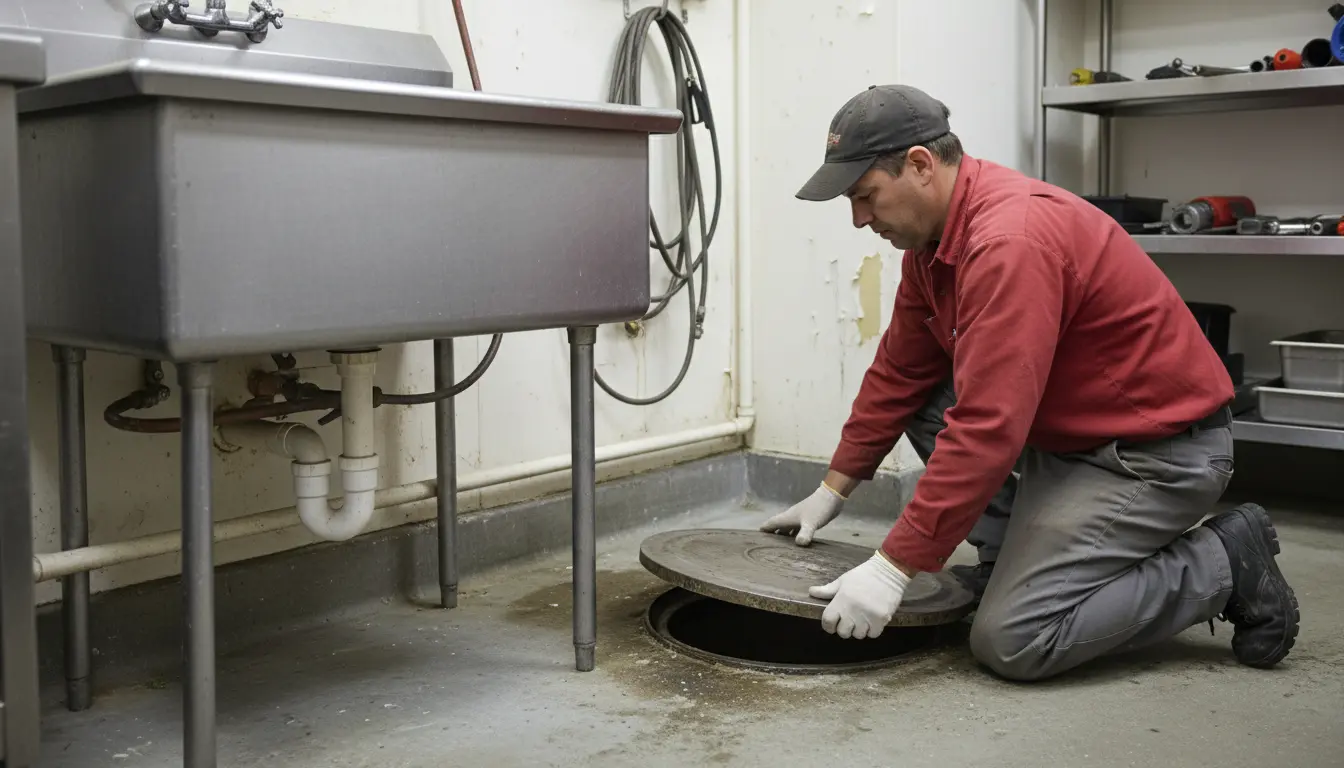
Find the Best Grease Trap Cleaning Companies for Your Business
No obligation • Fast responses • Nationwide coverage

Why you can trust Restaurant Waste Disposal
Restaurant Waste Disposal is a leading U.S. resource for comparing restaurant composting, food-waste recycling, grease trap cleaning, and used cooking oil collection services. Our editorial team researches providers, checks credentials, and organizes unbiased information so operators can make informed decisions. Companies cannot pay to change ratings or placement.
Search providers near you
Top Grease Trap Cleaning Companies in Cincinnati, Ohio Ranked
For any restaurant, food truck, or commercial kitchen in Cincinnati, managing fats, oils, and grease (FOG) is a critical operational and legal responsibility. Proper grease interceptor maintenance is not just about avoiding unpleasant odors or slow drains; it's a mandated requirement under Ohio health codes to protect the city's sewer infrastructure from costly blockages and environmental harm. Compliance involves scheduled pumping, meticulous record-keeping, and ensuring easy access for service providers. Neglecting this essential service can lead to severe consequences, including hefty fines from health inspectors, disruptive emergency cleanouts, and damage to your establishment's reputation. Proactive, scheduled maintenance is the most effective strategy for Cincinnati food service operators to ensure smooth operations, remain in good standing with local authorities, and avoid significantly higher costs down the line.
Roto-Rooter Plumbing & Water Cleanup
2125 Montana Ave, Cincinnati, OH 45211
Roto-Rooter Plumbing & Water Cleanup provides a wide range of plumbing services in Cincinnati, OH, including residential and commercial plumbing, sewer and drain cleaning, water heater repair and installation, and grease trap maintenance. They are experienced in handling Cincinnati's unique plumbing challenges, such as hard water deposits and older plumbing systems in historic buildings. The company offers 24/7 emergency plumbing services to address urgent issues like burst pipes and sewer backups. Roto-Rooter has a long history dating back to 1933 when its founder invented the original drain cleaning machine, and today they use advanced technology for efficient plumbing solutions.
Roto-Rooter Plumbing & Water Cleanup
255 E 5th St #2500, Cincinnati, OH 45202
Roto-Rooter Plumbing & Water Cleanup provides a wide range of plumbing services in Cincinnati, OH, including residential and commercial plumbing, sewer and drain cleaning, water heater repair and installation, and grease trap maintenance. The company is experienced in addressing Cincinnati's unique plumbing challenges, such as hard water deposits and aging infrastructure. Roto-Rooter offers 24/7 emergency plumbing services to handle urgent issues like burst pipes and sewer backups. With a history dating back to the invention of the original Roto-Rooter drain cleaning machine in 1933, the company uses advanced technology to maintain and repair plumbing systems efficiently.
Roto-Rooter Plumbing & Water Cleanup
7711 Ewing Blvd Ste A11, Florence, KY 41042
Roto-Rooter Plumbing & Water Cleanup offers a wide range of plumbing services in Cincinnati, OH, including floodwater cleanup, sewer and drain cleaning, faucet and water heater repairs, and grease trap maintenance. They serve both residential and commercial clients, providing specialized solutions such as hydro-jetting and sewer line repair. Established in 1935, Roto-Rooter has a long history of plumbing expertise and offers 24/7 emergency services to address urgent plumbing issues promptly. Their coverage extends throughout the Cincinnati metro area, including parts of Kentucky and Indiana.
Roto-Rooter Plumbing & Water Cleanup
6 S 2nd St #513, Hamilton, OH 45011
Roto-Rooter Plumbing & Water Cleanup provides comprehensive plumbing and water cleanup services in Hamilton, OH. They offer a wide range of residential and commercial plumbing solutions, including drain cleaning, sewer line repair, water heater installation and repair, grease trap maintenance, and floodwater cleanup. The company is equipped with advanced tools and techniques to handle complex plumbing systems and emergencies. Established in 1935 with a legacy of innovation in drain cleaning, Roto-Rooter offers 24/7 emergency plumbing services to address urgent issues at any time.
Roto-Rooter Plumbing & Water Cleanup
1095 Nimitzview Dr #404, Cincinnati, OH 45230
Roto-Rooter Plumbing & Water Cleanup provides a wide range of plumbing services in Cincinnati, OH, including floodwater cleanup, sewer and drain cleaning, water heater repair, and grease trap maintenance. The company serves both residential and commercial clients, addressing unique local plumbing challenges such as cold winters and historic infrastructure. Roto-Rooter is experienced in advanced techniques like high-pressure water jetting for clearing tough clogs. Founded in 1935, the company offers 24/7 emergency plumbing services to handle urgent issues at any time.
Understanding Cincinnati and Ohio Grease Trap Regulations
Navigating the regulatory landscape is the first step toward compliance. In Cincinnati, grease interceptor maintenance is governed by state-level rules adopted by local health departments. The primary authority is the Ohio Administrative Code (OAC) Rule 3717-1-05.3, which outlines specific requirements for food service operations 1.
Key regulatory mandates include:
- Accessibility: Grease traps and interceptors must be "easily accessible for cleaning and inspection". This means they cannot be buried, locked away, or blocked by equipment. If a service technician cannot easily reach and open the unit, it is a violation.
- Pumping Frequency: While a common benchmark is every 90 days (quarterly), the official requirement is based on the accumulation of FOG and solids. Your establishment's required frequency is determined by its grease production volume. You must have proof of regular servicing, and inspectors can require more frequent pumping if issues are observed.
- Documentation: Maintaining detailed records is non-negotiable. You must keep service manifests, dates, and pumped volumes from your licensed provider for review during health inspections. This paperwork is your primary evidence of compliance.
- Proper Connections: Food waste disposal units cannot be connected to a grease interceptor system, as they introduce solids that quickly fill and compromise the unit 2 3.
The Inspection Process and Consequences of Non-Compliance
The Hamilton County Public Health department conducts inspections to enforce these rules. During an inspection, officials will not only look at the physical condition of your trap but will also request your maintenance records 4.
Common violations that trigger enforcement actions include:
- Overflowing or excessively full traps.
- Missing or incomplete service manifests.
- Inaccessible grease interceptors.
- Foul odors or evidence of grease backup.
If a violation is found, the inspector will issue a corrective action order, typically requiring service within a short timeframe, such as 5 business days 5. Failure to comply can result in fines and may lead to the health department mandating a more frequent (and more costly) pumping schedule until compliance is consistently demonstrated 6. In severe cases of neglect leading to sewer line blockages, a restaurant could be held liable for significant municipal cleanup costs.
What Professional Grease Trap Cleaning Entails
A professional service involves much more than just removing liquid waste. A comprehensive cleaning ensures the interceptor functions correctly until its next scheduled service.
A standard professional service includes:
- Complete Pump-Out: Removing all liquid contents, including water, FOG, and suspended solids.
- Scraping and Removal of Solids: Hardened grease and solid waste (known as "pancake") are scraped from the walls, baffles, and bottom of the trap.
- Interior Rinse: The interior is rinsed to remove residual waste.
- Inspection of Components: The baffles, lids, and seals are checked for integrity.
- Proper Disposal: All waste is transported to an approved facility for processing or rendering, and you receive a detailed manifest documenting the disposal.
- System Reset: The trap is refilled with clean water to restore proper septic function and odor control.
Find the perfect grease trap cleaning companies for your needs
Get personalized recommendations and expert advice
Cost Factors for Grease Interceptor Service in Cincinnati
The cost of grease trap maintenance is an investment in your business's operational continuity and compliance. Prices are not one-size-fits-all and are influenced by several key factors.
Primary cost drivers include:
- Trap Size and Capacity: Larger interceptors, measured in gallons, require more labor and disposal capacity, increasing the price.
- Frequency of Service: Regularly scheduled maintenance is always less expensive per service than emergency calls.
- Location and Accessibility: Easily accessible traps in drive-thru or parking lot locations are simpler to service than those in cramped basements or requiring special equipment to access.
- Condition of the Trap: A well-maintained trap is quicker to clean. Traps that are severely neglected, fully solidified, or causing overflows require emergency service and extensive labor.
Understanding the Price Range:
- Preventative / Scheduled Cleaning: For most Cincinnati restaurants on a quarterly schedule, costs typically range from $175 to $400+ per service 7. This is the cost-effective, compliant path.
- Emergency / Corrective Action Cleaning: When a trap overflows or fails an inspection, emergency service costs can skyrocket, often ranging from $800 to $1,200 or more due to after-hours premiums, urgency, and the severity of the clog 8 9.
The financial takeaway is clear: consistent, scheduled maintenance is the most economical approach, preventing the massive cost spike of emergency interventions and potential fines 10 11.
Building a Compliant FOG Management Program
Beyond just scheduling cleanings, a holistic program minimizes risk and simplifies compliance.
Best practices for Cincinnati restaurant operators:
- Schedule Based on Usage: Work with your service provider to determine the optimal frequency for your volume of frying and food preparation. Don't just default to quarterly; it may be too infrequent for a high-volume fryer.
- Train Your Staff: Educate kitchen staff on what should and should not go down the drain. Scrape plates into trash bins before washing, and avoid pouring any grease, even liquid oils, down the sink.
- Maintain a "Green Zone": Keep the area around your grease interceptor clear of storage, debris, and equipment to ensure easy access for service and inspection.
- File Your Manifests: Create a dedicated log or digital folder for all service reports and disposal manifests. This makes inspection day stress-free.
- Partner with a Reputable Provider: Choose a licensed, insured service that understands local Cincinnati and Ohio codes, provides detailed documentation, and offers reliable scheduling.
Frequently asked questions
Sources
Footnotes
-
Rule 3717-1-05.3 Water, plumbing, and waste: sewage, ... - Ohio Laws - https://codes.ohio.gov/assets/laws/administrative-code/authenticated/3717/0/1/3717-1-05-3_20190301.pdf ↩
-
Rule 3717-1-05.3 - Ohio Administrative Code - https://codes.ohio.gov/ohio-administrative-code/rule-3717-1-05.3 ↩
-
922.13 GREASE TRAP REQUIREMENTS. - https://codelibrary.amlegal.com/codes/auroraoh/latest/aurora_oh/0-0-0-40406 ↩
-
Columbus Grease Trap Cleaning: Compliance & Maintenance Mastery - https://www.myshyft.com/blog/grease-trap-cleaning-columbus-ohio/ ↩
-
922.14 GREASE TRAP MAINTENANCE REQUIREMENTS. - https://codelibrary.amlegal.com/codes/auroraoh/latest/aurora_oh/0-0-0-40412 ↩
-
Grease Trap Pumping in Orient, OH - Cleaning & Installation - https://bkyplumbing.com/grease-tap-and-installation/ ↩
-
Grease Trap Pumping Ohio - Triple A Pro Services - https://www.calltriplea.com/grease-trap-pumping ↩
-
Ultimate Grease Trap Pumping Cost Guide: Essential Money-Saving ... - https://www.texwaywastewater.com/grease-trap-pumping-cost/ ↩
-
The Cost To Clean A Grease Trap For Restaurants - https://thegreasecompany.com/blog/greasetrapcleaningcost/ ↩
-
Grease Trap Regulations and Compliance: What You Need to Know - https://www.texwaywastewater.com/grease-trap-regulations-and-compliance/ ↩
-
Grease Trap Cleaning Service Market Report | Global Forecast From 2025 To 2033 - https://dataintelo.com/report/grease-trap-cleaning-service-market ↩