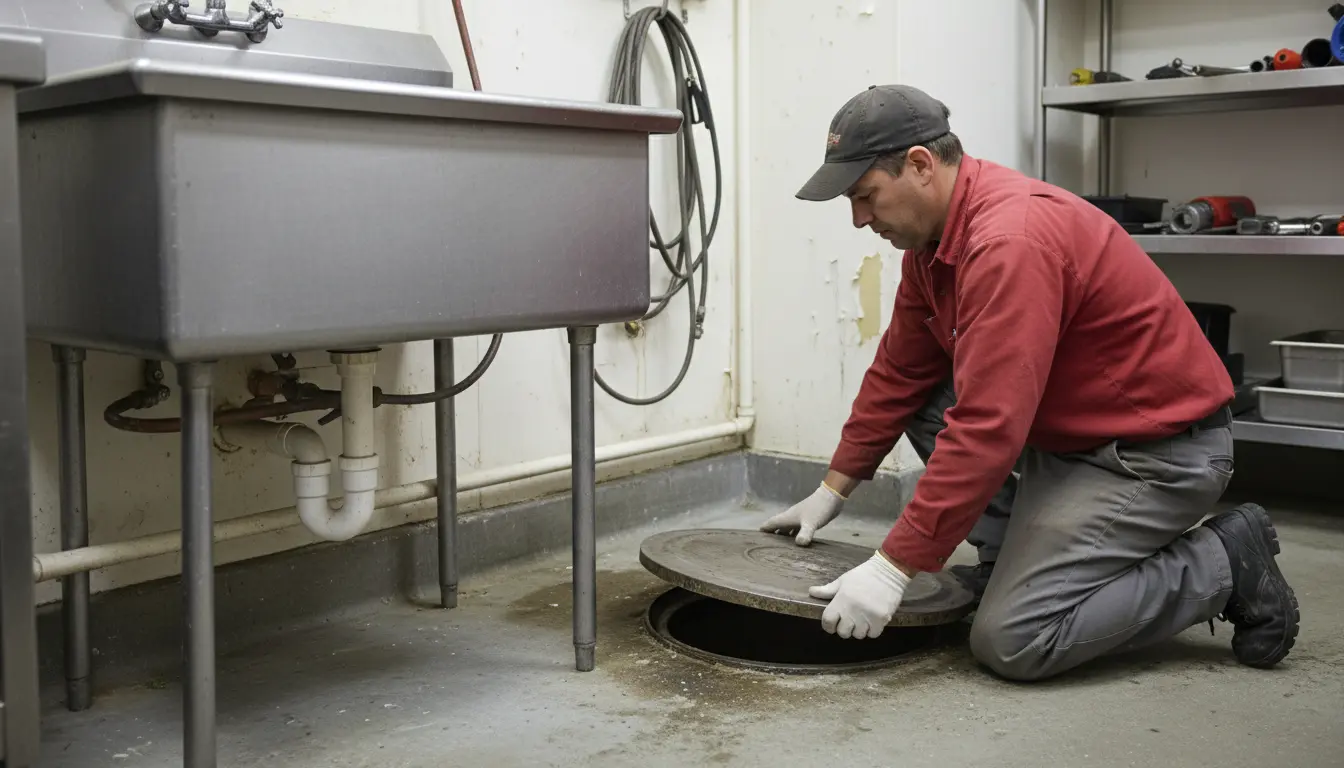
Find the Best Grease Trap Cleaning Companies for Your Business
No obligation • Fast responses • Nationwide coverage

Why you can trust Restaurant Waste Disposal
Restaurant Waste Disposal is a leading U.S. resource for comparing restaurant composting, food-waste recycling, grease trap cleaning, and used cooking oil collection services. Our editorial team researches providers, checks credentials, and organizes unbiased information so operators can make informed decisions. Companies cannot pay to change ratings or placement.
Search providers near you
Top Grease Trap Cleaning Companies in Columbus, Ohio Ranked
For restaurant owners and food service operators in Columbus, maintaining a compliant grease interceptor system is a critical operational and legal responsibility. The city's sewer system, managed by Columbus Water Works (CWW), has stringent regulations in place to prevent fats, oils, and grease (FOG) from causing costly blockages and environmental damage. Effective grease trap maintenance isn't just about avoiding fines; it's about protecting your business from disruptive sewer backups, ensuring public health, and contributing to the community's infrastructure. This guide outlines the essential compliance requirements, best practices, and local considerations for managing your grease handling system in Columbus.
Affordable Waste Services
145 W Canal St, Newark, OH 43055
Affordable Waste Services is a family-owned company serving Columbus, OH, and surrounding areas since 1989. They specialize in grease trap cleaning along with septic tank maintenance, sewer line cleaning, and repairs. Their services include advanced capabilities such as camera inspections and sewer jetting to precisely diagnose and clear blockages. The company is licensed, bonded, and insured, providing a range of wastewater management solutions across multiple nearby communities.
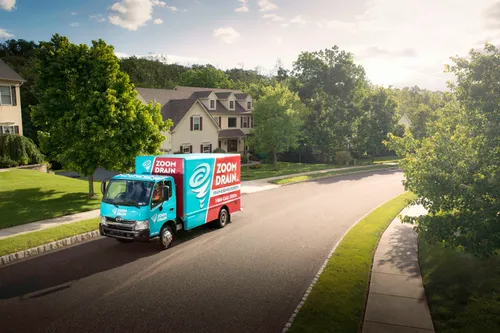
Zoom Drain Columbus
98 Village Pointe Dr, Powell, OH 43065
Zoom Drain Columbus specializes in drain and sewer services in Dublin, OH, focusing on both residential and commercial needs. They offer high-speed drain cleaning, sewer repair and replacement using trenchless methods, and detailed inspections with advanced camera technology. The company understands local challenges such as root intrusion from mature trees and aging pipes common in Columbus neighborhoods. They provide 24/7 emergency drain and rooter services to address urgent blockages and backups promptly. Their team stays current with city codes and permit requirements to ensure compliant and effective solutions.
Allstar Septic Pumping
4940 Brownsville Rd SE, Newark, OH 43056
Allstar Septic Pumping is a state-certified provider of commercial and residential pumping services based in Columbus, OH. They offer septic tank pumping, restaurant grease trap cleaning, and basement flooding extraction, serving Licking County and surrounding areas including Newark, Heath, and Granville. Their pumper truck is equipped with 300 feet of hose, allowing access from driveways or roadways to avoid property damage. The company provides 24/7 emergency service, although weather conditions may affect response times.
Columbus Grease Trap Cleaning
Columbus, OH
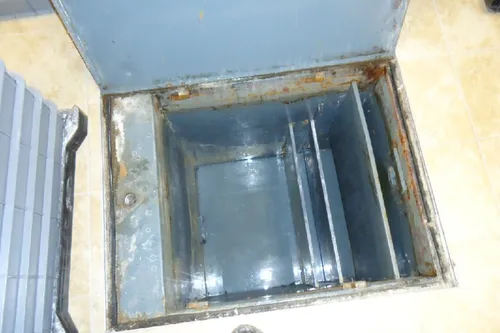
Columbus Grease Trap Cleaning is a full-service grease trap and interceptor cleaning company based in Columbus, OH. Serving commercial kitchens, restaurants, schools, and cafeterias throughout Columbus and nearby neighborhoods, they specialize in grease trap pumping, cleaning, installation, and maintenance. The company operates a fleet of over 15 pump trucks and uses high-pressure hydro-jetting to remove stubborn sludge, ensuring grease traps function efficiently and comply with local regulations. With more than a decade of experience, Columbus Grease Trap Cleaning works closely with city officials to meet all health and environmental standards and offers after-hours and custom services to accommodate business schedules.
Hansel's Septic Tank Service
4835 Trabue Rd, Columbus, OH 43228
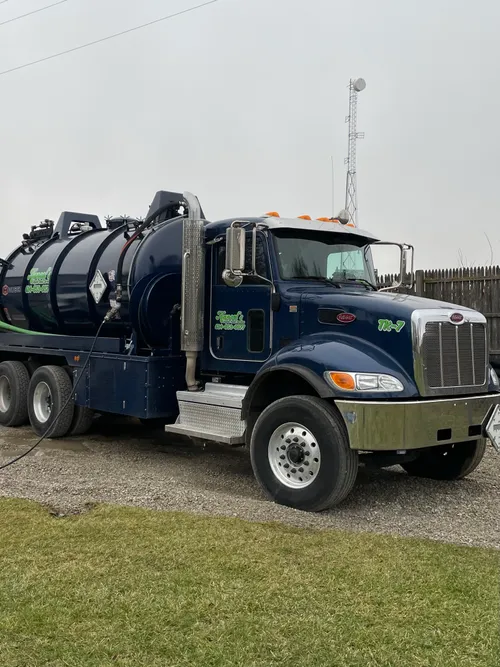
Hansel's Septic Tank Service in Columbus, Ohio, provides septic tank cleaning, grease trap pumping, and car wash pit extraction. Their trucks have a capacity of over 2,600 gallons, allowing them to handle large tanks and water bodies efficiently. This third-generation family business offers 24-hour emergency service and employs trained specialists to maintain safe and smooth operations for homes and businesses.
Understanding Columbus Water Works (CWW) FOG Regulations
The cornerstone of grease management in Columbus is compliance with the ordinances enforced by Columbus Water Works. All commercial facilities that generate grease waste are required to have an approved grease handling system, which must be specifically permitted by CWW. The city's FOG program is designed to minimize the introduction of grease into the public sewer lines, which can solidify and cause severe blockages, leading to sanitary sewer overflows (SSOs).
Key to these regulations is the "25% rule"1 2. This mandates that grease interceptors and traps must be cleaned out when the combined volume of FOG and settled solids reaches 25% of the unit's capacity. Allowing accumulation to exceed this level significantly reduces the trap's efficiency and increases the risk of grease escaping into the sewer line. It is the business owner's responsibility to monitor accumulation and schedule service accordingly. Furthermore, CWW conducts periodic inspections and reviews to ensure ongoing compliance with these standards 1 3.
The Critical Role of Record Keeping and Manifests
Proper documentation is not a suggestion-it's a enforceable requirement. For every service performed on your grease interceptor, you must obtain and retain a detailed manifest or cleaning log from your licensed hauler. This log should include:
- The date of service.
- The company name and license information of the hauler.
- The volume of waste removed.
- The disposal location for the collected grease and solids.
- The signature of the service provider.
Maintaining these records on-site is crucial. During a CWW inspection, you will be required to present these manifests to demonstrate a history of compliant, regular maintenance. Failure to provide adequate documentation can be grounds for an enforcement action, even if your trap appears clean at the moment of inspection 4.
Scheduling and Frequency of Grease Interceptor Service
How often should you schedule grease trap pumping? There is no universal answer, as frequency depends entirely on your specific operation's volume. A high-volume establishment specializing in fried foods will naturally fill its interceptor much faster than a low-volume cafe.
As a general guideline, most restaurants in Columbus require service every 1 to 3 months. However, the only reliable way to determine your optimal schedule is to have your trap inspected regularly by your service provider and to visually monitor the accumulation yourself in accordance with the 25% rule. Proactive, scheduled maintenance based on your actual usage is always more cost-effective and less disruptive than reacting to an emergency.
Cost Considerations for Pumping and Cleaning
Budgeting for grease trap maintenance is a necessary part of restaurant operations. The cost for a standard pumping service in the Columbus area typically ranges from approximately $175 to over $400 per service 5. Several factors influence this price:
- Trap Size and Location: Larger, underground grease interceptors cost more to pump than smaller, under-sink grease traps. Accessibility also plays a major role.
- Volume of Waste: The more gallons of grease and solids removed, the higher the disposal fees incurred by the hauler.
- Service Scope: A basic pump-out is less expensive than a full cleaning that includes high-pressure jetting of the inlet and outlet lines and a thorough interior scrub.
It is vital to understand that emergency service calls are exponentially more expensive. If a trap overflows, causes a backup, or triggers a violation notice, emergency pumping can cost between $800 and $1,200 or more6 7. Consistent, scheduled service is the most powerful tool to avoid these catastrophic fees.
Find the perfect grease trap cleaning companies for your needs
Get personalized recommendations and expert advice
Consequences of Non-Compliance: Fines and Enforcement
Ignoring grease trap regulations carries significant financial and operational risks for your business. Columbus Water Works takes violations seriously to protect the city's wastewater infrastructure. Enforcement actions can escalate based on the severity and recurrence of the issue.
Initial violations may result in a warning or a notice of violation, requiring immediate corrective action. For continued non-compliance, or for severe incidents like a grease-caused sewer blockage, CWW can levy substantial fines. These penalties are designed to recoup the cost of cleaning public lines and to serve as a deterrent. In extreme, repeated cases, the city has the authority to pursue suspension of a business's license until the grease handling issues are fully resolved 8. The reputational damage of such actions, coupled with the direct costs, can be devastating to a restaurant.
Choosing a Service Provider and Best Practices
When selecting a company for grease interceptor servicing in Columbus, due diligence is key. Ensure the hauler is licensed and approved to operate within the CWW service area. They should be fully insured and provide detailed, compliant manifests with every service. A reputable provider will also offer guidance on optimal service frequency for your specific operation.
Beyond hiring a professional, implement best practices in your kitchen:
- Train Staff: Educate every employee on what should never go down the drain (e.g., cooking oils, gravy, dairy products, food scraps).
- Use Pre-Sink Strainers: Install and maintain strainers in all sink drains to catch solid food waste.
- Dry Wipe Pots and Pans: Scrape and dry-wipe cookware before rinsing to remove the bulk of grease.
- Schedule Regular Maintenance: Don't wait for a problem. Proactively schedule service based on your established needs.
For the most current forms, a list of approved haulers, and detailed compliance guidance, the best course of action is to contact Columbus Water Works (CWW) directly 9. Their FOG program administrators can provide the official resources you need to ensure your restaurant operates within all local regulations.
Frequently asked questions
Sources
Footnotes
-
SUBDIVISION 7. | Code of Ordinances | Columbus, GA - https://library.municode.com/ga/columbus/codes/code_of_ordinances?nodeId=PTIICOOR_CH13HESA_ARTVIIISE_DIV2SASESY_SD7COWAWOGRSATRPR_S13-272GERE ↩ ↩2
-
Restaurant Grease Trap Cleaning FAQs - Mahoney Environmental - https://www.mahoneyes.com/restaurant-grease-trap-cleaning-faqs/ ↩
-
Understanding the Fines and Penalties for Grease Trap ... - https://www.southerngreen.com/blog/understanding-the-fines-and-penalties-for-grease-trap-violations ↩
-
Grease Trap Regulations and Compliance: What You Need to Know - https://www.texwaywastewater.com/grease-trap-regulations-and-compliance/ ↩
-
Ultimate Grease Trap Pumping Cost Guide: Essential Money-Saving ... - https://www.texwaywastewater.com/grease-trap-pumping-cost/ ↩
-
Columbus Grease Trap Cleaning: Compliance & Maintenance ... - https://www.myshyft.com/blog/grease-trap-cleaning-columbus-ohio/ ↩
-
How Much Does a Proper Grease Trap Cleaning Cost? - https://hulseyenvironmental.com/how-much-does-a-proper-grease-trap-cleaning-partner-cost/ ↩
-
Grease Trap Restaurant: The Essential Guide - https://therestaurantwarehouse.com/blogs/restaurant-equipment/grease-trap-restaurant-guide ↩
-
CITY OF COLUMBUS DIVISION OF SEWERAGE AND DRAINAGE ... - https://www.columbus.gov/files/sharedassets/city/v/1/utilities/documents/sewer-forms/fog-packet-2023-6-5.pdf ↩