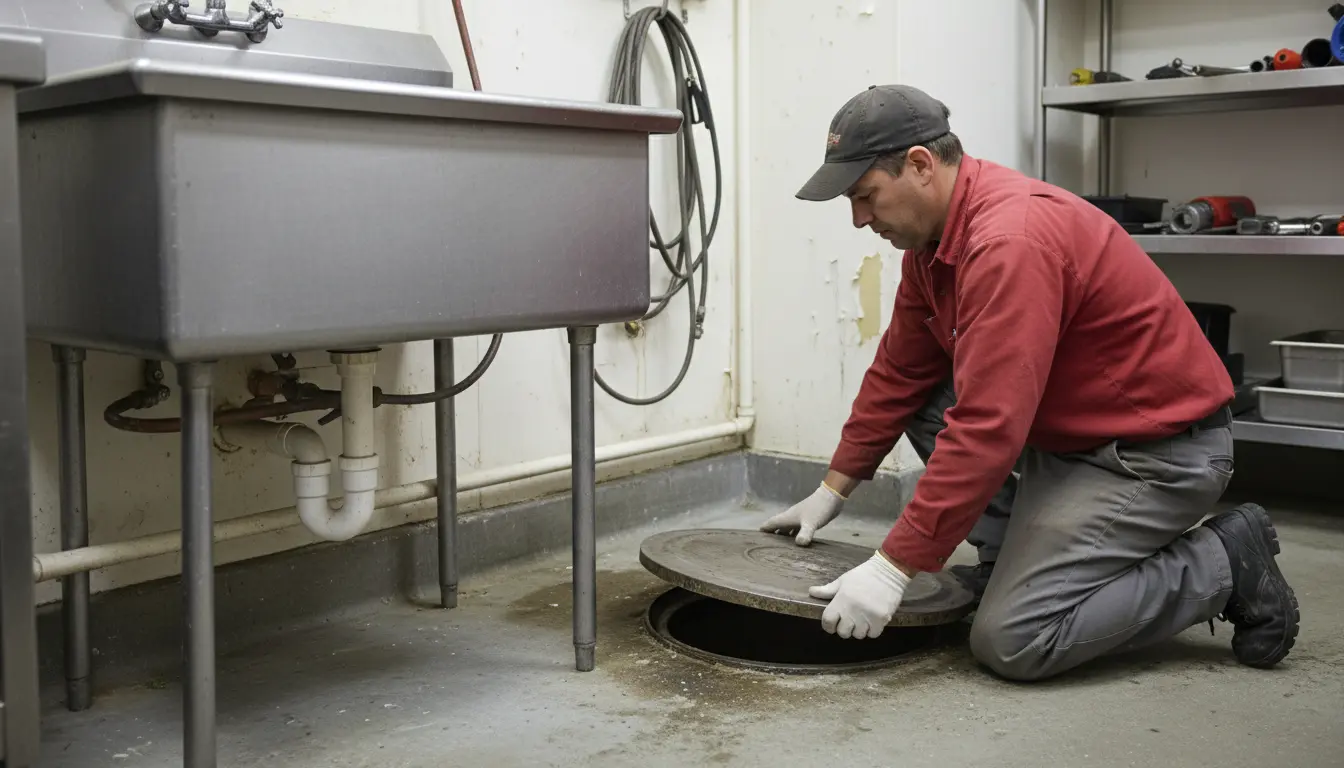
Find the Best Grease Trap Cleaning Companies for Your Business
No obligation • Fast responses • Nationwide coverage

Why you can trust Restaurant Waste Disposal
Restaurant Waste Disposal is a leading U.S. resource for comparing restaurant composting, food-waste recycling, grease trap cleaning, and used cooking oil collection services. Our editorial team researches providers, checks credentials, and organizes unbiased information so operators can make informed decisions. Companies cannot pay to change ratings or placement.
Search providers near you
Top Grease Trap Cleaning Companies in Cleveland, Ohio Ranked
For any restaurant, food service establishment, or commercial kitchen in Cleveland, managing fats, oils, and grease (FOG) is a critical operational and legal responsibility. Proper grease trap and interceptor maintenance is not just about avoiding unpleasant odors or clogs; it's a mandated practice to protect the city's sewer infrastructure and the environment. Local regulations, derived from the Ohio Administrative Code, require a proactive approach to grease management, including regular cleaning, proper installation, and meticulous record-keeping. Failure to comply can result in significant fines, enforcement actions, and costly emergency repairs. This guide outlines the essential knowledge for Cleveland food service operators to navigate grease trap servicing requirements, understand associated costs, and implement best practices for a compliant and efficient kitchen.
Understanding and adhering to local FOG control ordinances is the first step. In Cleveland, these rules are enforced to prevent sewer blockages and overflows, which can lead to environmental damage and public health concerns. The regulations stem from state-level plumbing and food safety codes, which are adopted and enforced by local health departments and wastewater treatment authorities. Compliance isn't optional; it's a condition of operating your business. Key regulatory pillars include the frequency of pump-outs, proper interceptor sizing and installation, and strict prohibitions against improper grease disposal.
Roto-Rooter Plumbing & Water Cleanup
10574 Ravenna Rd Ste 2A, Twinsburg, OH 44087
Roto-Rooter Plumbing & Water Cleanup provides comprehensive residential and commercial plumbing services in Cleveland, OH. Their offerings include installations, repairs, maintenance, and emergency plumbing solutions available 24/7 throughout the year. The company specializes in grease trap cleaning, sewer line repair and replacement, water heater services, and floodwater cleanup, using advanced equipment like hydro-jetting for drain cleaning. Serving a wide area including Twinsburg and surrounding communities, Roto-Rooter supports both homes and businesses with tailored plumbing solutions. They have a strong presence in the region and emphasize prompt emergency response and thorough water damage restoration.
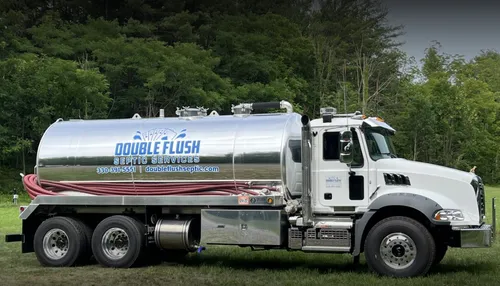
Double Flush Septic Services
2481 Remsen Rd, Medina, OH 44256
Double Flush Septic Services is a family-owned business based in Akron, OH, providing septic system installation, cleaning, inspections, and repairs. They serve homeowners and businesses across Northern Ohio, including Medina, Lorain, Summit, and Wayne counties. The company is certified to work with Norweco and Hydro-Action septic systems and offers additional services such as sump pump maintenance, commercial grease trap cleaning, and drain snaking. Emergency septic services are available to address urgent needs promptly.
Roto-Rooter Plumbing & Water Cleanup
5851 Pearl Rd #205A, Parma Heights, OH 44130
Roto-Rooter Plumbing & Water Cleanup provides comprehensive plumbing and water cleanup services in Cleveland, OH, specializing in both residential and commercial plumbing needs. Their offerings include floodwater cleanup, sewer and drain cleaning, water heater repairs, grease trap maintenance, and mold remediation. The company is equipped with advanced tools such as high-pressure water jetting (hydro-jetting) and video sewer inspections to address complex plumbing issues efficiently. Roto-Rooter serves the Cleveland area and surrounding counties with a focus on tailored solutions for local plumbing systems. They offer 24/7 emergency plumbing services to handle urgent situations at any time.
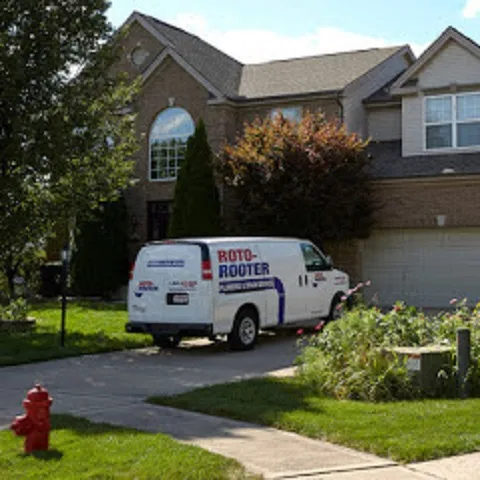
Roto-Rooter Plumbing & Water Cleanup
27575 Euclid Ave, Euclid, OH 44132
Roto-Rooter Plumbing & Water Cleanup offers comprehensive plumbing and water cleanup services in Cleveland, OH. They provide residential and commercial plumbing solutions including drain cleaning, sewer line repair and replacement, grease trap maintenance, water heater installation and repair, and floodwater cleanup. The company employs advanced equipment such as video camera sewer inspections and hydro-jetting to address complex plumbing issues efficiently. Roto-Rooter serves Euclid and surrounding communities with 24/7 emergency plumbing services, ensuring assistance is available any time plumbing problems arise.
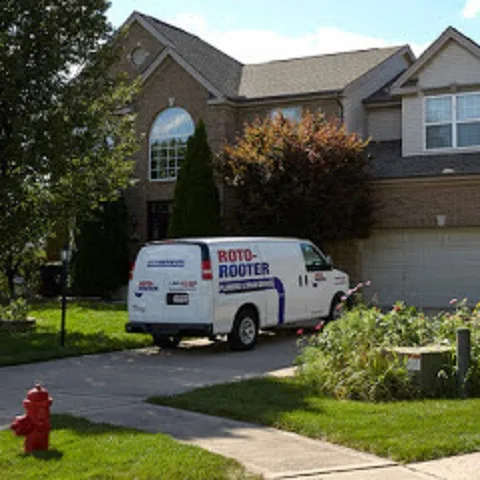
Roto-Rooter Plumbing & Water Cleanup
14100 Cedar Rd Ste 280-8, Cleveland Heights, OH 44118
Roto-Rooter Plumbing & Water Cleanup is a plumbing service provider located in Cleveland, OH. Serving both residential and commercial clients, they offer a wide range of plumbing solutions including drain cleaning, sewer line repair, water heater installation, and grease trap maintenance. The company is equipped with advanced tools such as high-pressure water jetting for effective drain clearing. Established in 1935, Roto-Rooter has decades of experience in handling plumbing challenges. They provide 24/7 availability for emergency plumbing and water cleanup services.
Understanding Cleveland's Grease Trap Regulations
Cleveland's grease management rules are designed to keep FOG out of the public sewer system. The foundational requirements come from the Ohio Administrative Code (OAC), particularly the State Uniform Food Safety Code, which local authorities use as a benchmark for inspections and enforcement.
Maintenance Frequency and Requirements
The cornerstone of compliance is a regular pumping schedule. While a common benchmark is servicing every 90 days, the actual required frequency for your establishment is determined by the volume of FOG your kitchen produces 1 2. High-volume restaurants may need monthly service, while lower-output operations might operate on a quarterly schedule. Authorities determine this by inspecting the FOG accumulation in your trap; if the grease pocket exceeds 25% of the trap's capacity, it's considered a violation requiring prompt action 3. Following a failed inspection or sample, you typically have about 15 days to have the trap pumped and provide proof of service, such as a hauler's receipt, to the enforcing agency 1 3.
Sizing, Installation, and Accessibility
Proper grease interceptor function starts with correct sizing and installation. Traps must be sized according to local plumbing codes, based on factors like fixture flow rates and kitchen size 4 5. Smaller units (often under 500 gallons) may be located inside the facility, while larger establishments or those with significant grease waste may require exterior grease interceptors holding 1,000 gallons or more 6. A critical rule is that grease traps must have indirect waste connections, meaning they are not directly connected to the sanitary sewer line, preventing direct contamination 7. Furthermore, traps must be easily accessible for service technicians and inspectors. Obstructed or buried traps can lead to violations and higher service costs.
Prohibited Practices and Disposal
It is illegal to discharge grease, whether liquid or solid, into storm drains, sinks, or floor drains 8. Grease trap waste is considered a pollutant and must be handled by licensed haulers who transport it to approved processing or disposal facilities. Establishments cannot simply dump this waste; proper off-site hauling with appropriate Ohio EPA permits is required 9.
Inspection, Sampling, and Consequences of Non-Compliance
Local health departments or representatives from the wastewater treatment plant (WWTP) conduct inspections to ensure compliance. These can be scheduled annually or occur on an as-needed basis, especially if there are complaints or upstream blockages.
The Inspection and Sampling Process
During an inspection, officials will check for proper installation, accessibility, and the physical state of the grease trap. They will measure the FOG accumulation layer. A key part of enforcement is effluent sampling. Inspectors may take a sample of the wastewater exiting your grease trap. For the sample to pass, it must contain less than 100 mg/L of oil and grease. This test ensures the trap is functioning correctly and not allowing excessive FOG into the sewer lines.
Penalties for Violations
Non-compliance carries real financial and operational risks. Violations can lead to:
- Fines: Monetary penalties for failing to maintain, pump, or provide records.
- Legal Action: In severe or repeat cases, legal proceedings may be initiated.
- Mandatory Corrective Action: You will be ordered to pump the trap immediately and may be required to increase your service frequency or upgrade your equipment.
Find the perfect grease trap cleaning companies for your needs
Get personalized recommendations and expert advice
Cost of Grease Trap Services in Cleveland
The cost for grease interceptor maintenance in Cleveland varies based on several factors. Understanding these can help you budget effectively and avoid unexpected expenses.
Routine Pumping and Cleaning Costs
For standard, scheduled service, most restaurants can expect the following price ranges:
- Small Indoor Grease Trap: $175 - $475 per service.
- Routine Service for Standard Interceptors: $250 - $400 per service.
These prices typically include pumping out the full contents, cleaning the interior walls and baffles, and properly disposing of the waste.
Emergency Service Costs
Neglecting routine maintenance often leads to emergencies like severe blockages, overflows, or last-minute compliance orders. Emergency services are significantly more expensive, often ranging from $800 to $1,200 or more due to after-hours rates, expedited service, and the potential complexity of the clog 10 11.
Factors Influencing Price
Several variables affect your final cost:
- Interceptor Size: Larger tanks hold more waste and take longer to pump.
- FOG Content and Solid Buildup: Heavy sludge or solidified grease requires more labor.
- Accessibility: Easily accessible, above-ground traps cost less to service than those in confined basements or under concrete pads.
- Service History: Well-maintained traps are quicker and easier to clean than neglected ones.
- Service Provider: Rates can vary between licensed hauling companies.
Best Practices for Effective Grease Management
Beyond just scheduling pump-outs, a comprehensive grease management program involves daily operational habits.
1. Establish a Proactive Maintenance Schedule: Don't wait for a problem or a violation notice. Work with your service provider to determine the optimal pumping frequency for your specific operation-whether monthly, bimonthly, or quarterly-and stick to it religiously.
2. Implement Staff Training: Your kitchen staff are the first line of defense. Train them on best practices such as scraping food scraps into trash bins (not sinks), using sink strainers, and avoiding pouring any fats or oils down the drain. Encourage them to report slow drains or unusual odors immediately 12.
3. Maintain Meticulous Records: This is crucial for compliance. Keep a detailed log of every grease trap service. Each entry should include the date, the name of the service company, the volume of waste removed, and the hauler's receipt or manifest number. Have this log readily available for health department inspectors.
4. Consider Preventative Measures: Installing additional screens or baskets in sink drains can catch solids before they enter the trap. Some establishments also use bacterial or enzymatic additives to help break down grease between pump-outs, though these should never replace physical cleaning and must be approved for use in your system.
Frequently asked questions
Sources
Footnotes
-
Does Ohio Have A Restaurant Grease Program? - https://ace1965.com/2023/06/does-ohio-have-a-restaurant-grease-program/ ↩ ↩2
-
Restaurant Grease Trap Cleaning FAQs - Mahoney Environmental - https://www.mahoneyes.com/restaurant-grease-trap-cleaning-faqs/ ↩
-
Section 51.50 FATS, OILS and GREASES CONTROL ORDINANCE - https://townofclevelandnc.gov/wp-content/uploads/2021/05/fog-ord.-revised-2-13-17.pdf ↩ ↩2
-
Standard Operating Procedures Requirements for Restaurants - https://msdgc.org/sites/default/assets/downloads/Customers/Food-Services/restaurant_requirements.pdf ↩
-
933.30 GREASE TRAPS. - American Legal Publishing - https://codelibrary.amlegal.com/codes/struthers/latest/struthers_oh/0-0-0-12249 ↩
-
Cleveland Grease Trap Installers - Plumbing Source - https://plumbingsource.net/commercial-plumbing/grease-trap-installation/ ↩
-
Rule 3717-1-05.3 - Ohio Administrative Code - https://codes.ohio.gov/ohio-administrative-code/rule-3717-1-05.3 ↩
-
Restaurant Grease: Know Your Environmental Regulations - https://ccchd.com/wp-content/uploads/2025/06/FOG-restaurant.pdf ↩
-
922.13 GREASE TRAP REQUIREMENTS. - https://codelibrary.amlegal.com/codes/auroraoh/latest/aurora_oh/0-0-0-40406 ↩
-
Ultimate Grease Trap Pumping Cost Guide: Essential Money-Saving ... - https://www.texwaywastewater.com/grease-trap-pumping-cost/ ↩
-
Restaurant Grease Trap & Interceptor Cleaning Cost - https://greasemanagement.org/pricing.html ↩
-
The Ultimate Guide to Restaurant Grease Trap Cleaning - https://mokherplumbing.com/ultimate-guide-restaurant-grease-trap-cleaning/ ↩