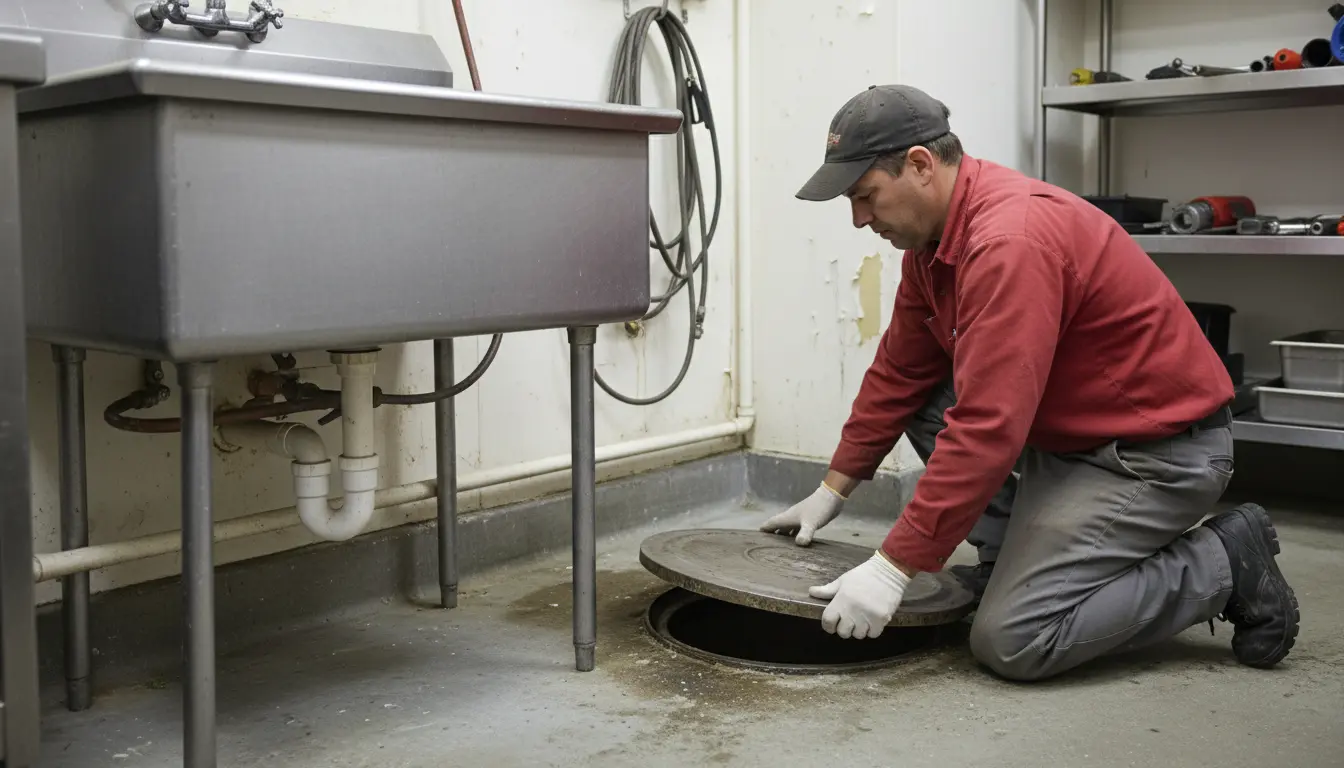
Find the Best Grease Trap Cleaning Companies for Your Business
No obligation • Fast responses • Nationwide coverage

Why you can trust Restaurant Waste Disposal
Restaurant Waste Disposal is a leading U.S. resource for comparing restaurant composting, food-waste recycling, grease trap cleaning, and used cooking oil collection services. Our editorial team researches providers, checks credentials, and organizes unbiased information so operators can make informed decisions. Companies cannot pay to change ratings or placement.
Search providers near you
Top Grease Trap Cleaning Companies in Mentor, Ohio Ranked
For restaurant owners and food service operators in Mentor, maintaining a clean and compliant grease trap or interceptor is a critical operational and legal responsibility. These systems are essential for preventing fats, oils, and grease (FOG) from entering the municipal sewer lines, where they can cause costly blockages and environmental damage. In Mentor, compliance is governed by both state regulations and local enforcement, making it crucial to understand the specific requirements for pumping schedules, record-keeping, and approved service providers. Proactive maintenance not only avoids hefty fines but also ensures your kitchen runs smoothly and protects Lake County's wastewater infrastructure.
Local enforcement of these rules falls under the jurisdiction of the Lake County General Health District, which conducts inspections to ensure food service establishments are adhering to the code. Failure to maintain proper records or schedule required pumpings can result in warnings, fines, or even orders to cease operations. Therefore, establishing a reliable relationship with a qualified grease trap cleaning service is not just a maintenance task-it's a fundamental aspect of responsible business ownership in Mentor's vibrant food service industry.
Roto-Rooter Plumbing & Water Cleanup
10574 Ravenna Rd Ste 2A, Twinsburg, OH 44087
Roto-Rooter Plumbing & Water Cleanup provides comprehensive residential and commercial plumbing services in Cleveland, OH. Their offerings include installations, repairs, maintenance, and emergency plumbing solutions available 24/7 throughout the year. The company specializes in grease trap cleaning, sewer line repair and replacement, water heater services, and floodwater cleanup, using advanced equipment like hydro-jetting for drain cleaning. Serving a wide area including Twinsburg and surrounding communities, Roto-Rooter supports both homes and businesses with tailored plumbing solutions. They have a strong presence in the region and emphasize prompt emergency response and thorough water damage restoration.
Roto-Rooter Plumbing & Water Cleanup
5851 Pearl Rd #205A, Parma Heights, OH 44130
Roto-Rooter Plumbing & Water Cleanup provides comprehensive plumbing and water cleanup services in Cleveland, OH, specializing in both residential and commercial plumbing needs. Their offerings include floodwater cleanup, sewer and drain cleaning, water heater repairs, grease trap maintenance, and mold remediation. The company is equipped with advanced tools such as high-pressure water jetting (hydro-jetting) and video sewer inspections to address complex plumbing issues efficiently. Roto-Rooter serves the Cleveland area and surrounding counties with a focus on tailored solutions for local plumbing systems. They offer 24/7 emergency plumbing services to handle urgent situations at any time.
Roto-Rooter Plumbing & Water Cleanup
27575 Euclid Ave, Euclid, OH 44132
Roto-Rooter Plumbing & Water Cleanup offers comprehensive plumbing and water cleanup services in Cleveland, OH. They provide residential and commercial plumbing solutions including drain cleaning, sewer line repair and replacement, grease trap maintenance, water heater installation and repair, and floodwater cleanup. The company employs advanced equipment such as video camera sewer inspections and hydro-jetting to address complex plumbing issues efficiently. Roto-Rooter serves Euclid and surrounding communities with 24/7 emergency plumbing services, ensuring assistance is available any time plumbing problems arise.
Roto-Rooter Plumbing & Water Cleanup
14100 Cedar Rd Ste 280-8, Cleveland Heights, OH 44118
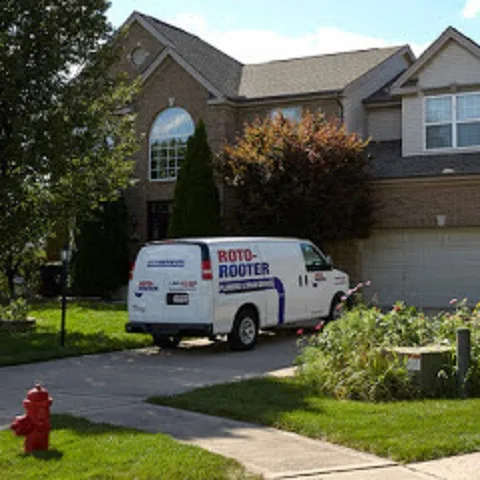
Roto-Rooter Plumbing & Water Cleanup is a plumbing service provider located in Cleveland, OH. Serving both residential and commercial clients, they offer a wide range of plumbing solutions including drain cleaning, sewer line repair, water heater installation, and grease trap maintenance. The company is equipped with advanced tools such as high-pressure water jetting for effective drain clearing. Established in 1935, Roto-Rooter has decades of experience in handling plumbing challenges. They provide 24/7 availability for emergency plumbing and water cleanup services.
Wilson Plumbing, Heating, Cooling and Electric
3659 Green Rd, Beachwood, OH 44122
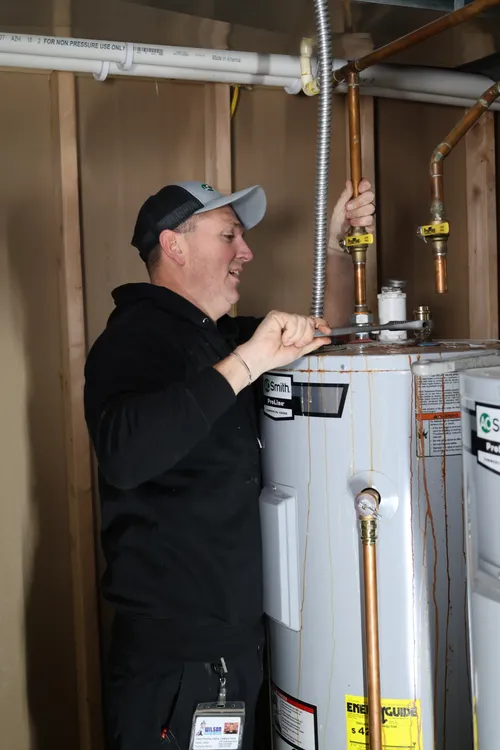
Wilson Plumbing, Heating, Cooling and Electric provides grease trap cleaning services in Cleveland, OH. The company offers maintenance services including grease trap pumping and other related plumbing, heating, cooling, and electrical work. Customers note their ongoing subscription maintenance plans that cover various services throughout the year.
Understanding Ohio and Mentor Grease Interceptor Regulations
The primary framework for grease management in Mentor comes from the Ohio Administrative Code (OAC 3717-1-05.3). This state rule sets the minimum standards that all local health departments, including Lake County's, enforce. The code classifies these devices as grease interceptors and mandates specific design and maintenance protocols to control FOG discharge 1.
Key state requirements that directly impact Mentor restaurants include:
- Accessibility: Grease interceptors must be easily accessible for inspection, cleaning, and maintenance.
- Indirect Drainage: Fixtures that produce grease-laden waste must drain into the interceptor through an indirect connection.
- Proper Sizing: Interceptors must be sized appropriately based on the fixture's flow rate and anticipated grease load, with larger operations often requiring units of 1,000 gallons or more.
Mandatory Pumping Frequency and Waivers
A core component of the regulation is the mandated pumping schedule. The OAC requires that grease interceptors be pumped out a minimum of every 90 days, or whenever the accumulated FOG and solids reach 25% of the interceptor's liquid depth-whichever comes first 2. It's important to note that the local health authority has the discretion to require more frequent cleaning if they determine it's necessary based on your establishment's output or past compliance history.
Some restaurants may believe their trap does not fill up quickly enough to warrant quarterly service. However, cleaning less often than every 90 days is not simply a choice. Operators must apply for a formal waiver from the local health department. This process requires submitting a request that likely includes historical pumping records and data to prove the interceptor does not reach the 25% threshold within 90 days. Relying on a waiver without official approval is a violation of the code 3 4.
The Role of the Lake County General Health District
While the state sets the rules, the Lake County General Health District is the primary agency for day-to-day enforcement and oversight in Mentor. Their inspectors are responsible for ensuring that all food service facilities comply with OAC 3717-1-05.3 and any additional local ordinances.
During an inspection, you can expect them to:
- Examine the physical condition and accessibility of your grease interceptor.
- Request to see your maintenance log, which is a legally required document.
- Verify that pumping services are performed by a licensed waste hauler.
- Check for any signs of improper discharge or bypassing of the interceptor.
Find the perfect grease trap cleaning companies for your needs
Get personalized recommendations and expert advice
Documentation: Your Essential Maintenance Log
One of the simplest yet most critical aspects of compliance is maintaining detailed records. Every time your grease trap or interceptor is serviced, you must obtain a receipt or manifest from the service provider. These documents should be kept in an organized log that is readily available for health inspectors. Your log should include:
- Date of service
- Name of the service company
- Volume of waste removed
- Disposal location (the approved facility where the waste was taken)
- Signature of the service technician or company representative
Failure to produce this documentation during an inspection is a clear violation and can trigger enforcement actions just as easily as a visibly overfull trap.
Cost Factors for Grease Trap Cleaning in Mentor
The cost of grease interceptor maintenance in Mentor varies based on several key factors. Understanding these can help you budget effectively and avoid the significantly higher costs of emergency service.
Standard Pumping Costs: For routine, scheduled pumping, restaurants can expect to pay between $100 and $400+ per service 5. The final price within this range depends on:
- Trap Size and Capacity: Larger interceptors (e.g., 1,000-gallon units) cost more to pump than smaller under-sink traps.
- Location and Access: An outdoor, ground-level interceptor is typically less expensive to service than an indoor trap or one with difficult access.
- Condition: A well-maintained trap pumped on schedule is quicker and cheaper to clean than one where grease has solidified and requires more labor-intensive removal.
Emergency Service Premiums: If a trap is neglected and causes a backup, or if an inspection uncovers an immediate violation requiring urgent service, costs can escalate dramatically. Emergency or after-hours calls can range from $800 to $1,200 or more, due to priority dispatch and the complexity of resolving an active clog or overflow situation 6 7.
Long-Term Value of Regular Service: Investing in a regular quarterly service contract is almost always more cost-effective than reacting to problems. It ensures compliance, prevents sewer backups that can disrupt your business, and extends the life of your interceptor system.
Choosing a Service Provider in Mentor
Selecting a reliable service provider is a key business decision. Look for companies that are licensed, insured, and familiar with the specific reporting requirements of the Lake County General Health District. They should provide detailed service manifests that you can easily add to your compliance log. Many local providers offer service contracts for Mentor restaurants, which can provide predictable pricing and ensure you never miss a mandatory pumping date 8 9. When evaluating quotes, ensure they include all necessary labor, waste hauling, and proper disposal at a licensed facility.
Consequences of Non-Compliance
Ignoring grease trap maintenance carries serious risks beyond just a fine. The enforcement ladder typically begins with a written warning and a mandate to correct the violation within a short timeframe. Continued non-compliance can lead to substantial financial penalties. In severe cases, or for repeat violations, the health department has the authority to issue an order to cease operations until the interceptor is brought into compliance, resulting in costly business downtime. Furthermore, if FOG from your establishment contributes to a sewer line blockage, you could be held liable for the municipal cleanup costs and any damage caused.
Best Management Practices for Your Kitchen
While professional pumping is required, kitchen staff play a vital role in reducing the load on your interceptor. Implementing simple Best Management Practices (BMPs) can improve efficiency and reduce maintenance frequency and costs:
- Scrape, Don't Rinse: Scrape all food scraps and grease into the trash before washing dishes.
- Use Strainers: Place strainers in all sink drains to catch solid food particles.
- Never Pour Grease Down the Drain: Collect cooled fryer oil and cooking grease in sealed containers for recycling or proper disposal.
- Educate Staff: Train all employees on the importance of keeping FOG out of the drains.
Adhering to these practices supports the broader goal of protecting Mentor's sewer system and local waterways from pollution 10.
Frequently asked questions
Sources
Footnotes
-
Rule 3717-1-05.3 - Ohio Administrative Code - https://codes.ohio.gov/ohio-administrative-code/rule-3717-1-05.3 ↩
-
Grease Trap Maintenance in Ohio - Ohio Processing and Recycling - https://oprecycling.com/grease-trap-cleaning/ ↩
-
Restaurant Grease: Know Your Environmental Regulations - https://ccchd.com/wp-content/uploads/2025/06/FOG-restaurant.pdf ↩
-
922.14 GREASE TRAP MAINTENANCE REQUIREMENTS. - https://codelibrary.amlegal.com/codes/auroraoh/latest/aurora_oh/0-0-0-40412 ↩
-
The Cost To Clean A Grease Trap For Restaurants - https://thegreasecompany.com/blog/greasetrapcleaningcost/ ↩
-
Ultimate Grease Trap Pumping Cost Guide: Essential Money-Saving ... - https://www.texwaywastewater.com/grease-trap-pumping-cost/ ↩
-
How Much Does It Cost To Clean A Grease Trap? - https://www.greasecollection.com/blog/how-much-does-it-cost-to-clean-a-grease-trap/ ↩
-
Grease Trap Cleaning in Mentor-on-the-Lake OH - https://greasetrapcleaningmentor.com/mentor-on-the-lake-oh.html ↩
-
Grease Trap Cleaning in Mentor OH | Grease Interceptor Pumping - https://greasetrapcleaningperry.com/mentor-oh.html ↩
-
Standard Operating Procedures Requirements for Restaurants - https://msdgc.org/sites/default/assets/downloads/Customers/Food-Services/restaurant_requirements.pdf ↩