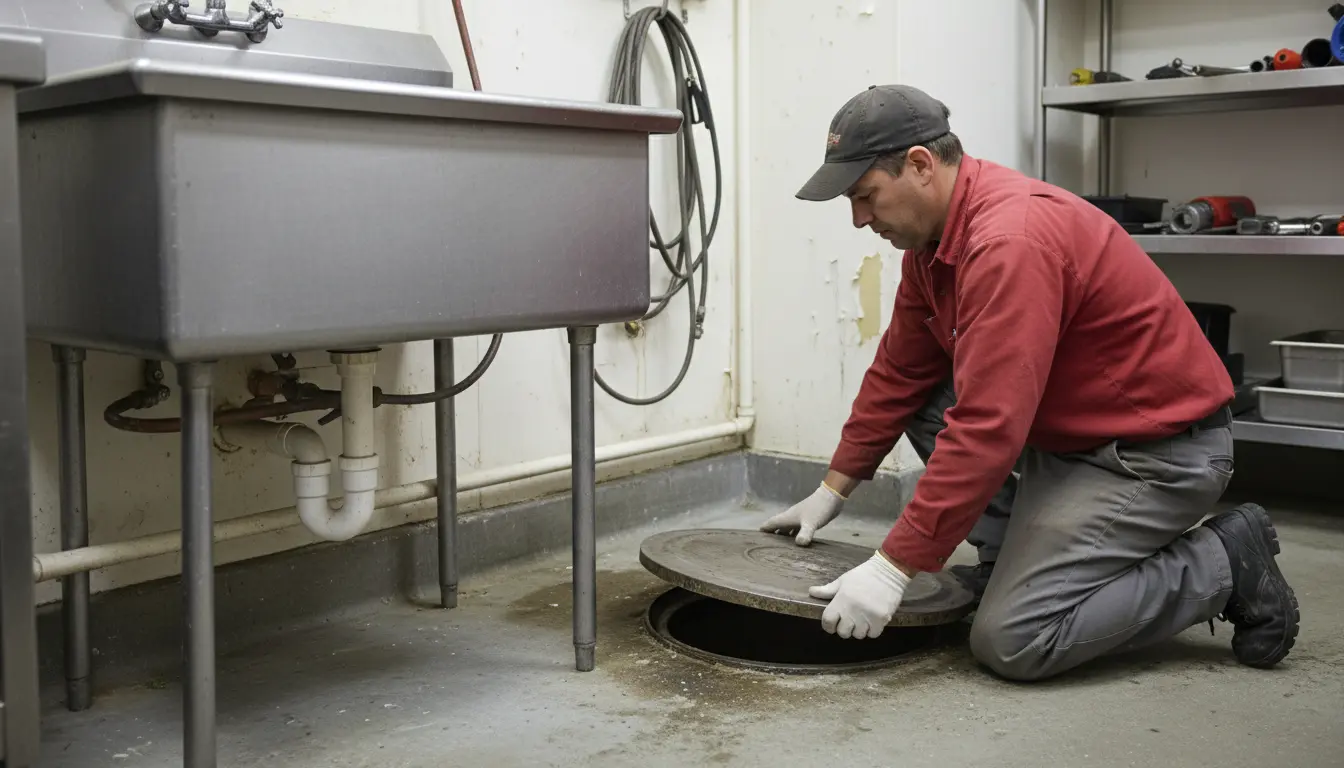
Find the Best Grease Trap Cleaning Companies for Your Business
No obligation • Fast responses • Nationwide coverage

Why you can trust Restaurant Waste Disposal
Restaurant Waste Disposal is a leading U.S. resource for comparing restaurant composting, food-waste recycling, grease trap cleaning, and used cooking oil collection services. Our editorial team researches providers, checks credentials, and organizes unbiased information so operators can make informed decisions. Companies cannot pay to change ratings or placement.
Search providers near you
Top Grease Trap Cleaning Companies in Canton, Ohio Ranked
For restaurant owners and food service operators in Ohio, managing fats, oils, and grease (FOG) is a critical operational and legal responsibility. Proper grease trap and interceptor maintenance is not just about avoiding unpleasant odors or slow drains; it's a mandated practice to protect municipal sewer systems, prevent environmental contamination, and ensure public health. Ohio's regulatory landscape is primarily enforced at the local level, meaning requirements can vary significantly from one city or county to the next. This guide outlines the essential regulations, best practices, and cost considerations for maintaining compliance and efficient kitchen operations across the Buckeye State.
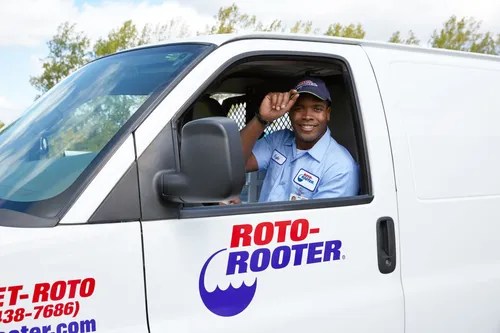
Roto-Rooter Plumbing & Water Cleanup
133 Portage Trail Suite 102, Cuyahoga Falls, OH 44221
Roto-Rooter Plumbing & Water Cleanup provides comprehensive plumbing and water cleanup services in Akron, OH, and the surrounding areas. Their offerings include floodwater cleanup, mold remediation, sewer and drain cleaning, faucet and water heater repairs, grease trap maintenance, and commercial plumbing solutions. The company is equipped to handle complex commercial plumbing systems and offers specialized capabilities such as high-pressure water jetting (hydro-jetting) and trenchless sewer line repair. Roto-Rooter serves both residential and commercial clients with 24/7 emergency plumbing services available year-round. They also provide expert drain cleaning and sewer line maintenance to prevent and resolve plumbing issues efficiently.
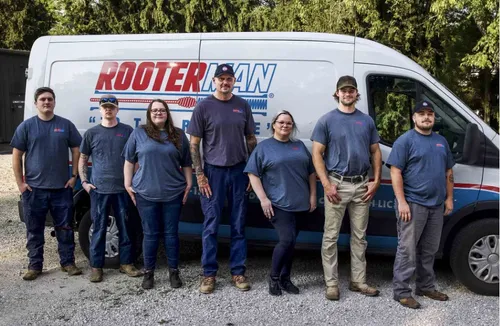
Rooter Man
195 Potomac Ave Unit B, Tallmadge, OH 44278
Rooter Man is a family-owned plumbing company serving Akron, OH, and the surrounding areas. They provide a wide range of plumbing services including grease trap cleaning, septic pumping, drain cleaning, leak repairs, water heater installation and repair, and sewer line services. With over 50 years of experience, Rooter Man offers specialized capabilities such as hydro jetting and video pipe inspections to address complex plumbing issues. The company operates seven days a week and is committed to delivering reliable solutions with transparent pricing.
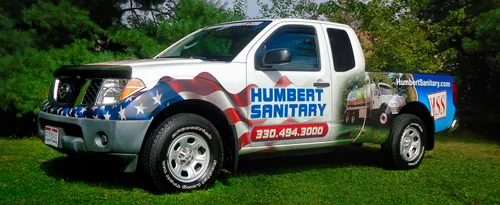
Humbert Septic Tank Cleaning
1581 Applegrove St NW, North Canton, OH 44720
Humbert Septic Tank Cleaning provides a full range of septic tank and sewer line cleaning and repair services in Akron, OH. Their offerings include septic tank cleaning, grease trap cleaning, sewer line flushing, aeration inspections, and maintenance for wastewater treatment plants and lift stations. They also handle car wash pit cleaning and oil separator tank cleaning, covering various sanitation needs with specialized capabilities.
Understanding Ohio's Regulatory Framework
Grease trap maintenance in Ohio is governed by a combination of state-level guidelines and stringent local ordinances. The Ohio Administrative Code provides a foundation, particularly Rule 3717-1-05.3, which addresses sanitation and equipment 1. However, the most specific and enforceable rules come from your local health department and the municipal wastewater treatment plant (WWTP) that services your business. These entities are empowered to set cleaning frequencies, documentation requirements, and penalties for non-compliance to prevent FOG from entering and clogging public sewers.
The core principle across jurisdictions is preventive maintenance. Allowing grease to accumulate and harden in pipes leads to costly blockages, sewer backups, and potential fines. Regulations are designed to ensure FOG is captured at the source-your grease trap or interceptor-and properly disposed of by licensed professionals.
Key Cleaning Requirements and Frequencies
The most common regulatory benchmark in Ohio is the "25% rule." This standard requires that grease interceptors be cleaned when the combined volume of FOG and settled solids reaches 25% of the trap's liquid capacity 2. Many localities pair this with a mandated maximum time interval, making compliance a matter of whichever condition occurs first.
- Typical Frequency: A quarterly (every three months) cleaning schedule is a widespread requirement, often tied to calendar quarters.
- Stricter Local Rules: Some cities enforce more frequent service. For example, ordinances may require monthly cleaning for high-volume establishments or under specific conditions 3 4. It is imperative to check with your local authorities for the exact rule that applies to your address.
- Documentation and Reporting: Simply cleaning the trap is not enough. Most jurisdictions require detailed record-keeping. After a service, you may need to submit a maintenance log, waste hauler manifest, or a specific reporting form to your local health department or WWTP within a set number of business days. Keeping these records on-site for inspection is a standard expectation.
Proper Disposal and Permitting
Removing the grease is only half the battle; its final destination is closely regulated. Ohio law mandates that all collected FOG and solids must be disposed of off-site by a licensed hauler in compliance with state and federal environmental laws.
- Illegal Practices: It is illegal to discharge grease trap waste into storm sewers, sanitary sewers, or onto the ground. Food waste disposals (garbage disposals) should also not discharge into a grease trap, as they can overwhelm the system with solids 5.
- Potential Permits: While routine trap cleaning and hauling typically fall under standard waste management, if your business model involves processing, recycling, or reusing the collected grease (e.g., for biodiesel production), you may need to obtain a permit from the Ohio Environmental Protection Agency (EPA) 6.
Costs of Service and Non-Compliance
Investing in regular grease trap maintenance is far more economical than facing the consequences of neglect. Service costs are not fixed and depend on several variables.
Service Cost Factors:
- Trap Type and Size: A small indoor grease trap under a sink is less expensive to service ($115-$475) than a large, buried outdoor grease interceptor ($325-$1,040 or more per pump-out) 7 8.
- Accessibility: Easily accessible traps cost less. Those requiring special equipment or significant labor to access will increase the price.
- Geographic Location: Prices can vary between urban, suburban, and rural areas in Ohio.
- Service Frequency: Contracting for a regular maintenance schedule can sometimes reduce per-service costs compared to emergency calls.
Consequences of Non-Compliance: Failing to adhere to local grease control ordinances can result in severe penalties, including:
- Substantial Fines: Citations can range from hundreds to thousands of dollars per violation. Some municipal codes stipulate fines exceeding $2,000 for non-compliance 9.
- Cleanup and Administrative Fees: If a blockage occurs, you may be liable for the cost of municipal cleanup, additional inspections, and administrative fees.
- Operational Disruption: In severe cases, health departments can issue orders that disrupt business operations until the issue is resolved.
- Sewer Backups: The most direct consequence is a backup in your own facility, leading to property damage, health hazards, and lost revenue.
Find the perfect grease trap cleaning companies for your needs
Get personalized recommendations and expert advice
Best Practices for Effective FOG Management
Proactive management reduces the burden on your grease trap, lowers maintenance costs, and minimizes compliance risk.
- Scrape, Don't Rinse: Implement a strict policy of scraping all food scraps and solids into compost or trash bins before washing dishes. This is the single most effective way to reduce trap loading.
- Dry Wiping: Train kitchen staff to use paper towels or scrapers to remove grease from pots, pans, and griddles before they enter the sink.
- Staff Training: Regularly educate all employees on what should and should not go down the drain (e.g., no cooking oils, dairy, or food scraps).
- Monitor for Warning Signs: Be alert to early signs of a full trap, such as slow-draining sinks, gurgling sounds from drains, or foul odors emanating from floor drains. Address these immediately.
- Maintain Records Diligently: Keep a dedicated binder or digital file for all grease trap service reports, manifests, and inspection documents. This proves compliance during health inspections 10.
Choosing a Service Provider in Ohio
When selecting a company for grease trap cleaning, look for licensed, insured, and reputable professionals. They should provide detailed service reports that include the date, volume of waste removed, hauling manifest numbers, and the destination of the waste for proper disposal. A reliable provider will also be knowledgeable about the specific reporting requirements of your local jurisdiction in Ohio.
Frequently asked questions
Sources
Footnotes
-
Rule 3717-1-05.3 - Ohio Administrative Code - https://codes.ohio.gov/ohio-administrative-code/rule-3717-1-05.3 ↩
-
Grease Trap Cleaning Guide: 25% Rule, Schedule & Compliance - https://greaseconnections.com/how-to-clean-a-grease-trap-and-how-often-you-should/ ↩
-
922.13 GREASE TRAP REQUIREMENTS. - https://codelibrary.amlegal.com/codes/auroraoh/latest/aurora_oh/0-0-0-40406 ↩
-
913.06 REQUIREMENTS FOR GREASE INTERCEPTORS. - https://codelibrary.amlegal.com/codes/northolmsted/latest/northolmsted_oh/0-0-0-18110 ↩
-
922.03 FOG DISCHARGE REQUIREMENT. - https://codelibrary.amlegal.com/codes/auroraoh/latest/aurora_oh/0-0-0-40331 ↩
-
Restaurant Grease: Know Your Environmental Regulations - https://ccchd.com/wp-content/uploads/2025/06/FOG-restaurant.pdf ↩
-
Grease Trap Cleaning in Columbus, OH - https://oprecycling.com/grease-trap-cleaning/ ↩
-
Grease Trap Pumping Cost vs. Grease Trap Maintenance Cost - https://www.stateindustrial.com/video/cost-comparison-pumping-v-chemicals-to-maintain-a-grease-trap/ ↩
-
724.06 REQUIREMENTS FOR GREASE INTERCEPTORS. - https://codelibrary.amlegal.com/codes/sevenhills/latest/sevenhills_oh/0-0-0-16504 ↩
-
Restaurant Grease Trap Cleaning FAQs - Mahoney Environmental - https://www.mahoneyes.com/restaurant-grease-trap-cleaning-faqs/ ↩