Find the Best Grease Trap Cleaning Companies for Your Business
No obligation • Fast responses • Nationwide coverage

Why you can trust Restaurant Waste Disposal
Restaurant Waste Disposal is a leading U.S. resource for comparing restaurant composting, food-waste recycling, grease trap cleaning, and used cooking oil collection services. Our editorial team researches providers, checks credentials, and organizes unbiased information so operators can make informed decisions. Companies cannot pay to change ratings or placement.
Search providers near you
Top Grease Trap Cleaning Companies in Yonkers, New York Ranked
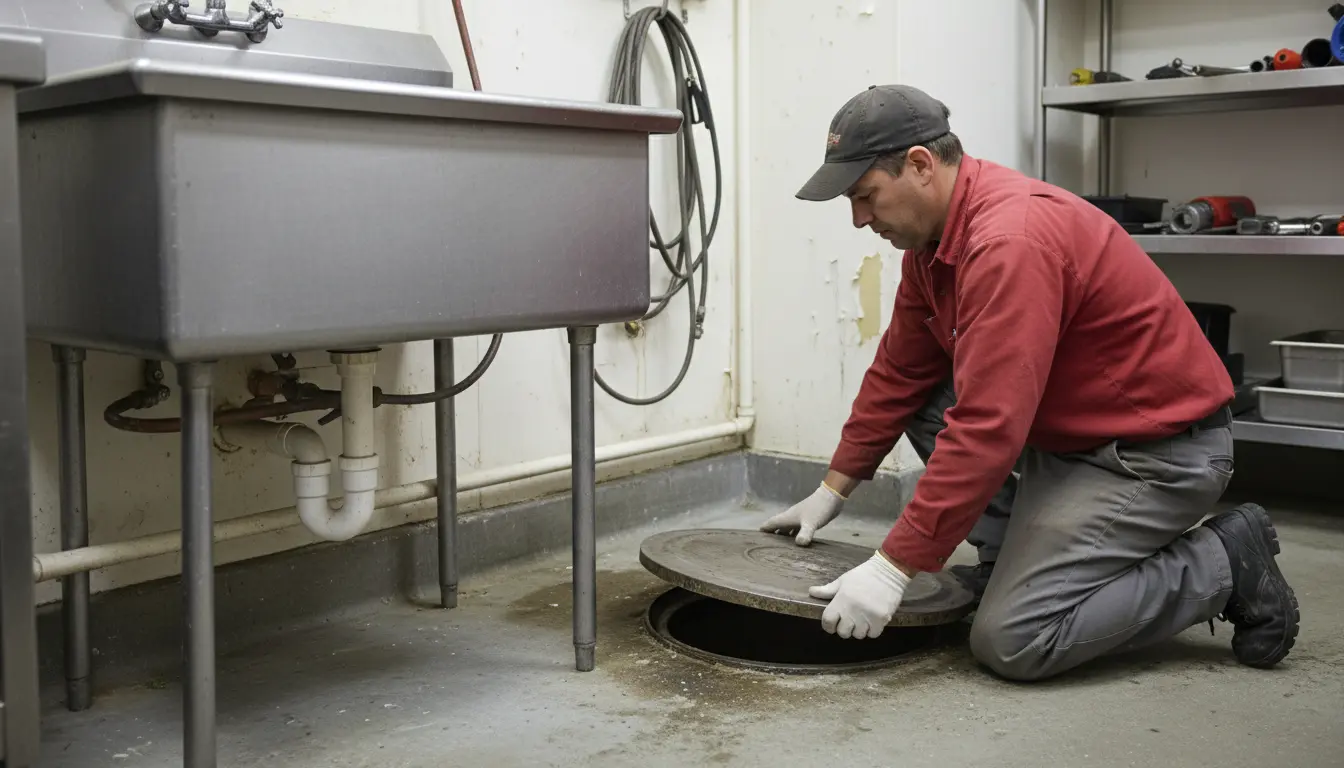
For any restaurant, cafeteria, or food service establishment in Yonkers, managing fats, oils, and grease (FOG) is a critical operational and legal requirement. Proper grease interceptor maintenance is not just about avoiding unpleasant odors or slow drains; it's a mandated part of protecting the city's sewer infrastructure and ensuring your business remains in compliance with strict state and local codes. Yonkers operates under regulations like New York State Part 1229, which sets clear standards for the installation, servicing, and inspection of grease traps to prevent costly and hazardous sewer blockages. This guide outlines what Yonkers food service operators need to know about maintaining compliance, scheduling service, managing costs, and implementing best practices for grease trap and interceptor care.
PowerFlo Sewer Service
2277 Victory Blvd, Staten Island, NY 10314
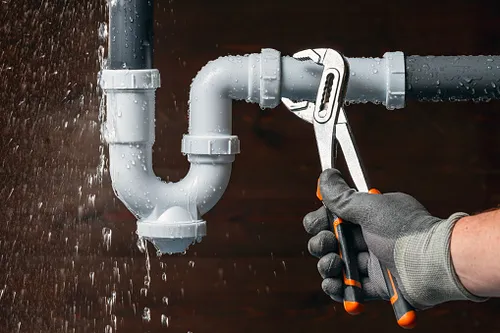
PowerFlo Sewer Service is a sewer and drain cleaning company serving New York, NY. They provide a range of services including grease trap cleaning, water jet cleaning, camera inspection, vacuum pumping, and flood control for residential, commercial, and condominium customers. The company emphasizes respect and care for customers' properties and employs experienced technicians to handle both simple and complex drainage problems. PowerFlo Sewer Service is known for leaving no mess behind and maintaining clear communication throughout the service process.
Envirogreen Solutions
New York, NY
Envirogreen Solutions provides grease trap cleaning and used cooking oil collection services in New York, NY, including the five boroughs and Nassau County. They help commercial kitchens comply with local environmental regulations by responsibly removing and recycling cooking oil and grease trap waste. Envirogreen is fully licensed and insured, offering compliance paperwork and stickers upon service completion. Their capabilities include grease trap cleaning, cooking oil recycling, and emergency grease trap waste collection. The company is known for maintaining grease traps to keep them flowing properly and offers prompt emergency services when needed.
Viper Jet Drain Services
5-02 Banta Pl, Fair Lawn, NJ 07410
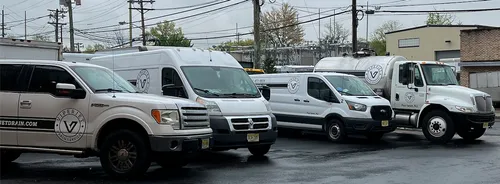
Viper Jet Drain Services provides drain, septic, and grease trap cleaning services in New York, NY, and New Jersey. They serve residential, commercial, and municipal clients with solutions ranging from household drain cleaning to large-scale sewer and stormwater management. Their licensed and insured technicians use advanced equipment such as hydro jetting and camera inspections to deliver reliable results. The family-owned company emphasizes expertise and customer care, offering emergency services and professional maintenance for grease traps and septic systems.
Zoom Drain
152 Stevens Ave, Jersey City, NJ 07305
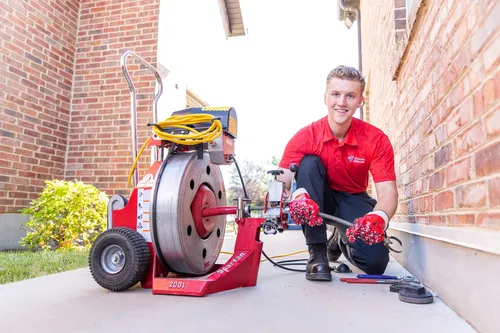
Zoom Drain is a drain and sewer cleaning company serving New York, NY, and the surrounding North Jersey area. They provide services for residential and commercial properties, including grease trap maintenance and sewer cleaning. The company uses advanced equipment such as PowerSnake, Zoom Jetting®, and video inspection to address clogs, root invasions, and other drain issues efficiently. Zoom Drain also offers specialized solutions like Zoom Drain Bio™ to dissolve common drain blockages. Their team is known for knowledgeable technicians and tailored maintenance plans to meet diverse customer needs.
Green Oil Recycling
317 Liberty Ave, Brooklyn, NY 11207
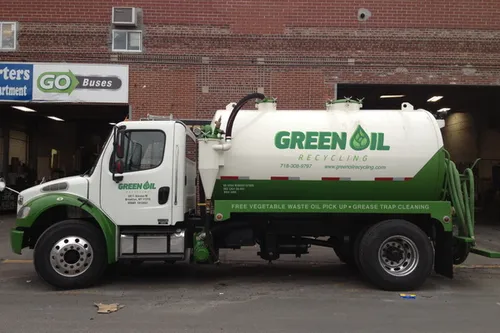
Green Oil Recycling provides professional grease trap cleaning and used cooking oil collection services in New York, NY. They specialize in maintaining commercial kitchen grease traps, including passive hydro mechanical, large pre-cast concrete gravity traps, and auto-grease removal systems like Big Dipper. Their trained technicians thoroughly clean traps, scrape walls, and use bio-safe chemicals to break down waste oil, helping kitchens stay odorless and compliant with local regulations. Green Oil Recycling serves New York City, New Jersey, and Nassau County, ensuring all waste oil disposal meets BIC, DEC, and EPA standards. They also inspect gaskets and fittings to prevent violations and hazards, working closely with Done Right Hood & Fire Safety for comprehensive grease trap and kitchen exhaust maintenance.
Understanding Yonkers and New York State Regulations
Compliance begins with understanding the rules. New York State, including Yonkers, has implemented specific regulations to control the discharge of FOG into the public sewer system. The primary goal is to prevent sanitary sewer overflows, which can lead to environmental damage, public health risks, and expensive municipal clean-up efforts.
- Mandatory Maintenance: Regulations mandate regular servicing by a licensed provider. You cannot simply ignore your grease interceptor until it overflows. The law requires a proactive, scheduled maintenance plan.
- Inspections and Enforcement: Inspectors from the Yonkers Department of Public Works and health officials can check your establishment for compliance. They will verify proper grease trap sizing, review cleaning logs and documentation from your service provider, and ensure the frequency of service is adequate for your volume. Non-compliance can result in significant fines, mandatory retrofits of your plumbing system, suspension of permits, or even business closure in severe, repeat cases 1.
- Beyond the Sewer: The Fire Department of New York (FDNY) can also take an interest. Significant grease accumulation in sewer lines can become a fire hazard, leading to potential citations from fire safety inspectors 2.
Determining Your Service Frequency
How often you need grease trap pumping is not a one-size-fits-all schedule. It depends primarily on the volume of FOG your kitchen produces. Following general guidelines can help you stay ahead of problems and in line with inspector expectations.
- The 25% Rule: A widely recommended best practice is to inspect your trap weekly and schedule a professional cleaning when the FOG and solids accumulation reaches 25% of the trap's total liquid capacity. This buffer ensures the trap functions efficiently and gives you time to schedule routine service, not emergency service 3 4.
- Volume-Based Guidelines: Service providers often recommend frequencies based on kitchen output:
- High-Volume Establishments: Busy restaurants, large cafeterias, or facilities with significant frying operations may require service every 15 to 30 days.
- Medium-Volume Establishments: Typical full-service restaurants might need cleaning every 30 to 60 days.
- Lower-Volume Establishments: Smaller cafes or lower-output kitchens may be on a 60 to 90-day schedule.
- Documentation is Key: Your licensed service provider should supply detailed documentation after each cleaning, including the date, volume of waste removed, and the condition of the trap. Maintaining these records is essential for proving compliance during an inspection 5 6.
Cost Factors for Grease Interceptor Service
The cost of grease trap maintenance in Yonkers varies based on several factors. Understanding these can help you budget effectively and avoid unexpected expenses.
- Routine Pumping Service: For a standard, scheduled cleaning of an indoor grease trap in good condition, costs typically range from $200 to $500 or more per service 7. Smaller units or those covered by a regular service contract may be on the lower end of this scale 8 9.
- What Influences Price:
- Size and Type: Larger traps and exterior grease interceptors require more labor and equipment.
- Location: An easily accessible indoor trap is less costly to service than one in a tight basement or a buried outdoor interceptor.
- Accumulation Level: A trap cleaned on schedule is quicker to service than one that is severely clogged or overdue.
- Service Contract: Many providers offer discounted rates for customers who commit to a regular, scheduled maintenance plan.
- Emergency Service Costs: If you miss a scheduled cleaning and experience a backup, or if an inspector mandates immediate service, emergency call-outs are significantly more expensive. Urgent, off-schedule cleanings can cost $800 to $1,200 or more due to priority dispatch and the potential for more complex work 10 11.
Find the perfect grease trap cleaning companies for your needs
Get personalized recommendations and expert advice
Best Practices for Kitchen Staff
Professional cleaning is only one part of the equation. Daily habits in your kitchen have a massive impact on your grease trap's performance and longevity.
- Scrape, Don't Rinse: All kitchen staff should be trained to scrape food scraps, grease, and oil residue from pots, pans, and plates into a compost or trash bin before rinsing. This simple step dramatically reduces the solid load entering the trap.
- No Grease Down the Drain: Never pour used cooking oil, melted fat, or greasy liquids down any drain. These should be collected in dedicated containers for proper recycling or disposal by your service provider 12.
- Be Wary of Dishwashers and Disposals: High-temperature dishwashers and powerful garbage disposals can emulsify fats and grease, allowing them to pass through the trap in liquid form only to solidify later in the cooler sewer lines. Use them judiciously.
- Ensure Proper Sizing: If you are opening a new establishment or renovating your kitchen, work with a professional to ensure your grease interceptor is correctly sized for your projected FOG output. An undersized trap will fail no matter how well you maintain it 13.
The Role of Licensed Service Providers
Choosing the right partner for grease trap cleaning is crucial. You must use a licensed and insured service provider. A reputable company does more than just pump out the waste; they are your partner in compliance.
- Licensing and Insurance: Verify that the company holds the necessary local and state licenses to handle and transport food service waste. They should also carry adequate liability insurance.
- Detailed Documentation: As mentioned, they must provide you with a detailed service report after each visit. This is your proof of compliance.
- Expert Advice: A good provider will offer insights into your trap's condition, advise on optimal service frequency based on what they remove, and alert you to potential issues like cracks, baffle problems, or improper sizing.
By integrating these regulatory guidelines, cost considerations, and daily best practices, Yonkers food service businesses can effectively manage their grease interceptors. This proactive approach minimizes the risk of disruptive and expensive emergencies, ensures smooth operations, and keeps your establishment in full compliance with all health and environmental codes.
Frequently asked questions
Sources
Footnotes
-
Grease Trap Cleaning Service NYC - Bio Energy Development - https://bioenergy.nyc/services/grease-trap-cleaning ↩
-
Grease Trap Regulations and Compliance: What You Need to Know - https://www.texwaywastewater.com/grease-trap-regulations-and-compliance/ ↩
-
New York Grease Trap Rules - United Sewer and Septic - https://www.unitedsewerservice.com/regulations-for-grease-trap-maintenance-in-new-york/ ↩
-
How to Clean a Grease Trap (and How Often You Should) - https://greaseconnections.com/how-to-clean-a-grease-trap-and-how-often-you-should/ ↩
-
Grease Trap Maintenance Services Schedule in New York City - https://greasesharks.com/services/grease-trap-maintenance/ ↩
-
TEXT OF RULE 1. Section 1219.1 of Part 1219 of Title 19 of the ... - https://dos.ny.gov/system/files/documents/2022/03/2022-2-25-text-of-rule-part-1229-grease-interceptors-final_0.pdf ↩
-
How Much Does a Proper Grease Trap Cleaning Cost? - https://hulseyenvironmental.com/how-much-does-a-proper-grease-trap-cleaning-partner-cost/ ↩
-
Grease Traps for Restaurants: The Essential Guide - https://therestaurantwarehouse.com/blogs/restaurant-equipment/grease-trap-for-restaurant-guide ↩
-
Grease Trap Cleaning Prices | Guide on the Industry Average - https://grease-cycle.com/grease-trap-pumping-cost/ ↩
-
Ultimate Grease Trap Pumping Cost Guide: Essential Money-Saving ... - https://www.texwaywastewater.com/grease-trap-pumping-cost/ ↩
-
Grease Trap Installation: Exploring the Purpose and Requirements » EB3 Construction - Blog - https://blog.eb3construction.com/construction/food-beverage/grease-trap-installation/ ↩
-
Restaurant Grease Trap Cleaning FAQs - Mahoney Environmental - https://www.mahoneyes.com/restaurant-grease-trap-cleaning-faqs/ ↩
-
Grease Trap Sizing in NYC & NJ: What Many Kitchens Get Wrong - https://filtakleenco.com/grease-trap-sizing/ ↩