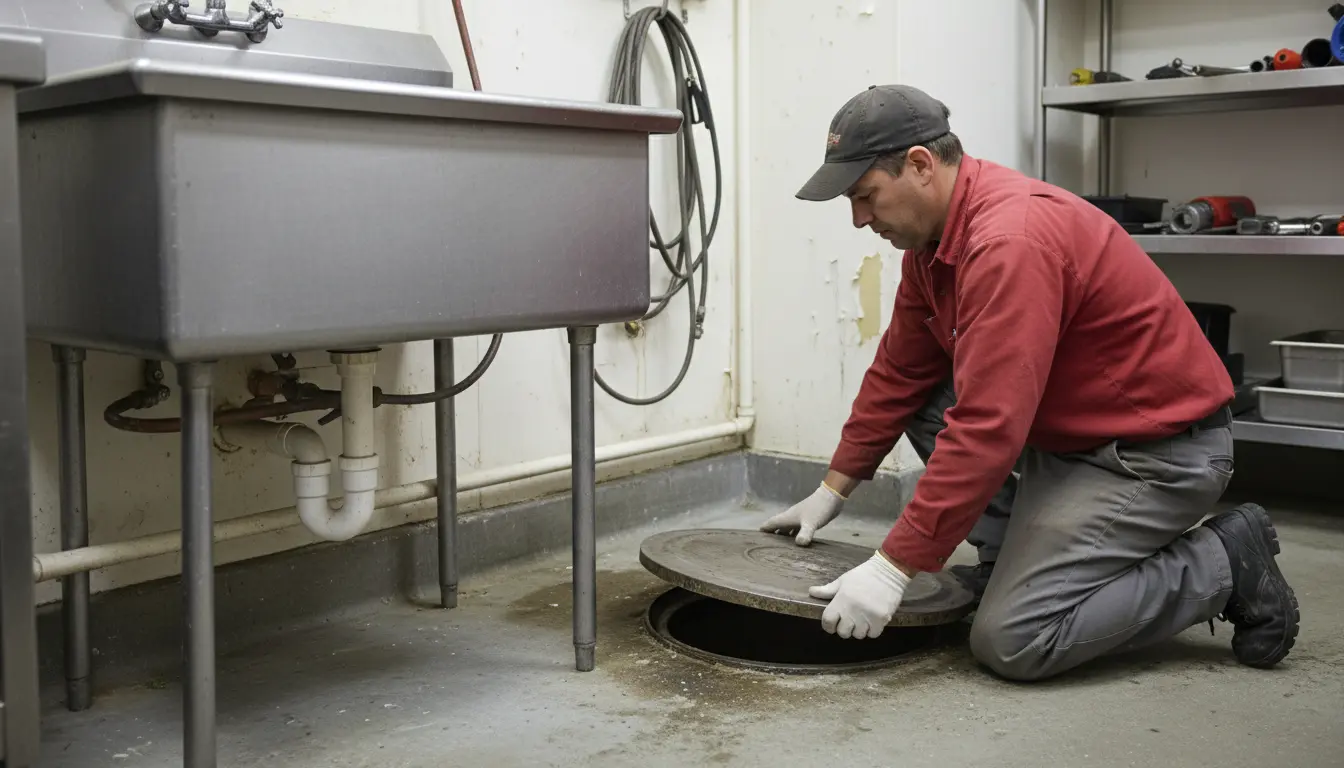
Find the Best Grease Trap Cleaning Companies for Your Business
No obligation • Fast responses • Nationwide coverage

Why you can trust Restaurant Waste Disposal
Restaurant Waste Disposal is a leading U.S. resource for comparing restaurant composting, food-waste recycling, grease trap cleaning, and used cooking oil collection services. Our editorial team researches providers, checks credentials, and organizes unbiased information so operators can make informed decisions. Companies cannot pay to change ratings or placement.
Search providers near you
Best Grease Trap Cleaning Companies in New York Ranked
For any food service establishment in New York, particularly in New York City, managing fats, oils, and grease (FOG) is a critical operational and legal requirement. Proper grease trap cleaning and maintenance is not just about preventing clogs and foul odors; it's a mandated practice to protect the municipal sewer system from blockages that can cause costly and damaging overflows. The New York City Department of Environmental Protection (DEP) enforces strict rules, and non-compliance can result in severe penalties, including substantial fines. A proactive, scheduled maintenance plan with a licensed professional is the most effective way to ensure your kitchen runs smoothly and stays within regulatory guidelines.
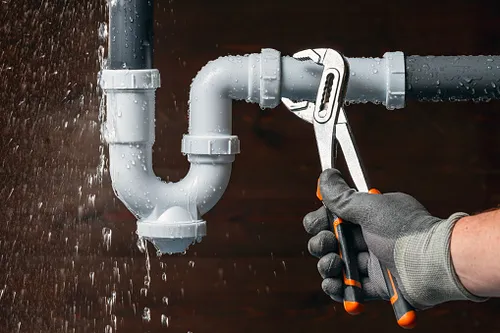
PowerFlo Sewer Service
2277 Victory Blvd, Staten Island, NY 10314
PowerFlo Sewer Service is a sewer and drain cleaning company serving New York, NY. They provide a range of services including grease trap cleaning, water jet cleaning, camera inspection, vacuum pumping, and flood control for residential, commercial, and condominium customers. The company emphasizes respect and care for customers' properties and employs experienced technicians to handle both simple and complex drainage problems. PowerFlo Sewer Service is known for leaving no mess behind and maintaining clear communication throughout the service process.
Envirogreen Solutions
New York, NY
Envirogreen Solutions provides grease trap cleaning and used cooking oil collection services in New York, NY, including the five boroughs and Nassau County. They help commercial kitchens comply with local environmental regulations by responsibly removing and recycling cooking oil and grease trap waste. Envirogreen is fully licensed and insured, offering compliance paperwork and stickers upon service completion. Their capabilities include grease trap cleaning, cooking oil recycling, and emergency grease trap waste collection. The company is known for maintaining grease traps to keep them flowing properly and offers prompt emergency services when needed.
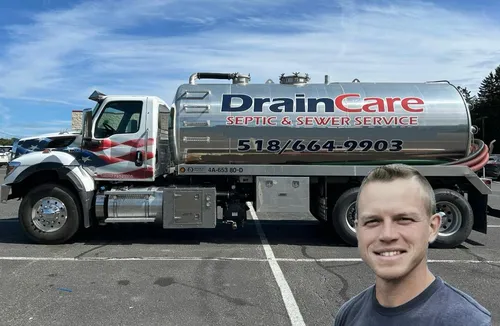
Drain Care Septic & Sewer Service LLC
2087 NY-7, Troy, NY 12180
Drain Care Septic & Sewer Service LLC provides septic and sewer system services in Troy, NY, and the Greater Capital District. The company offers a range of services including septic and grease trap cleaning, drain cleaning with high-pressure water jetting, septic installations and repairs, camera inspections, and real estate septic inspections. With over 20 years of experience, this locally and family-owned business uses advanced technology to diagnose and resolve issues efficiently. They also provide emergency same-day services to address urgent septic and sewer problems.
Viper Jet Drain Services
5-02 Banta Pl, Fair Lawn, NJ 07410
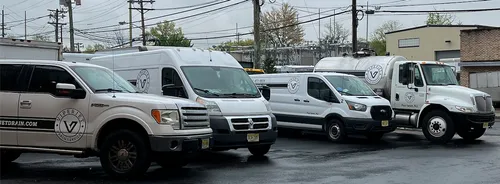
Viper Jet Drain Services provides drain, septic, and grease trap cleaning services in New York, NY, and New Jersey. They serve residential, commercial, and municipal clients with solutions ranging from household drain cleaning to large-scale sewer and stormwater management. Their licensed and insured technicians use advanced equipment such as hydro jetting and camera inspections to deliver reliable results. The family-owned company emphasizes expertise and customer care, offering emergency services and professional maintenance for grease traps and septic systems.
Loeffels Waste Oil Services
43 Layton Ln, Sparta, NJ 07871
Loeffels Waste Oil Services is a family-owned company based near New York, NY, specializing in used cooking oil collection and grease trap cleaning. They serve commercial clients with reliable waste oil removal and grease trap maintenance, including emergency pump-out services. With over ninety years of experience, Loeffels Waste Oil Services emphasizes safety and efficiency in their operations.
Understanding New York's Grease Trap Regulations
New York, and NYC in particular, has some of the most stringent grease management regulations in the country. The rules are designed to prevent sewer backups and environmental harm, placing clear responsibilities on business owners.
Mandatory Installation and Maintenance: All food service establishments (FSEs) are required to install, operate, and maintain grease interceptors or traps 1. The size and type of interceptor depend on your kitchen's volume and plumbing configuration, but having an effective system is not optional.
The 25% Rule: The core cleaning requirement is straightforward: traps must be cleaned when the combined accumulation of grease and solids reaches 25% of the unit's liquid capacity2 3. For many establishments, this translates to a minimum quarterly cleaning schedule. However, this is a minimum standard. High-volume kitchens, such as busy diners, pizzerias, or large restaurants, will almost certainly require more frequent service-often monthly or even bi-weekly-to stay compliant and functional2 3.
The Critical Importance of Record Keeping
One of the most overlooked yet vital aspects of compliance is documentation. New York City DEP regulations require businesses to maintain detailed maintenance records for a minimum of five years. These records must be available for inspection at any time and should include:
- The date of each service.
- The volume of grease and solids removed.
- The name and license information of the hauler or service company.
- The disposal method and destination for the collected waste.
Failure to produce these records during an inspection can be considered a violation on its own. Meticulous logs are your first line of defense in proving due diligence.
Prohibited Practices and Proper Disposal
To effectively manage grease, it's just as important to know what not to do.
No Enzymes or Emulsifiers: The use of enzymes, chemicals, or emulsifiers that liquefy grease is explicitly banned 4. While these products might make grease appear to disappear from the trap, they simply pass it down the sewer line where it cools, solidifies, and creates blockages in the city's pipes. DEP inspectors can test for these additives, and their use is a clear violation.
Licensed Haulers for Yellow Grease: Waste cooking oil, often called "yellow grease," must be collected by a licensed NYC hauler 5. You are required to keep proof of this collection on-site with your other maintenance records. This ensures the grease is properly recycled or disposed of, not illegally dumped.
Consequences of Non-Compliance
Ignoring grease trap maintenance is a high-risk strategy. The consequences extend far beyond a simple clogged drain in your kitchen.
Substantial Fines: Violations for improper grease management can lead to fines amounting to thousands of dollars. These fines are levied for failures like overdue cleaning, missing records, using prohibited additives, or causing a sewer backup.
Operational Disruption: A severely neglected trap can lead to a complete kitchen shutdown. Backups can halt service, require emergency plumbing, and create unsanitary conditions, leading to lost revenue and customer trust.
Legal and Permit Issues: In severe or repeat cases, regulatory action can escalate beyond fines to include legal summonses or challenges to your business permits 6. For larger facilities, specific wastewater permits may be required, with their own set of compliance hurdles.
Find the perfect grease trap cleaning companies for your needs
Get personalized recommendations and expert advice
Understanding Service Costs and Scheduling
Investing in regular maintenance is significantly more cost-effective than dealing with emergencies and fines. Service costs in New York vary based on several factors.
Standard Pump-Out Costs: For a scheduled cleaning of a standard-sized grease trap, restaurants can expect to pay between $250 and $500+ per service7. The final price depends on the trap's size and location (indoor vs. outdoor), the volume of waste, and your location within the state.
Emergency Service Premiums: If you wait until a backup occurs, you enter the realm of emergency service, which can cost $800 to $1,200 or more for a single call-out8 9. This premium is for the immediate response, more intensive labor, and the additional equipment often needed to clear a severe blockage.
The Value of a Schedule: The most prudent financial approach is to establish a proactive pumping schedule with a licensed provider. They can assess your specific operation and recommend a frequency-whether monthly, quarterly, or otherwise-that keeps you compliant and avoids the surprise of both emergencies and regulatory penalties 10.
Choosing a Licensed Service Provider in New York
Not all cleaning services are equal. Given the regulatory environment, selecting the right partner is crucial.
- Verify Licensing: Always confirm that the service provider holds the necessary local and state licenses for grease waste hauling. A reputable company will readily provide this information.
- Check for Proper Disposal: Ensure they dispose of collected grease and solids at approved facilities and can provide you with the documentation (waste manifests) required for your records.
- Review Service Scope: A thorough service should include a complete pump-out of all contents (grease, solids, and water), a visual inspection of the trap and its components, and a basic cleaning of the interior surfaces.
- Ask About Reporting: The provider should furnish you with a detailed service report after each visit, noting the date, volumes removed, and any observations about the trap's condition. This document is essential for your compliance file.
By partnering with a knowledgeable, licensed professional, you transform grease trap maintenance from a regulatory headache into a streamlined part of your kitchen's operational routine, safeguarding your business, your budget, and the local environment.
Frequently asked questions
Sources
Footnotes
-
New York Grease Trap Rules - United Sewer and Septic - https://www.unitedsewerservice.com/regulations-for-grease-trap-maintenance-in-new-york/ ↩
-
Complete Grease Trap Maintenance For Staten Island Facilities - https://www.myshyft.com/blog/grease-trap-cleaning-staten-island-new-york/ ↩ ↩2
-
From Title 15 of the Rules of the City of New York - NYC.gov - https://www.nyc.gov/assets/dep/downloads/pdf/water/wastewater/safe-disposal-harmful-products/best-management-practices-non-residential-direct-indirect-discharges-grease-public-sewer-system.pdf ↩ ↩2
-
Grease Trap Regulations and Compliance: What You Need to ... - https://www.texwaywastewater.com/grease-trap-regulations-and-compliance/ ↩
-
Disposing of Grease as a Business - DEP - https://www.nyc.gov/site/dep/water/disposing-of-grease-as-a-business.page ↩
-
How Often Should You Schedule Hood Cleaning in NYC? - https://www.unitedairductcleaning.com/how-often-should-you-schedule-hood-cleaning-in-nyc/ ↩
-
Grease Trap Sizing in NYC & NJ: What Many Kitchens Get Wrong - https://filtakleenco.com/grease-trap-sizing/ ↩
-
Ultimate Grease Trap Pumping Cost Guide: Essential Money-Saving ... - https://www.texwaywastewater.com/grease-trap-pumping-cost/ ↩
-
Grease Trap Cleaning Prices | Guide on the Industry Average - https://grease-cycle.com/grease-trap-pumping-cost/ ↩
-
Grease Trap Pumping Cost vs. Grease Trap Maintenance Cost - https://www.stateindustrial.com/video/cost-comparison-pumping-v-chemicals-to-maintain-a-grease-trap/ ↩