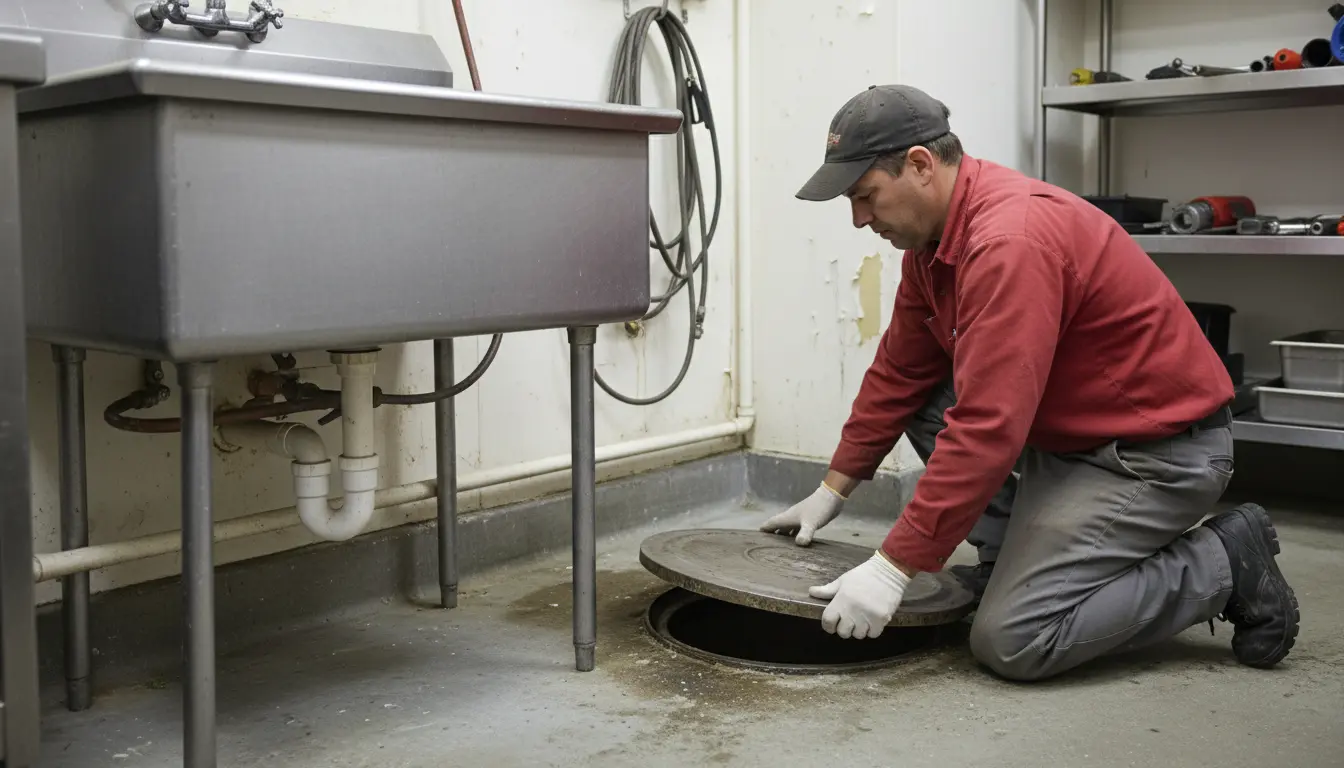
Find the Best Grease Trap Cleaning Companies for Your Business
No obligation • Fast responses • Nationwide coverage

Why you can trust Restaurant Waste Disposal
Restaurant Waste Disposal is a leading U.S. resource for comparing restaurant composting, food-waste recycling, grease trap cleaning, and used cooking oil collection services. Our editorial team researches providers, checks credentials, and organizes unbiased information so operators can make informed decisions. Companies cannot pay to change ratings or placement.
Search providers near you
Top Grease Trap Cleaning Companies in New York, New York Ranked
For any restaurant, deli, or commercial kitchen in New York City, managing fats, oils, and grease (FOG) isn't just a maintenance task-it's a critical legal requirement. The city's dense infrastructure and aging sewer system are highly vulnerable to blockages caused by improperly disposed grease, making compliance with New York City Department of Environmental Protection (DEP) regulations non-negotiable. Effective grease interceptor maintenance prevents costly sewer backups, protects your business from significant fines, and is a key component of passing routine health inspections. This guide outlines what you need to know about keeping your kitchen compliant and your operations running smoothly in the five boroughs.
PowerFlo Sewer Service
2277 Victory Blvd, Staten Island, NY 10314
PowerFlo Sewer Service is a sewer and drain cleaning company serving New York, NY. They provide a range of services including grease trap cleaning, water jet cleaning, camera inspection, vacuum pumping, and flood control for residential, commercial, and condominium customers. The company emphasizes respect and care for customers' properties and employs experienced technicians to handle both simple and complex drainage problems. PowerFlo Sewer Service is known for leaving no mess behind and maintaining clear communication throughout the service process.
Envirogreen Solutions
New York, NY
Envirogreen Solutions provides grease trap cleaning and used cooking oil collection services in New York, NY, including the five boroughs and Nassau County. They help commercial kitchens comply with local environmental regulations by responsibly removing and recycling cooking oil and grease trap waste. Envirogreen is fully licensed and insured, offering compliance paperwork and stickers upon service completion. Their capabilities include grease trap cleaning, cooking oil recycling, and emergency grease trap waste collection. The company is known for maintaining grease traps to keep them flowing properly and offers prompt emergency services when needed.
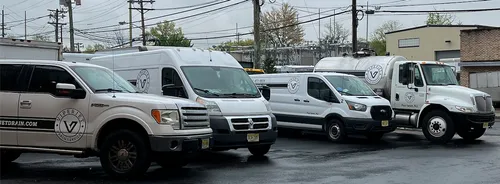
Viper Jet Drain Services
5-02 Banta Pl, Fair Lawn, NJ 07410
Viper Jet Drain Services provides drain, septic, and grease trap cleaning services in New York, NY, and New Jersey. They serve residential, commercial, and municipal clients with solutions ranging from household drain cleaning to large-scale sewer and stormwater management. Their licensed and insured technicians use advanced equipment such as hydro jetting and camera inspections to deliver reliable results. The family-owned company emphasizes expertise and customer care, offering emergency services and professional maintenance for grease traps and septic systems.
Loeffels Waste Oil Services
43 Layton Ln, Sparta, NJ 07871
Loeffels Waste Oil Services is a family-owned company based near New York, NY, specializing in used cooking oil collection and grease trap cleaning. They serve commercial clients with reliable waste oil removal and grease trap maintenance, including emergency pump-out services. With over ninety years of experience, Loeffels Waste Oil Services emphasizes safety and efficiency in their operations.
Zoom Drain
152 Stevens Ave, Jersey City, NJ 07305
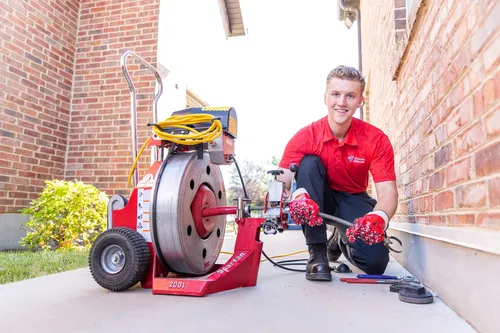
Zoom Drain is a drain and sewer cleaning company serving New York, NY, and the surrounding North Jersey area. They provide services for residential and commercial properties, including grease trap maintenance and sewer cleaning. The company uses advanced equipment such as PowerSnake, Zoom Jetting®, and video inspection to address clogs, root invasions, and other drain issues efficiently. Zoom Drain also offers specialized solutions like Zoom Drain Bio™ to dissolve common drain blockages. Their team is known for knowledgeable technicians and tailored maintenance plans to meet diverse customer needs.
Understanding NYC's Grease Trap Regulations
New York City's rules for grease management are among the strictest in the nation. The core mandate requires that all food service establishments (FSEs) discharging FOG into the sanitary sewer system must install and maintain an approved grease trap or interceptor. The regulations, primarily under NYC DEP rules and the NYC Plumbing Code, are designed to prevent FOG from entering and clogging the municipal sewer lines, which can lead to overflows and serious environmental issues.
Key regulatory points every kitchen manager must understand include:
- Mandatory Installation: If your kitchen produces grease, you are required to have a properly sized and permitted grease interceptor 1.
- Prohibition on Food Waste Disposers: Commercial establishments in NYC are explicitly prohibited from using food waste disposers (garbage disposals) 2. This rule forces grease and solids to be handled at the source, emphasizing the importance of your grease trap.
- Licensed Service Requirement: Installation, cleaning, and maintenance must be performed by licensed NYC plumbers or contractors who are familiar with local codes. Using unlicensed providers can result in improper service and violations.
- Record-Keeping: You must maintain detailed records of all grease interceptor pump-outs, cleanings, and maintenance. These logs should include dates, service provider information, and volumes of waste removed, as inspectors can request them during a visit.
The High Cost of Non-Compliance: Fines and Inspections
Failing to adhere to grease trap maintenance schedules can trigger severe consequences. Regulatory inspections are often prompted by complaints from neighbors or reports of sewer backups in the area. Once an inspector arrives, they will check for proper FOG management, and violations are issued swiftly.
The financial penalties are substantial. Fines for non-compliance can range from $1,000 for minor infractions to over $10,000 per incident for severe or repeat violations 3. In extreme cases, the DEP or the Department of Health can issue violations that lead to the temporary closure of your business until the issue is rectified. Beyond the fine itself, you will also be responsible for the cost of emergency cleaning and any required environmental remediation 4.
Furthermore, your grease trap's condition is a focal point during routine NYC Health Department inspections. A poorly maintained, overflowing, or malfunctioning interceptor is a direct health code violation that can negatively impact your inspection score, creating ongoing scrutiny and potential operational hurdles 5 6.
Scheduling and Cost of Professional Grease Trap Service
Professional grease interceptor cleaning is a scheduled necessity, not an optional expense. The frequency of service depends entirely on your kitchen's volume. High-volume restaurants may require weekly or bi-weekly pump-outs, while smaller cafes might manage on a monthly or quarterly schedule. A reliable service provider will help you determine the optimal frequency based on your trap size and cooking output.
Costs for this essential service vary based on several factors:
- Scheduled Maintenance: For a routine pump-out of a standard-sized trap (e.g., 30-200 gallons), restaurants can expect to pay between $250 and $400 per service 7. This is the most cost-effective path.
- Emergency Service: If you wait until a backup occurs, emergency call-out fees, after-hours service charges, and the complexity of the unclogging job can drive prices to $800 to $1,200 or more per visit 8 9.
- Cost Factors: The final price is influenced by the physical size and gallon capacity of your interceptor, the actual volume of grease and solids to be removed, its accessibility (e.g., indoors, in a tight basement, or under a sidewalk), and your chosen service frequency 10.
Find the perfect grease trap cleaning companies for your needs
Get personalized recommendations and expert advice
Best Practices for Kitchen Staff and Daily Operations
Compliance starts with daily habits in the kitchen. A well-maintained grease interceptor is supported by proactive practices that minimize the FOG load entering the drain.
- Scrape, Don't Rinse: The single most effective practice is to train all staff to thoroughly scrape food scraps, oils, and grease from plates, pots, and pans into a trash or compost bin before the items enter the three-compartment sink or dishwasher 11.
- Use Pre-Screens: Installing inexpensive basket or mesh screens in sink drains can catch solids and reduce the amount of material that reaches the interceptor, extending time between necessary services.
- Avoid "Flushable" Degreasers: Chemical "degreasers" that claim to dissolve grease often just break it into smaller particles that can re-coagulate further down your pipes or in the city sewer, worsening blockages. They do not eliminate the need for physical trap cleaning.
- Post Clear Signage: Place simple, clear signs above prep sinks and dishwashing stations reminding staff of proper scraping procedures. Consistent training and reinforcement are key to building compliant habits.
Choosing a Service Provider in New York City
Selecting the right partner for your FOG management is crucial. Look for a provider with specific experience servicing NYC's unique regulatory environment. They should be fully licensed and insured, and willing to provide detailed service reports for your records. It is also advisable to confirm they dispose of collected grease and wastewater at DEP-approved facilities, as proper end-point disposal is part of your chain of compliance 12.
For a list of authorized waste haulers, you can consult resources like the NYC Business Integrity Commission. A reputable provider will not only perform the pump-out but can also offer advice on optimizing your maintenance schedule and improving kitchen practices to control costs and prevent emergencies.
Frequently asked questions
Sources
Footnotes
-
TEXT OF RULE 1. Section 1219.1 of Part 1219 of Title 19 of the ... - https://dos.ny.gov/system/files/documents/2022/03/2022-2-25-text-of-rule-part-1229-grease-interceptors-final_0.pdf ↩
-
New York Grease Trap Rules - United Sewer and Septic - https://www.unitedsewerservice.com/regulations-for-grease-trap-maintenance-in-new-york/ ↩
-
Grease Trap Installation in NYC: What Restaurant Owners ... - https://greenoilrecycling.net/2025/08/04/grease-trap-installation-in-nyc-what-restaurant-owners-need-to-know-and-how-green-oil-can-help/ ↩
-
Your Guide to Grease Traps Cleaning in New York City - Filta Kleen - https://filtakleenco.com/your-guide-to-grease-traps-cleaning-in-new-york-city/ ↩
-
The Essential Guide to Grease Trap Cleaning for Restaurants ... - https://filtakleenco.com/essential-guide-to-grease-trap-cleaning/ ↩
-
Comprehensive Guide to Restaurant Exhaust Inspections in NYC - https://filtakleenco.com/restaurant-exhaust-inspections-in-nyc/ ↩
-
Grease Trap Cleaning Prices | Guide on the Industry Average - https://grease-cycle.com/grease-trap-pumping-cost/ ↩
-
Grease Trap Sizing in NYC & NJ: What Many Kitchens Get Wrong - https://filtakleenco.com/grease-trap-sizing/ ↩
-
Ultimate Grease Trap Pumping Cost Guide: Essential Money-Saving ... - https://www.texwaywastewater.com/grease-trap-pumping-cost/ ↩
-
The Ultimate Guide to Restaurant Grease Trap Cleaning - https://mokherplumbing.com/ultimate-guide-restaurant-grease-trap-cleaning/ ↩
-
Grease Trap Cleaning - NYCCAG.com - https://nyccag.com/grease-trap-cleaning/ ↩
-
Disposing of Grease as a Business - DEP - https://www.nyc.gov/site/dep/water/disposing-of-grease-as-a-business.page ↩