Find the Best Grease Trap Cleaning Companies for Your Business
No obligation • Fast responses • Nationwide coverage

Why you can trust Restaurant Waste Disposal
Restaurant Waste Disposal is a leading U.S. resource for comparing restaurant composting, food-waste recycling, grease trap cleaning, and used cooking oil collection services. Our editorial team researches providers, checks credentials, and organizes unbiased information so operators can make informed decisions. Companies cannot pay to change ratings or placement.
Search providers near you
Top Grease Trap Cleaning Companies in Buffalo, New York Ranked
For any restaurant or food service establishment in Buffalo, maintaining a properly functioning grease trap is not just a matter of kitchen hygiene-it's a legal requirement critical to protecting the city's sewer infrastructure. Fats, oils, and grease (FOG) from commercial kitchens can solidify in sewer lines, leading to costly blockages, sanitary sewer overflows, and environmental damage. Buffalo's regulations, enforced by the Public Works Department, mandate specific installation, maintenance, and record-keeping protocols for grease interceptors. This guide outlines the essential knowledge for Buffalo restaurant operators, from understanding local compliance rules to selecting a reliable service provider for grease trap pumping and cleaning.
The Grease Police Inc - Certified Kitchen Exhaust Hood Cleaners
34 Dodds Ct, Fort Erie, ON L2A 5Z2, Canada
The Grease Police Inc - Certified Kitchen Exhaust Hood Cleaners provides specialized kitchen exhaust hood cleaning services in Buffalo, NY. They focus on helping commercial kitchens maintain compliance with NFPA 96 Code and Ontario's Fire Code, ensuring proper management of grease buildup in exhaust systems. Their certified team customizes cleaning programs to meet the specific needs of each business, aiming to prevent fire hazards and maintain safety standards.
Roto-Rooter Plumbing & Water Cleanup
2959 Genesee St Ste C, Cheektowaga, NY 14225
Roto-Rooter Plumbing & Water Cleanup is a plumbing and grease trap cleaning company serving Buffalo, NY. They offer comprehensive plumbing services for both residential and commercial customers, including drain cleaning, sewer line repairs, water damage restoration, and emergency plumbing available 24/7 throughout the year. Their commercial capabilities include grease trap repairs and maintenance, hydro-jetting, and installation of industrial plumbing systems. Roto-Rooter has extensive experience and uses advanced diagnostic tools and equipment to address plumbing issues efficiently.
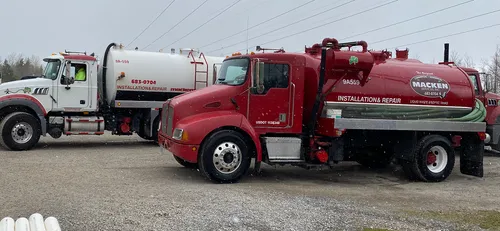
Macken Services, Inc.
Buffalo, NY
Macken Services, Inc. is a family-owned company providing septic system and grease trap services in Buffalo, NY, and surrounding areas. Since 1968, they have offered septic tank installations, maintenance, repairs, and inspections for both residential and commercial customers. Their services include septic tank pumping, vacuuming lines, sand filtration installation, leach field services, and grease trap cleaning. Macken Services focuses on preventative maintenance to help avoid costly septic problems and supports a wide service area across Erie, Wyoming, and Genesee counties.
Understanding Buffalo's Grease Trap Regulations
Buffalo's sewer use ordinances are designed to prevent FOG from entering the public wastewater system. Compliance is not optional; it's a condition of operating your food service business. The city follows model plumbing codes, such as the International Plumbing Code (IPC), which dictate the standards for grease interceptor installation and performance 1. The primary enforcement agency is the Buffalo Public Works Department, specifically its Sewer and Drainage Division, which conducts inspections and issues permits.
Key regulatory pillars include:
- Permitting: You must have a valid permit for your grease trap or interceptor. This often involves submitting plans for approval to ensure the unit is correctly sized for your kitchen's flow rate and volume.
- Proper Installation: Traps must be installed according to code, which specifies location, sizing (based on gallons per minute flow and fixture units), and connection methods.
- Maintenance Logs: You are required to keep detailed, on-site records of every cleaning service. These logs should include the date, the volume of waste removed, and the name of the licensed hauler who performed the work.
Required Maintenance Schedules and Inspection Protocols
How often should you have your grease interceptor serviced? While Buffalo regulations may specify a minimum, the true frequency depends on your kitchen's output. A common industry standard is cleaning when the trap is 25% full of FOG and solids, which typically translates to every 1 to 3 months for most active restaurants 2 3. High-volume establishments may require monthly service.
The cleaning process is more than a simple pump-out. A proper service includes:
- Removing all liquid contents, floating FOG, and settled solids.
- Scraping and cleaning the interior walls and baffles of the trap.
- Inspecting the unit for damage or wear.
- Properly disposing of the waste via a licensed hauler who provides documentation 4.
Buffalo Public Works conducts periodic and often unannounced inspections to ensure compliance. An inspector will check for:
- A visibly clean and properly functioning interceptor.
- Up-to-date maintenance logs.
- Signs of illegal discharge or bypassing of the trap. Failure to meet these standards can result in warnings, substantial fines, and in severe cases, suspension of sewer service.
Costs for Grease Trap Cleaning Services in Buffalo
The price for professional grease interceptor pumping and cleaning in Buffalo varies based primarily on the size and capacity of your unit, as well as your required service frequency. While prices can fluctuate, general estimates are as follows 5 6:
- Small Traps (under 50 gallons): $150 - $300 per service.
- Medium Traps (50 - 100 gallons): $300 - $500+ per service.
- Large or Complex Systems (over 100 gallons or in-ground interceptors): $500+ per service, sometimes priced per cubic foot or gallon pumped.
Many providers offer cost-saving contract options for regular, scheduled maintenance. Investing in consistent service is almost always less expensive than dealing with the fines for violations or the emergency costs of a sewer line blockage caused by neglect.
Find the perfect grease trap cleaning companies for your needs
Get personalized recommendations and expert advice
Choosing a Licensed and Reputable Service Provider
Selecting the right company for your grease interceptor maintenance is a crucial business decision. You must use a licensed FOG hauler authorized to collect and transport this type of waste in New York State. A reputable provider will be fully insured, transparent about pricing, and able to supply all necessary documentation for your compliance logs.
When evaluating services, consider:
- Licensing and Certification: Confirm they hold valid waste hauler licenses.
- Service Documentation: They should provide detailed service reports, including waste volume, date, and destination.
- Reliability and Scheduling: Look for a company known for punctuality and offering flexible scheduling to minimize disruption to your kitchen operations.
- Additional Offerings: Some providers also handle used cooking oil collection, offering a convenient bundled service for kitchen waste management.
Consequences of Non-Compliance
Ignoring grease trap maintenance carries significant risks. Beyond the immediate fines from the city, which can be substantial, chronic non-compliance can lead to:
- Sewer Backups: Blockages can cause sewage to back up into your own establishment or neighboring businesses, leading to massive cleanup costs, health hazards, and potential lawsuits.
- Environmental Penalties: Illegal discharges that reach waterways can result in separate fines from state environmental agencies.
- Operational Shutdown: In severe cases, the city can suspend your sewer service, effectively forcing you to close until the issue is resolved and fines are paid. Proactive maintenance is the only way to mitigate these risks and ensure your restaurant operates smoothly and legally.
Best Practices for Kitchen Staff
Compliance starts with daily practices in the kitchen. Educate your staff on these essential guidelines to reduce the load on your grease interceptor and extend time between services:
- Scrape, Don't Rinse: All dishes, pots, and pans should be thoroughly scraped into a trash bin before washing.
- Use Strainers: Install and maintain sink strainers to catch food solids.
- No Grease Down the Drain: Never pour used fryer oil, pan drippings, or greasy liquids down any drain. Collect all used cooking oil in dedicated containers for proper recycling.
- Dry Wipe First: Wipe greasy cookware with a paper towel before washing. Posting clear, multilingual signage above sinks and prep areas can serve as a constant reminder of these best practices 7.
Frequently asked questions
Sources
Footnotes
-
Grease Traps - UpCodes - https://up.codes/s/grease-traps ↩
-
Restaurant Grease Trap Cleaning FAQs - Mahoney Environmental - https://www.mahoneyes.com/restaurant-grease-trap-cleaning-faqs/ ↩
-
Grease Trap Inspection - InterNACHI® - https://www.nachi.org/grease-trap-inspection.htm ↩
-
HYDROMECHANICAL GREASE INTERCEPTOR (HGI ... - https://www.spokanecounty.gov/DocumentCenter/View/51138/Hydromechanical-Grease-Interceptor-HGI-Maintenance---English?bidId= ↩
-
Commercial Kitchen Grease Trap Guidelines - https://www.bwsc.org/sites/default/files/2019-01/commercial_kitchen_grease_trap_guidelines.pdf ↩
-
Charlotte Grease Trap Cleaning: Essential Facilities Maintenance Guide - myshyft.com - https://www.myshyft.com/blog/grease-trap-cleaning-charlotte-north-carolina/ ↩
-
Grease Trap Cleaning How-To Guide for Commercial Kitchens (Free Posters) - https://www.fooddocs.com/food-safety-templates/grease-trap-cleaning ↩