Find the Best Grease Trap Cleaning Companies for Your Business
No obligation • Fast responses • Nationwide coverage

Why you can trust Restaurant Waste Disposal
Restaurant Waste Disposal is a leading U.S. resource for comparing restaurant composting, food-waste recycling, grease trap cleaning, and used cooking oil collection services. Our editorial team researches providers, checks credentials, and organizes unbiased information so operators can make informed decisions. Companies cannot pay to change ratings or placement.
Search providers near you
Top Grease Trap Cleaning Companies in White Plains, New York Ranked
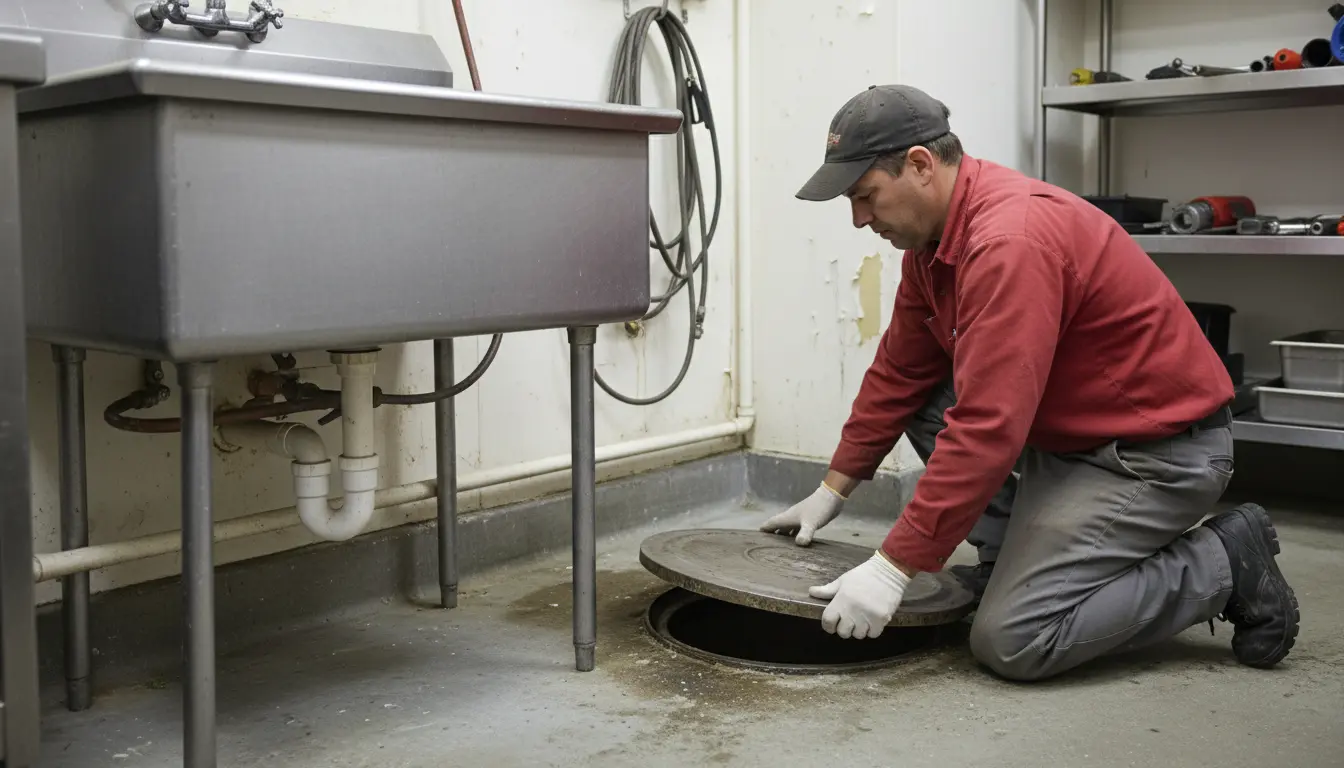
For restaurant owners and kitchen managers in White Plains, maintaining a clean and compliant grease trap is not just a best practice-it's a legal requirement. Local and New York State codes mandate regular grease interceptor maintenance to prevent harmful fats, oils, and grease (FOG) from entering the public sewer system. Failure to adhere to these regulations can result in significant fines, mandatory emergency cleanouts, and even operational shutdowns. This guide outlines the essential knowledge for White Plains food service establishments to ensure compliance, avoid costly penalties, and keep their kitchens running smoothly through proper FOG management.
Envirogreen Solutions
New York, NY
Envirogreen Solutions provides grease trap cleaning and used cooking oil collection services in New York, NY, including the five boroughs and Nassau County. They help commercial kitchens comply with local environmental regulations by responsibly removing and recycling cooking oil and grease trap waste. Envirogreen is fully licensed and insured, offering compliance paperwork and stickers upon service completion. Their capabilities include grease trap cleaning, cooking oil recycling, and emergency grease trap waste collection. The company is known for maintaining grease traps to keep them flowing properly and offers prompt emergency services when needed.
Viper Jet Drain Services
5-02 Banta Pl, Fair Lawn, NJ 07410
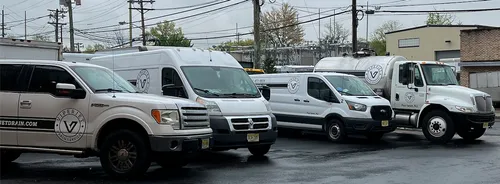
Viper Jet Drain Services provides drain, septic, and grease trap cleaning services in New York, NY, and New Jersey. They serve residential, commercial, and municipal clients with solutions ranging from household drain cleaning to large-scale sewer and stormwater management. Their licensed and insured technicians use advanced equipment such as hydro jetting and camera inspections to deliver reliable results. The family-owned company emphasizes expertise and customer care, offering emergency services and professional maintenance for grease traps and septic systems.
Zoom Drain
152 Stevens Ave, Jersey City, NJ 07305
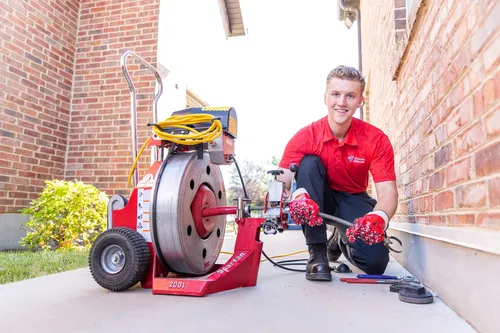
Zoom Drain is a drain and sewer cleaning company serving New York, NY, and the surrounding North Jersey area. They provide services for residential and commercial properties, including grease trap maintenance and sewer cleaning. The company uses advanced equipment such as PowerSnake, Zoom Jetting®, and video inspection to address clogs, root invasions, and other drain issues efficiently. Zoom Drain also offers specialized solutions like Zoom Drain Bio™ to dissolve common drain blockages. Their team is known for knowledgeable technicians and tailored maintenance plans to meet diverse customer needs.
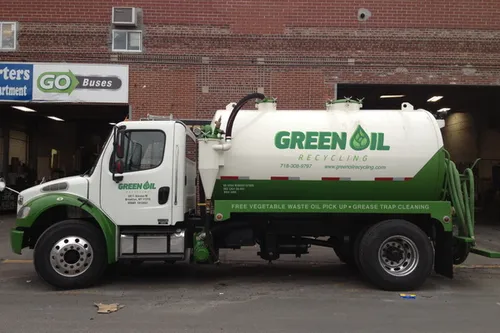
Green Oil Recycling
317 Liberty Ave, Brooklyn, NY 11207
Green Oil Recycling provides professional grease trap cleaning and used cooking oil collection services in New York, NY. They specialize in maintaining commercial kitchen grease traps, including passive hydro mechanical, large pre-cast concrete gravity traps, and auto-grease removal systems like Big Dipper. Their trained technicians thoroughly clean traps, scrape walls, and use bio-safe chemicals to break down waste oil, helping kitchens stay odorless and compliant with local regulations. Green Oil Recycling serves New York City, New Jersey, and Nassau County, ensuring all waste oil disposal meets BIC, DEC, and EPA standards. They also inspect gaskets and fittings to prevent violations and hazards, working closely with Done Right Hood & Fire Safety for comprehensive grease trap and kitchen exhaust maintenance.
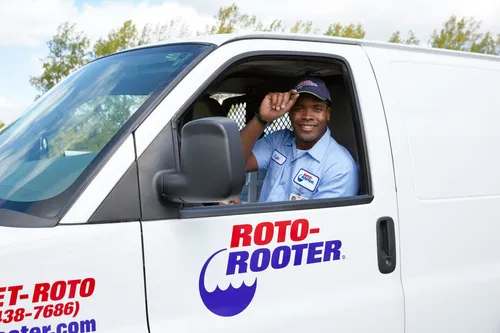
Roto-Rooter Plumbing & Water Cleanup
3000 John F. Kennedy Blvd Ste 310A, Jersey City, NJ 07306
Roto-Rooter Plumbing & Water Cleanup provides comprehensive plumbing and water cleanup services in New York, NY, with a focus on Jersey City and surrounding areas. They offer a wide range of residential and commercial plumbing solutions, including grease trap cleaning, sewer line repair, drain cleaning, water heater installation and repair, and emergency flood services. The company is equipped with advanced technology such as high-pressure water jetting (hydro-jetting) and video sewer inspections to address complex plumbing issues. Roto-Rooter operates 24/7, providing emergency plumbing services year-round to quickly respond to urgent plumbing problems.
Understanding Local Grease Trap Regulations
In White Plains, grease trap servicing is enforced to protect the city's wastewater infrastructure. The primary enforcers are typically the local Department of Public Works or Water Department, often in conjunction with the Westchester County Health Department. These agencies adopt and enforce state codes, which set the baseline for requirements like servicing frequency, proper installation, and record-keeping.
The core principle is that all commercial kitchens producing FOG must have a properly sized and functioning grease interceptor. These devices capture grease and solids before wastewater leaves your property, preventing blockages in the public sewer lines that can lead to backups and environmental issues. Compliance isn't optional; it's a critical part of your business's operational license.
Mandatory Servicing Frequency and Requirements
How often you need to clean your grease trap isn't a one-size-fits-all schedule; it's dictated by your kitchen's volume and FOG production. However, regulations provide clear guidelines:
- Standard Frequency: For most establishments, quarterly cleaning (every three months) is the common requirement. This is often the baseline inspectors look for during compliance checks.
- High-Volume Kitchens: Busy restaurants, particularly those with high fryer usage, may be required to service their traps monthly or even more frequently 1 2. The rule is that a trap must be cleaned before it reaches 25% capacity, which can happen quickly in a high-output kitchen.
- Accessibility is Key: Your grease interceptor must be easily accessible for both routine service and unannounced inspections. Buried or obstructed traps are a violation 3. New installations heavily discourage or prohibit interior traps unless specifically approved, as they require even more vigilant (often weekly) maintenance and secondary containment.
The takeaway is clear: you cannot wait for a clog or an odor problem. Adhering to a proactive, documented schedule based on your specific operation is the only way to stay compliant.
What Inspectors Look For and The Cost of Non-Compliance
When an inspector from the Public Utilities or Health Department visits, they are checking for several key compliance points:
- Proof of Maintenance: This is the most critical item. You must provide detailed service records from a licensed hauler.
- Trap Condition and Accessibility: They will check if the trap is full, if it's easily reachable, and if it's properly installed.
- Overall FOG Management: Inspectors may review your kitchen practices, such as the use of sink strainers and proper oil disposal methods.
The consequences of failing an inspection are severe and expensive:
- Substantial Fines: Fines can start in the hundreds of dollars and escalate into the thousands for repeat violations 4.
- Mandatory Emergency Cleanout: You will be ordered to clean the trap immediately, often at a premium emergency service rate.
- Cessation of Discharge: In extreme cases, you may be ordered to stop all wastewater discharge until the issue is resolved, effectively halting your business operations 5.
- Business Closure: Persistent non-compliance can lead to the suspension or revocation of your operating permits.
Find the perfect grease trap cleaning companies for your needs
Get personalized recommendations and expert advice
The Real Cost of Grease Trap Maintenance
Understanding the costs involved helps in budgeting and highlights the value of preventive care. Prices vary based on trap size, location, and accessibility.
- Scheduled Maintenance Cost: For a well-maintained, accessible trap, a routine pump-out in the White Plains area typically ranges from $175 to $400 per service 6. This is the cost-effective, planned approach.
- Emergency Service Cost: If you wait until there's a backup or you are under a violation order, emergency cleaning can cost between $800 and $1,200 or more 7. This price reflects the immediate response and the extra labor required to clear a severely clogged system.
- The Smart Investment: A quarterly contract at ~$300 per service costs about $1,200 annually. A single emergency call can nearly match that, not including any fines. Scheduled maintenance is unequivocally the more financially sound strategy.
Best Practices for White Plains Restaurants
Beyond hiring a licensed service provider, your kitchen staff plays a vital role in FOG control and extending time between pump-outs.
- Train Your Staff: Implement a "scrape, don't rinse" policy for plates. Food solids should go in the trash, not the sink.
- Use Sink Strainers: Install and maintain strainers in all prep and dish sinks to catch food particles.
- Dispose of Oil Properly: Never pour fryer oil or greasy liquids down the drain. Collect used cooking oil in dedicated containers for recycling by a licensed hauler.
- Keep Impeccable Records: Maintain a file with every service report, invoice, and manifest from your grease trap and used oil hauler. Records should be kept for at least three years to demonstrate compliance during any inspection 8.
- Know Your Local Contacts: Proactively reach out to the City of White Plains Department of Public Works or your local health department to confirm specific local codes and to inquire about lists of approved or licensed service providers in the area 9 10.
Frequently asked questions
Sources
Footnotes
-
section 10 - 24: fats, oils, and grease control - Revize - https://cms6.revize.com/revize/lymansc/New%20Bus%20Serving%20Food/Sewer%20Ordinance%20for%20FOG%20Regulations%203.12.pdf ↩
-
TEXT OF RULE 1. Section 1219.1 of Part 1219 of Title 19 of the ... - https://dos.ny.gov/system/files/documents/2022/03/2022-2-25-text-of-rule-part-1229-grease-interceptors-final_0.pdf ↩
-
The Ultimate Guide to Restaurant Grease Trap Cleaning - https://mokherplumbing.com/ultimate-guide-restaurant-grease-trap-cleaning/ ↩
-
7-4-9: GREASE/SAND TRAPS REQUIREMENTS: - https://codelibrary.amlegal.com/codes/angelfirenm/latest/angelfire_nm/0-0-0-3809 ↩
-
Grease Trap Sizing in NYC & NJ: What Many Kitchens Get Wrong - https://filtakleenco.com/grease-trap-sizing/ ↩
-
How Much Does a Proper Grease Trap Cleaning Cost? - https://hulseyenvironmental.com/how-much-does-a-proper-grease-trap-cleaning-partner-cost/ ↩
-
Ultimate Grease Trap Pumping Cost Guide: Essential Money-Saving ... - https://www.texwaywastewater.com/grease-trap-pumping-cost/ ↩
-
New York Grease Trap Rules - United Sewer and Septic - https://www.unitedsewerservice.com/regulations-for-grease-trap-maintenance-in-new-york/ ↩
-
How to Clean a Grease Trap (and How Often You Should) - https://greaseconnections.com/how-to-clean-a-grease-trap-and-how-often-you-should/ ↩
-
Navigating Hood Cleaning Regulations for Compliance Across Jurisdictions - https://indianapolishoodcleaning.com/navigating-hood-cleaning-regulations-for-compliance-across-jurisdictions ↩