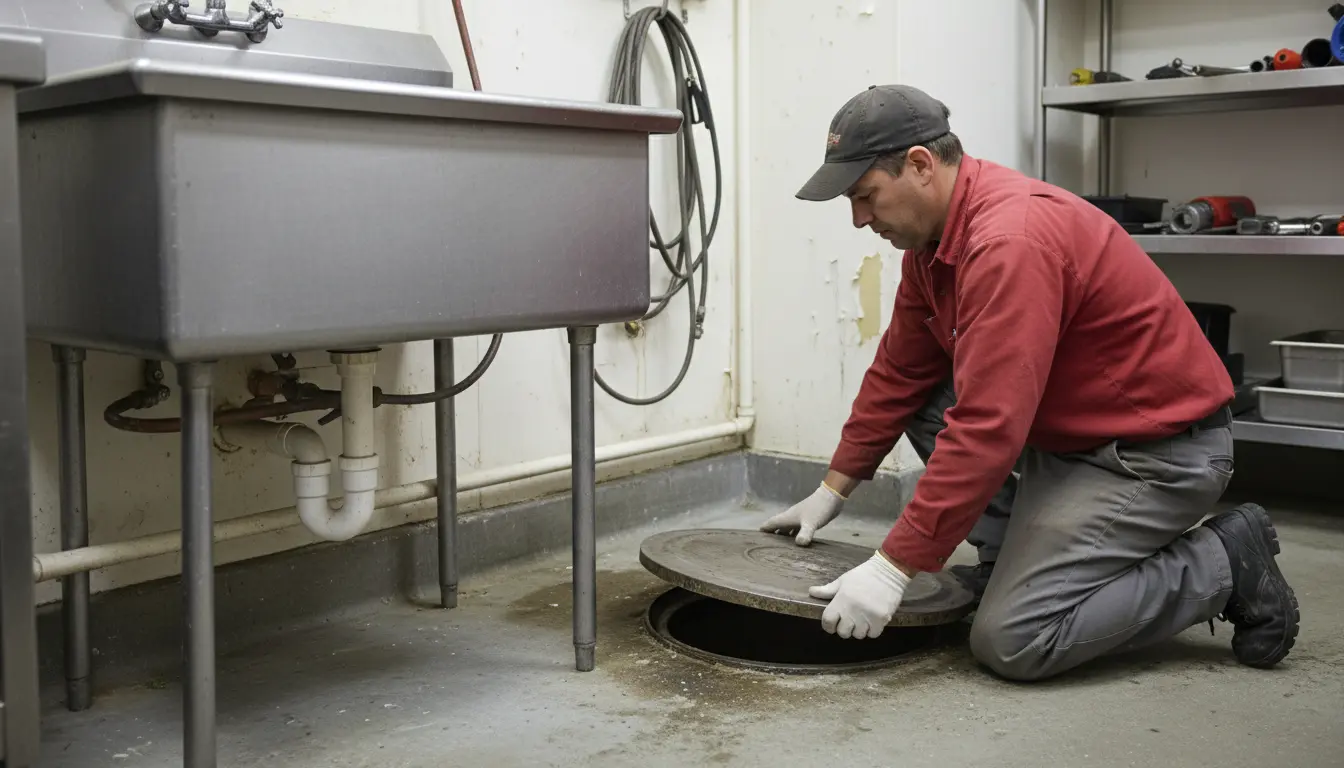
Find the Best Grease Trap Cleaning Companies for Your Business
No obligation • Fast responses • Nationwide coverage

Why you can trust Restaurant Waste Disposal
Restaurant Waste Disposal is a leading U.S. resource for comparing restaurant composting, food-waste recycling, grease trap cleaning, and used cooking oil collection services. Our editorial team researches providers, checks credentials, and organizes unbiased information so operators can make informed decisions. Companies cannot pay to change ratings or placement.
Search providers near you
Top Grease Trap Cleaning Companies in St Louis, Missouri Ranked
For any restaurant or food service establishment in St. Louis, maintaining your grease interceptor isn't just a maintenance task-it's a critical regulatory requirement. The city's sewer system is protected by strict local codes enforced by the St. Louis Metropolitan Sewer District (MSD) and the Health Department, mandating that kitchens prevent fats, oils, and grease (FOG) from entering public lines. Compliance hinges on a consistent schedule of professional grease trap pumping and thorough cleaning, with detailed service records kept on-site for inspectors. Neglecting this essential service can lead to severe backups, unpleasant odors, significant fines, and even operational shutdowns. Partnering with a licensed local provider for preventative maintenance is the most effective strategy to ensure your business runs smoothly and avoids costly emergencies.
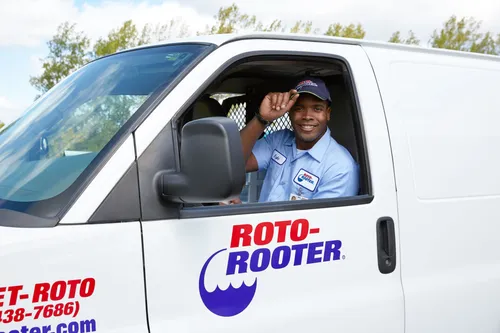
Roto-Rooter Plumbing & Water Cleanup
16083 Manchester Rd, Ballwin, MO 63011
Roto-Rooter Plumbing & Water Cleanup offers a wide range of plumbing services in Chesterfield, MO, including floodwater cleanup, sewer and drain cleaning, water heater repairs, and grease trap maintenance. The company serves both residential and commercial clients, providing specialized capabilities such as hydro-jetting and trenchless sewer line repairs. With a 24/7 emergency service hotline, Roto-Rooter is equipped to handle urgent plumbing needs at any time. Their experienced team also performs mold remediation and water damage cleanup to address the aftermath of plumbing issues. Serving Chesterfield and surrounding counties, Roto-Rooter combines local knowledge with advanced technology to maintain plumbing systems effectively.
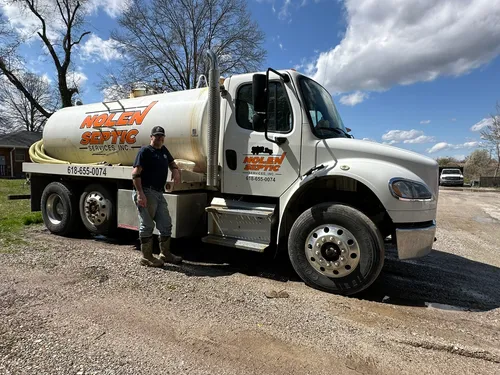
Nolen Septic Services
2000 Little Round Top Dr, Edwardsville, IL 62025
Nolen Septic Services is a family-owned business serving St Louis, MO, and surrounding areas since 2000. They provide septic cleaning, grease trap cleaning, drain unclogging, and troubleshooting services for both residential and commercial customers. Their licensed and insured team covers multiple locations including Madison and St. Clair counties, offering dependable septic and aeration tank maintenance to help prevent costly system failures. The company is known for providing emergency service, including on holidays.
Ace Grease Service
9035 IL-163, Millstadt, IL 62260
Ace Grease Service is a family-owned company based near St Louis, MO, specializing in used cooking oil collection and grease trap cleaning. With over 31 years of experience, they serve restaurants, hotels, hospitals, penal institutions, and large food manufacturing plants across nine Midwest states. Their services include collecting used cooking oil and cleaning grease traps to help keep kitchens and sewer systems free of fats, oils, and grease. Ace Grease processes and recycles the collected oil into products like plastics, soaps, livestock feed, and biodiesel fuel. They operate a fleet of advanced trucks and equipment to support their service coverage.
Roto-Rooter Plumbing & Water Cleanup
110 W Main St #160, Belleville, IL 62220
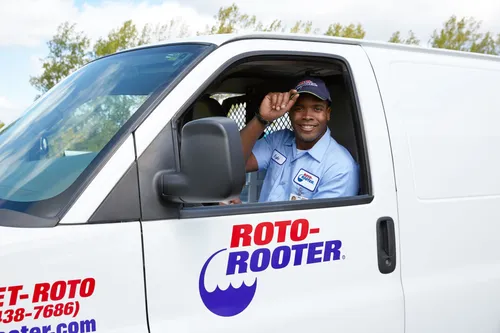
Roto-Rooter Plumbing & Water Cleanup is a comprehensive plumbing service provider based in St Louis, MO, serving Belleville and surrounding counties in Illinois and Missouri. They offer a wide range of residential and commercial plumbing services, including drain cleaning, sewer line repair and replacement, water heater repair and installation, grease trap cleaning, and water damage cleanup. The company is equipped with advanced capabilities such as hydro-jetting and camera inspections to address complex plumbing issues. Roto-Rooter provides 24/7 emergency plumbing services to handle urgent problems like burst pipes and sewer backups.
STL Grease Trap Services
St Louis, MO
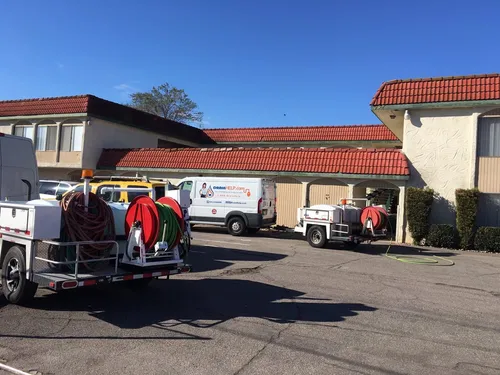
STL Grease Trap Services offers grease trap cleaning and maintenance for restaurants and commercial foodservice businesses in St Louis, MO. Their skilled technicians provide thorough cleaning, pumping, and inspection services to prevent grease buildup, clogs, and sewer backups. The company also ensures compliance with local regulations and provides detailed inspection and history reports. They use industry-standard tools for jetting and rodding clogged pipes and operate with an environmentally conscious approach by recycling grease for renewable energy. STL Grease Trap Services has over a decade of experience and offers 24/7 emergency cleanup to address urgent issues promptly.
Understanding St. Louis Grease Interceptor Regulations
Navigating the local regulatory landscape is the first step to compliance. In St. Louis, grease trap maintenance is governed by a combination of entities, primarily the St. Louis Metropolitan Sewer District (MSD) and the local Health Department, with oversight from the Missouri Clean Water Commission. These regulations are designed to prevent sewer blockages and environmental contamination.
The core mandate is simple: every food service establishment must have a properly sized and functioning grease trap or interceptor. The responsibility then falls on the business owner to ensure it is cleaned at intervals that prevent FOG from escaping into the sewer system 1. Waste from the cleaning process must be disposed of at approved facilities, not simply dumped, and the entire service must be documented. This isn't optional paperwork; it's your proof of compliance during an inspection.
The Inspection Process and Maintaining Compliance
Health and sewer inspections in St. Louis can be scheduled or unannounced, and your grease interceptor maintenance records will be a key point of review. Inspectors will look for signs of neglect, such as slow drainage, foul odors, or visible grease in the outlet pipe. More importantly, they will request your service documentation.
You are required to keep detailed records, including invoices and waste manifests from your service provider, for a minimum of three years. These documents should clearly show the date of service, the company that performed it, the volume of waste removed, and where it was disposed. Failure to produce these records or presenting a clogged, poorly maintained trap can result in a violation notice, substantial fines, and in severe cases, a suspension of your operating permit until the issue is resolved 2. Proactive, documented maintenance is your best defense.
Determining Your Cleaning Frequency and Best Practices
There is no one-size-fits-all schedule for grease interceptor servicing. The frequency depends entirely on your kitchen's volume of FOG production. A high-volume barbecue restaurant will need service far more often than a small coffee shop.
- Typical Schedules: Most St. Louis restaurants find that a monthly to quarterly (every 1 to 3 months) pumping schedule is necessary to stay compliant and functional 3 4. Your service provider can help you establish a baseline after your first few cleanings.
- The Cleaning Process: A proper service is more than just pumping out liquid. It involves removing all FOG, food solids, and wastewater, followed by scraping baffles, scrinding the interior walls, and inspecting the system for damage 5 6. The outlet should be tested to ensure water flows freely. A reputable provider will leave you with a detailed service report that notes the condition of the trap and the amount of waste removed, which is perfect for your compliance file.
- Warning Signs: Don't wait for your scheduled date if you notice problems. Slow-draining sinks, gurgling sounds from drains, or persistent foul odors are clear indicators that your interceptor needs immediate attention.
Cost Expectations for Service in St. Louis
Understanding the cost structure for grease trap maintenance helps in budgeting and highlights the value of preventative care. Prices vary based on the size of your trap (measured in gallons), its location (indoor vs. outdoor), the level of accumulation, and your geographic location within the greater St. Louis area.
- Scheduled Maintenance: For a routine, scheduled pumping and cleaning service, St. Louis restaurants can generally expect costs in the range of $250 to $4007 8. This is the cost-effective, planned approach.
- Emergency Service: If you neglect maintenance and experience a complete blockage or backup that requires an emergency call-out, the price increases significantly. Emergency services often start at $800 and can exceed $1,200, not including any repairs or additional plumbing work needed 9 10.
- Long-Term Savings: Investing in regular, scheduled cleanings isn't an expense; it's a savings plan. It prevents the thousands of dollars in potential costs from emergency repairs, city fines, and lost business during a forced closure.
Find the perfect grease trap cleaning companies for your needs
Get personalized recommendations and expert advice
Choosing a Certified Local Service Provider
Selecting the right partner for your grease interceptor maintenance is crucial. Look for a provider that is fully licensed and insured, with a proven track record of serving St. Louis restaurants. They should be intimately familiar with MSD and local Health Department codes. Key services to expect include:
- Compliance-Focused Service: The provider should emphasize proper documentation and disposal, supplying you with all necessary manifests and reports.
- Flexible Scheduling: They should work with you to create a maintenance plan that fits your business cycle, offering reminders for upcoming service dates.
- Emergency Response: Ensure they offer 24/7 emergency services for those unexpected situations, though the goal is to never need it.
- Transparent Pricing: A trustworthy company will provide clear, upfront pricing for scheduled maintenance without hidden fees.
Local St. Louis providers like Millstadt Rendering, Grease Masters, and Gateway Cleaning Services specialize in this field and understand the specific demands of the local regulatory environment 11 12 13. Establishing a relationship with a knowledgeable provider turns a complex compliance chore into a manageable, routine part of your business operations.
The Environmental and Operational Impact
Beyond compliance, proper grease trap maintenance has positive ripple effects. It protects the local sewer infrastructure and waterways from pollution, contributing to broader environmental goals in the region. For your restaurant, it ensures smooth kitchen operations, prevents disruptive and unsanitary backups, and maintains a better environment for your staff. A well-maintained interceptor also extends the lifespan of your plumbing system, avoiding premature replacements. Viewing this service as an integral part of your restaurant's operational excellence, rather than a nuisance, is the mark of a proactive and responsible business owner.
Frequently asked questions
Sources
Footnotes
-
Tip: Restaurant Grease Trap Cleaning Services St Louis, MO - https://millstadtrendering.com/tip-restaurant-grease-trap-cleaning-services-st-louis-mo/ ↩
-
Grease Trap Cleaning for Health Inspection Compliance - Millstadt ... - https://millstadtrendering.com/health-inspections-and-grease-traps-stay-compliant-with-cleaning-services/ ↩
-
Grease Trap Regulations and Compliance: What You Need to Know - https://www.texwaywastewater.com/grease-trap-regulations-and-compliance/ ↩
-
Complying with Grease Trap Codes: 5 Essential Tips | Business Name - https://www.unitedsewerservice.com/complying-with-local-regulations-and-codes-for-grease-trap-maintenance/ ↩
-
Restaurant Grease Trap Cleaning FAQs - Mahoney Environmental - https://www.mahoneyes.com/restaurant-grease-trap-cleaning-faqs/ ↩
-
Grease Trap Cleaning & Pumping: Your Ultimate Commercial Guide - https://elvisservicecompany.com/news/the-ultimate-guide-to-grease-trap-cleaning-pumping-everything-your-business-needs-to-know/ ↩
-
How to Clean a Grease Trap (and How Often You Should) - https://greaseconnections.com/how-to-clean-a-grease-trap-and-how-often-you-should/ ↩
-
Commercial Grease Trap Cleaning St Louis MO Millstadt Rendering - https://millstadtrendering.com/grease-trap-cleaning-service-in-the-st-louis-area/ ↩
-
Ultimate Grease Trap Pumping Cost Guide: Essential Money-Saving ... - https://www.texwaywastewater.com/grease-trap-pumping-cost/ ↩
-
How Much Does a Proper Grease Trap Cleaning Cost? - https://hulseyenvironmental.com/how-much-does-a-proper-grease-trap-cleaning-partner-cost/ ↩
-
Professional Grease Pumping Services St. Louis - Millstadt ... - https://millstadtrendering.com/professional-grease-pumping-services-st-louis/ ↩
-
Commercial Grease Trap Cleaning | Greater St. Louis, MO - https://greasemastersllc.com/grease-traps-cleaning-and-maintenance/ ↩
-
Grease Trap Cleaning Services - https://gatewaycleaning.com/grease-trap-cleaning/ ↩