Find the Best Grease Trap Cleaning Companies for Your Business
No obligation • Fast responses • Nationwide coverage

Why you can trust Restaurant Waste Disposal
Restaurant Waste Disposal is a leading U.S. resource for comparing restaurant composting, food-waste recycling, grease trap cleaning, and used cooking oil collection services. Our editorial team researches providers, checks credentials, and organizes unbiased information so operators can make informed decisions. Companies cannot pay to change ratings or placement.
Search providers near you
Best Grease Trap Cleaning Companies in Missouri Ranked
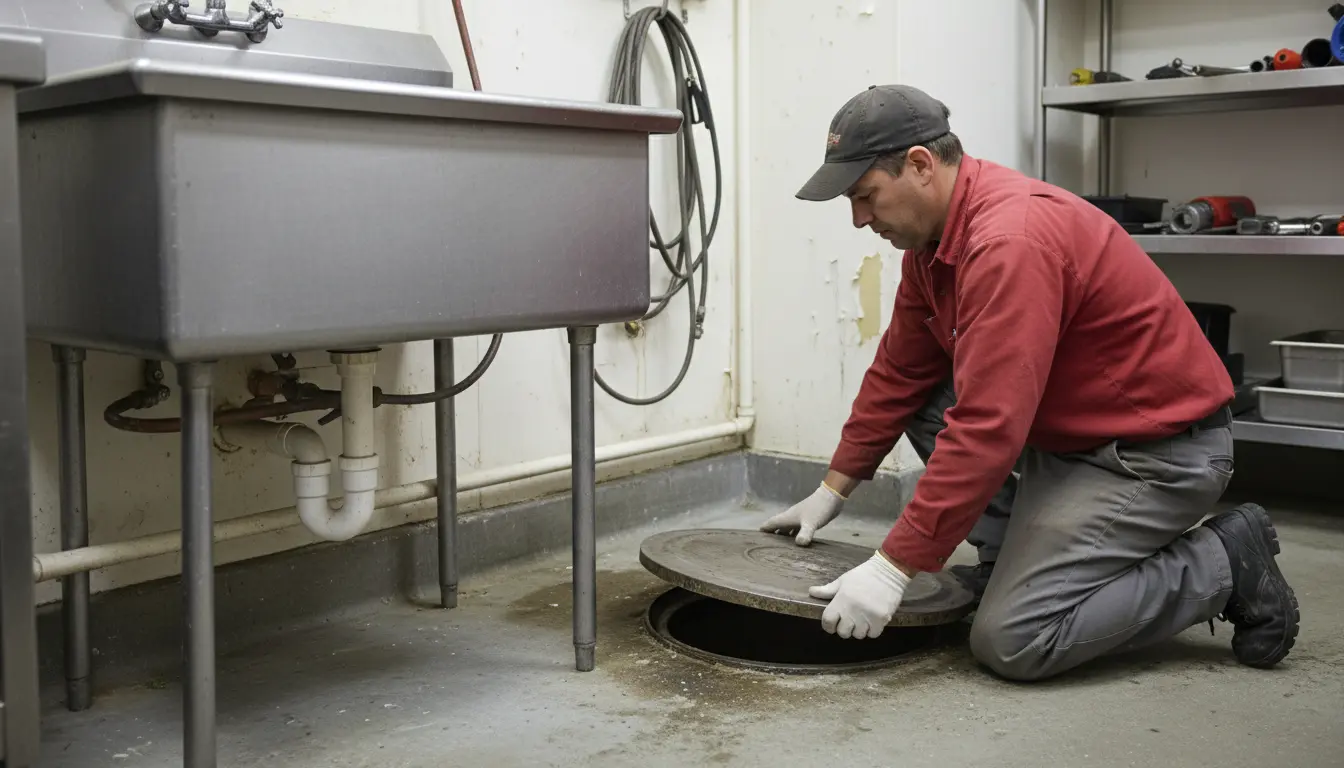
For restaurant owners and food service operators in Missouri, managing fats, oils, and grease (FOG) is a critical operational and regulatory responsibility. Proper grease trap cleaning and maintenance are not just about preventing clogs in your own kitchen; they are mandated by local ordinances to protect the public sewer system from costly blockages and environmental damage. Missouri's regulations are enforced at the municipal level, meaning requirements can vary between cities like St. Louis, Kansas City, and Branson. This guide outlines the key rules, schedules, and practical considerations for maintaining compliance and avoiding fines through effective grease interceptor service.
Roto-Rooter Plumbing & Water Cleanup
4600 Kansas Ave Ste A, Kansas City, KS 66106
Roto-Rooter Plumbing & Water Cleanup provides comprehensive plumbing services in Kansas City, MO. They handle a wide range of residential and commercial plumbing needs, including drain cleaning, sewer line repair, water heater maintenance, and grease trap cleaning. Their team is equipped to manage both historic and modern plumbing systems, offering specialized services such as floodwater cleanup, mold remediation, and hydro-jetting. With 24/7 emergency availability, Roto-Rooter ensures assistance is accessible at any time for urgent plumbing issues. The company has a long-standing history in plumbing innovation, originating with the invention of the motorized drain snake in 1935.
Roto-Rooter Plumbing & Water Cleanup
16083 Manchester Rd, Ballwin, MO 63011
Roto-Rooter Plumbing & Water Cleanup offers a wide range of plumbing services in Chesterfield, MO, including floodwater cleanup, sewer and drain cleaning, water heater repairs, and grease trap maintenance. The company serves both residential and commercial clients, providing specialized capabilities such as hydro-jetting and trenchless sewer line repairs. With a 24/7 emergency service hotline, Roto-Rooter is equipped to handle urgent plumbing needs at any time. Their experienced team also performs mold remediation and water damage cleanup to address the aftermath of plumbing issues. Serving Chesterfield and surrounding counties, Roto-Rooter combines local knowledge with advanced technology to maintain plumbing systems effectively.
Hillbilly Pumping & Hauling, INC
Joplin, MO
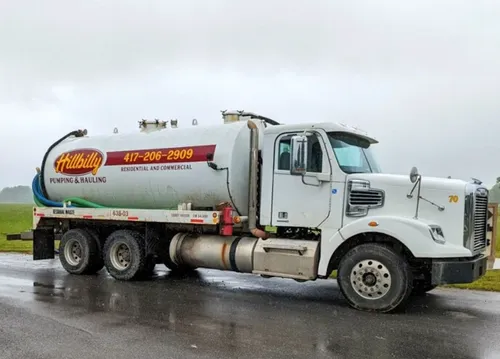
Hillbilly Pumping & Hauling, INC is a family-owned business based in Joplin, MO, offering septic system services and grease trap cleaning to residential and commercial clients. Serving the Four State Area, they provide septic tank pumping, installation, repairs, grease trap pumping, and used cooking oil collection with recycling. With over 40 years of experience, Hillbilly Pumping & Hauling, INC focuses on environmentally conscious and thorough service to help maintain clean and functional septic and grease systems.
Honey-Wagon Septic And Grease
19546 Metcalf Ave c, Stilwell, KS 66085
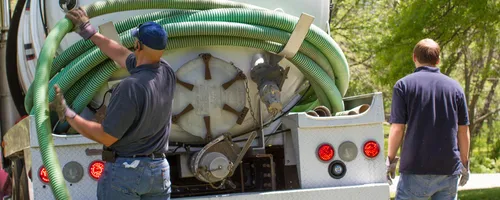
Honey-Wagon Septic And Grease is a family-owned company based near Kansas City, MO, specializing in septic tank pumping and grease trap cleaning. With nearly 40 years of experience, they serve residential and commercial customers across Miami, Wyandotte, and Johnson counties in Kansas, as well as Jackson and Cass counties in Missouri. Their certified septic inspectors are available five days a week to assist with inspections and maintenance. The company is fully licensed, bonded, and insured, offering premium commercial-grade maintenance products at their Stilwell office.
Nolen Septic Services
2000 Little Round Top Dr, Edwardsville, IL 62025
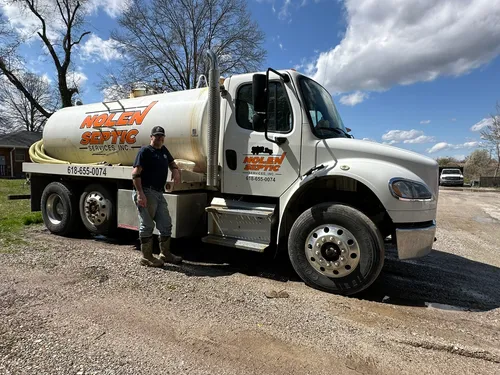
Nolen Septic Services is a family-owned business serving St Louis, MO, and surrounding areas since 2000. They provide septic cleaning, grease trap cleaning, drain unclogging, and troubleshooting services for both residential and commercial customers. Their licensed and insured team covers multiple locations including Madison and St. Clair counties, offering dependable septic and aeration tank maintenance to help prevent costly system failures. The company is known for providing emergency service, including on holidays.
Understanding Missouri's Grease Trap Regulations
In Missouri, the installation and maintenance of grease interceptors (commonly called grease traps) are mandatory for all food service establishments. The primary goal is to prevent FOG from entering and solidifying in the public sewer lines, which can cause severe blockages, sanitary sewer overflows, and expensive remediation costs for municipalities 1 2.
Local Authority is Key: There is no single statewide permit; regulations are set and enforced by local sewer districts, public works departments, and city health boards. Major authorities include KC Water in Kansas City, the Metropolitan St. Louis Sewer District (MSD), and individual city codes like those in St. Charles and Branson. You must comply with the specific FOG ordinance of the municipality where your business is located.
Permitting and Design Approval: Before installing or modifying a grease interceptor, you typically need approval from your local authority. The permit process ensures your trap is correctly sized for your kitchen's volume and type of food preparation. Designs may require large outdoor interceptors or, for spaces with limitations, indoor Automatic Grease Recovery Units (AGRUs) 3.
How Often Should You Clean Your Grease Trap in Missouri?
Cleaning frequency is not a one-size-fits-all schedule; it is dictated by a combination of local rules and the actual accumulation of waste in your trap. The universal benchmark is the "25% Rule" 4. This rule states that a grease interceptor should be pumped and cleaned when the combined volume of FOG and settled solids reaches 25% of the trap's total liquid capacity. Exceeding this level significantly reduces the trap's efficiency and increases the risk of grease escaping into the sewer line.
- Typical Schedules: While the 25% rule governs, many Missouri municipalities require monthly or quarterly cleaning as a baseline. High-volume kitchens, such as those in busy restaurants or those with fryer-heavy menus, will likely need monthly service. Lower-volume operations might manage with service every 60 to 90 days 5 6 7.
- Documentation is Mandatory: Your local permit often requires you to maintain detailed records. This includes monthly inspection logs and official waste manifests or invoices from your pumping service provider as proof of cleaning. Keeping impeccable records is your first defense during a compliance inspection.
Types of Grease Interceptors and Maintenance Implications
The type of trap you have directly impacts maintenance logistics and cost.
- Indoor Grease Traps: These are smaller units, often located under sinks or in kitchen prep areas. They require more frequent cleaning-sometimes weekly or monthly-due to their limited capacity. They are common in establishments with space constraints.
- Outdoor Grease Interceptors: These are large, in-ground tanks that handle the grease load for the entire facility. They have a much larger capacity but require professional pumping with specialized vacuum trucks. Cleaning is less frequent but a larger undertaking.
- Automatic Grease Recovery Units (AGRUs): These systems automatically skim and collect grease into a separate container, reducing the frequency of full pump-outs. They still require regular servicing to empty the collection container and maintain mechanical parts 8.
Find the perfect grease trap cleaning companies for your needs
Get personalized recommendations and expert advice
Cost of Grease Trap Cleaning in Missouri
Costs for grease interceptor pumping vary widely based on several factors. You can expect the following general price ranges, but always get detailed quotes from licensed providers 9 10:
- Indoor Trap Pumping: Typically ranges from $100 to $400+ per service.
- Outdoor Interceptor Pumping: Generally costs between $300 and $1,000+ per pump-out, with larger or more complex installations costing more.
The final price depends on:
- Trap Size and Type: Larger tanks cost more to pump.
- Location and Accessibility: Easy access for a service truck keeps costs down. Traps in confined or difficult-to-reach areas may incur higher charges.
- Service Frequency: Establishing a regular service contract can sometimes reduce the per-service cost compared to emergency or one-time calls.
- Local Provider Rates: Prices can differ between regions and companies.
Consequences of Non-Compliance
Failing to properly maintain your grease trap is a serious violation. Local authorities conduct inspections and review maintenance logs. Penalties for non-compliance can include:
- Significant fines per violation.
- Mandatory, immediate cleaning at your expense.
- In severe cases, suspension of your sewer service permit, which can halt your business operations.
Staying proactive with a reliable service contract and thorough documentation is the most effective strategy to avoid these costly and disruptive penalties.
Choosing a Service Provider in Missouri
When selecting a company for grease trap cleaning, ensure they are:
- Fully Licensed and Insured: This protects your business from liability.
- Knowledgeable of Local Codes: They should understand the specific reporting and documentation requirements of your city or sewer district.
- Transparent with Pricing and Services: They should provide clear, detailed invoices that serve as your proof of service for regulators.
- Reliable and Responsive: They should honor scheduled appointments and be available for emergencies.
Establishing a regular maintenance plan with a qualified provider is not an expense; it's an investment in your restaurant's smooth operation and regulatory standing.
Frequently asked questions
Sources
Footnotes
-
City of St. Charles, MO Fats, Oil And Grease - eCode360 - https://ecode360.com/27706550 ↩
-
Restaurants and Businesses: Reducing FOG in Kansas City's Collection System - https://www.kcwater.us/programs/restuarants-fog/ ↩
-
Frequently asked questions & summary of Fats, Oils & Grease ... - https://www.bransonmo.gov/DocumentCenter/View/2924/Fats-Oils--Grease-Summary---FAQ-PDF ↩
-
How to Clean a Grease Trap (and How Often You Should) - https://greaseconnections.com/how-to-clean-a-grease-trap-and-how-often-you-should/ ↩
-
Commercial Grease Trap Cleaning | Greater St. Louis, MO - https://greasemastersllc.com/grease-traps-cleaning-and-maintenance/ ↩
-
How Often Do You Need to Clean Your Commercial Grease Trap? | Performance Plumbing - https://www.performanceplumbinginc.com/blog/drain-and-sewer-service/how-often-do-you-need-to-clean-your-commercial-grease-trap/ ↩
-
MISSOURI STATE OPERATING PERMIT - MO.gov - https://dnrservices.mo.gov/env/wpp/permits/issued/docs/0138657.pdf ↩
-
Restaurant Grease Trap Cleaning FAQs - https://www.mahoneyes.com/restaurant-grease-trap-cleaning-faqs/ ↩
-
Grease Trap Pumping Cost vs. Grease Trap Maintenance Cost - https://www.stateindustrial.com/video/cost-comparison-pumping-v-chemicals-to-maintain-a-grease-trap/ ↩
-
Grease Trap Cleaning in Kansas City - https://a-1sewerandsepticservice.com/grease-trap-cleaning/ ↩